WIldflowers abound across the sunny open areas at Wachusett Meadow Wildlife Sanctuary.

Goldenrod

Joe Pye Weed


Common Tansy


Photographs taken with a bridge camera journaling nature and everyday life in Central Massachusetts and beyond.
Category: Mass Audubon Wachusett Meadow.
WIldflowers abound across the sunny open areas at Wachusett Meadow Wildlife Sanctuary.
Goldenrod
Joe Pye Weed
Common Tansy

On most summer evenings, beavers can be found foraging in the Wildlife Pond at Wachusett Meadow Wildlife Sanctuary. Last night was no exception.
According to the National Park Service:
The North American beaver is a keystone species, a unique organism that supports the entire biological community. The term “keystone” refers to a wedge-shaped block that forms the apex of a stone arch, the brick that holds the entire span in place. If you remove the keystone the arch collapses. The same can be true of a keystone species—their removal can contribute to an ecosystem collapse.
The dams that beavers build create wetlands that provide safe homes, feeding grounds and nesting areas for fish, birds, frogs, and mammals. They help to trap dirt and harmful chemicals and clean the water before it flows downstream. And of high importance in these times of global warming, the dams help to hold back water during heavy storms and slowly release stored water during dry summer months.

Beavers live in lodges like this one at Wachusett Meadow that sports a “late summer greenery” look. I’ve photographed this lodge in all seasons. Click here for some different lodge views. Click here to learn more about the design of the lodge.

Last night this single beaver busily munched lily pads, and barely noticed me a few feet away on the dock. I watched as it used its ten fingers to prepare and eat dinner.
This video from a previous post shows the hands at work.
In this video short, a juvenile otter’s cry can be heard as the the beaver forages. Although the beaver paused each time it heard the otter, it remained unconcerned. Shortly after the beaver dives, the abrupt splashing of otters diving nearby can be heard.
The otter family that swam quickly by can thank the beaver for this environment . Otters and beavers are not “friends”; rather they are more like neighbors who tolerate each other. Occasionally, an otter might pose a threat to a young beaver, as otters are carnivores.

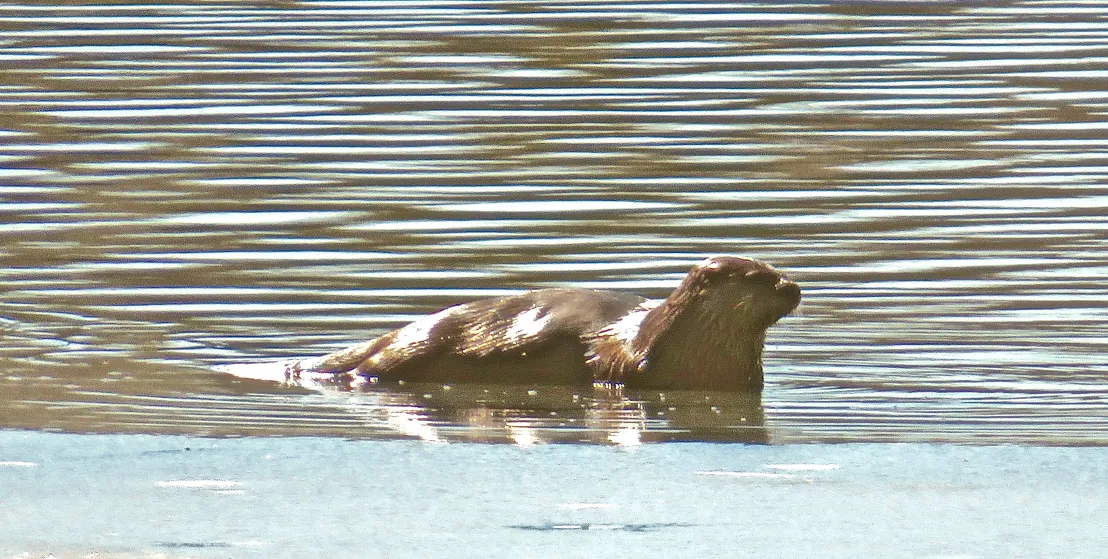
The lower left edge of this photo shows the observation dock where I was standing. I managed to take one photo of the otters before they dived away. There is plenty of space for both otters and beavers to live here. Over the years, I’ve photographed many other creatures who depend on the beavers for their habitat. You can view a selection of them below.
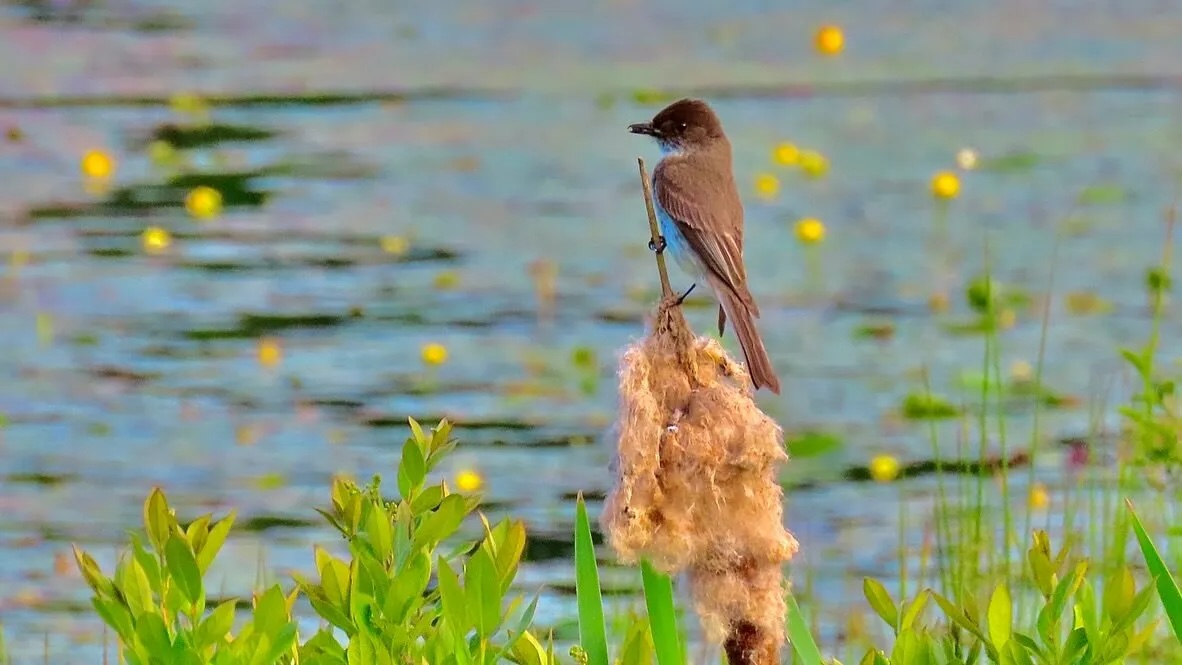
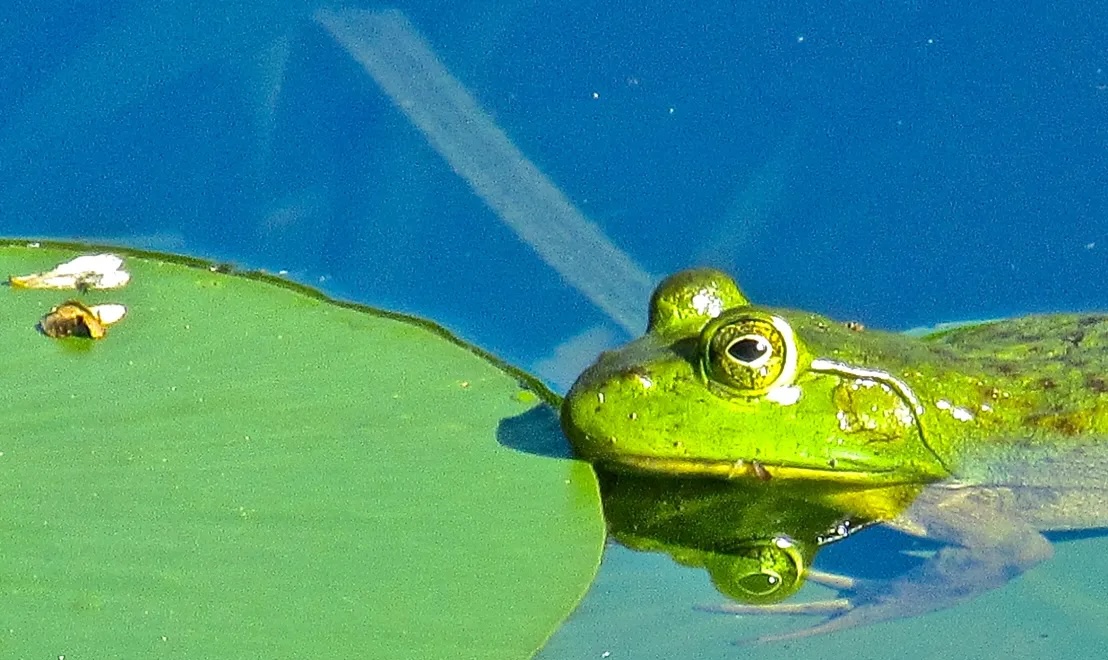
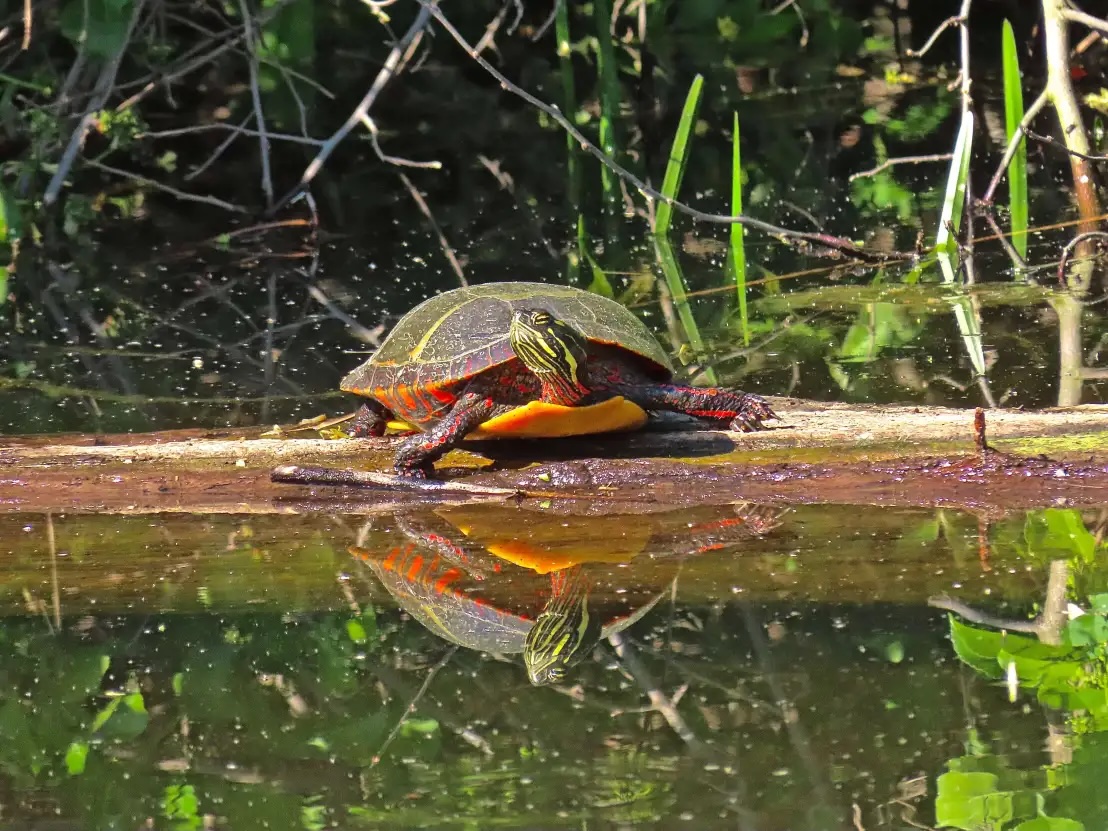
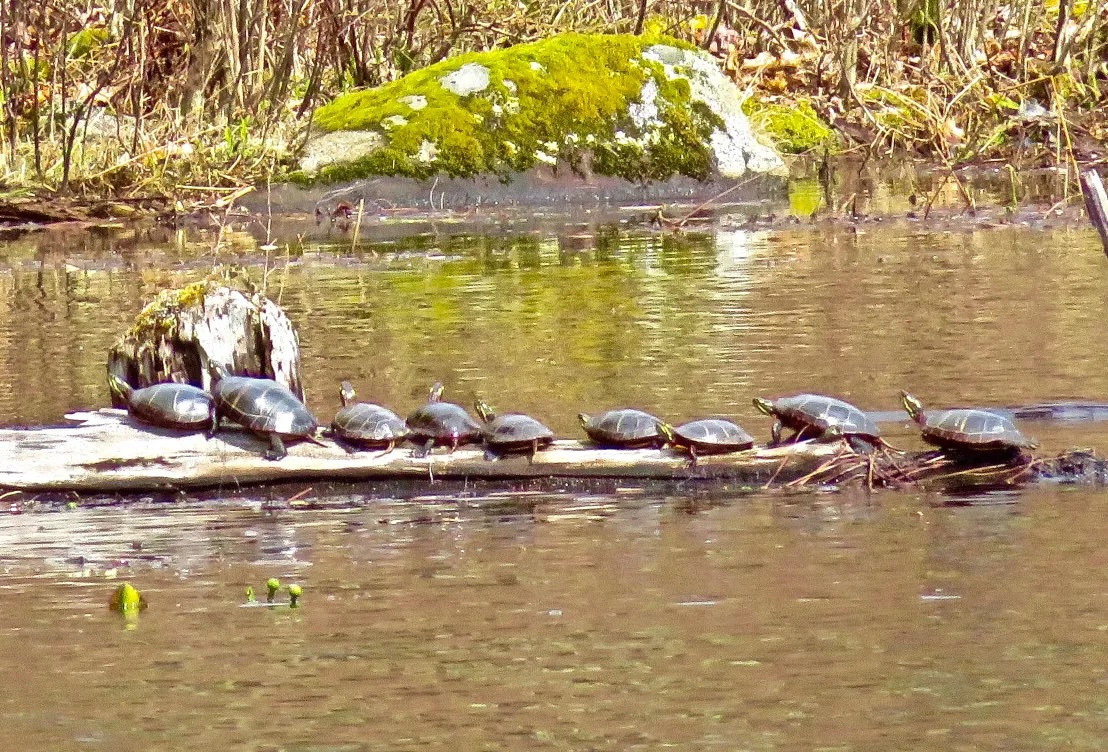
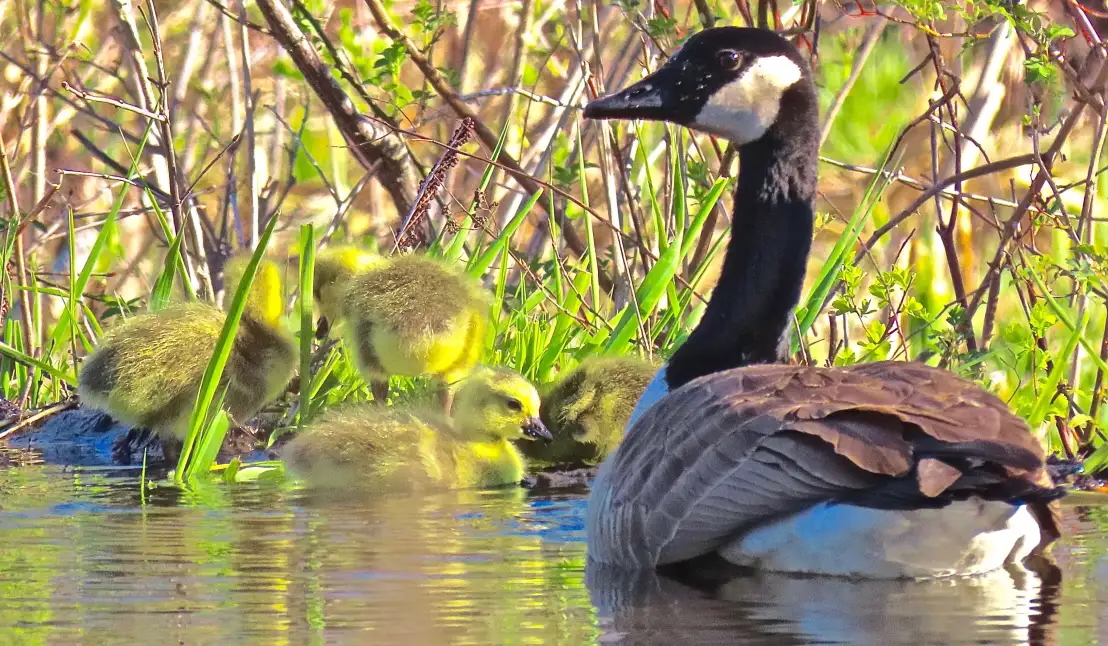
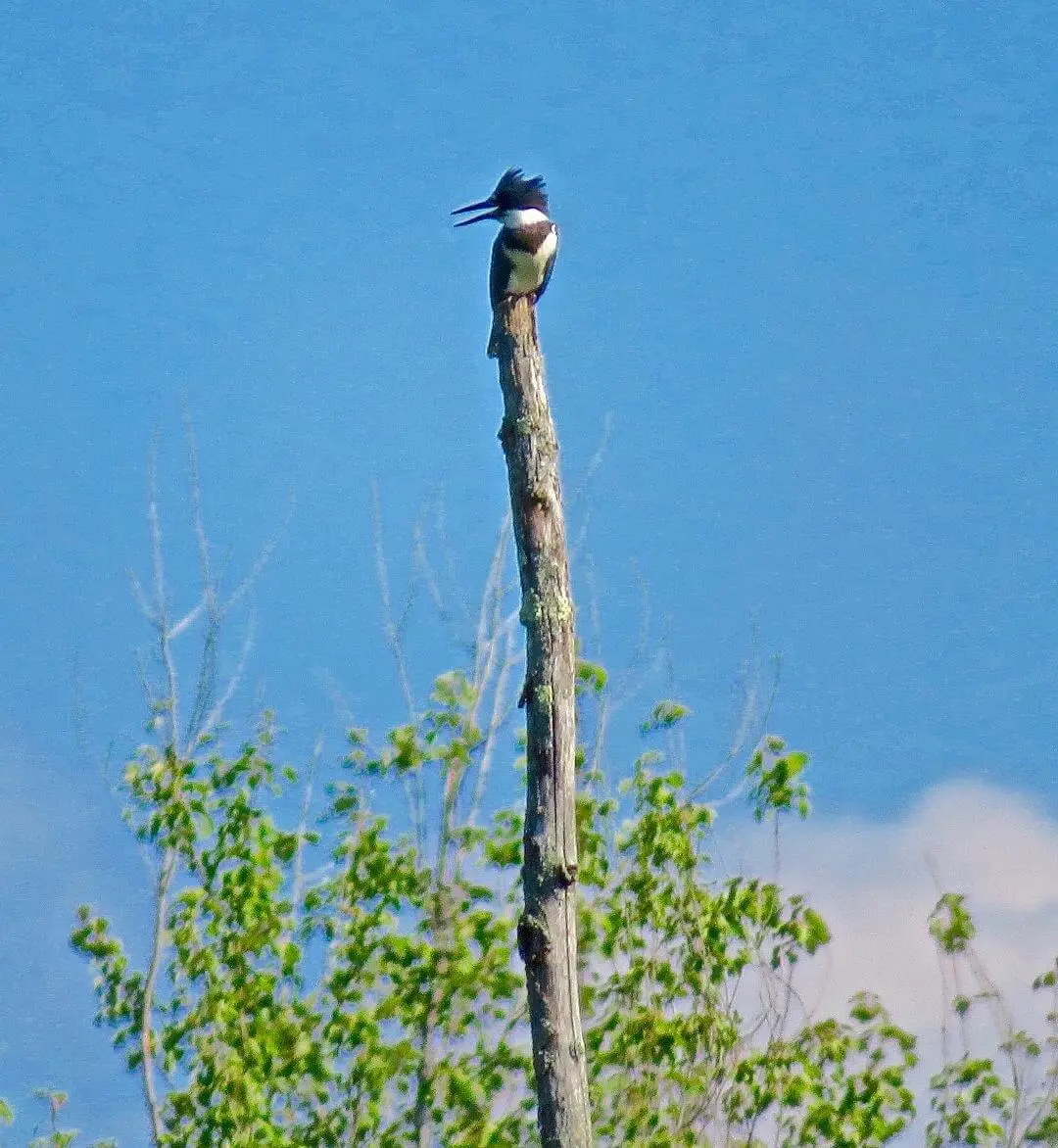

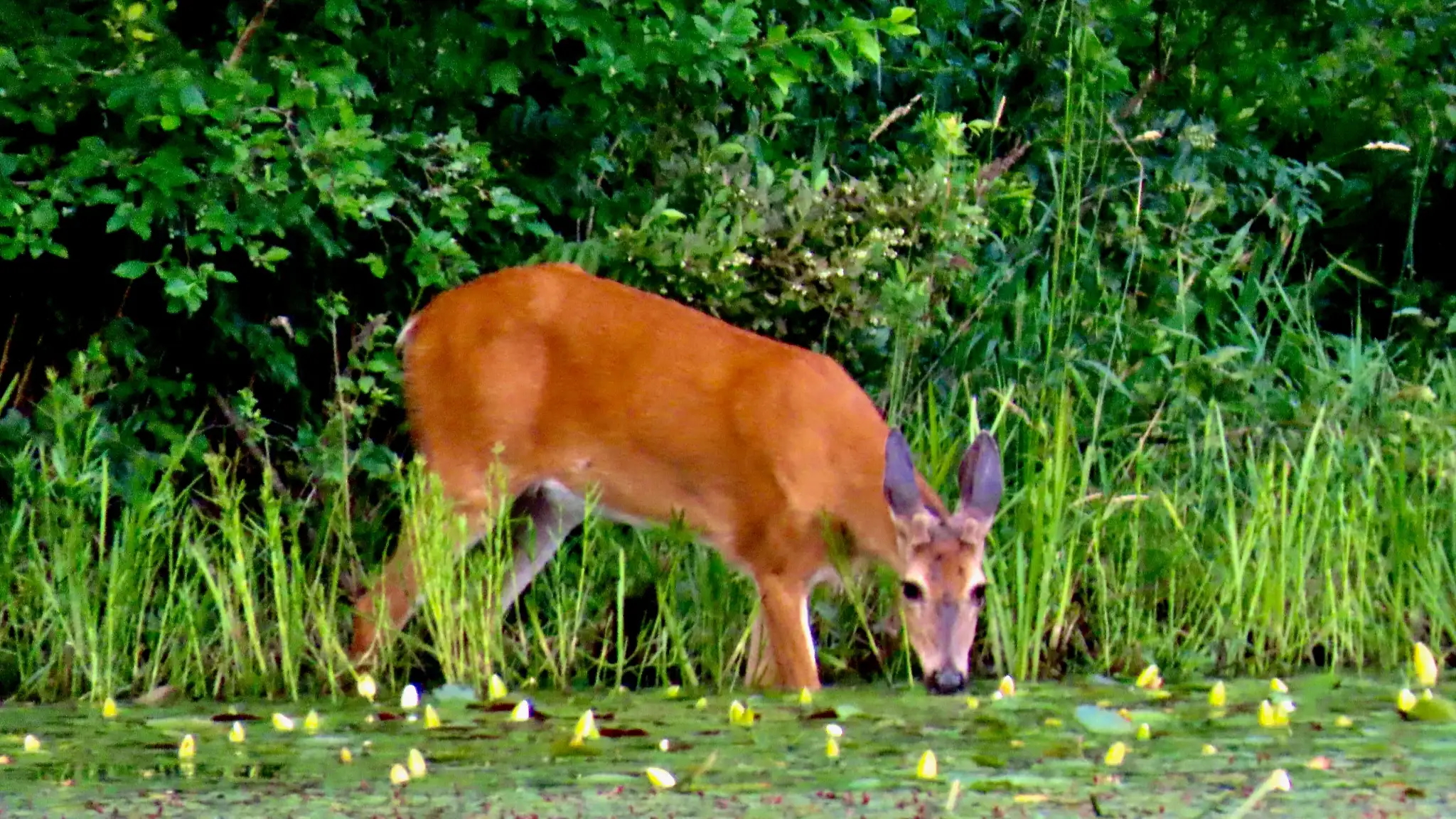

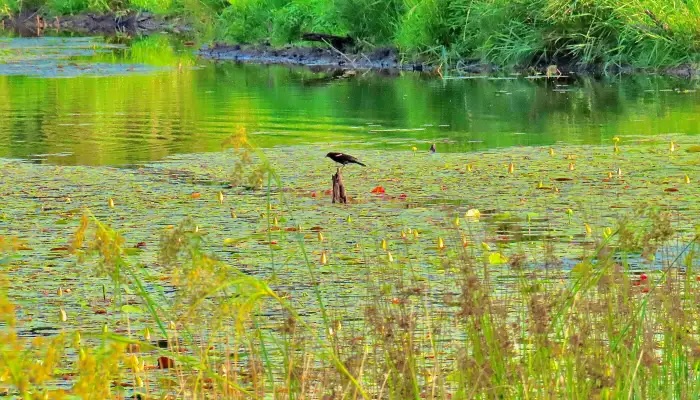

You can find more information about beavers in Massachusetts here. I also recommend Ben Goldfarb’s Eager:The Surprising, Secret Life of Beavers and Why They Matter. He sums up his book in this way:
“Beaver Pledge: One river, underground, irreplaceable, with habitat and wetlands for all.”

The Visitors Center at Wachusett Meadow Wildlife Sanctuary provides ample opportunities for accessible views of nature.

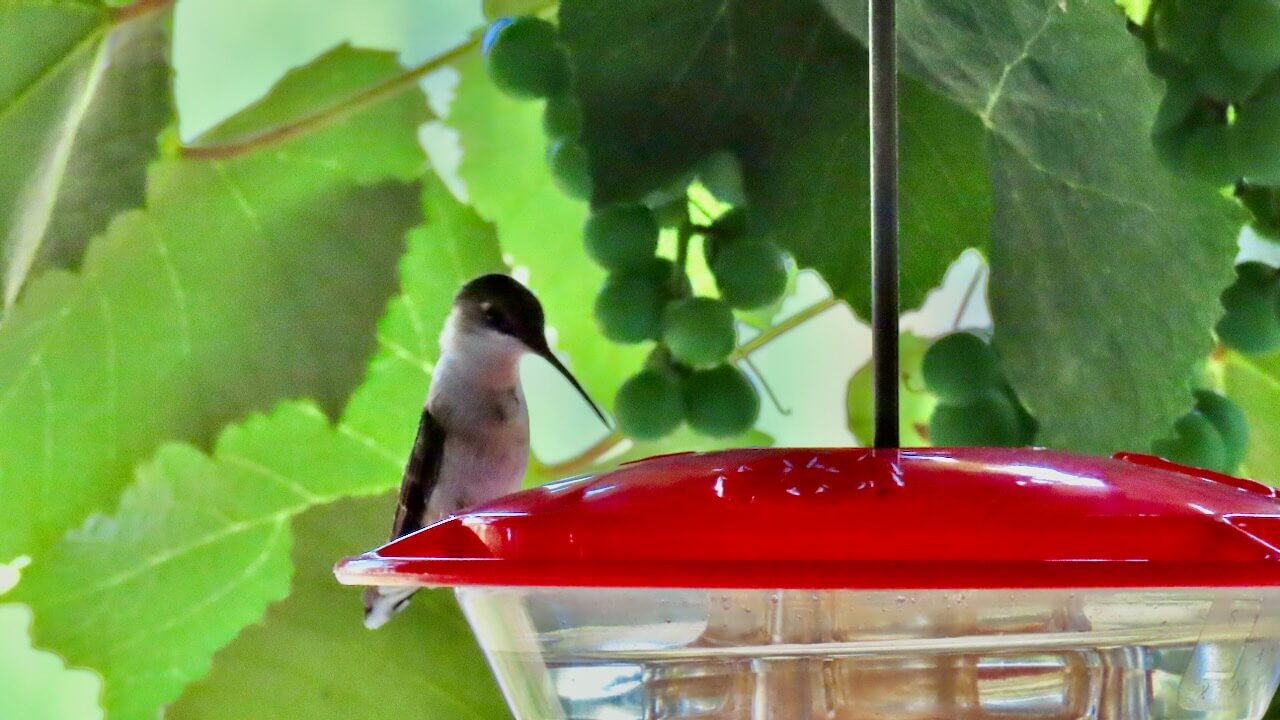
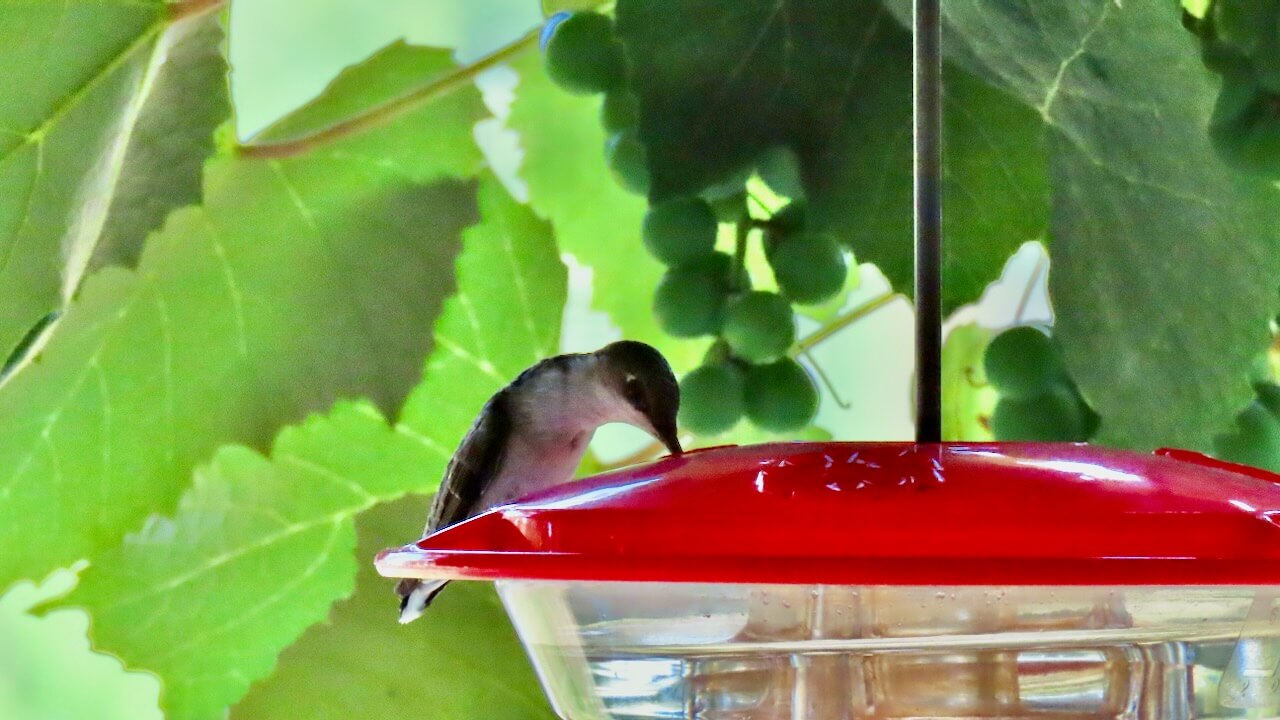
Relax on the porch to view grapes, hummingbirds and the South Meadow.

From your seat, the grape leaves above provide both cool shade and a view of the meadow beyond.
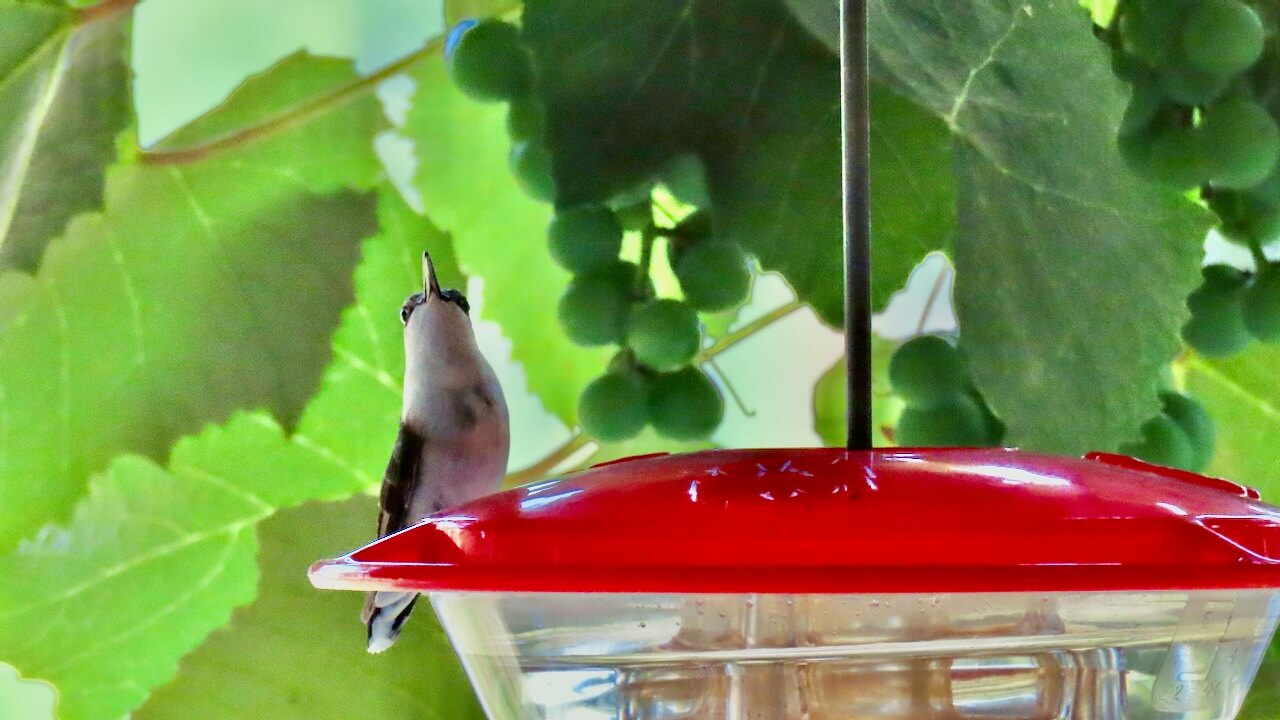
Hummingbird feeders hang just a few feet from you, near the grape vines.

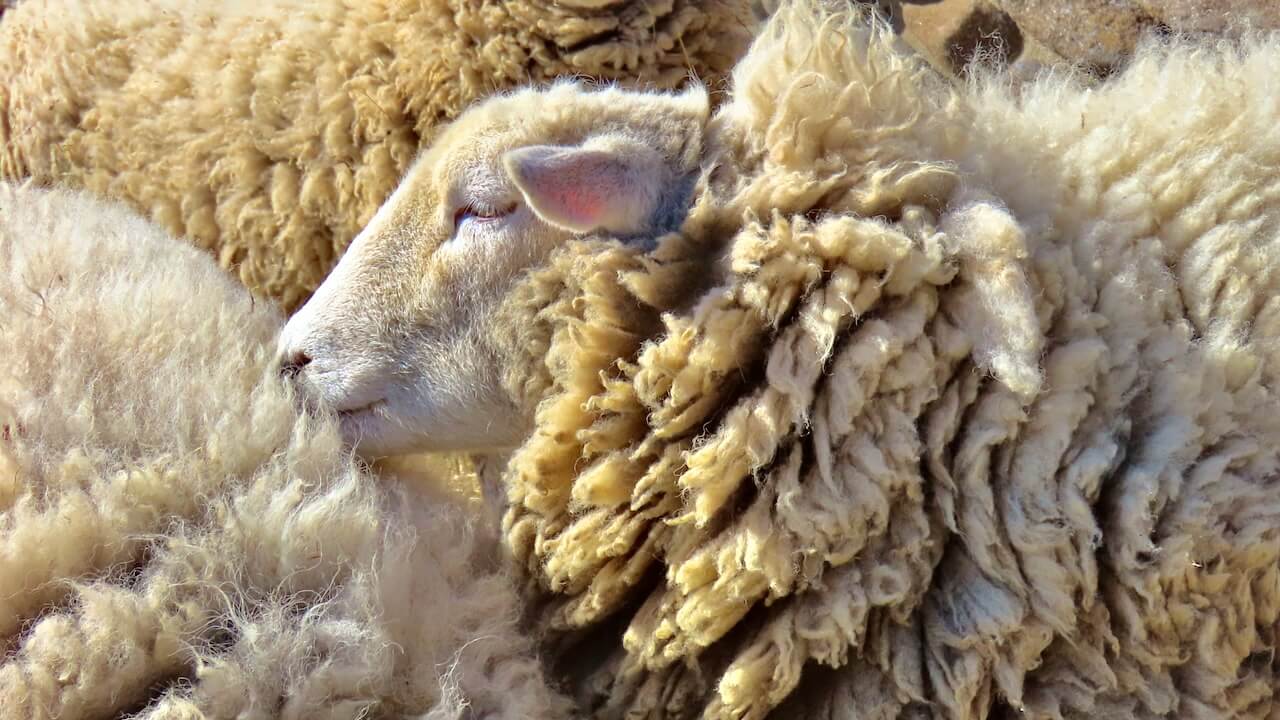
Just to the left of the parking lot, stone walls lend a shady spot at the edge of the sheep pen.

The friendly sheep will often come to you, and allow you to pat them.

From the pen, traditional wooden fencing and movable fencing allow the sheep to graze a variety of pastures. You can also view the beaver wetlands beyond.

Another accessible trail leads directly from the Visitors Center to open views of the North Meadow. The Meadow sign is also written in Braille underneath the English, and is linked to an audio tour for the visually impaired. In the ever-changing meadow, you might view any of the flora and fauna below:


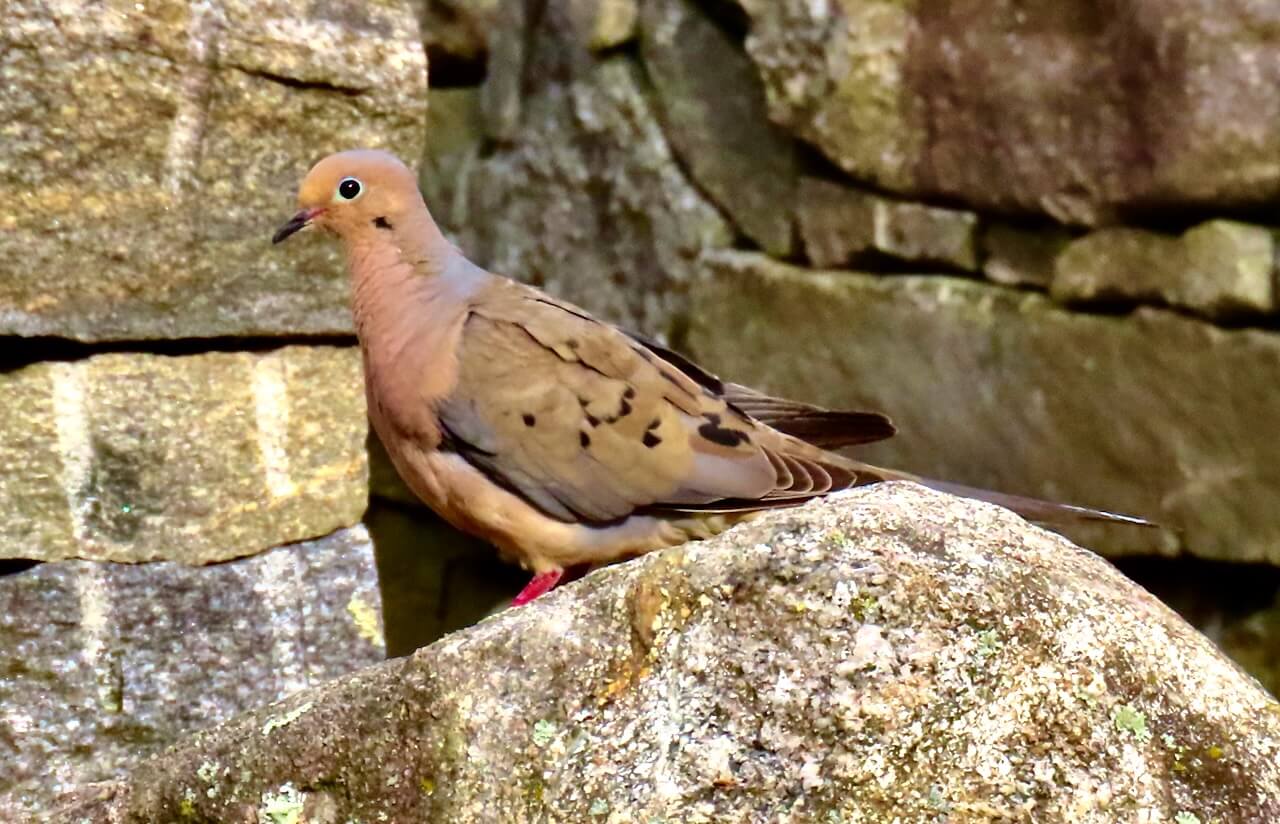
Mourning Dove



Tree Cookies are cross section slices of tree trunks, like these at Mass Audubon Wachusett Meadow. They are used to learn about a tree’s age, growth and history by studying its growth rings. (Video clip at end.)


Recently, tree stumps and cookies were used in the design of a new bird feeding area.


the eastern gray squirrel,

the white-breasted nuthatch,

and the downy woodpecker.

Bon appetit!
Click on post title and scroll down to view comments and related posts.

A “raft” of ducks is a collective noun for a group of ducks who gather together as they float on the water. A “paddling” of ducks describes how a group moves across lakes, ponds or rivers with synchronized , graceful movements. I look forward to the March arrival of hooded mergansers at Wachusett Meadow Wildlife Center soon, whether they are rafting or paddling.

This raft of hooded mergansers are diving ducks that have a serrated bill designed for catching fish. Along with other mergansers, they are the only North American ducks specializing in eating fish. They are excellent divers, and can go as deep as thirty feet.

The male hooded merganser looks like this when relaxing…

or can raise and lower a large fan-like crest or “hood” on his head like this. The crest is raised during courting or when then duck feels threatened.

Two male Mergansers with crests down…


The crest is sometimes described as a “punk rock hairstyle”.

Male mergansers have intense, bright yellow eyes while the females’ are brown or reddish-brown. Their eyes are specially adapted to allow them to see clearly while fishing underwater.

It can be difficult to photograph hooded mergansers, as they are shy and paddle fast. They are sensitive to sound and movement, and move away quickly when approached. I’ll be waiting -quietly -to photograph whatever fleeting moments are possible.


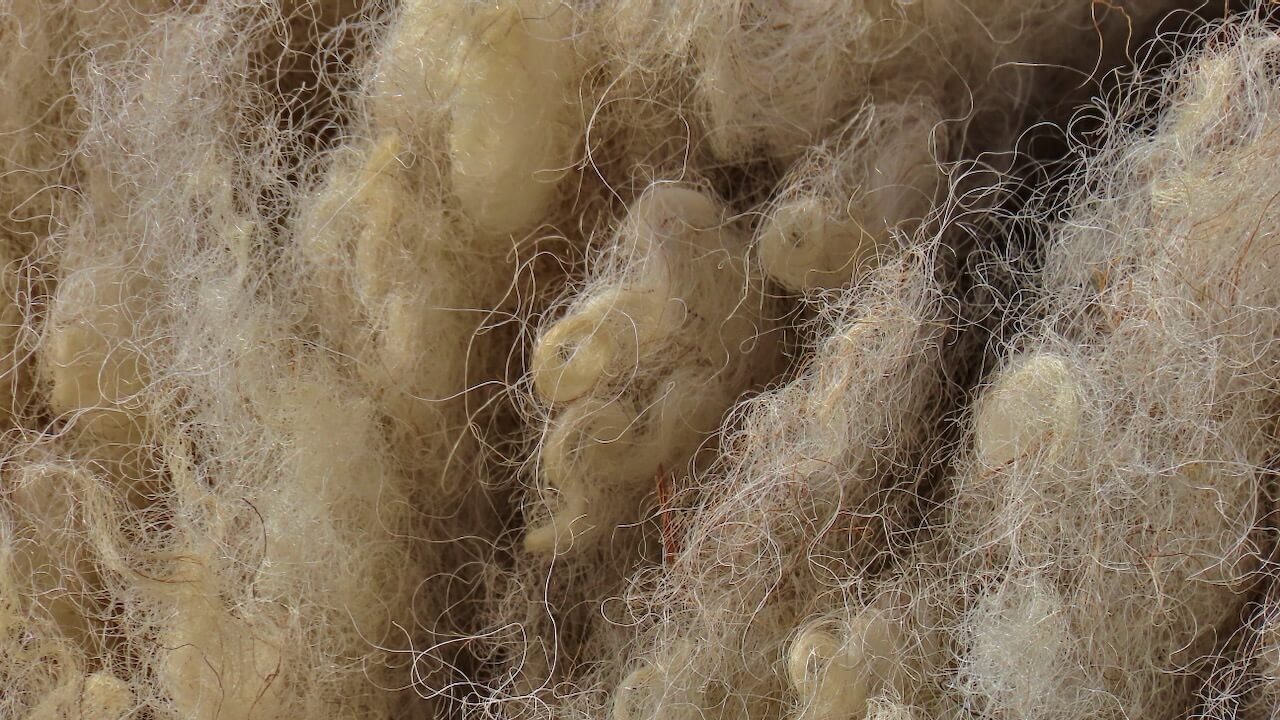
Sheep at Wachusett Meadow Wildlife Sanctuary spend fall days on the go.

Visitors are greeted with this sign at the entrance.

I’ve watched this sheep and her friends

walking the stone wall,

choosing fresh tree leaves to munch on,

strolling through the Visitor’s Center entrance,

and posing for a painting.

Then there’s time for a bit of lawn grazing,


and a quick rub against the scratching post.

Dinner Awaits!

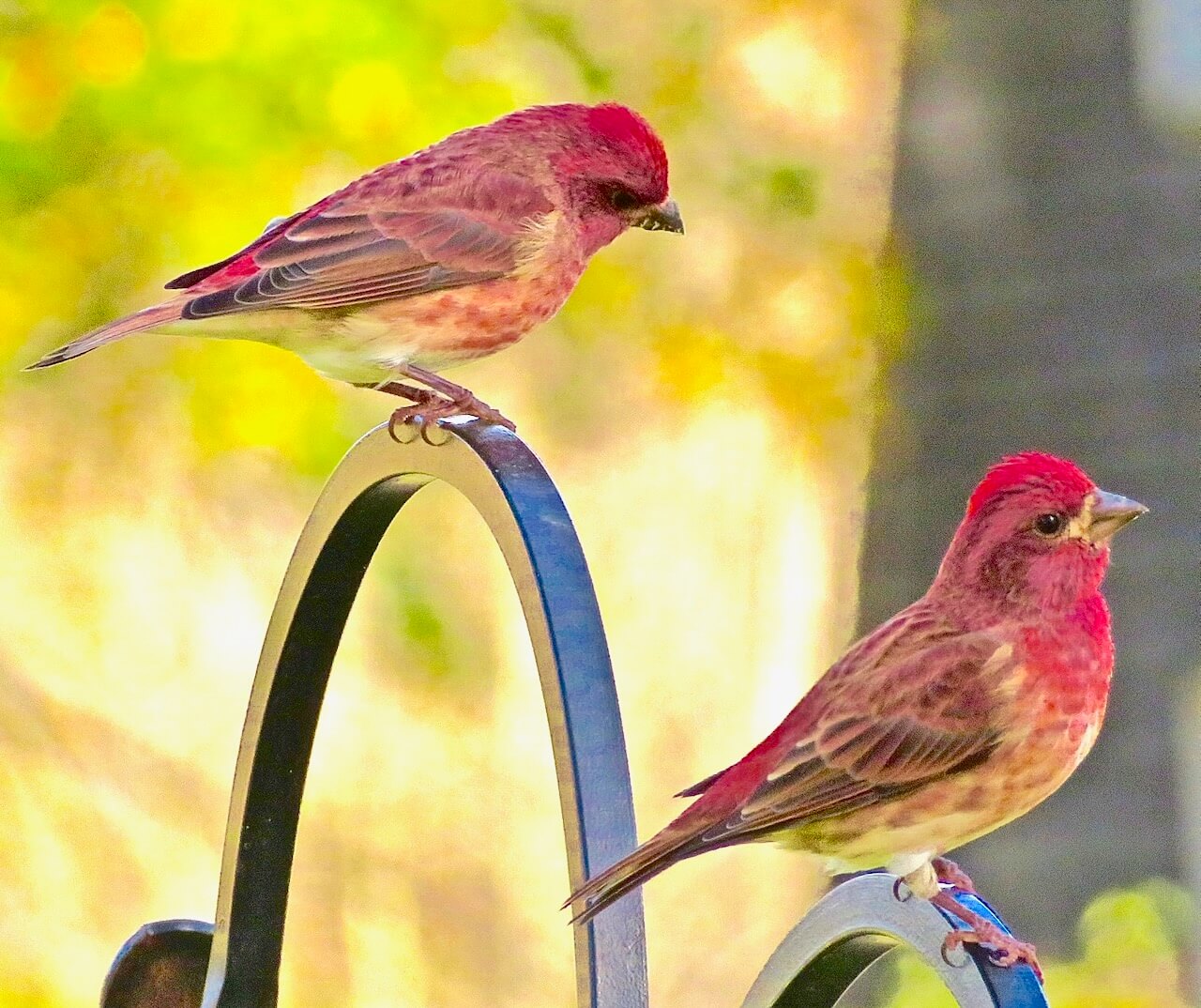
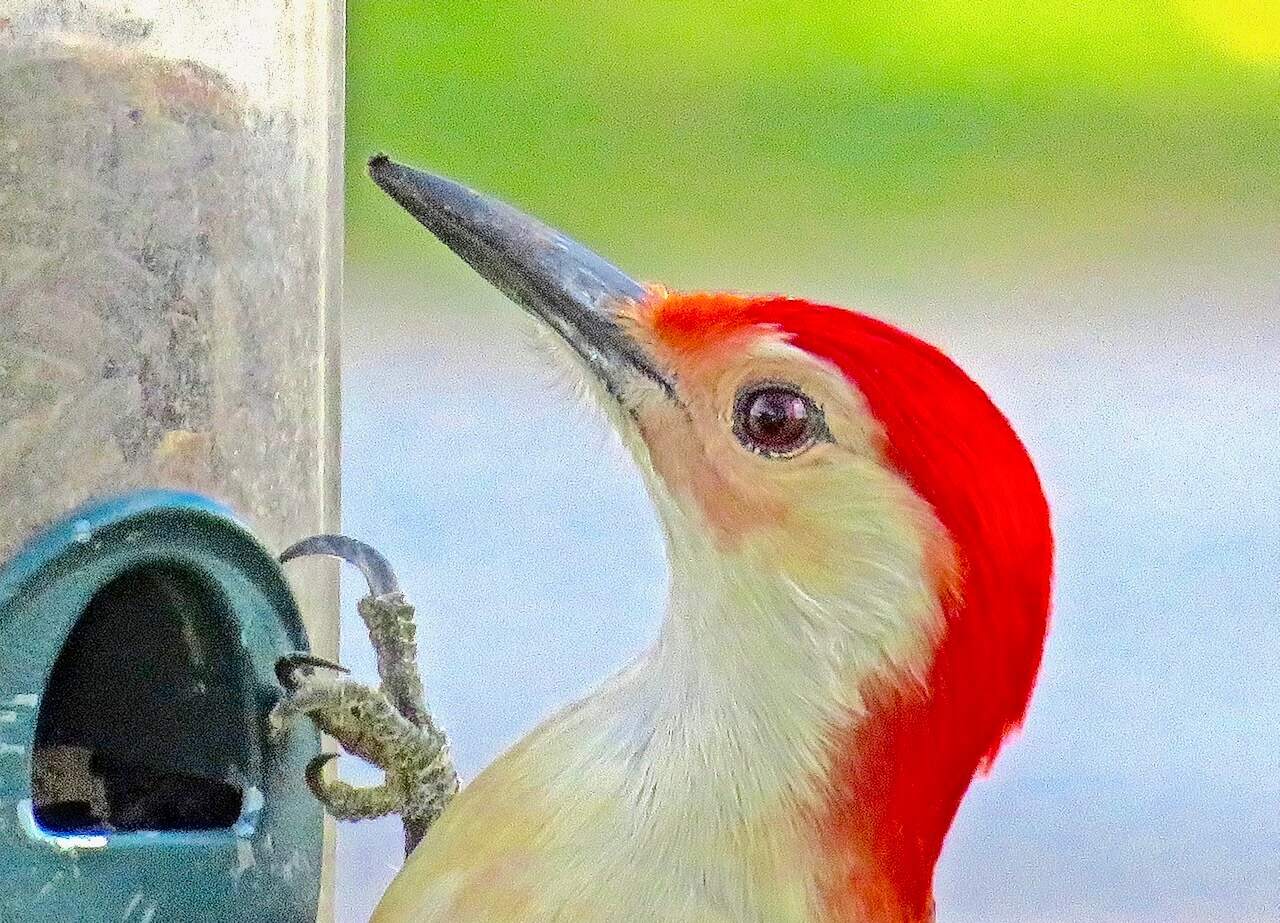
Diverse and energetic birds welcome visitors to Wachusett Meadow Wildlife Sanctuary. Feeders are placed just steps from the parking lot, allowing everyone to experience nature up close, no matter their mobility level.
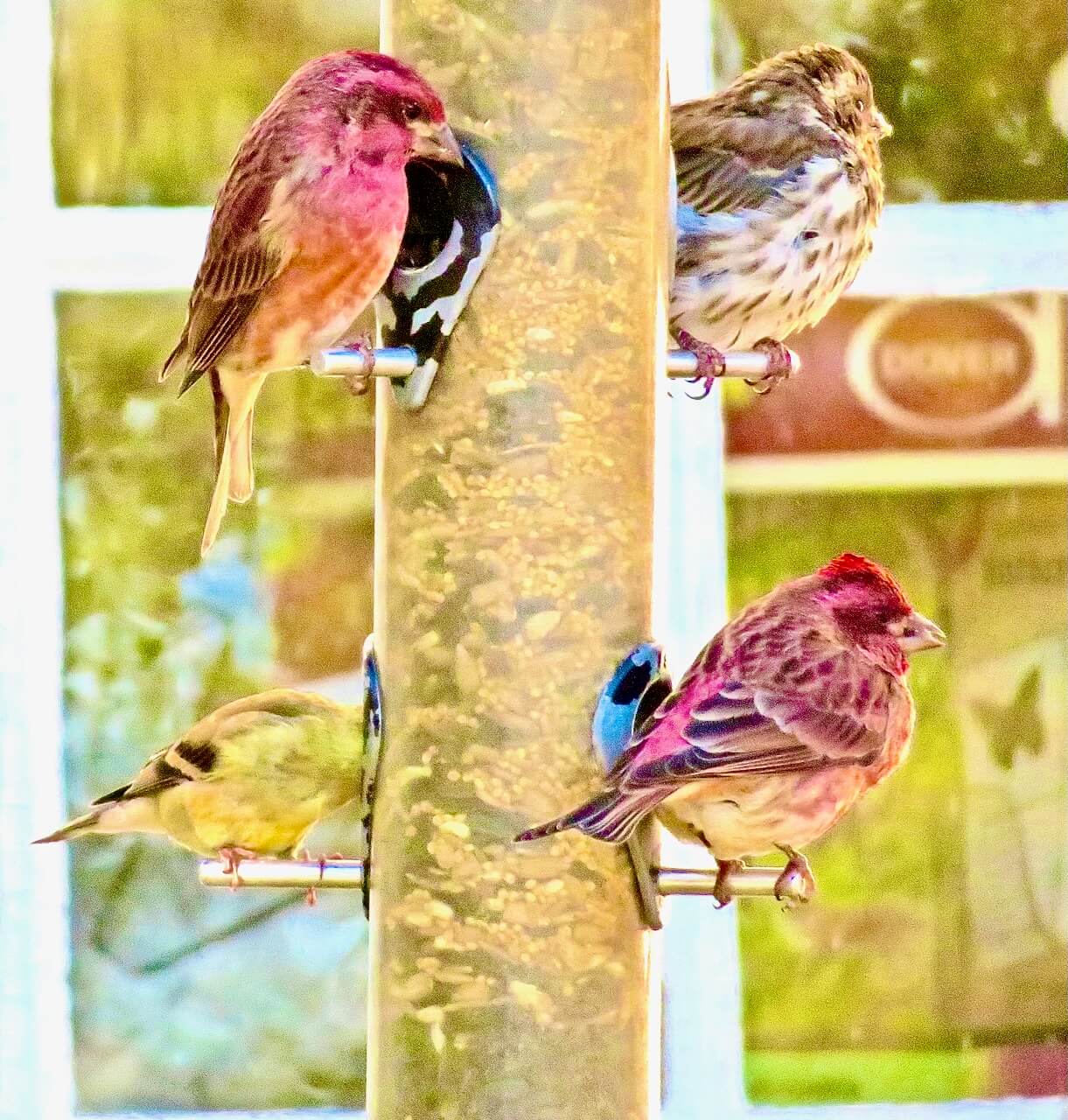
Purple Finches and a Goldfinch
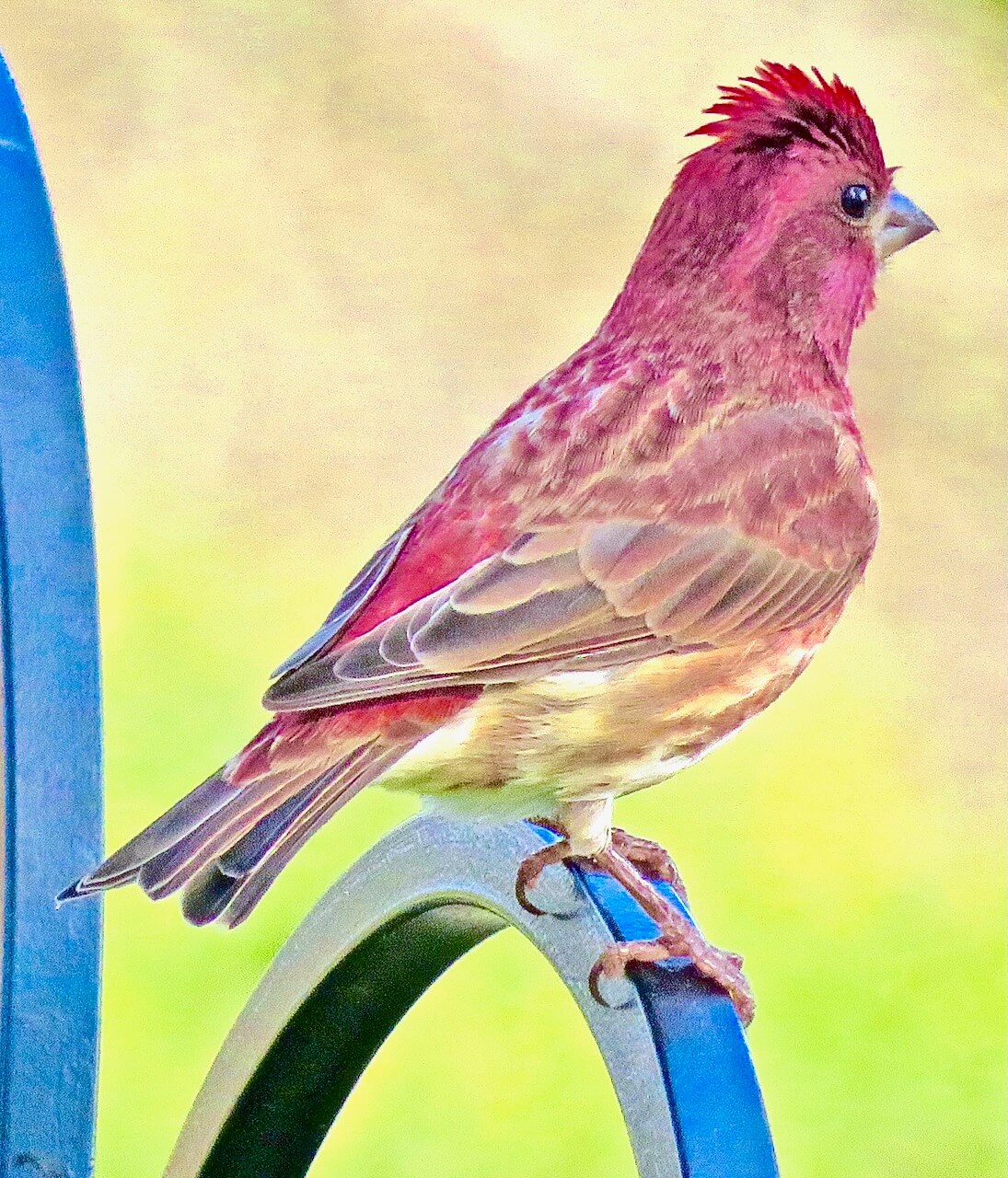
Male Purple Finch
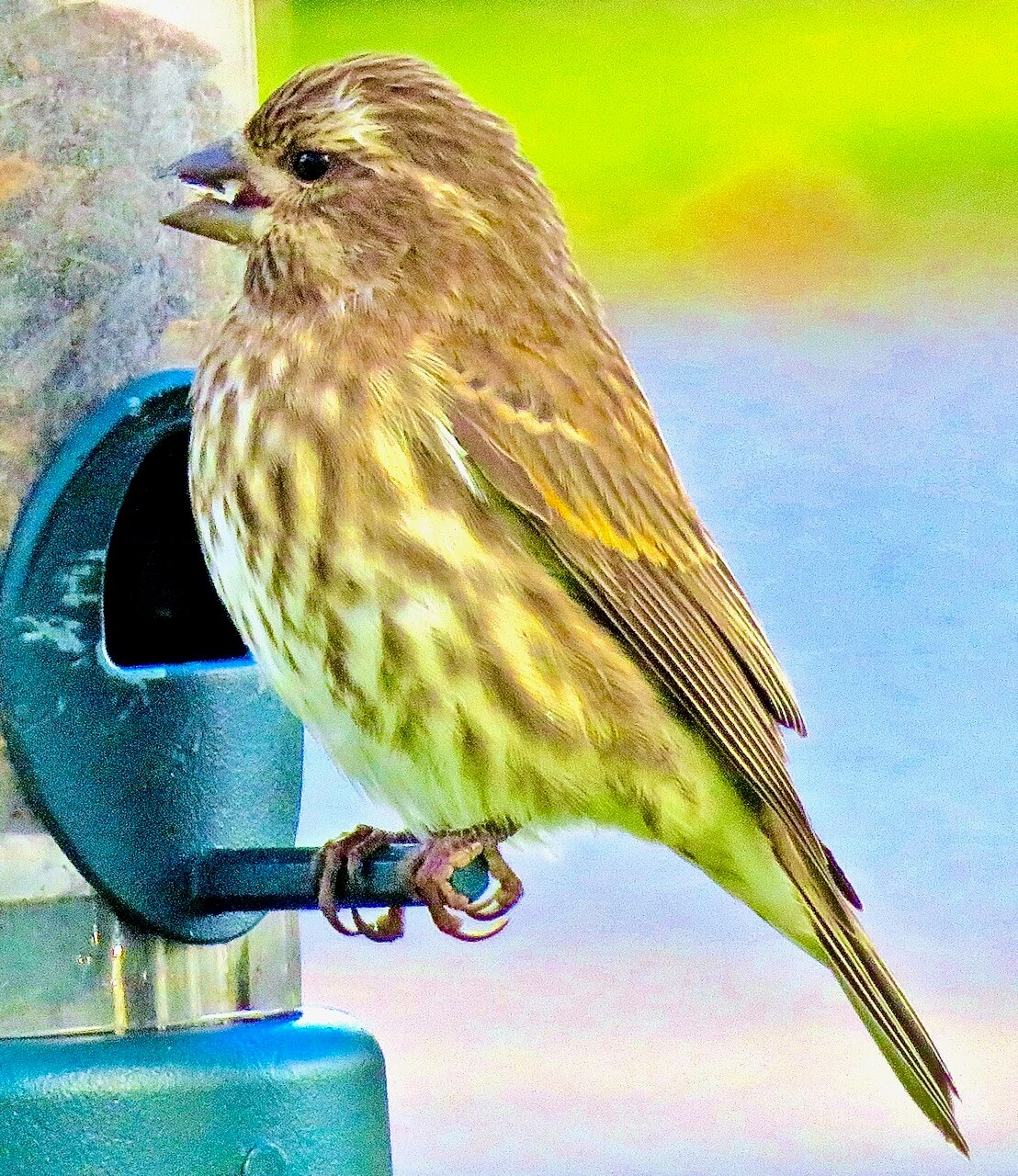
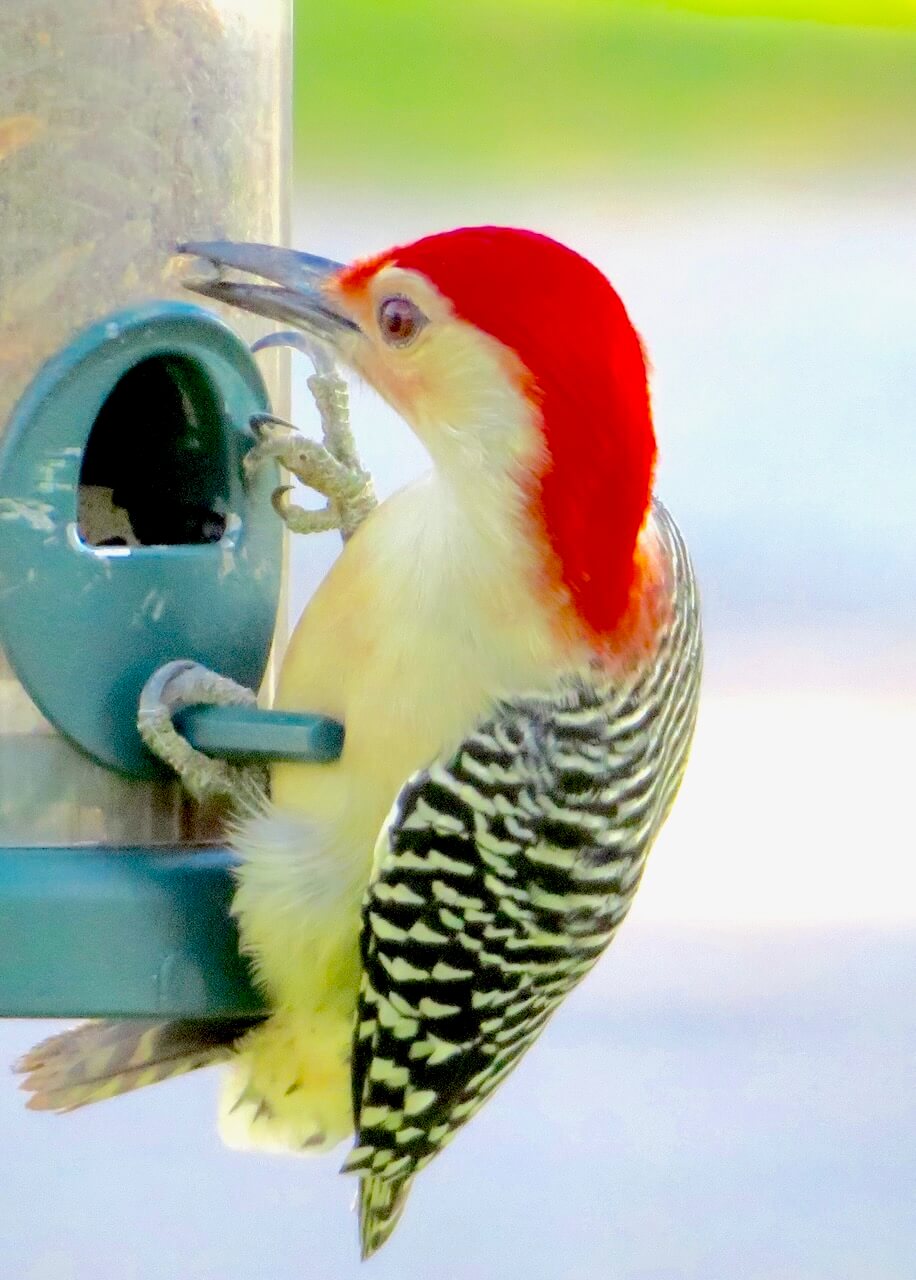
Red-bellied Woodpecker
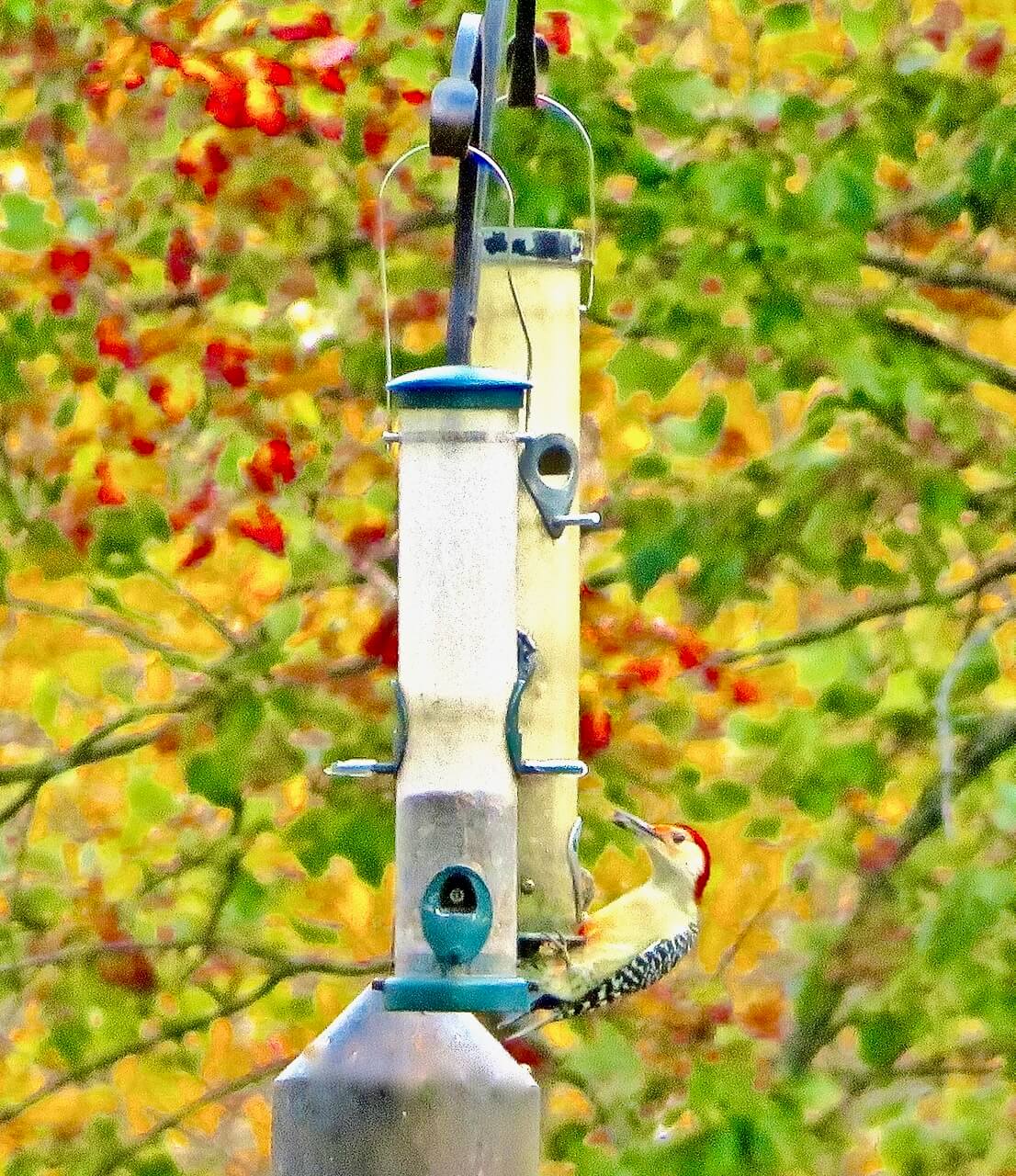
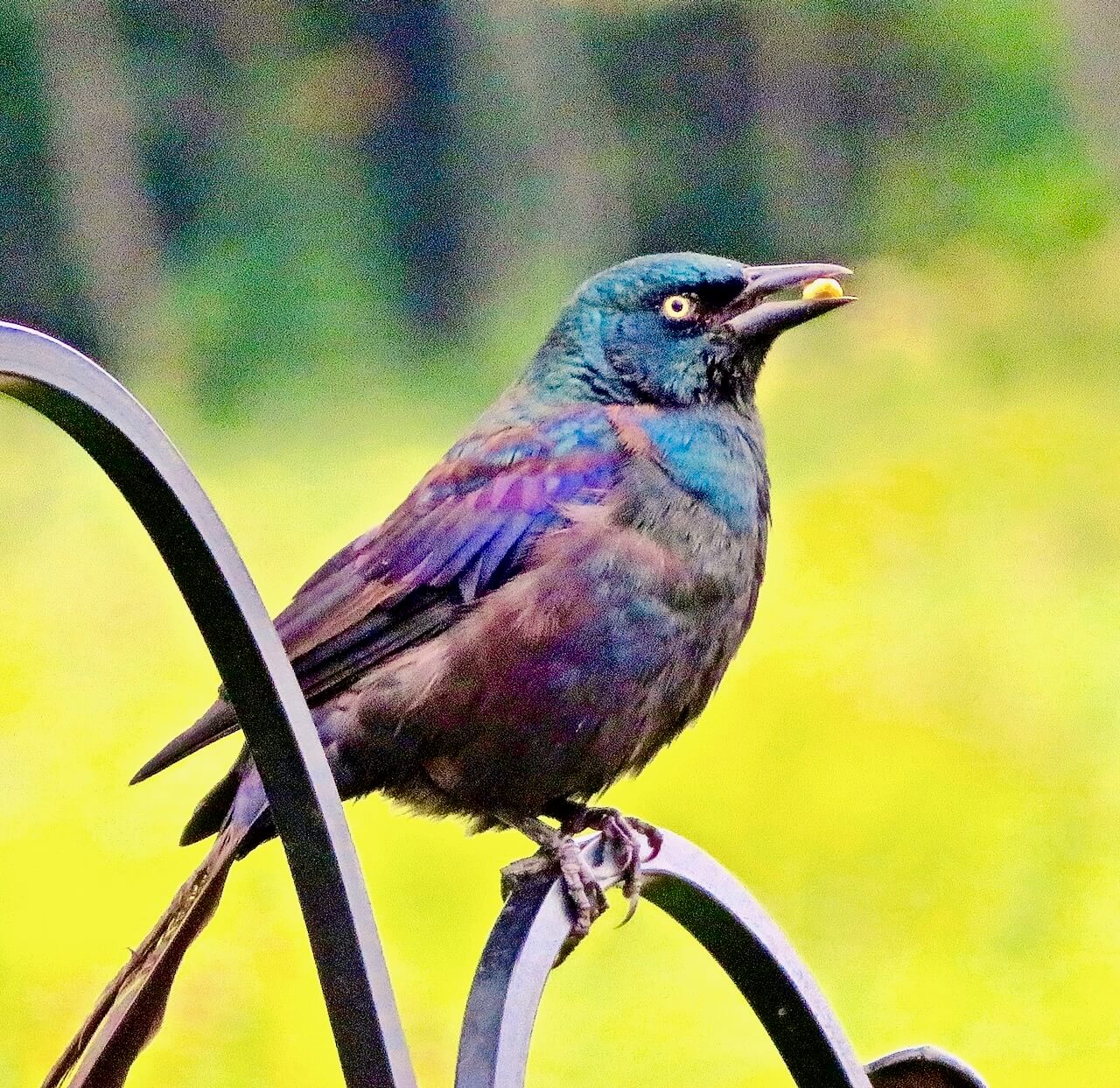
Grackle
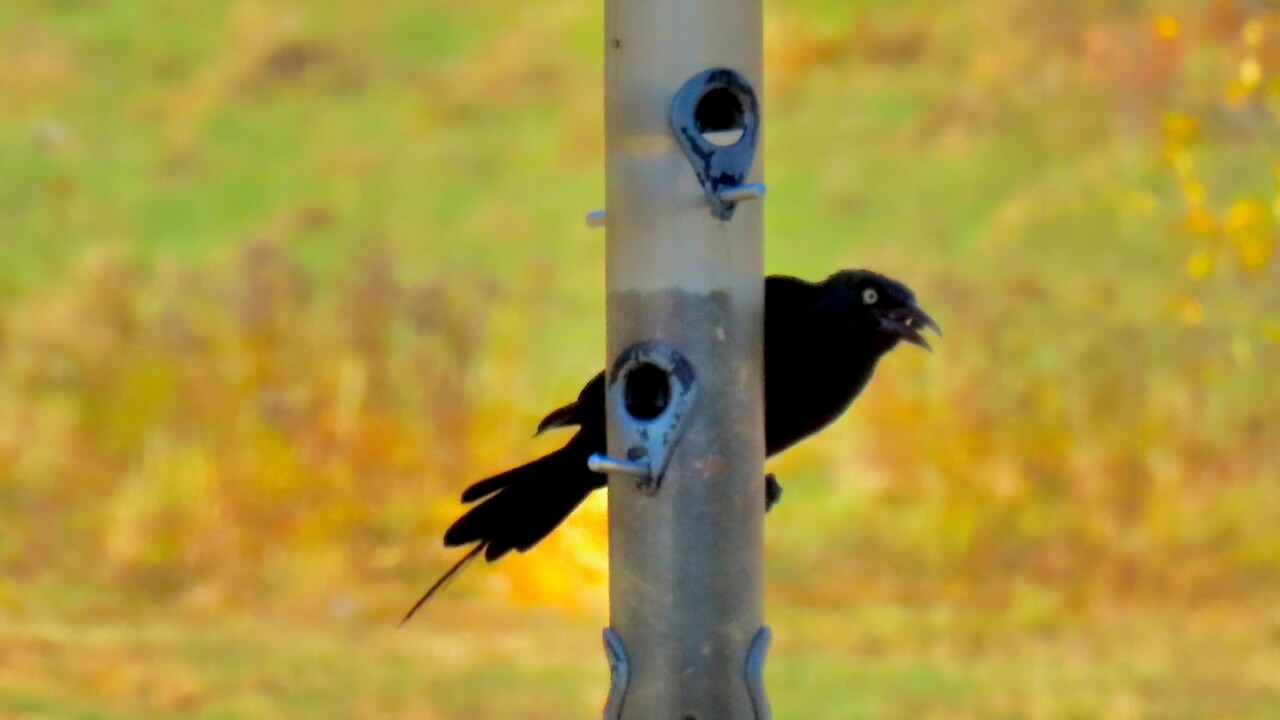


Evening Grosbeak

Northern Cardinal


Lilies and water bubbles form layers of frozen abstract patterns at Mass Audubon Wachusett Meadow Wildlife Sanctuary. These photos were taken during a recent blue hour.


Click on post title to view comments and related posts if they are not visible below.

No matter the season, this sturdy Northern Red Oak at Wachusett Meadow Wildlife Sanctuary invites visitors to explore the South Meadow. Alternatively, visitors may choose to simply rest on the bench beneath its wide branches.


Increased monarch butterfly activity is a sign of fall at Mass Audubon’s Wachusett Meadow Wildlife Sanctuary.


