Category: Seasons

Rafts and Paddlings

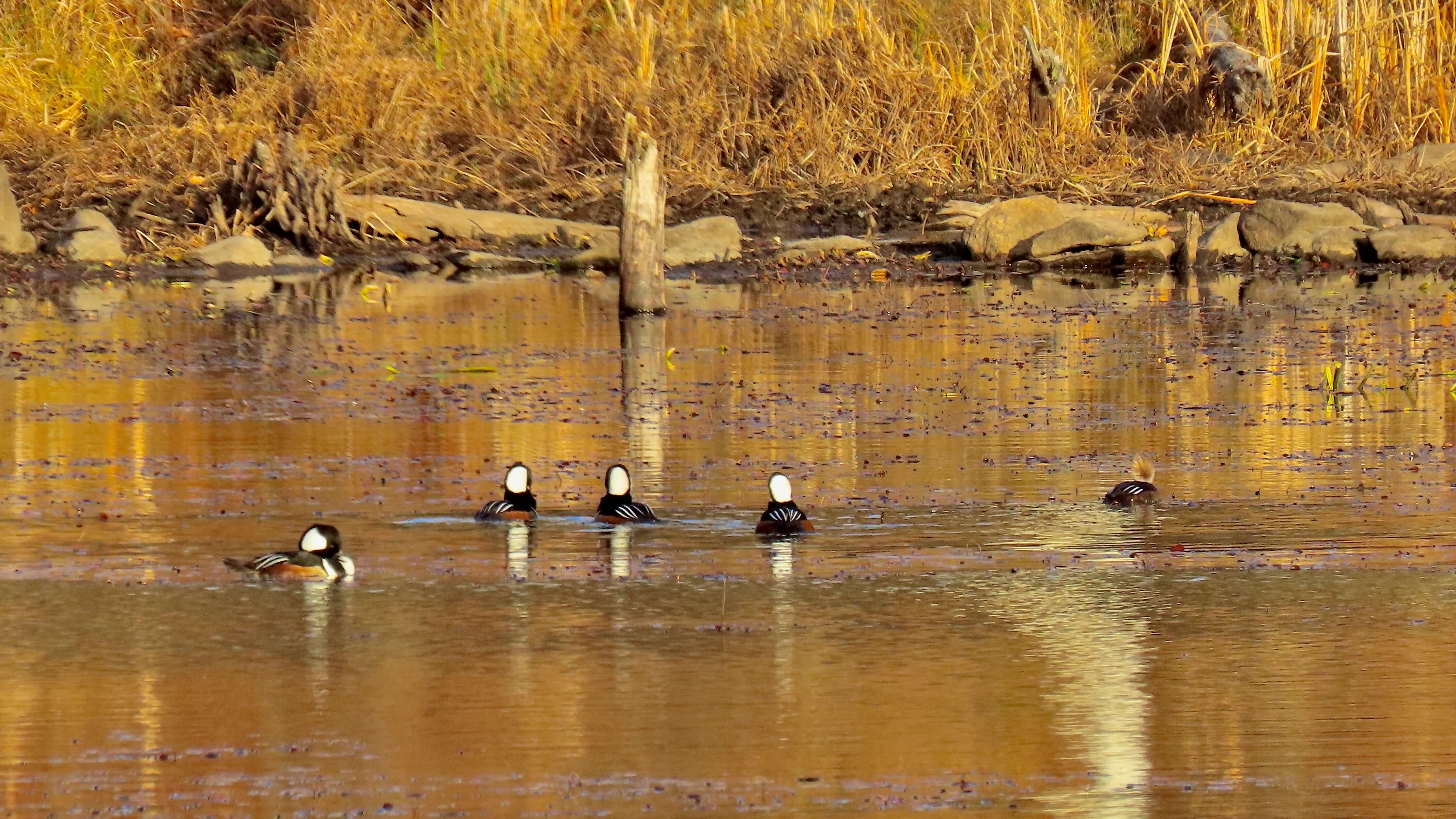
A “raft” of ducks is a collective noun for a group of ducks who gather together as they float on the water. A “paddling” of ducks describes how a group moves across lakes, ponds or rivers with synchronized , graceful movements. I look forward to the March arrival of hooded mergansers at Wachusett Meadow Wildlife Center soon, whether they are rafting or paddling.

This raft of hooded mergansers are diving ducks that have a serrated bill designed for catching fish. Along with other mergansers, they are the only North American ducks specializing in eating fish. They are excellent divers, and can go as deep as thirty feet.

The male hooded merganser looks like this when relaxing…

or can raise and lower a large fan-like crest or “hood” on his head like this. The crest is raised during courting or when then duck feels threatened.

Two male Mergansers with crests down…

and three paddling with crests raised.
This raft of female mergansers sports smaller crests of a cinnamon-brown shade.

The crest is sometimes described as a “punk rock hairstyle”.

Male mergansers have intense, bright yellow eyes while the females’ are brown or reddish-brown. Their eyes are specially adapted to allow them to see clearly while fishing underwater.

It can be difficult to photograph hooded mergansers, as they are shy and paddle fast. They are sensitive to sound and movement, and move away quickly when approached. I’ll be waiting -quietly -to photograph whatever fleeting moments are possible.

Bluebird Stopover

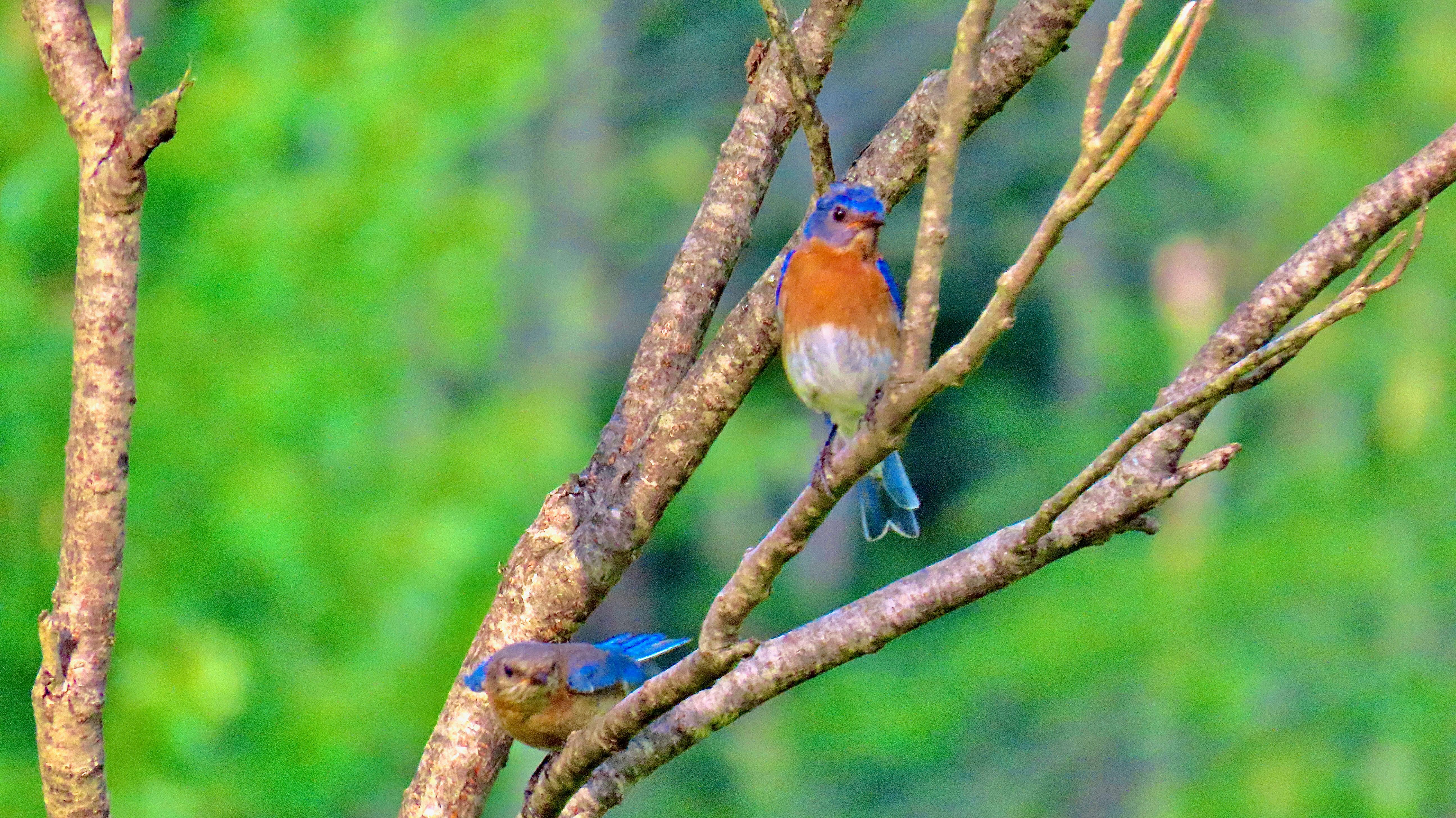
A pair of Eastern Bluebirds brightened up my snowy yard on a gray morning. The specially designed bluebird house installed for them has an opening of exactly 1.5 inches in diameter to ensure that larger birds cannot nest there. Although bluebirds often visit, and occasionally start to build a nest, they never stay through the whole season. After territorial skirmishes sparrows win out. Fingers crossed for this spring!

Holden, MA

Shinshin

“Shinshin” is a Japanese term for the deep silence of a fresh snowfall, or the “sound of no sound” as soft snow absorbs sound. It evokes a sense of calm and stillness, and is a favored time for photographers and nature enthusiasts.

Holden, Massachusetts/ The Morning of January 19, 2026

Laurel is Hardy

The nearly 100 year old Mountain Laurel in my yard is still going strong.

Mountain Laurel is a common hardy evergreen in Central Massachusetts. It can withstand quite cold and snowy winters in the north of the United States.

The evergreen leaves of the Mountain Laurel offer excellent winter protection for birds. They give crucial shelter from wind and cold.
Diverse, abundant and large lichens are excellent natural indicators of clean air. They are effective because they absorb nutrients and pollutants directly from the air. Birds find insects and spiders hiding under tree lichens. These provide them with energy when other sources of food are scarce.
Mountain Laurel berries are not a favorite food of birds. However, they can provide nourishment when food supplies are limited, especially at the end of winter.

Birdbaths underneath the laurel are covered in black tarps. In the spring, they will be filled again. Fresh water will be offered under the laurel, in addition to the food and protection to be found there .

Click on post title to view comments and related posts if they are not visible below.

The Enchanting Blue Hour

Photographers love the “blue hour”, and I was lucky to capture this phenomenon on Solstice Evening. The blue hour is the period just before or just after the sunset. During this time, the landscape, including frozen ponds like this one, is bathed in deep blue light. In northern climates this phenomena often occurs in the colder months.

Wildlife Pond, Mass Audubon Wachusett Meadow

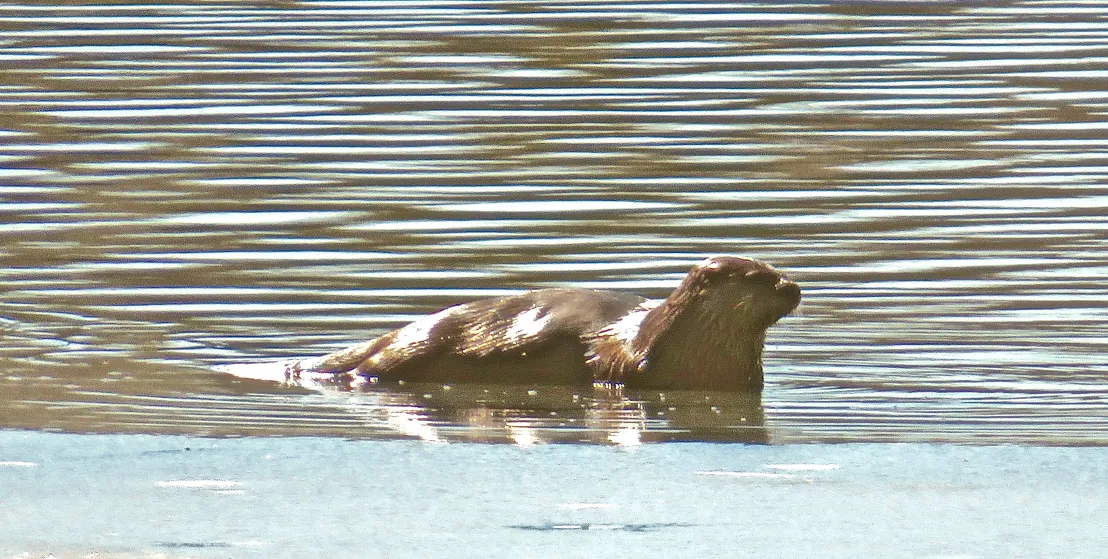
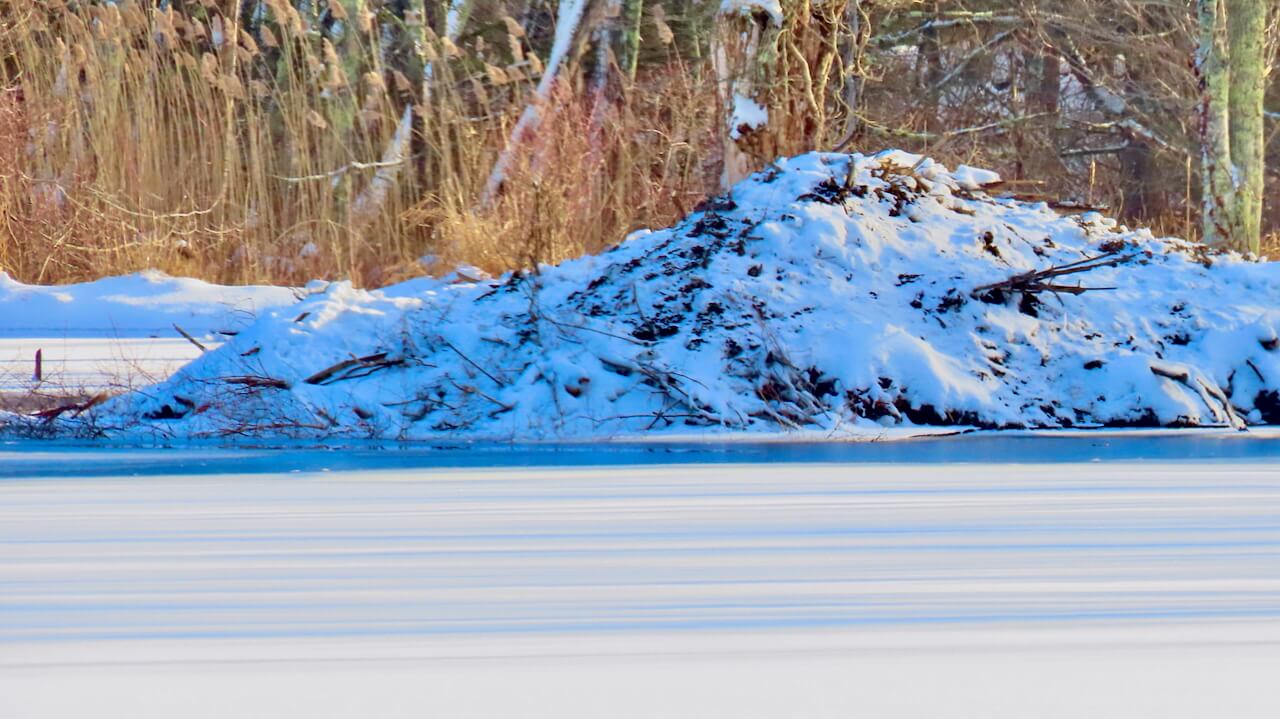
Beavers have kept a stream of water open. It leads to a water hole on the far left. They use this opening to crawl onto the ice.

A close up of the beaver’s hole. Notice the small sticks and branches left on top of the ice.

Currier and Ives Skies

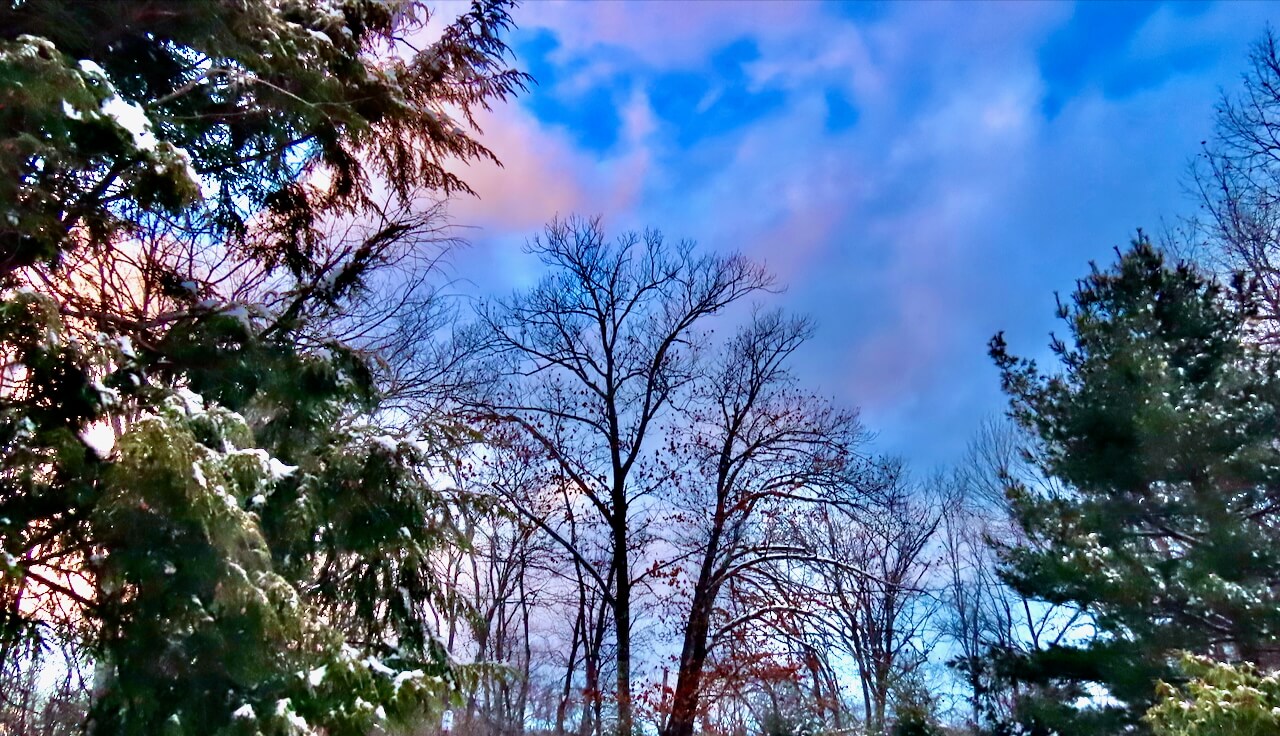
Currier & Ives produced popular lithographs depicting idyllic American winter scenes during the 19th century. These prints featured snow-covered New England towns, with skies of icy-blue or gray enhanced with subtle color shifts. Here are my “updated” Currier and Ives style selections from the most recent snowstorm here in Central Massachusetts.

Holden, Massachusetts

Winter Morning Currier and Ives/ Public Domain
Winter Pastime/ Currier and Ives/ Public Domain

It’s a Color Blast

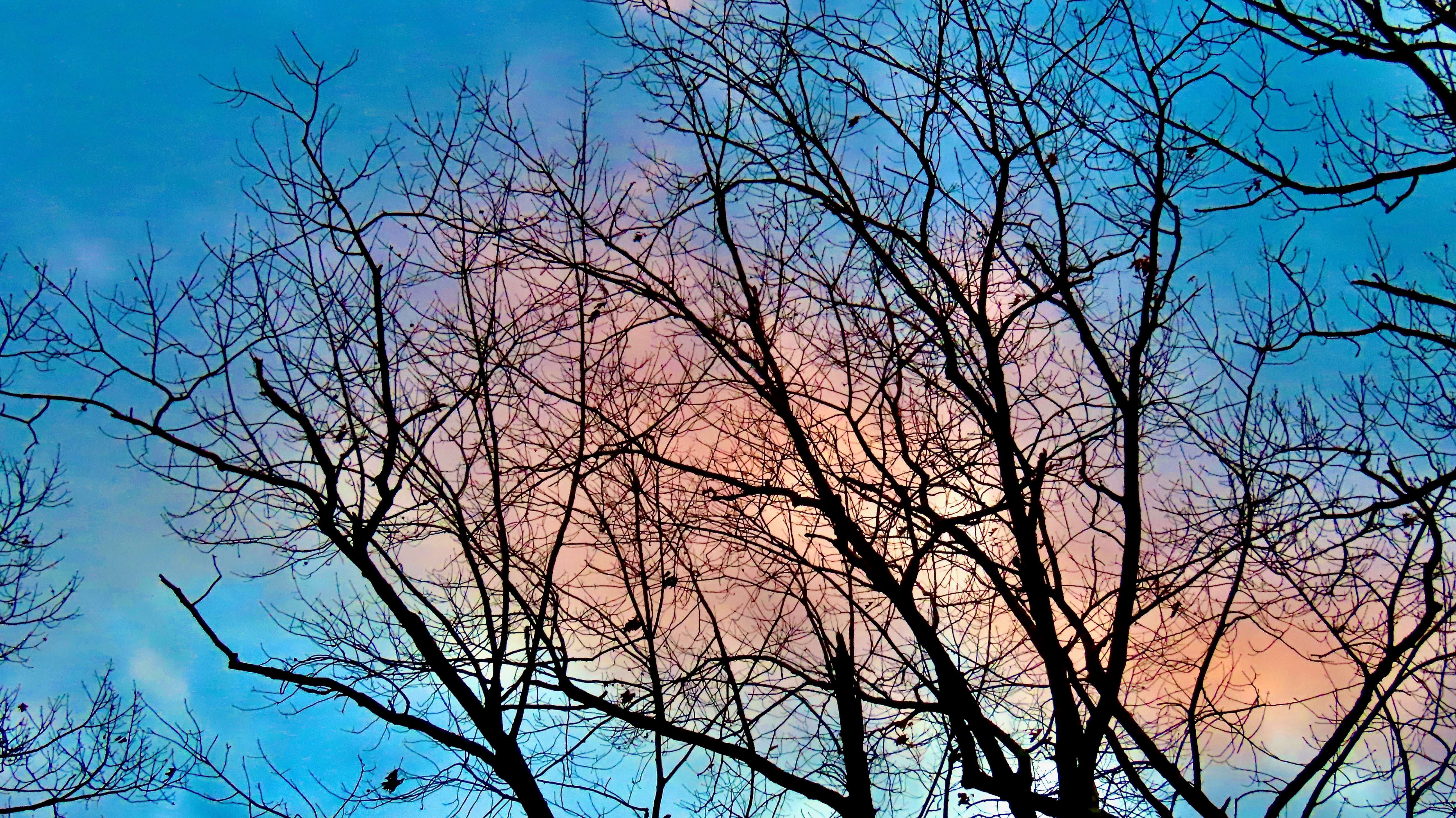
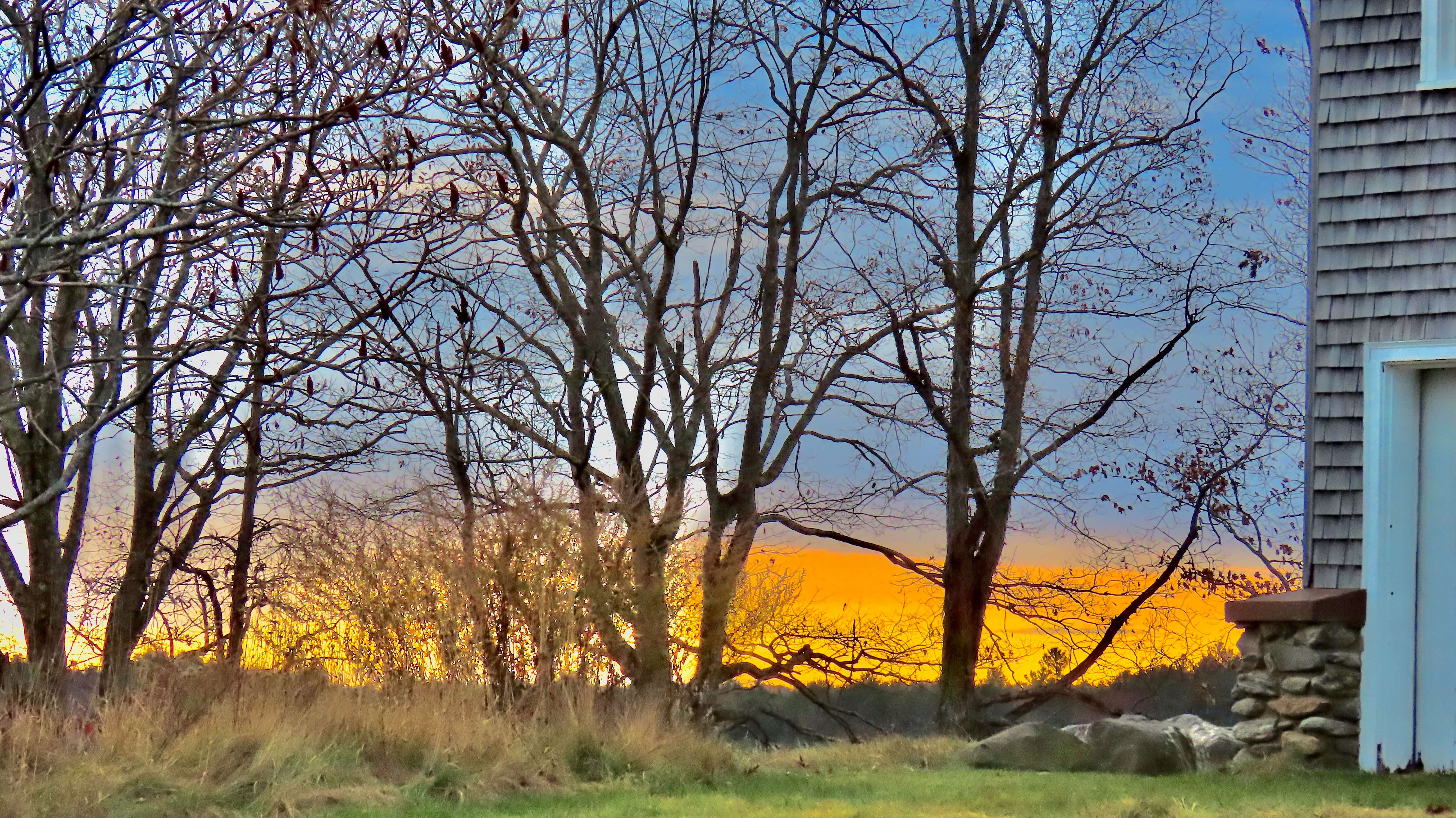
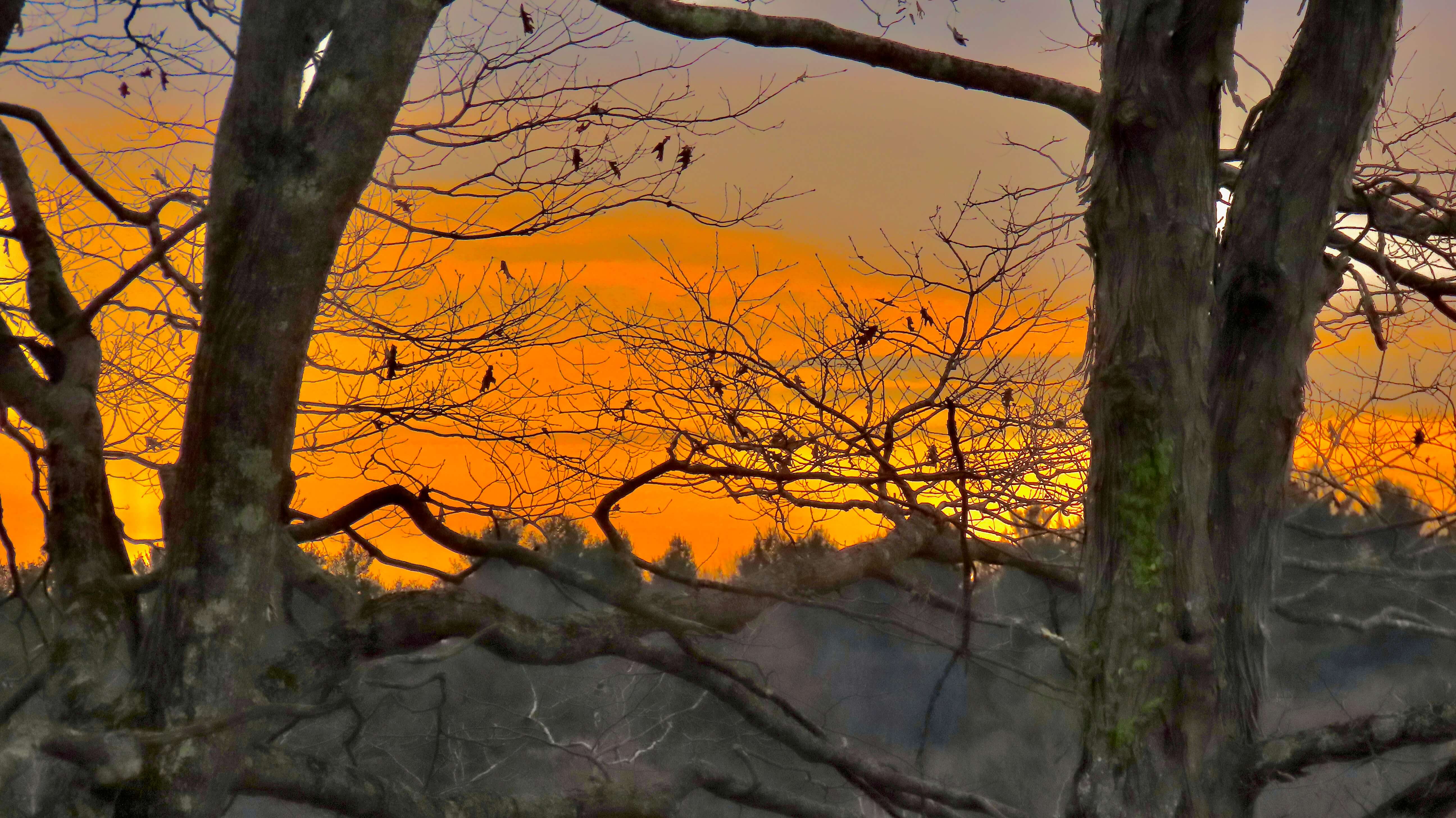
The Arctic Blast last evening delivered extraordinary, if fleeting, sunset colors that swirled around my rooftop. After the vivid colors faded, temperatures sunk to 6° F., the coldest of the season. Wind chills felt as low as -5°F. My blog’s title “From My Window” can be taken quite literally in this case.

Holden Massachusetts

Ice Breaker

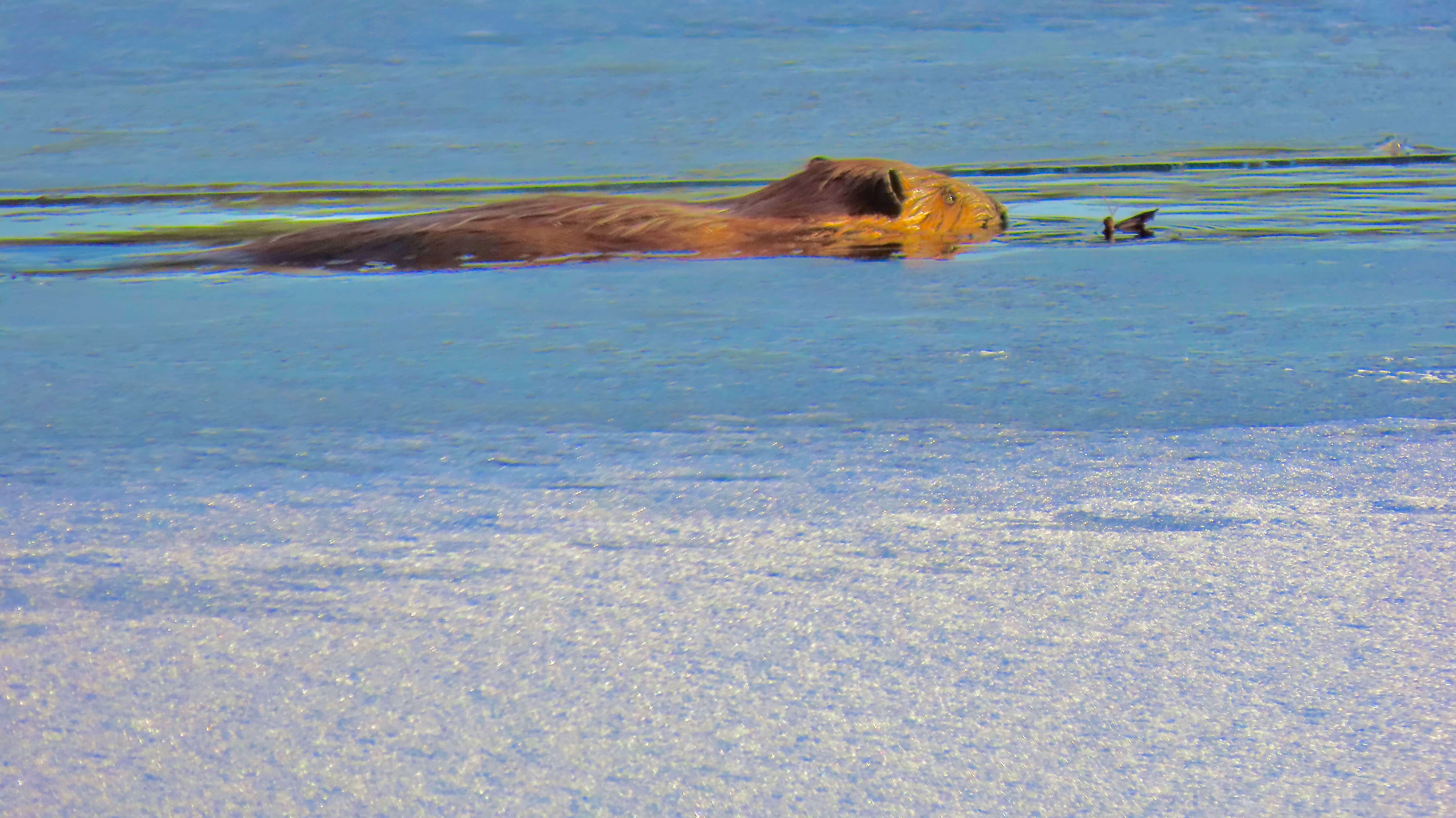
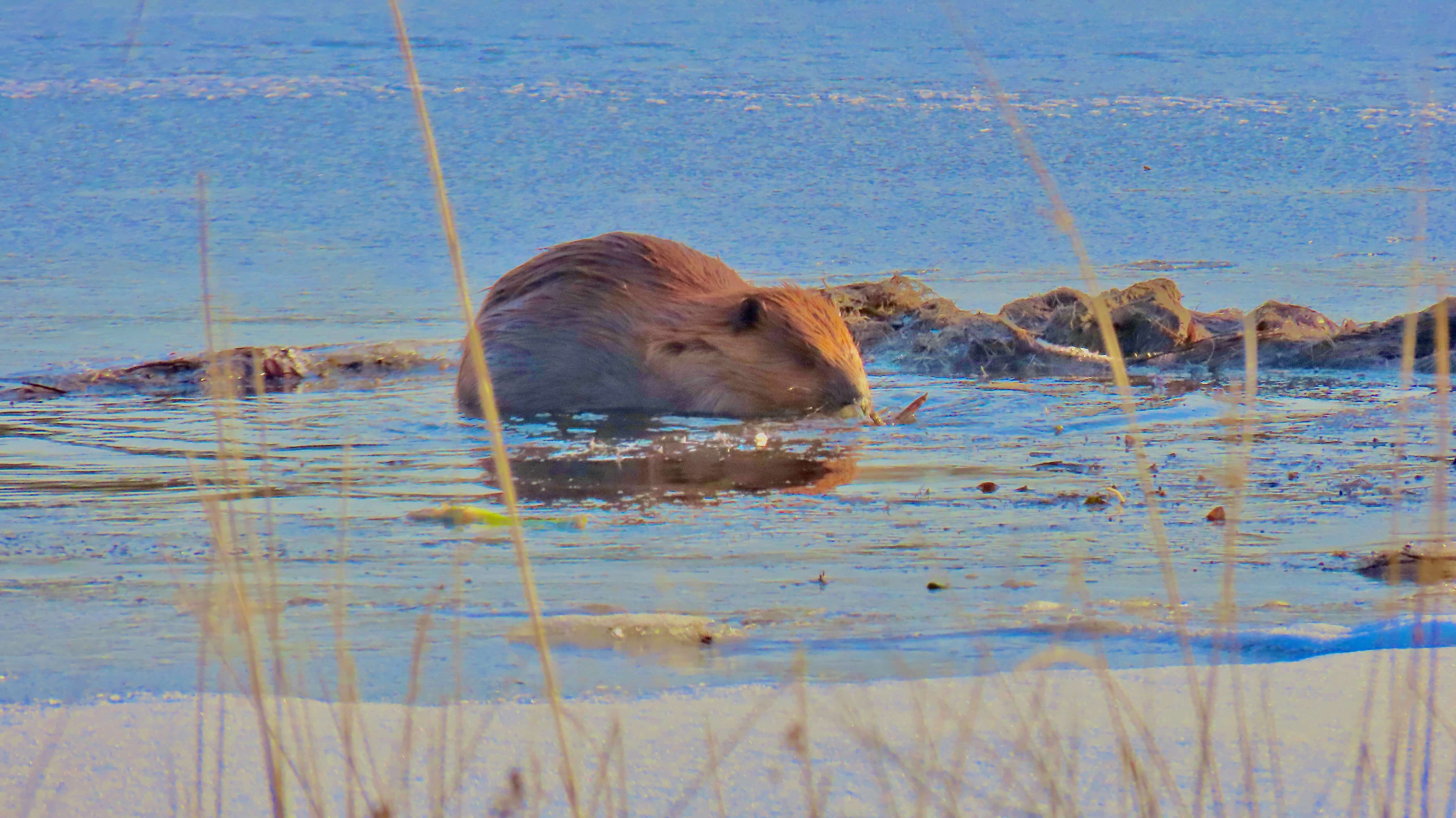
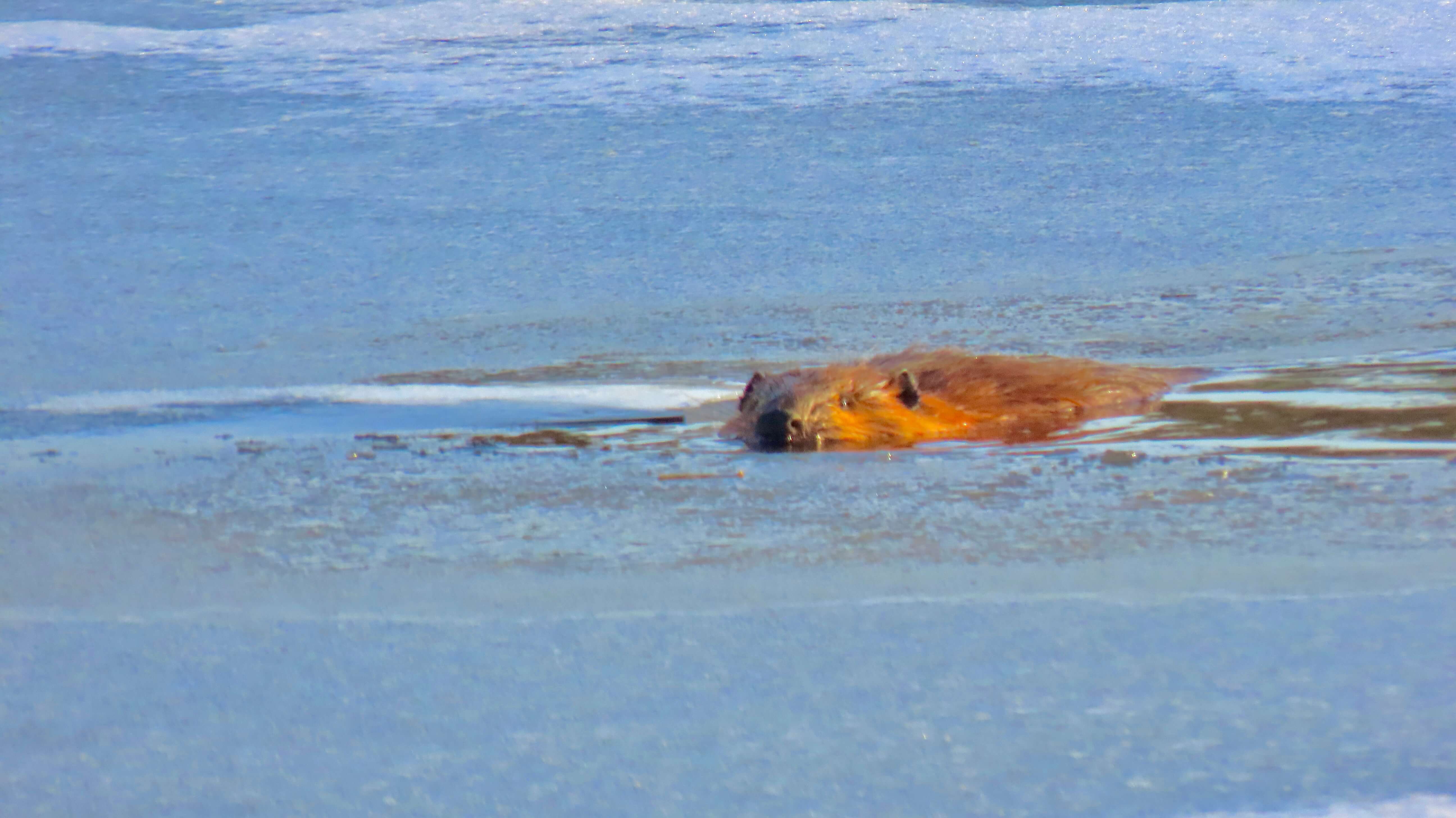
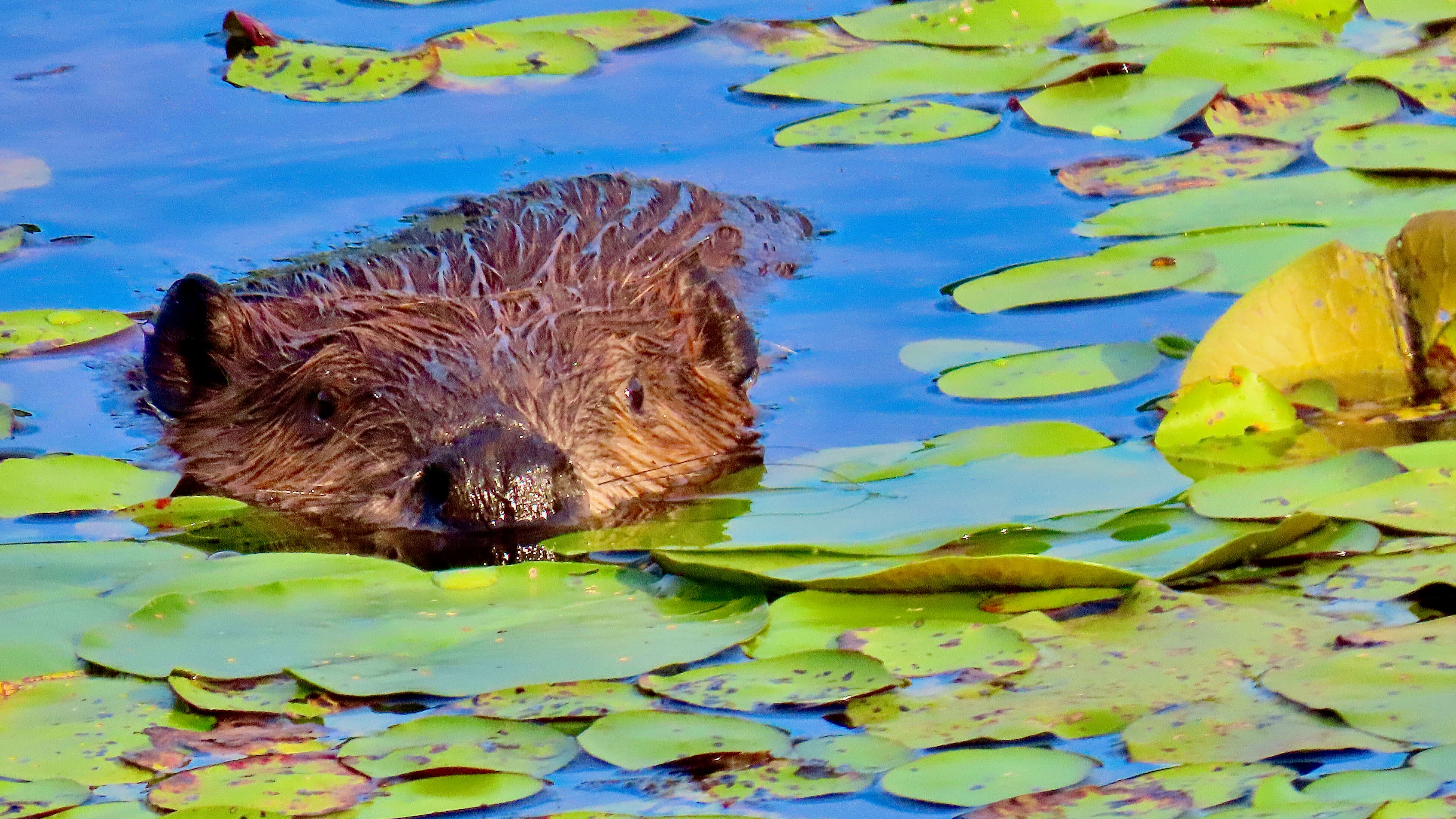
An icy pond at Wachusett Meadow Wildlife Sanctuary won’t stop this beaver from “going out for dinner”.
A beaver can break off large chunks of ice with its body, chew off smaller pieces, or swim underneath the ice to churn up warmer water from the bottom.
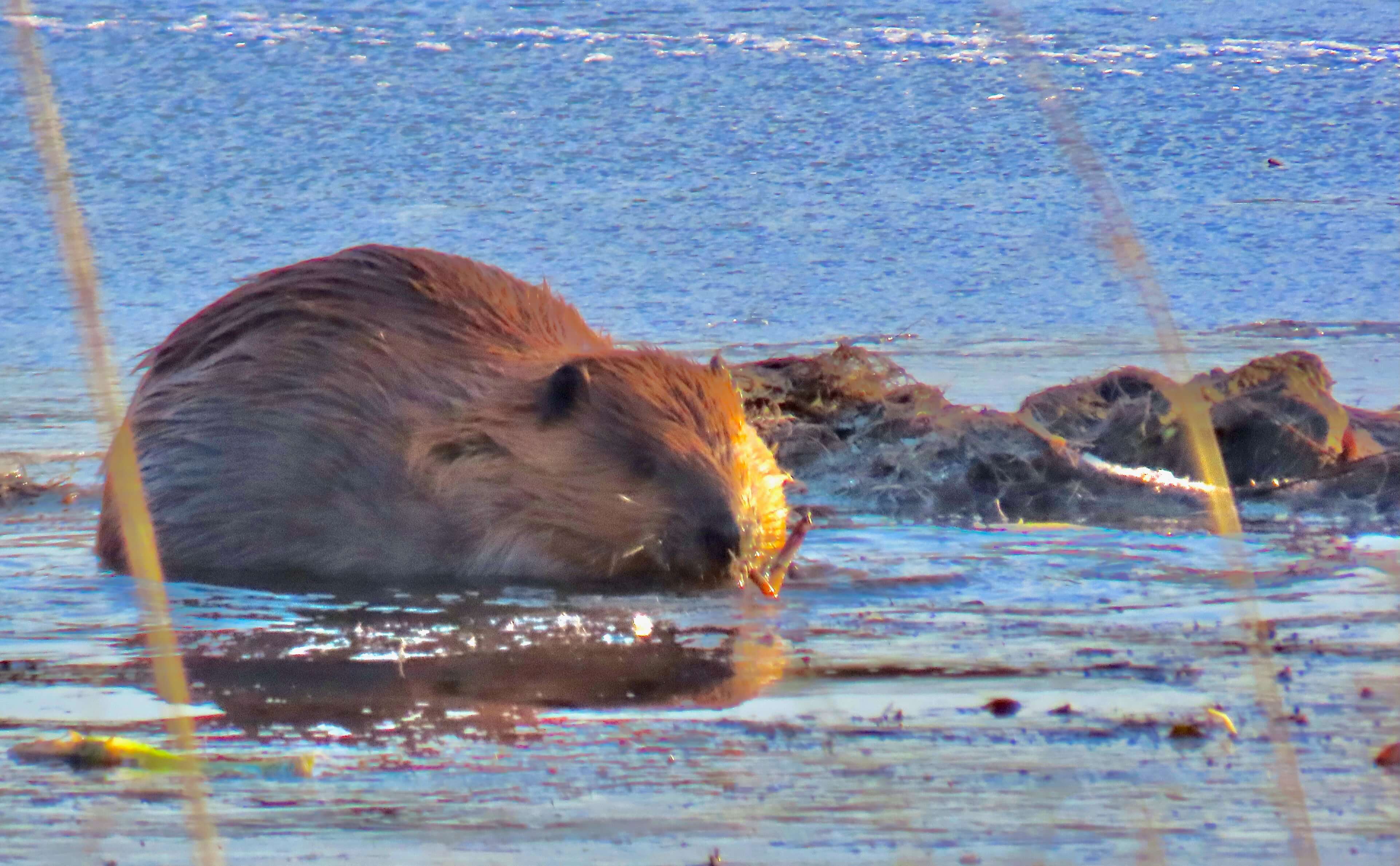
Aquatic plants can be dinner for a beaver, along with bark, bushes and grasses.
This beaver is likely munching water lily roots in the last of the late afternoon sun.

Time to head home…
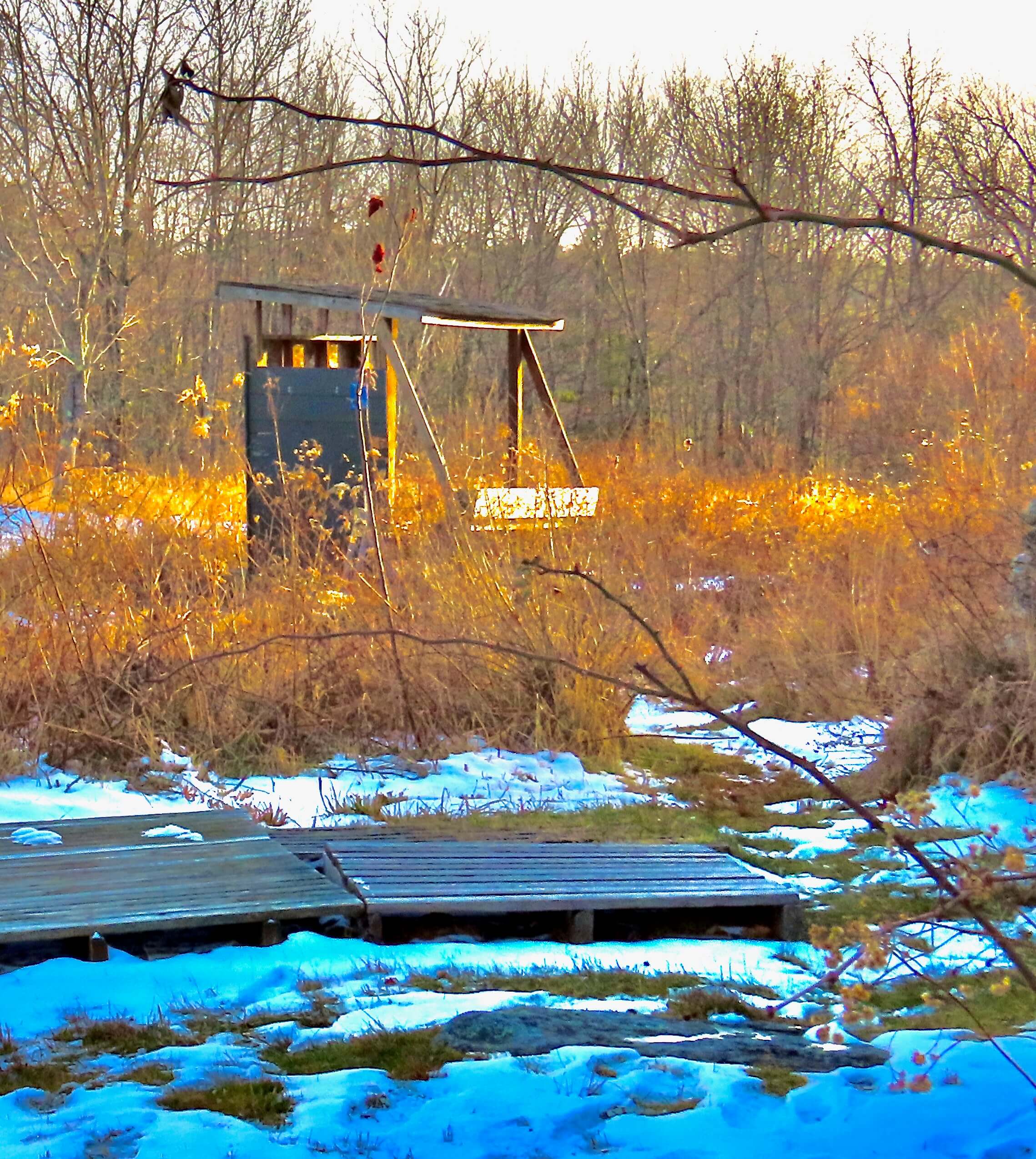
Past the bird blind….
Near the Wood Duck box….
And finally, home!
The beaver has left behind a perfect trail to visit another day, but human visitors, beware!

Meditation Gift

A late autumn walk in the wetlands at Wachusett Meadow Wildlife Sanctuary ended with the discovery of a thoughtful gift.

A boardwalk ends with a quiet resting place.
Something caught my eye.

I found a bracelet, a branch, a stick and an acorn sensitively placed.
Later, I met the gift creator. For his meditation, he braided the bracelet using nearby cattails, then left this humble and generous gift for another to enjoy.

Cottontail Cottage

Holden, Massachusetts

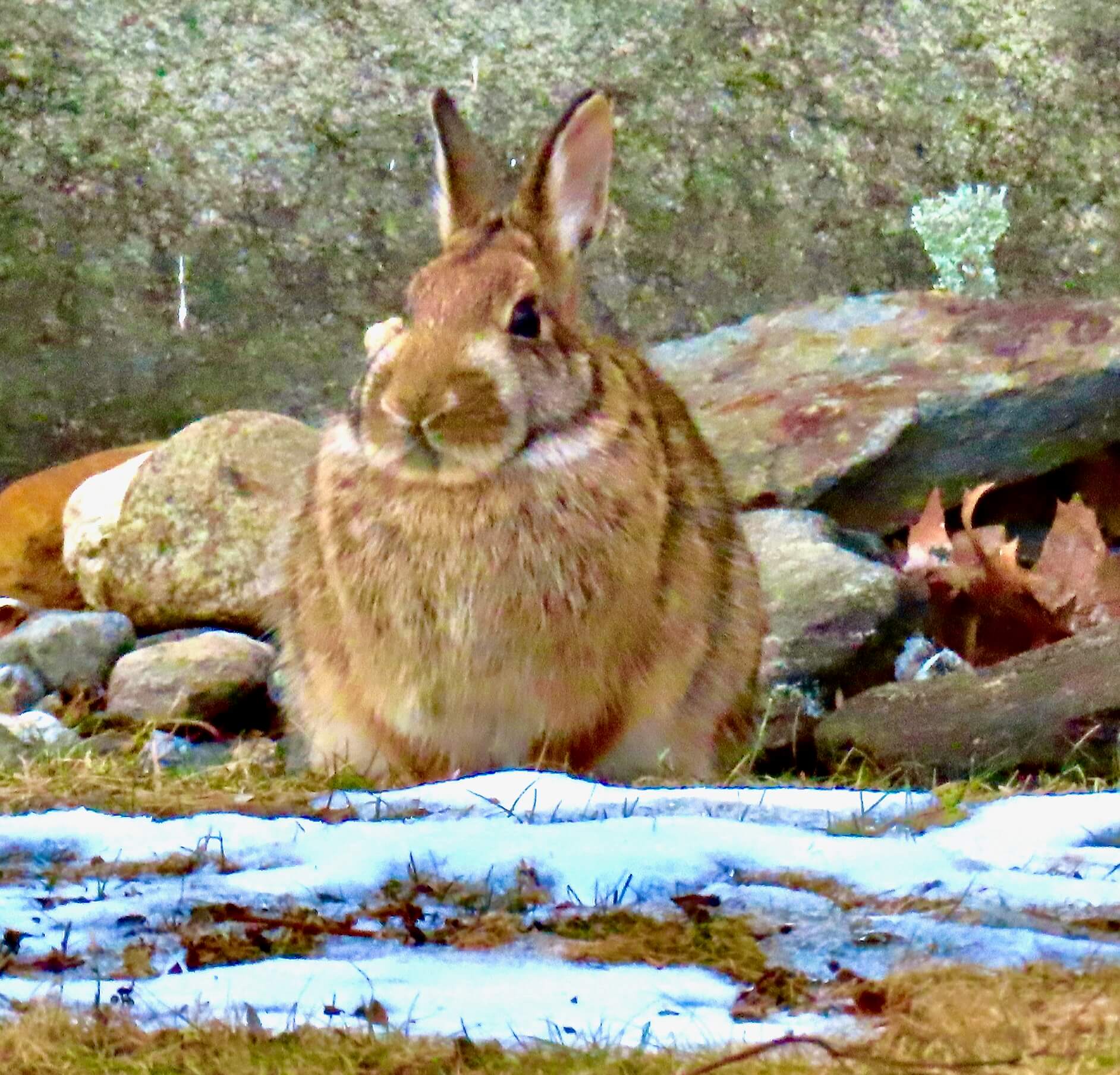
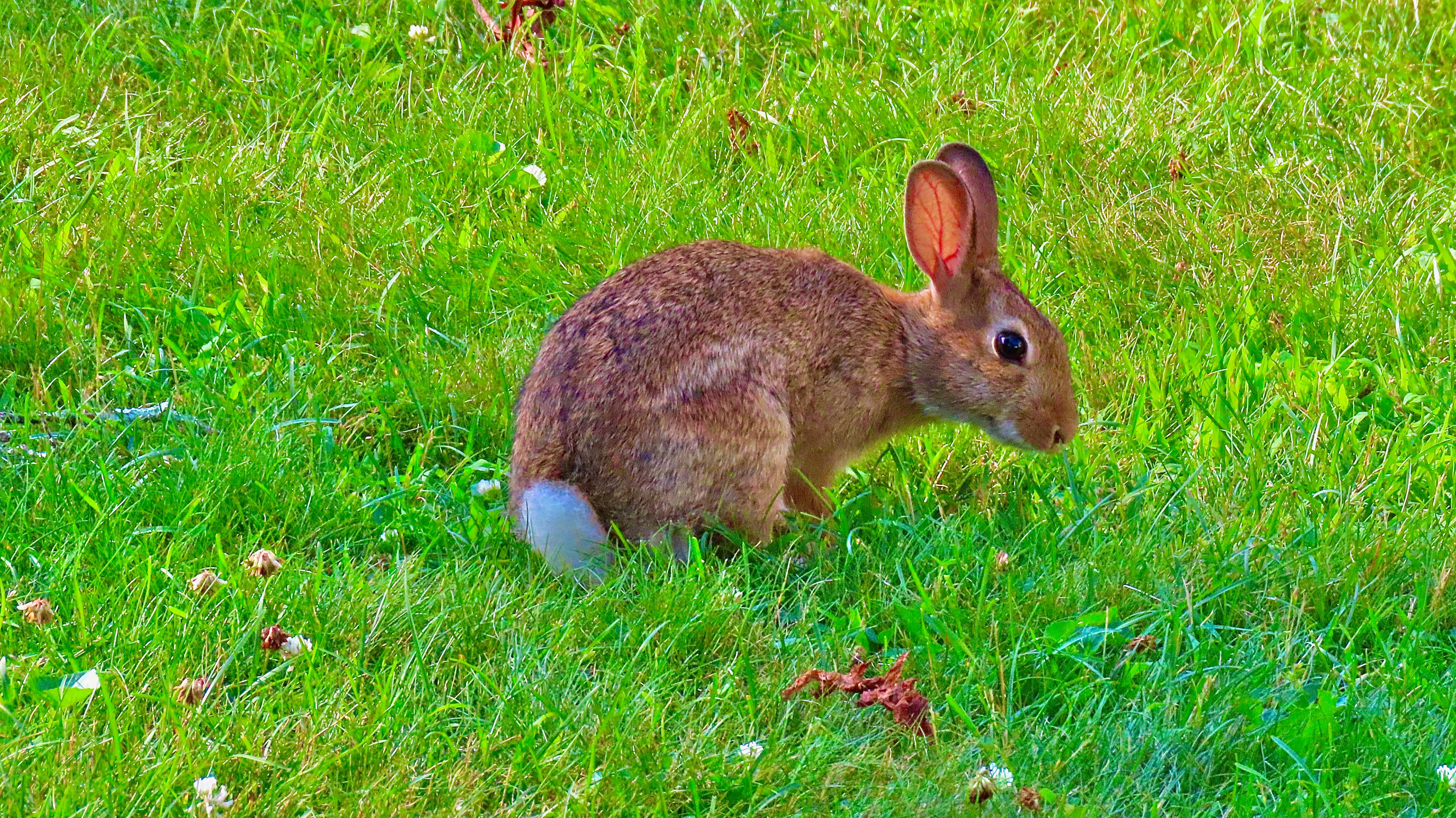
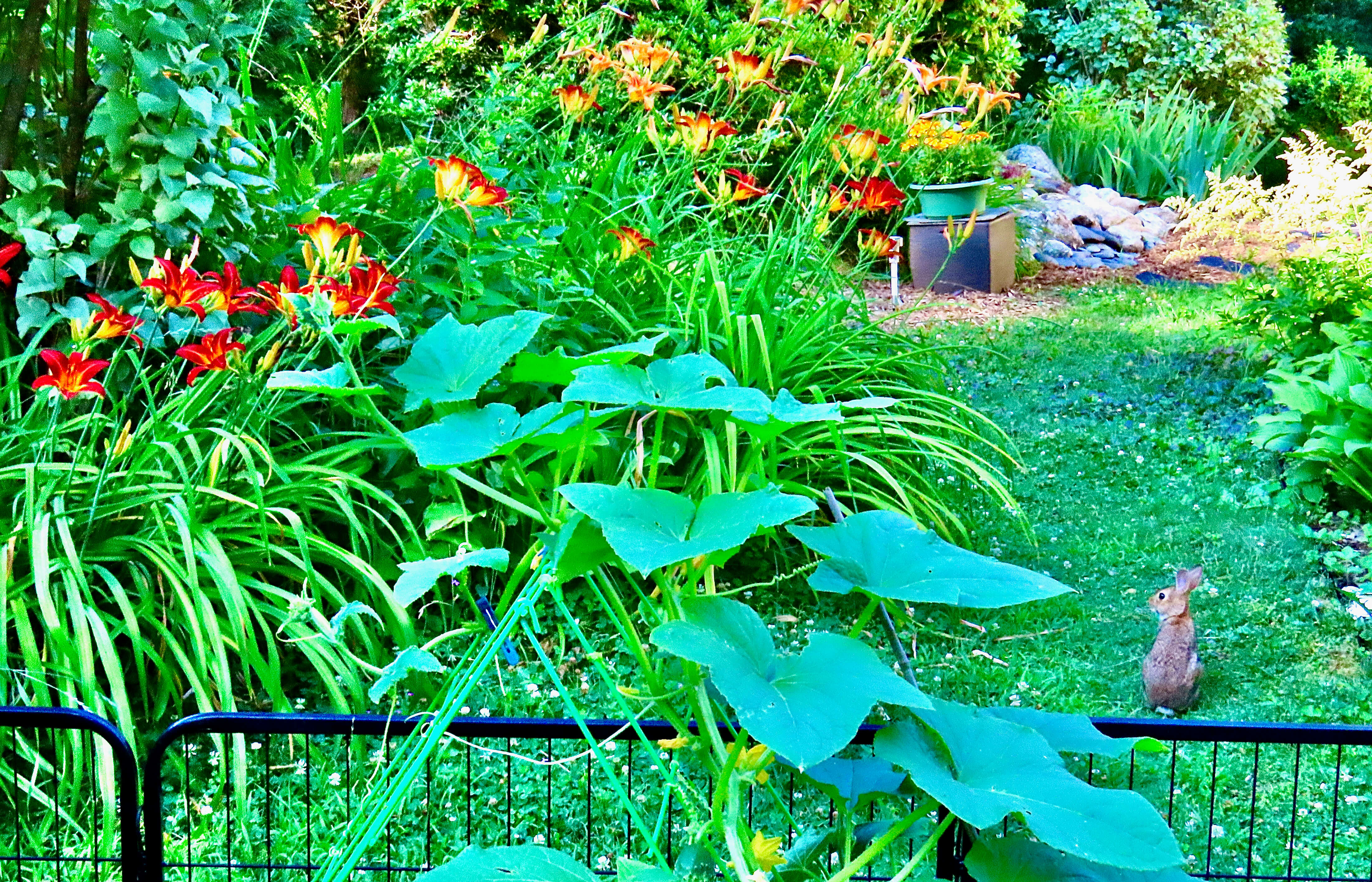
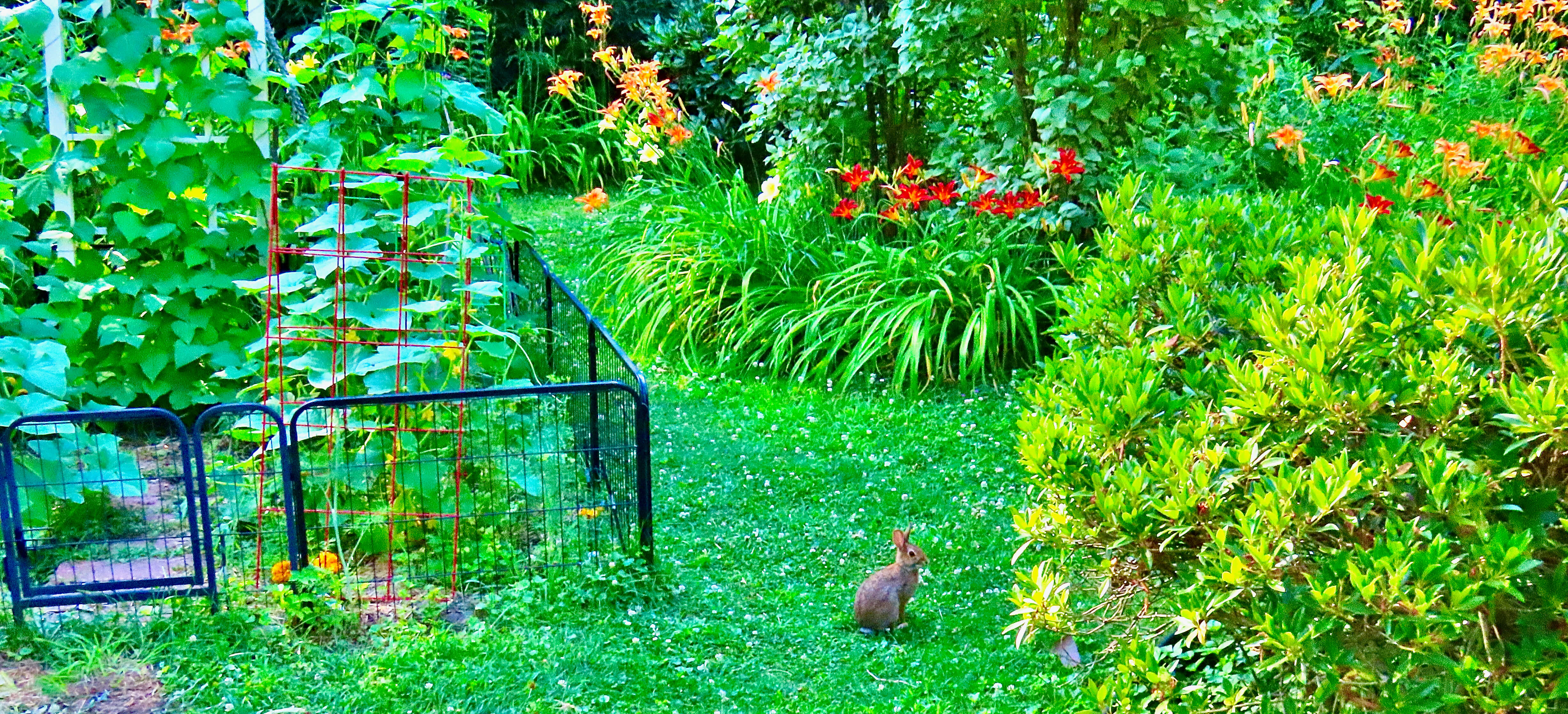
The rabbits in my yard have been satisfied with clover so far this season. However, I’m still keeping a watchful eye on my:
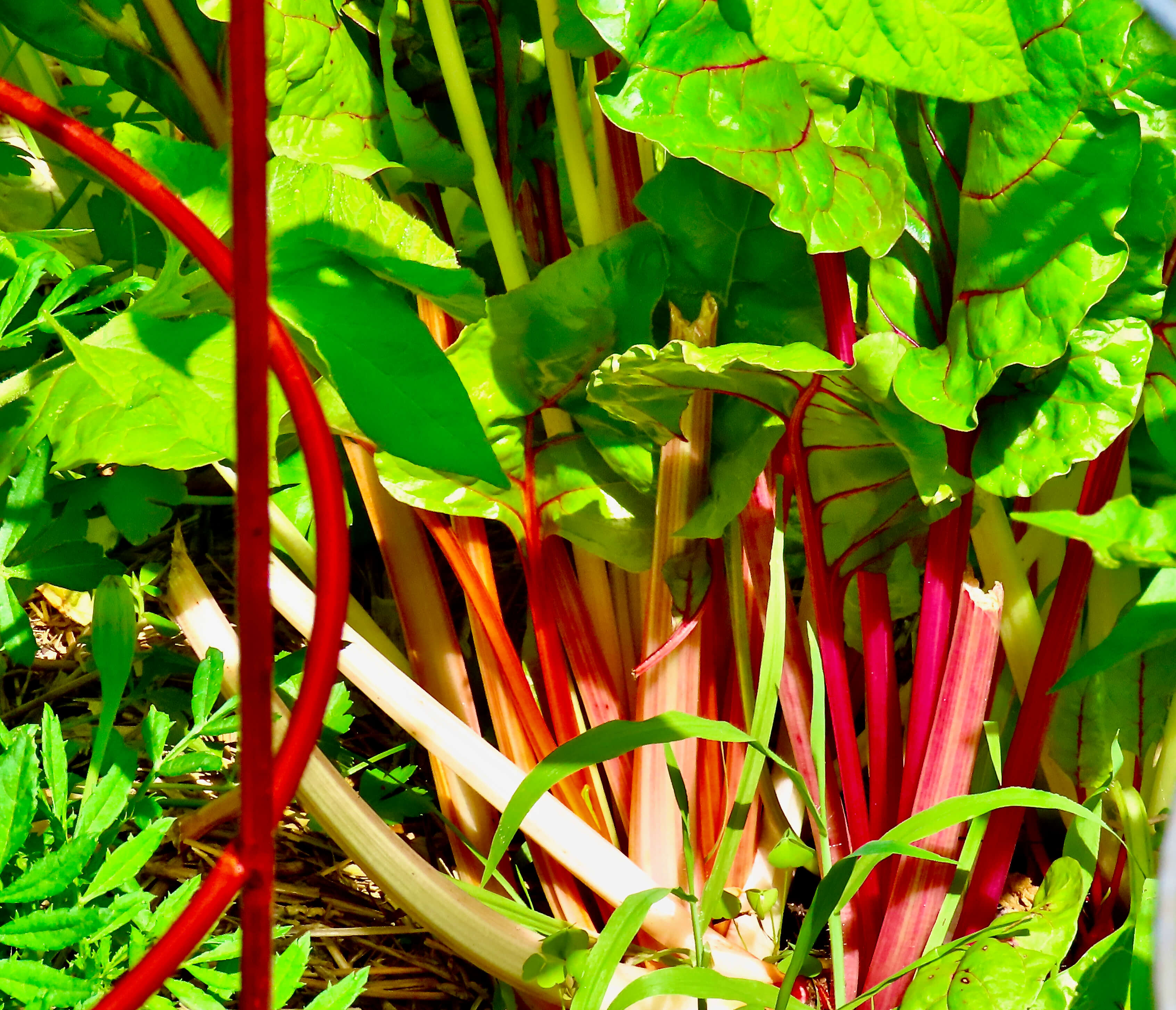
Rainbow Chard,
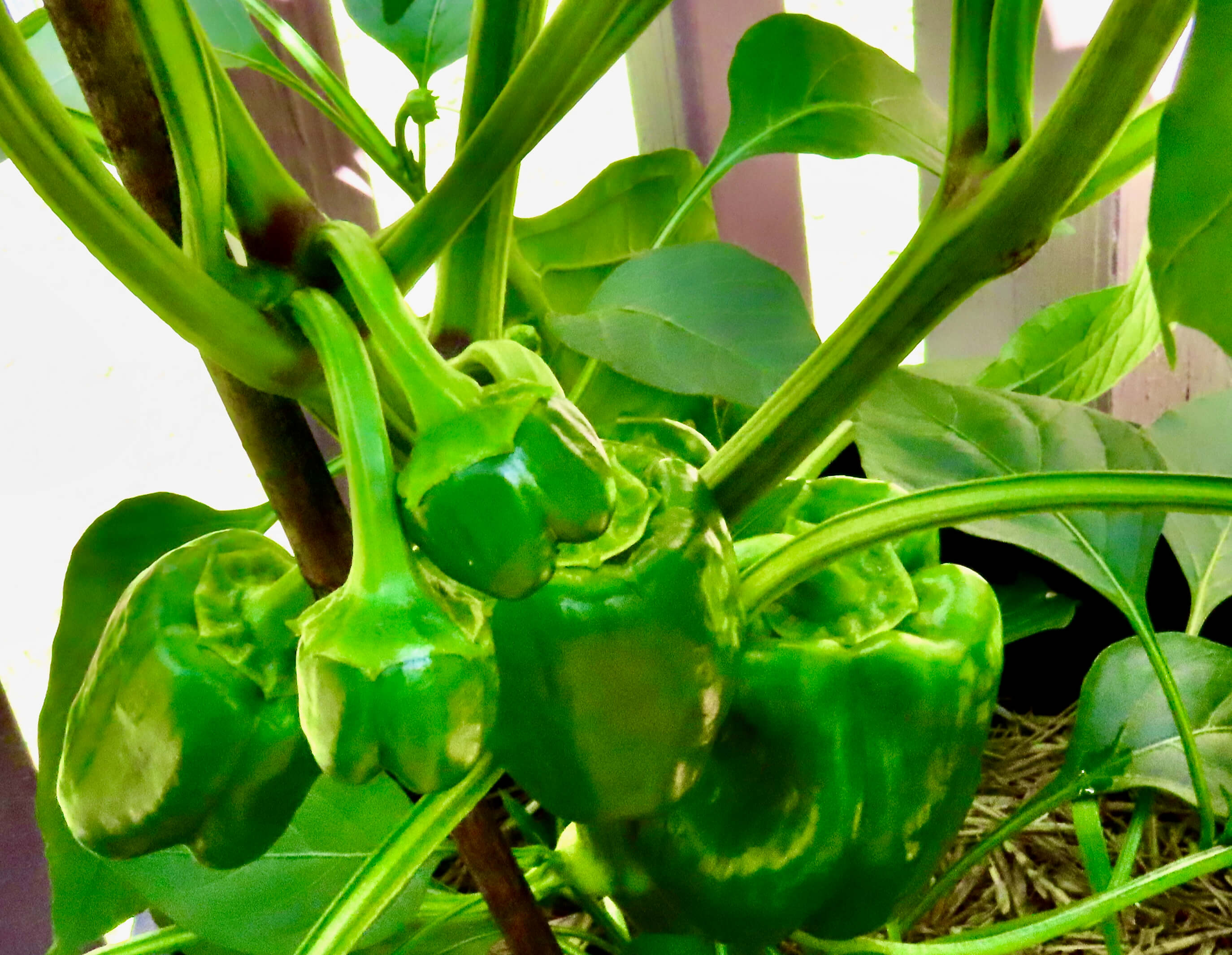
Early Peppers,

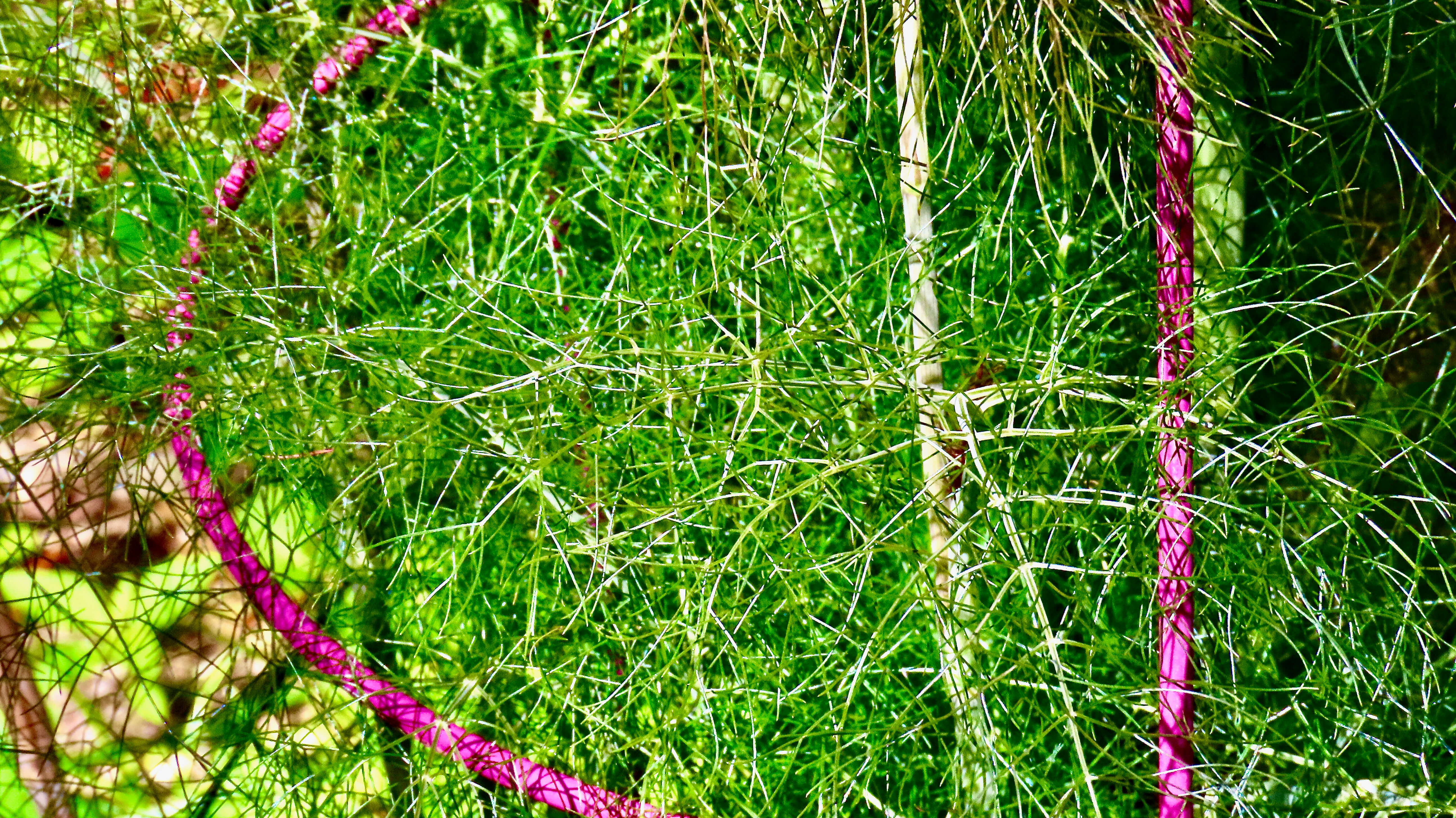
Bronze Fennel,
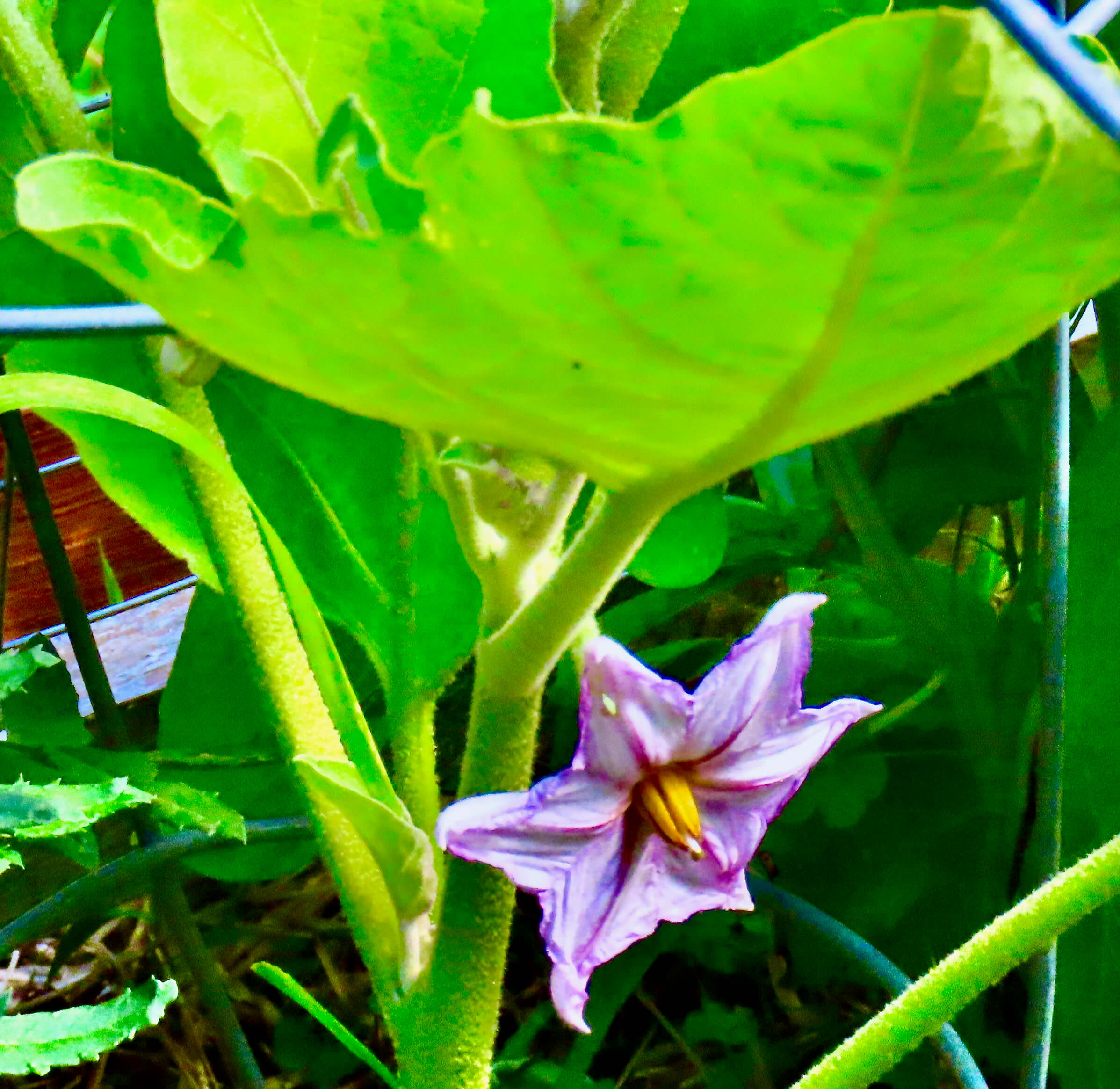
Eggplant,
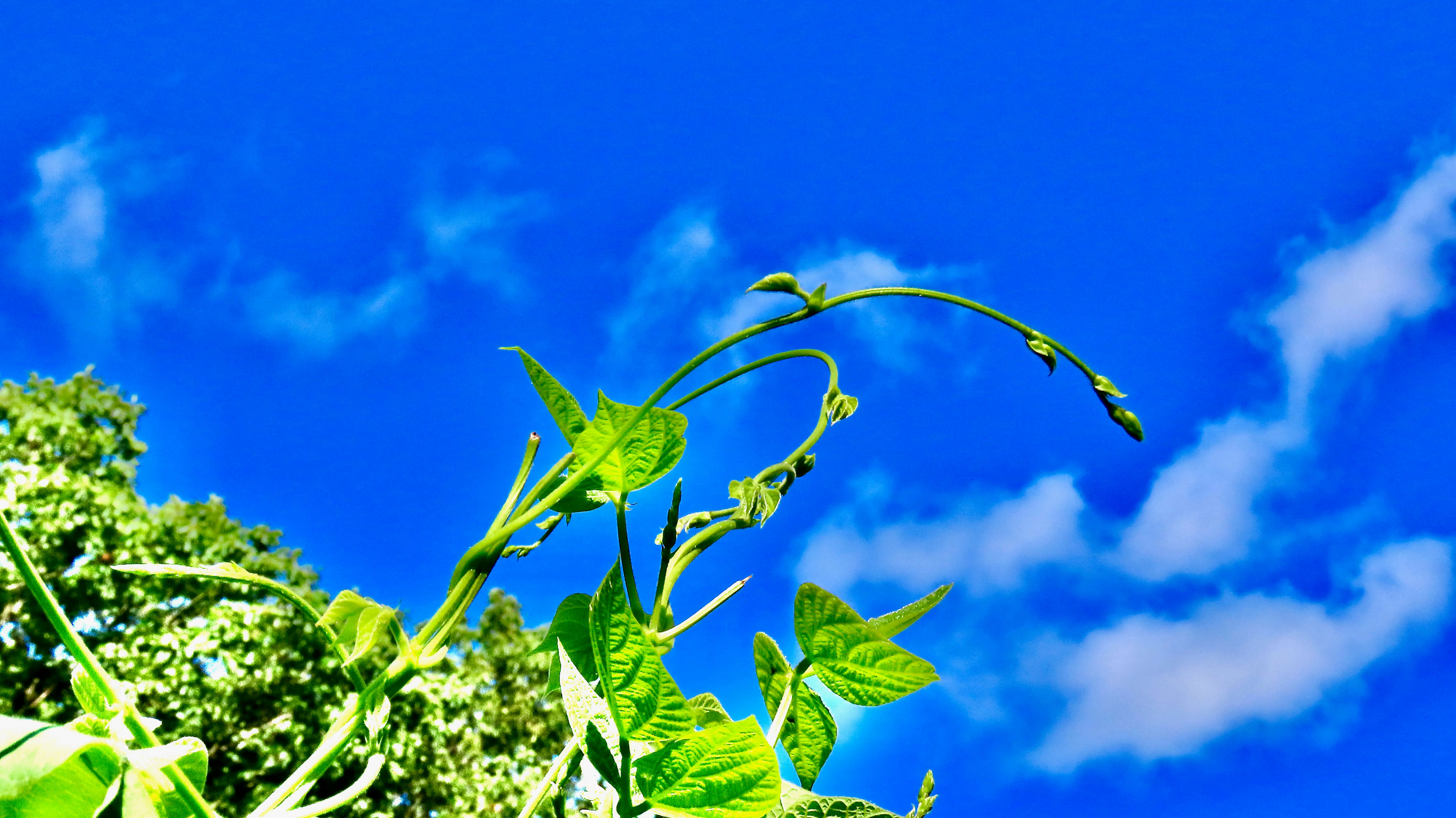
Blue Lake Pole Beans,
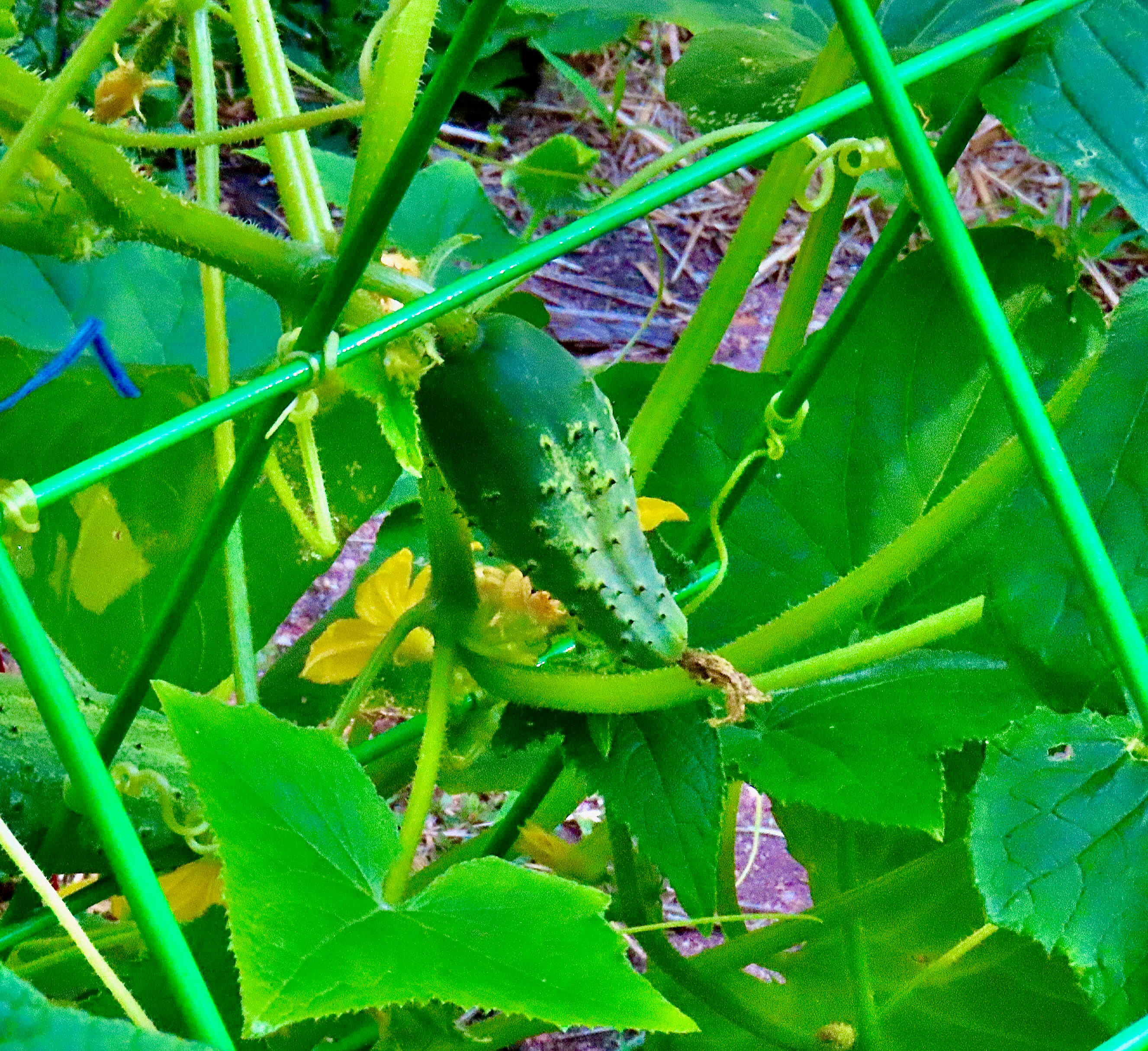
Pickling Cukes,

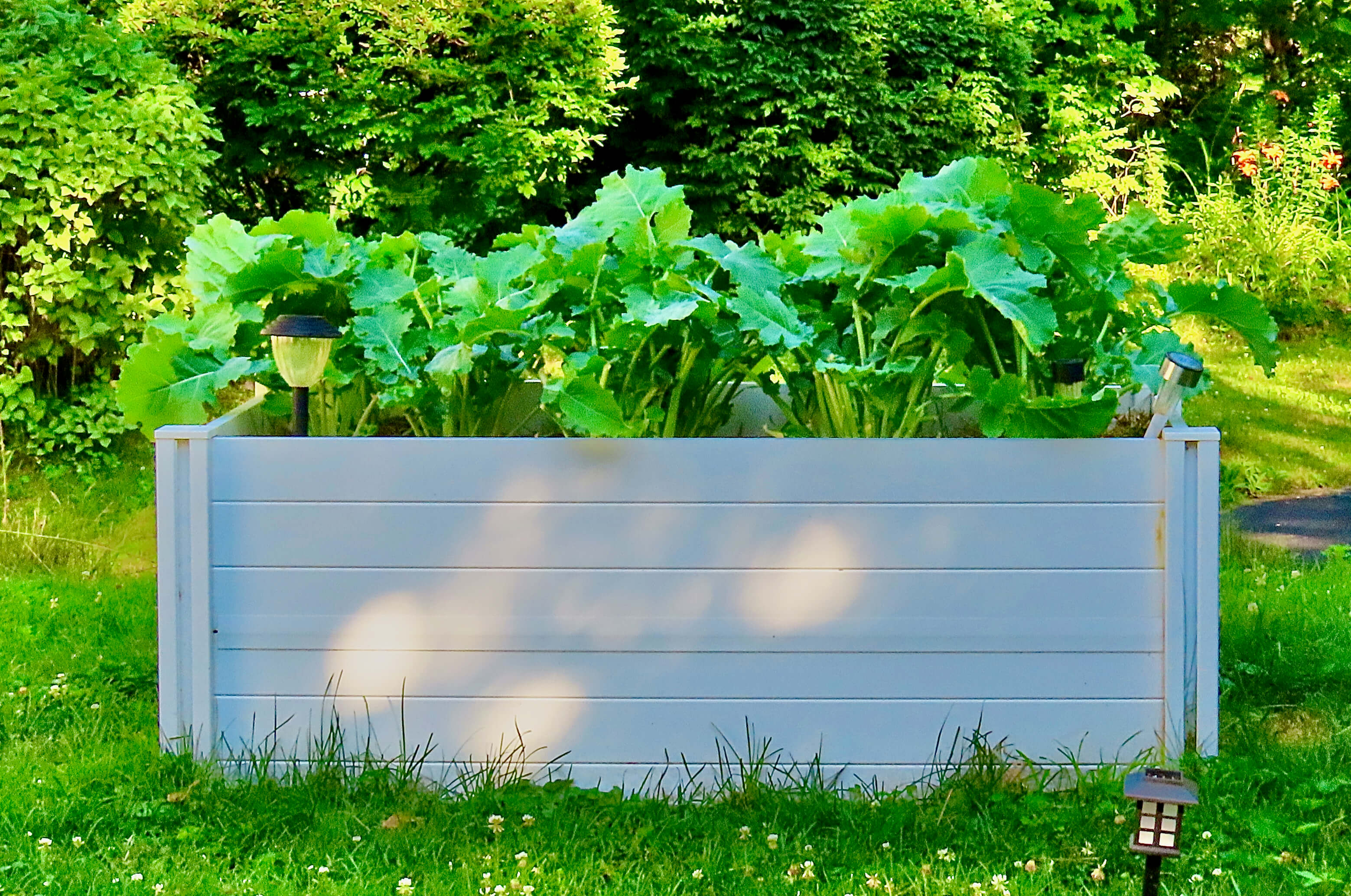
Premier Kale
Sweet 100 Tomatoes,
And Scarlet Runner Beans.

Wish me luck!

Fall Walk

It’s delightful to explore the common flora and fauna of Central Massachusetts on a cool autumn day.

Eastern Grey Squirrel

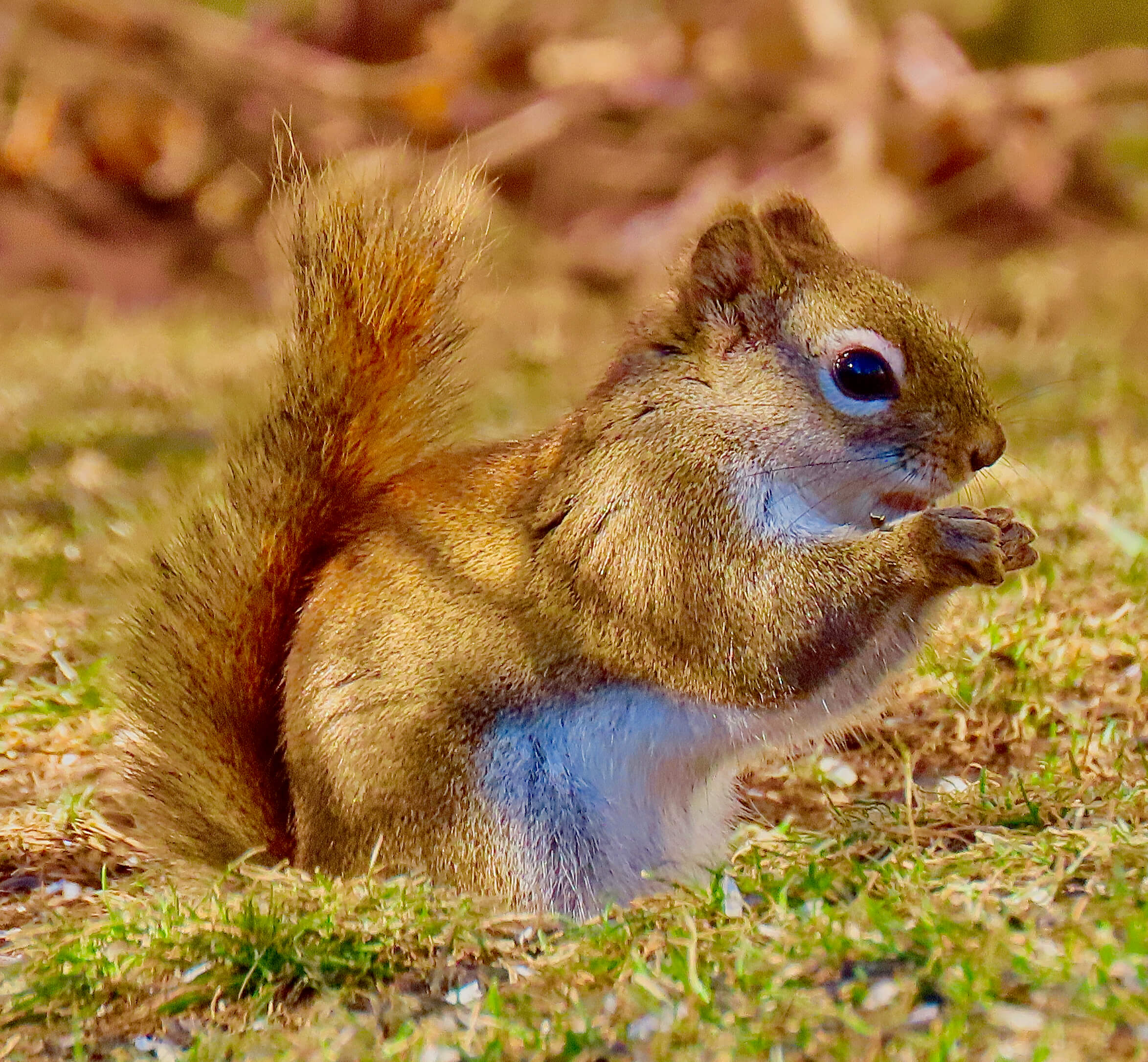
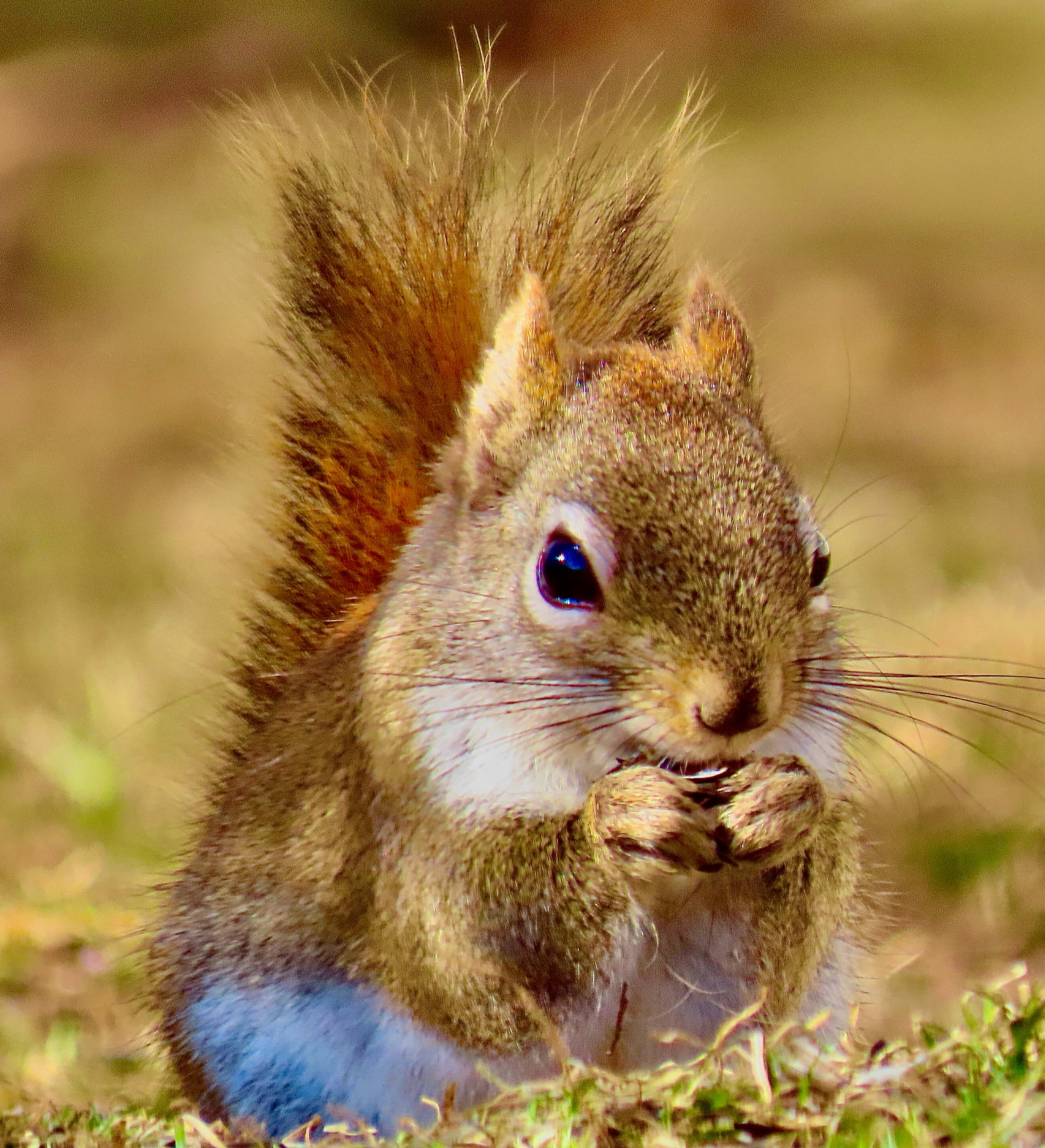
Adult Squirrels can consume about one and a half pounds of seeds and nuts each week.
Goldenrod
Eastern Blue Jay
Oriental Bittersweet
The first Dark-eyed Junco of the season.
Common Milkweed

First Fall Color

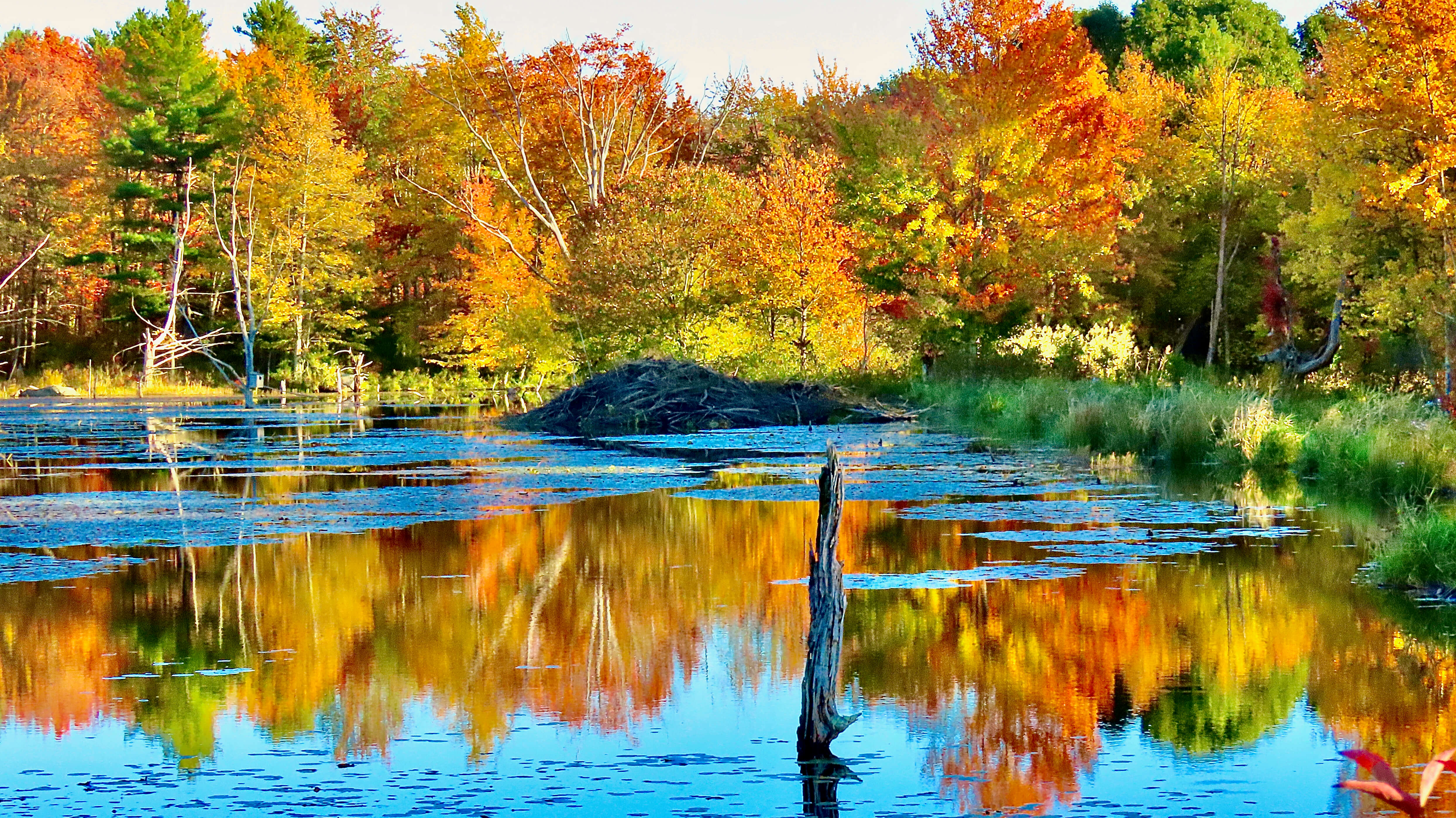
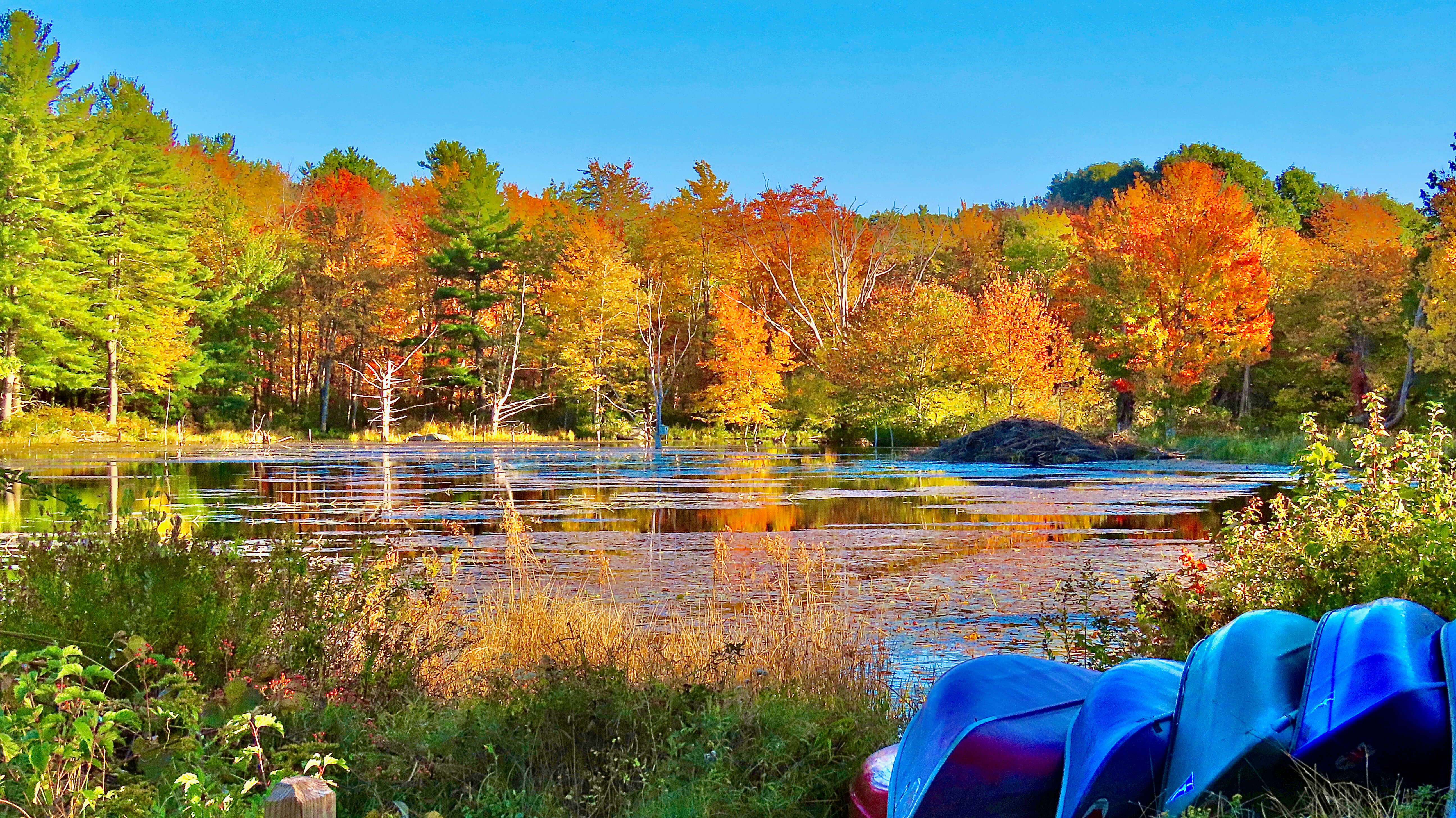
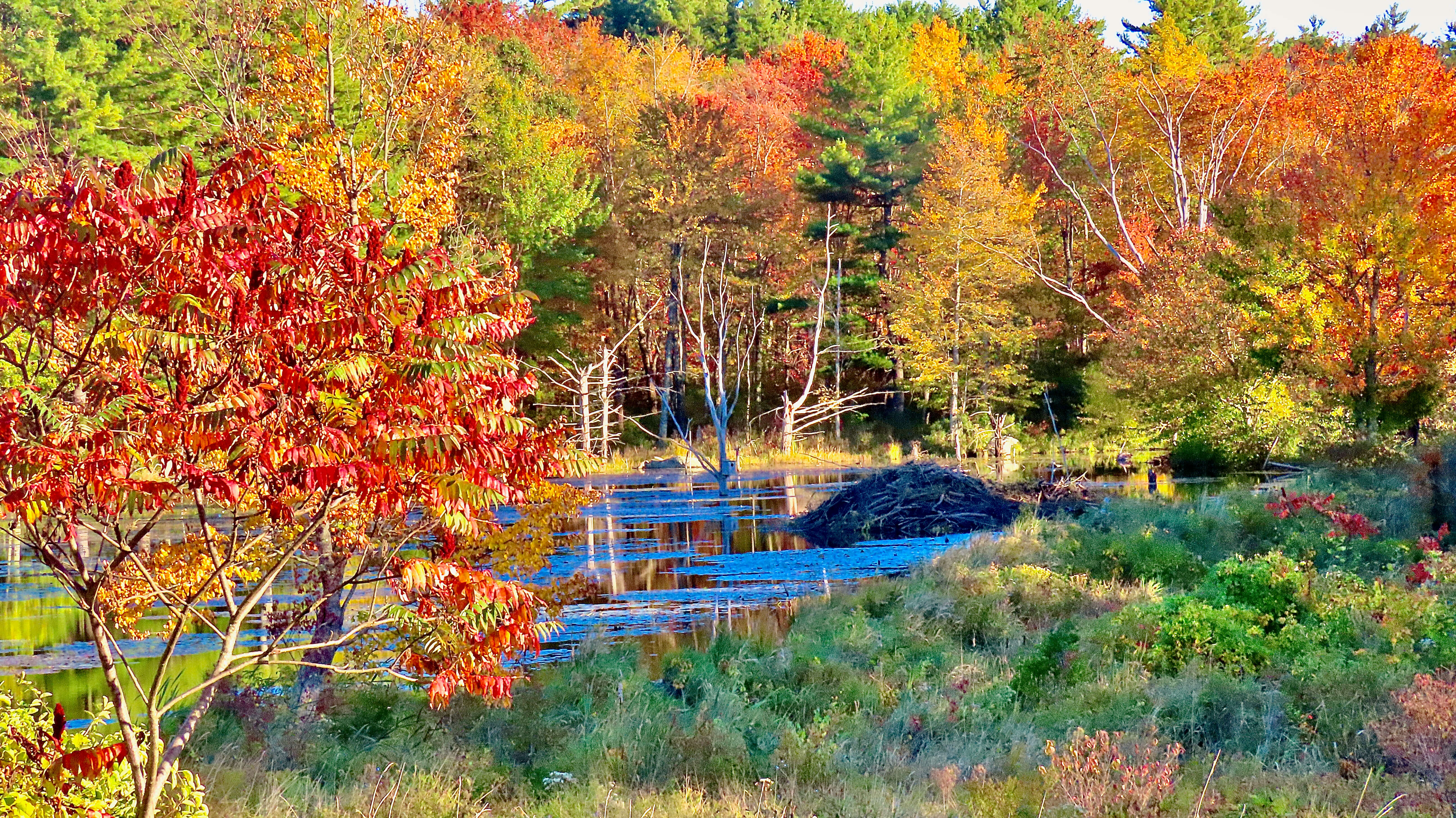
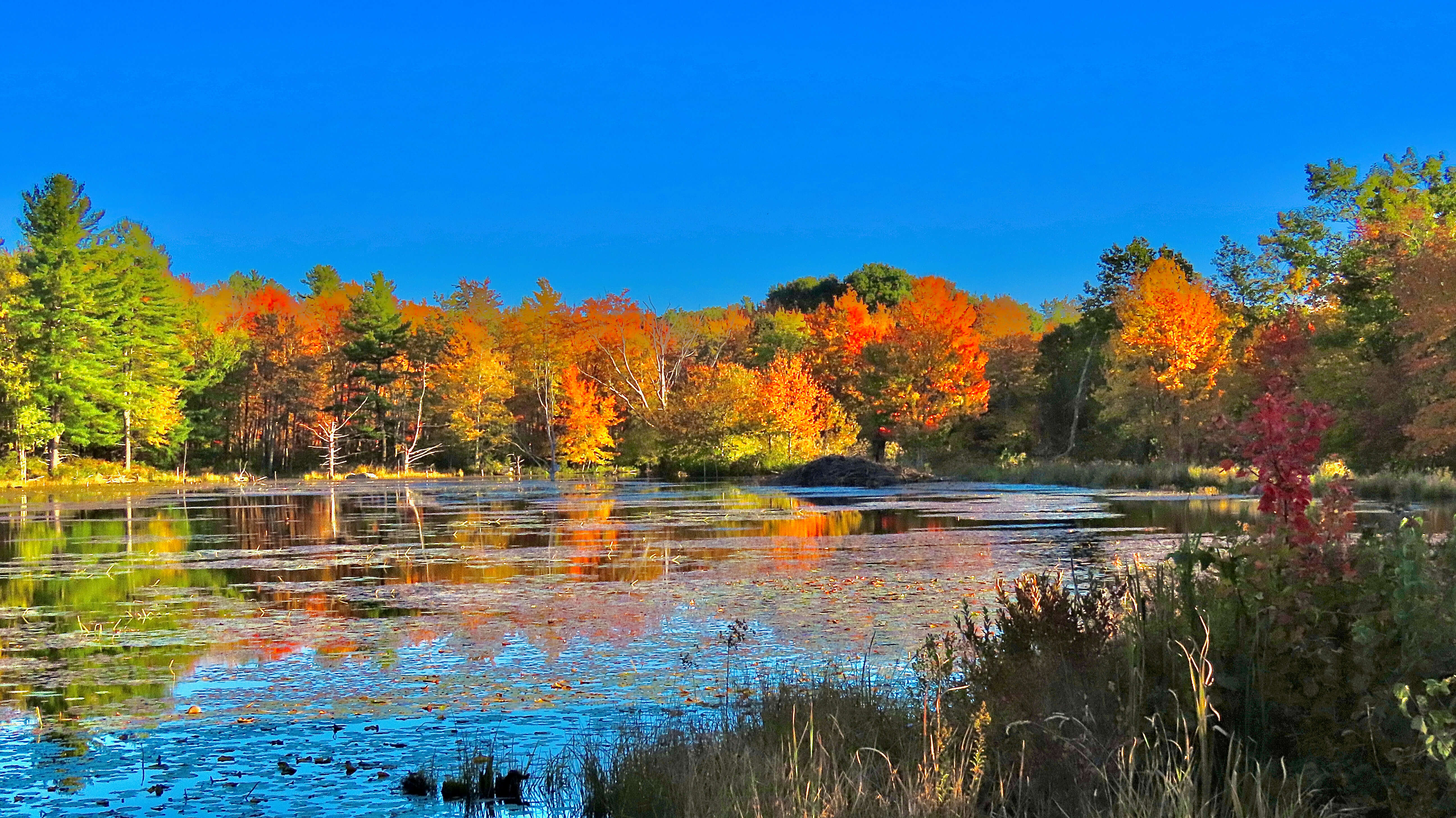
Foliage around Wachusett Meadow’s Wildlife Pond glows in the late afternoon sun.

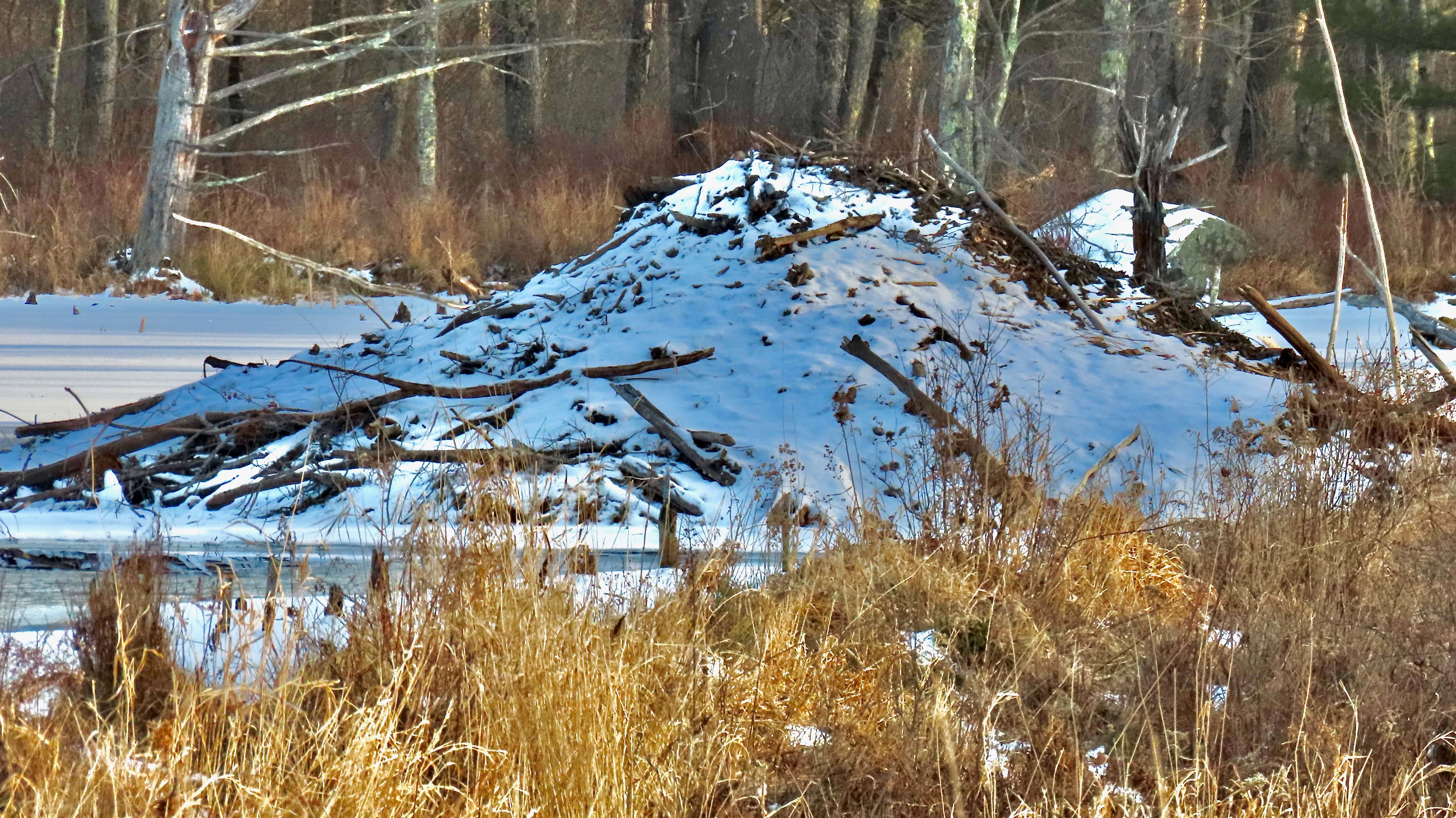
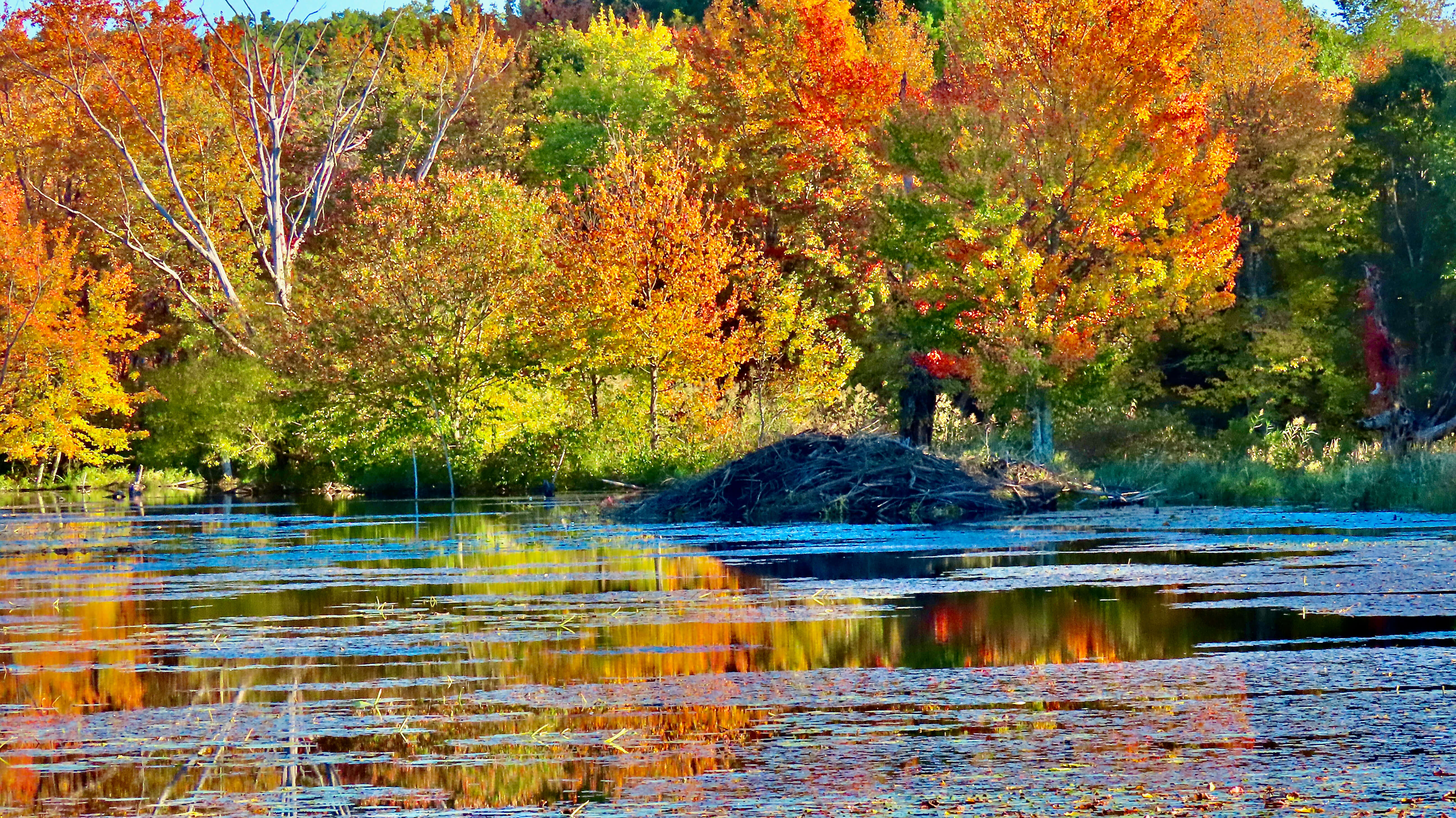
The beaver lodge is enveloped in color.
Canoes await at the pond edge.
Sumac trees, such as the one in the left of the photo, are among the first trees to change color.
A closer view of the beaver lodge.
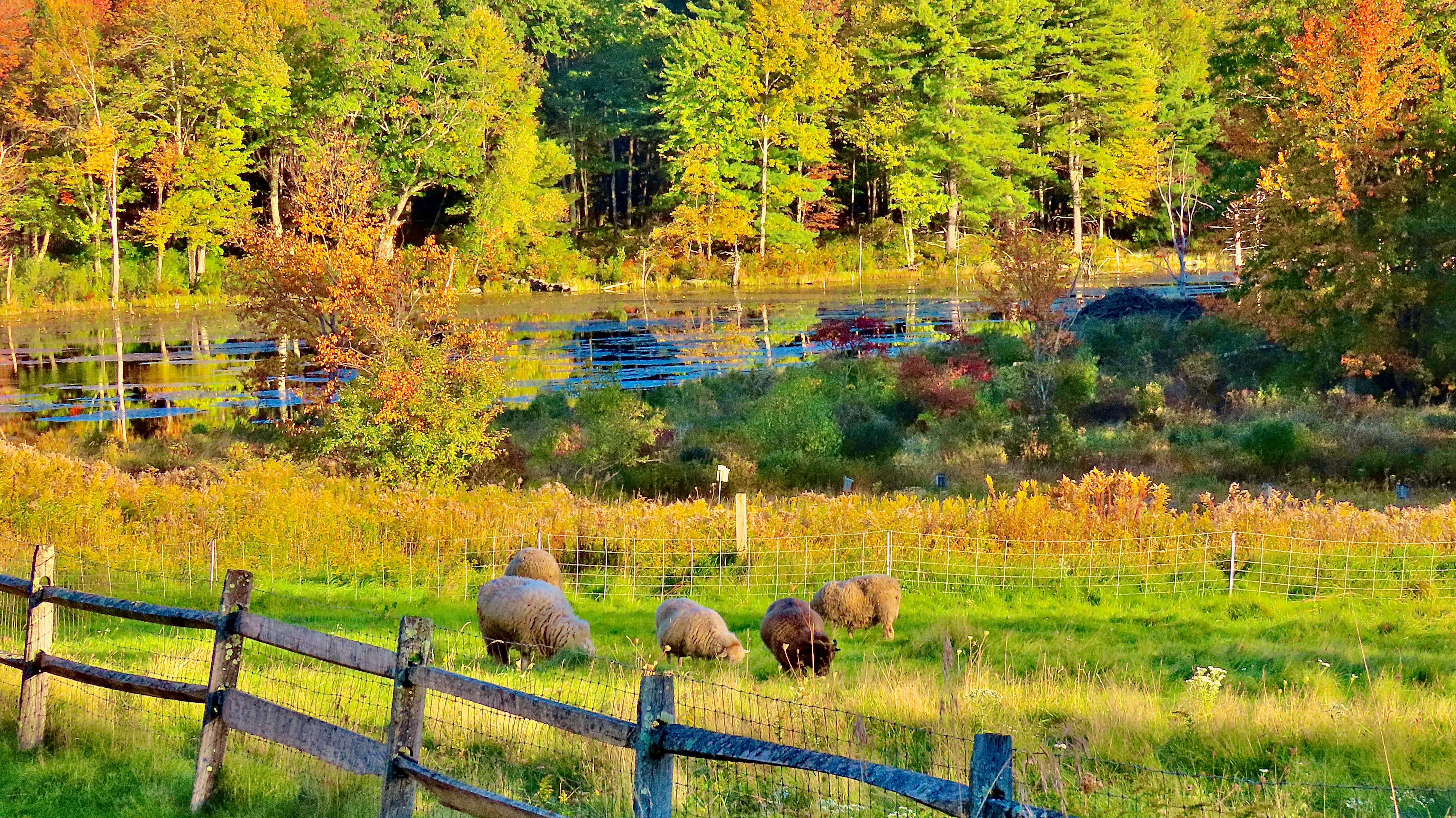
The sheep graze just above the pond.
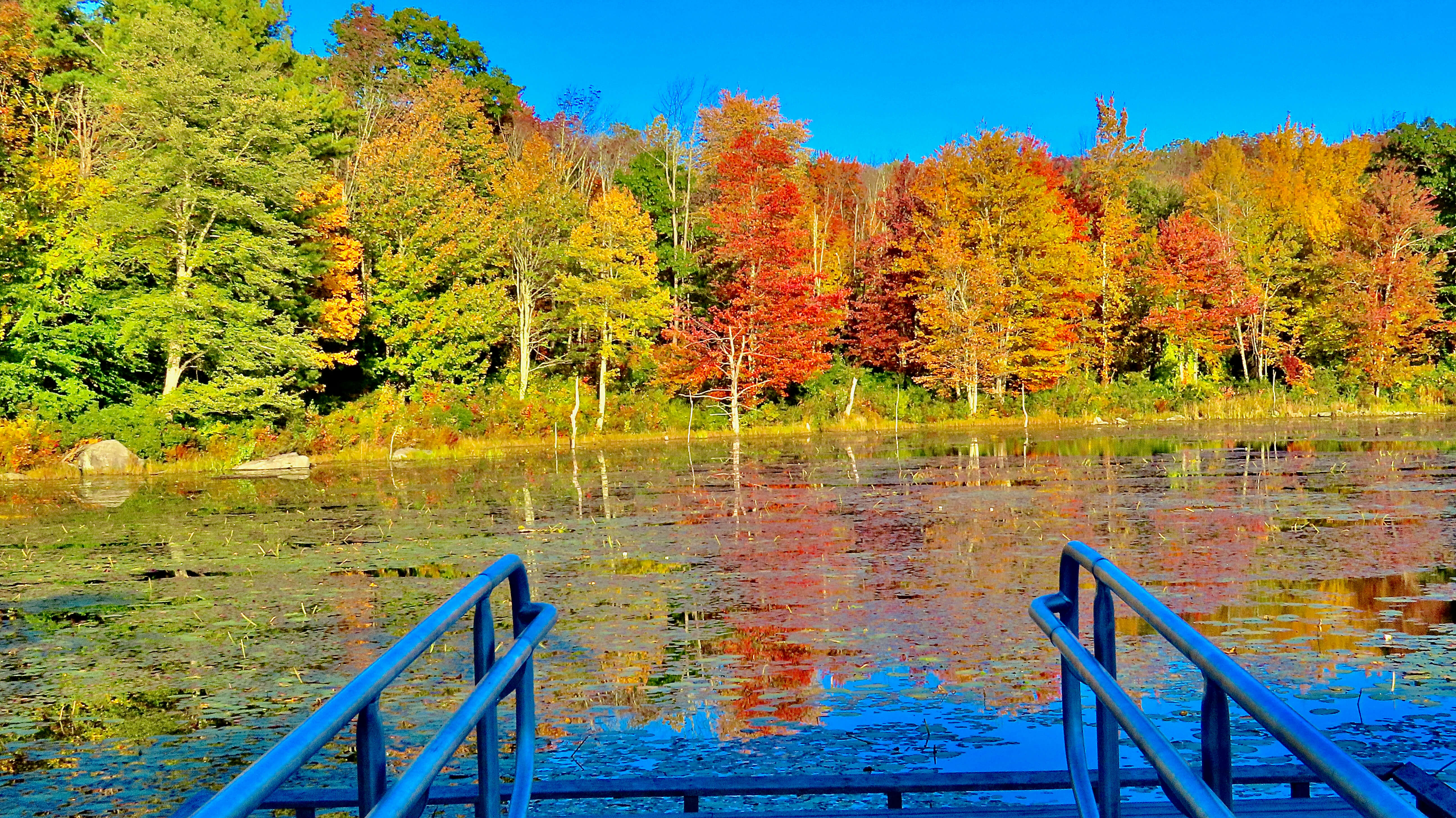
View from the Observation Pier.
A long view of the pond as the sun begins to set.

Where Rabbits Run and Humans Walk and Reflect

More late summer images from Wachusett Meadow.

Eastern Cottontail Rabbits have proliferated this year at the Meadow.

Raised-Lettering on signs, as well as an audio informational program available at the visitors center, allow the visually impaired to more fully experience the meadow along the All Persons Trail.
The North Meadow is a popular easy hiking area.

Cattails in the North Meadow are vivid harbingers of fall.
A section of the All Persons Trail leads to the South Meadow.
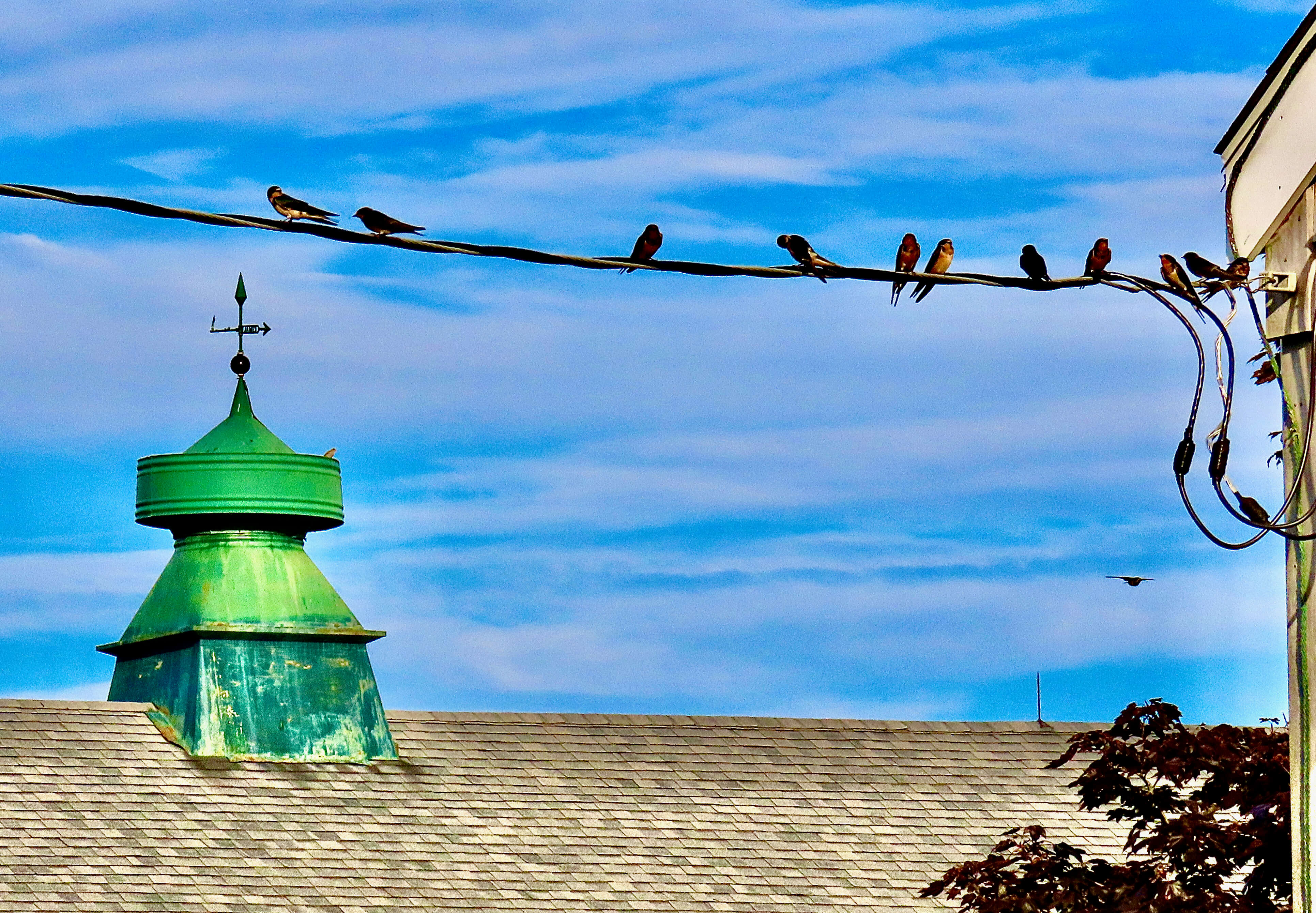
Bas relief sculptures aid in identifying tree and barn swallows.
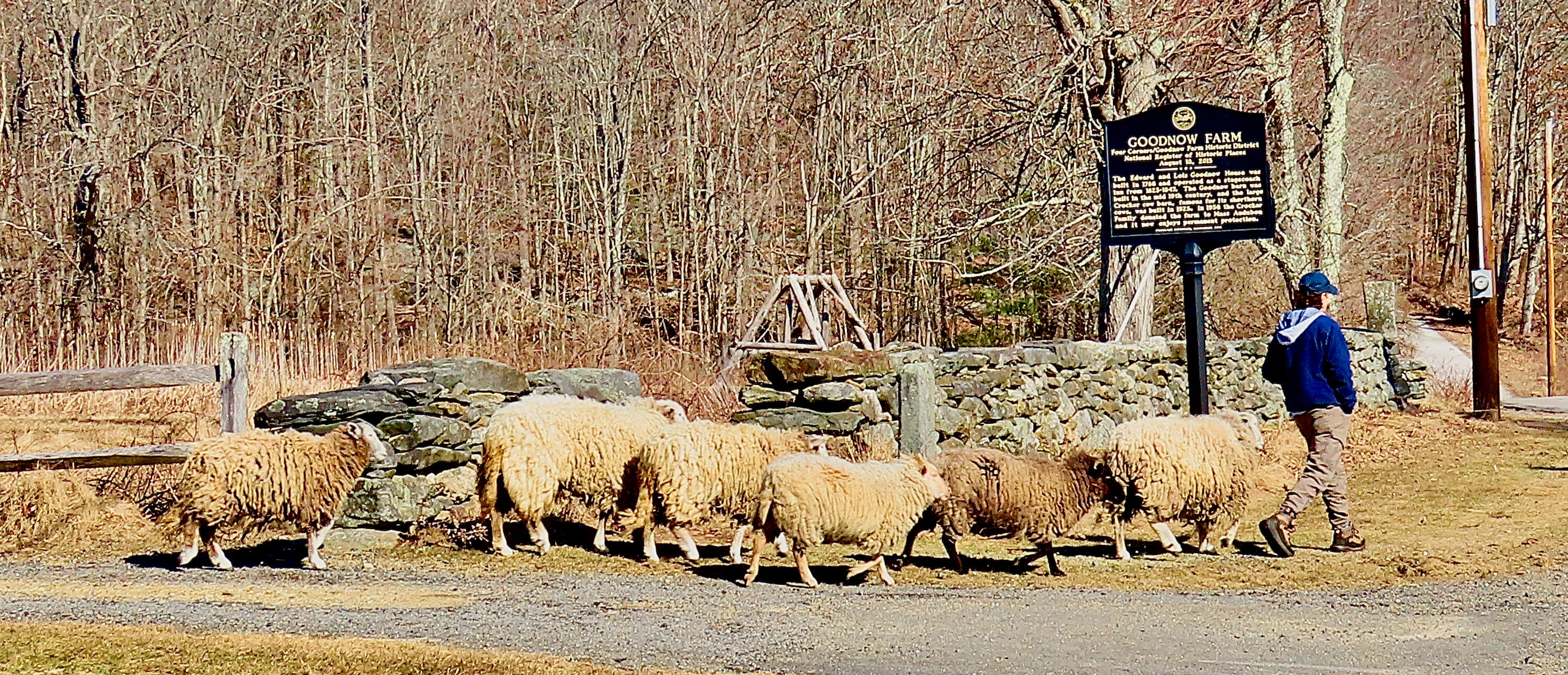
Visitors to the All Persons Trail can greet Wachusett’s endearing sheep on the way to the South Meadow…
…and then continue on to a sunny resting spot .

Reduce, Reuse, Recycle

To refresh and renew the front yard, combine seeds and plant cuttings collected last fall with duct tape and spray paint.

Duct tape strengthens the old resin chair, while “spring green” spray paint lends a pop of color to the furniture.
Last fall’s coleus cuttings have taken off in the recent wet weather.
Inside or outside, the succulent green kalanchoe flourishes.
Six cosmos seeds saved from last year go a long way to enliven this year’s flower bed!
Scarlet Runner bean seeds are easy to dry, and never fail in succeeding years.
Bright bean flowers are magnets for a variety of birds and insects.
Last year’s nasturtium seeds have bloomed yet again.
The “outdoor living room” under the hemlocks is a cool and breezy place to chat with friends and neighbors.

Rock Harbor Haze

Even as far back as early May, the effects of the Nova Scotia wildfires could be seen in the unusually orange evening skies on Cape Cod.

Rock Harbor, Orleans, Cape Cod, Massachusetts
From a distance what looks like a fisherman is actually a worker testing the water and soil quality of the harbor.

“A Chance of Showers and Thunderstorms”

That’s the weather forecast each day here in Central Massachusetts. As a result, this year’s garden is surely taking its time to grow!

This tomato variety is named Fourth of July, and promised tomatoes ready to eat by that date. Although they have a while to go, they are surely farther along than my other varieties.
Evening Primrose
The first Bee Balm to bloom.
Sweet 100 Tomatoes just flowering.
Calendula self-seeded from last year.
Hydrangea
Arugala (Second Planting)
Lady Bell Peppers
Blue Lake Pole and Bush Beans