Tag: monarch butterfly

Rudeneja

Rudeneja ( roo-den-ay-ha) is a Lithuanian word that describes the transition from late summer to early autumn. It comes from ruduo, the Lithuanian word for autumn, and is used as a verb to describe the shift in nature towards fall, or as a noun for the reflective feeling of the season.

Cattails begin to lose their brown spikes, which turn to fluff that contains thousands of seeds.

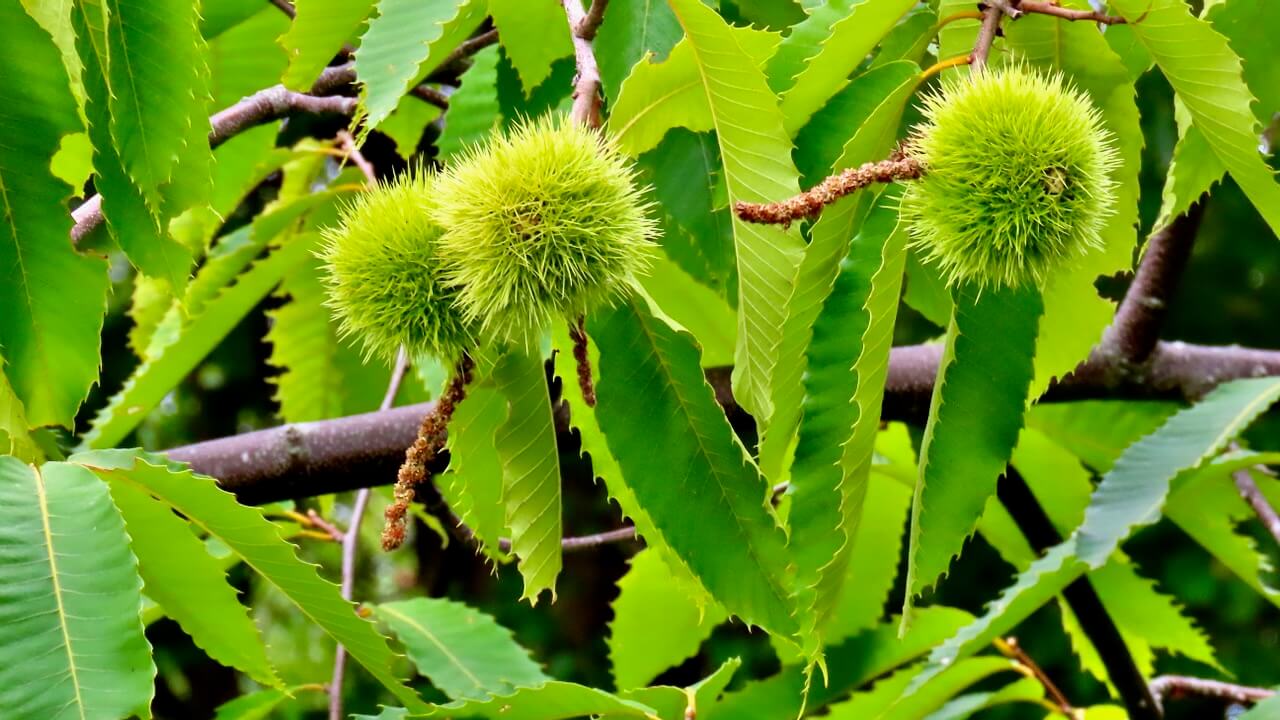
The chestnut tree displays spiky protective shells.
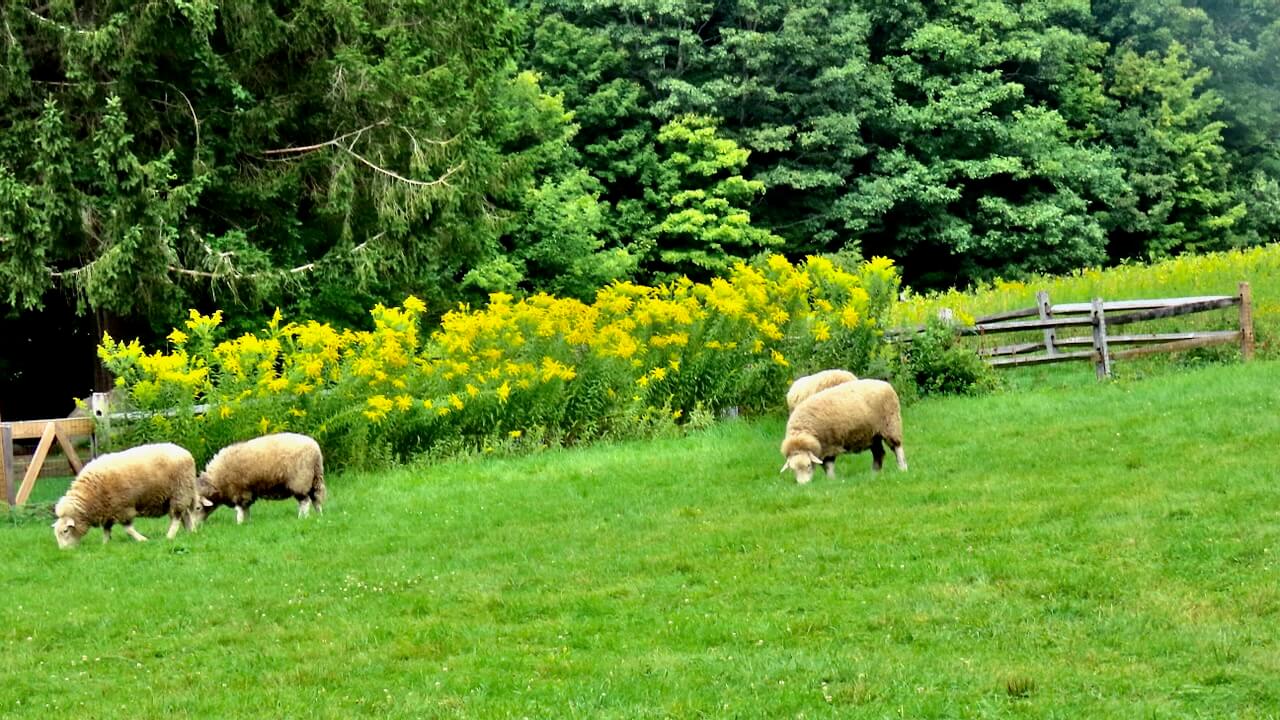
Sheep roam freely in the meadow.
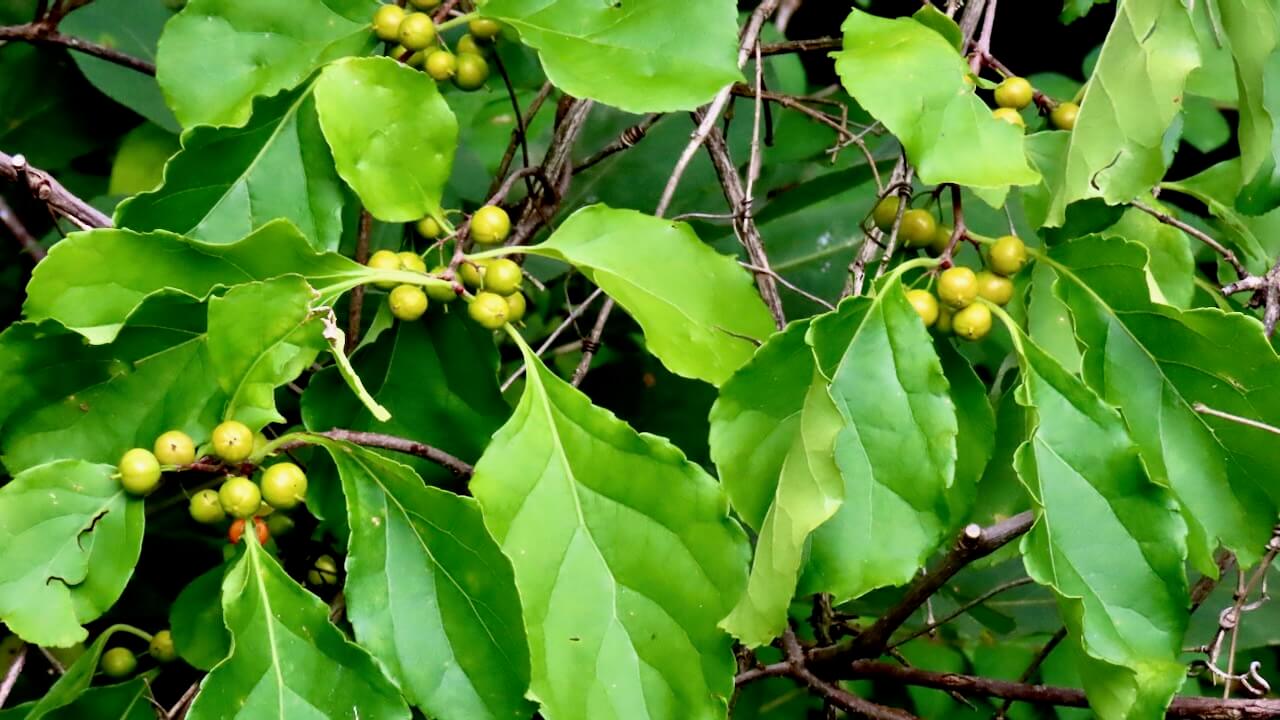
Yellow berries begin to appear on the bittersweet.

Monarch butterflies gather before they begin their migration.

The swamp maples are among the first trees to change color.

Monarch of the Meadow

Increased monarch butterfly activity is a sign of fall at Mass Audubon’s Wachusett Meadow Wildlife Sanctuary.

This thoughtfully placed bench at Mass Audubon’s Wachusett Meadow Wildlife Sanctuary is a perfect place to sit and contemplate monarch butterflies.
The North and South Meadows are ablaze with goldenrod in the late summer. Goldenrod is an important food source for monarchs.
The majestic monarch has a wingspan of three to four inches.
In addition to goldenrod, adult monarchs feed on a wide variety of nectar bearing flowers in preparation for their migration to Mexico.

With their striking orange and black coloring, monarchs are one of the most easily recognized butterflies in North America.

The goldenrod this monarch is feeding on does not cause allergies in humans. Ragweed, which blooms at the same time, is the allergy culprit.