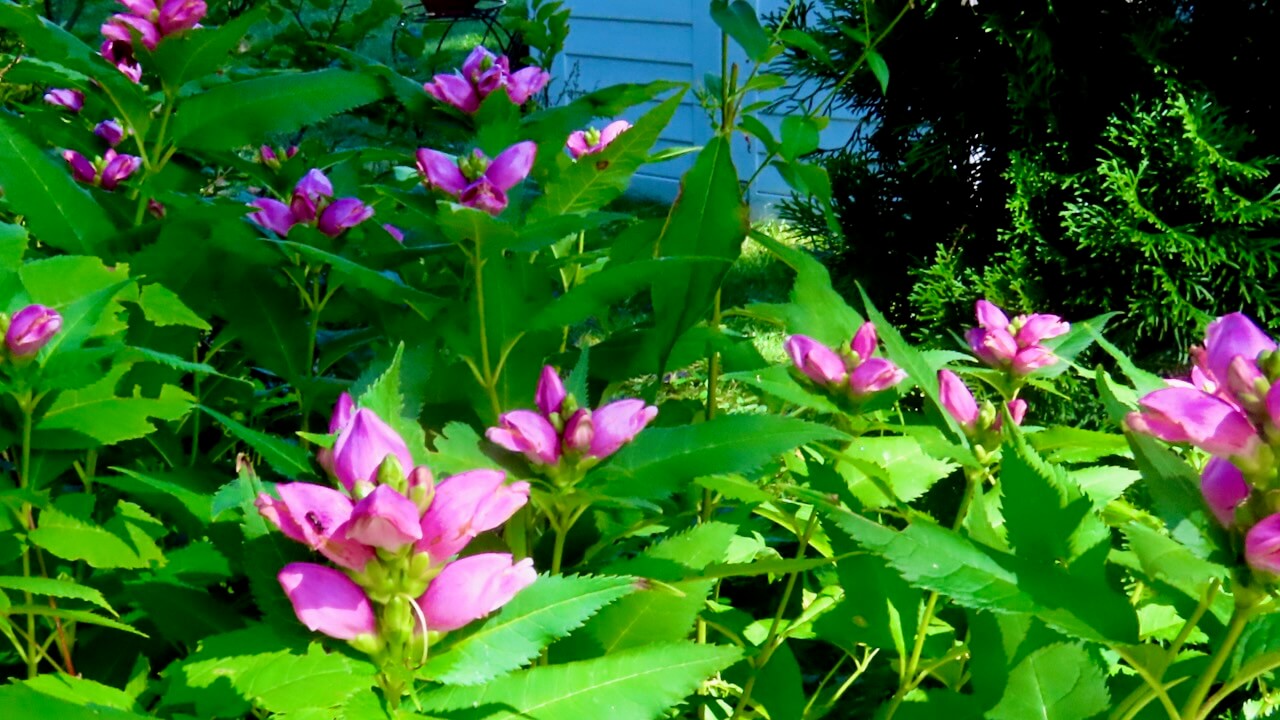
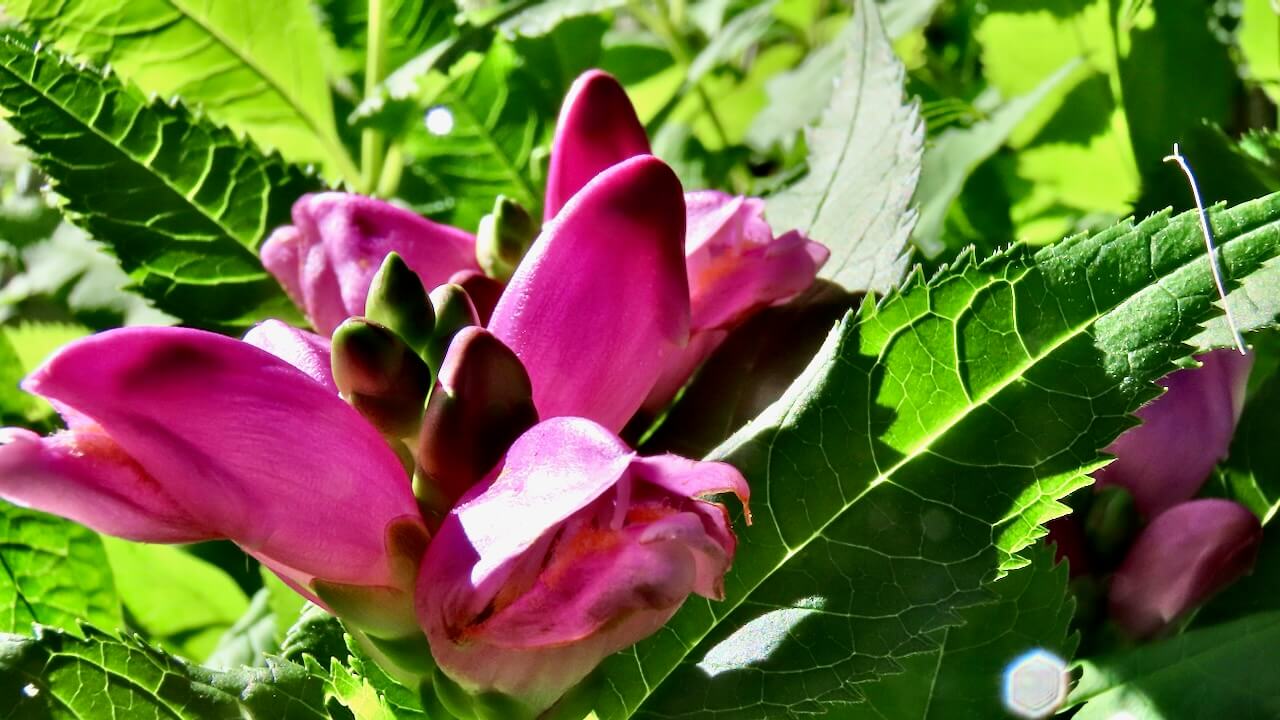
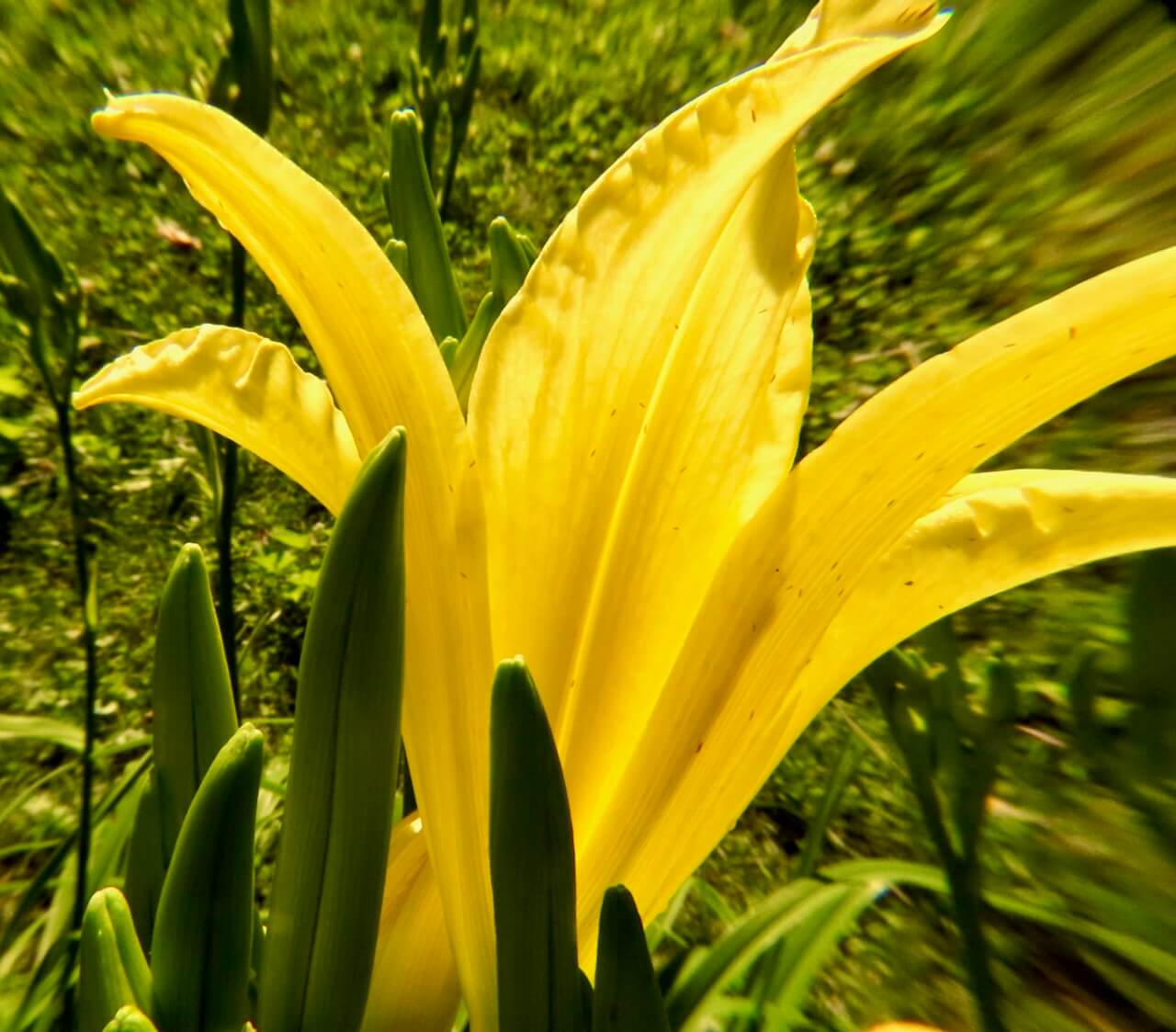
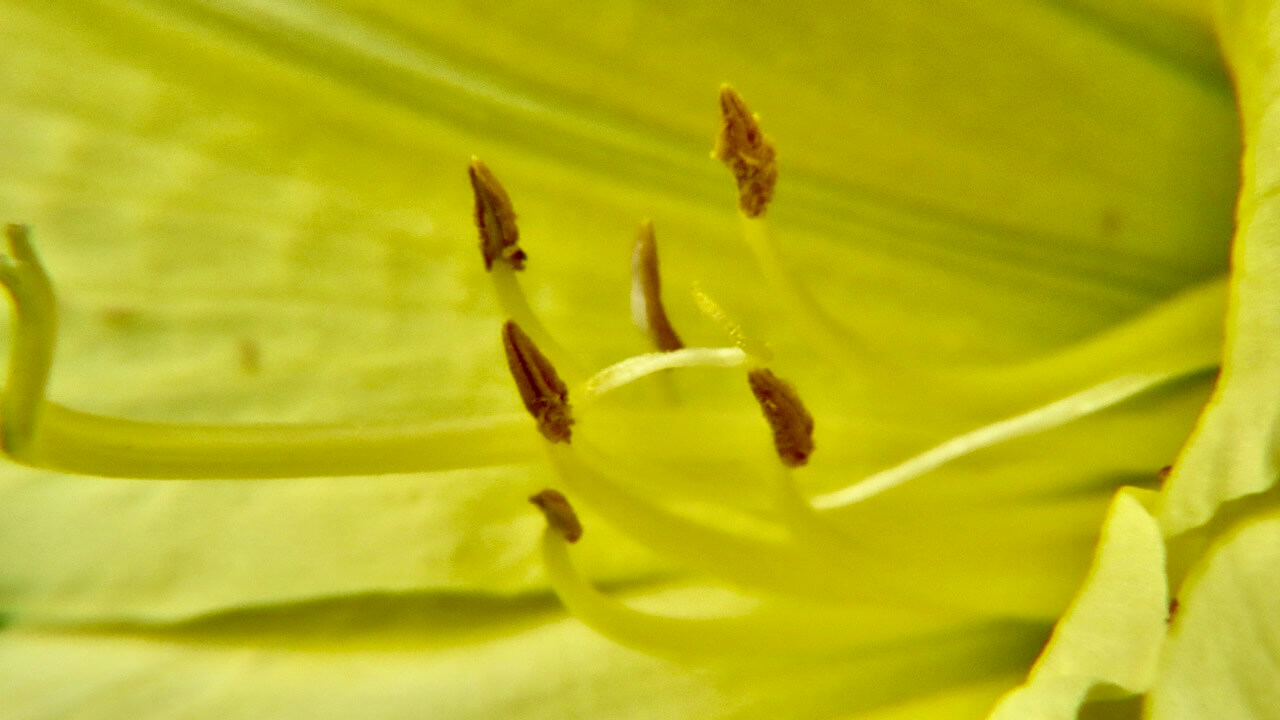
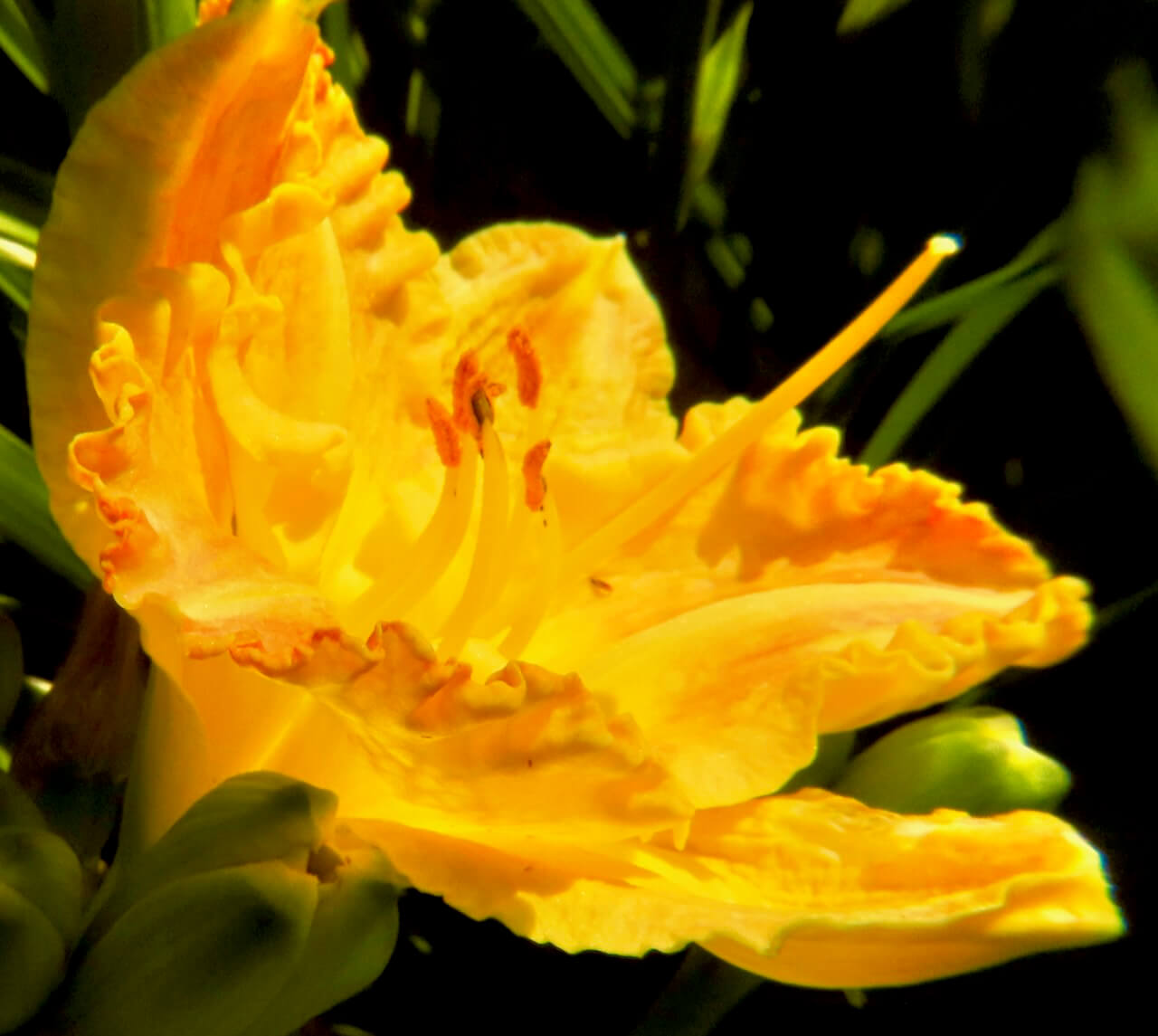
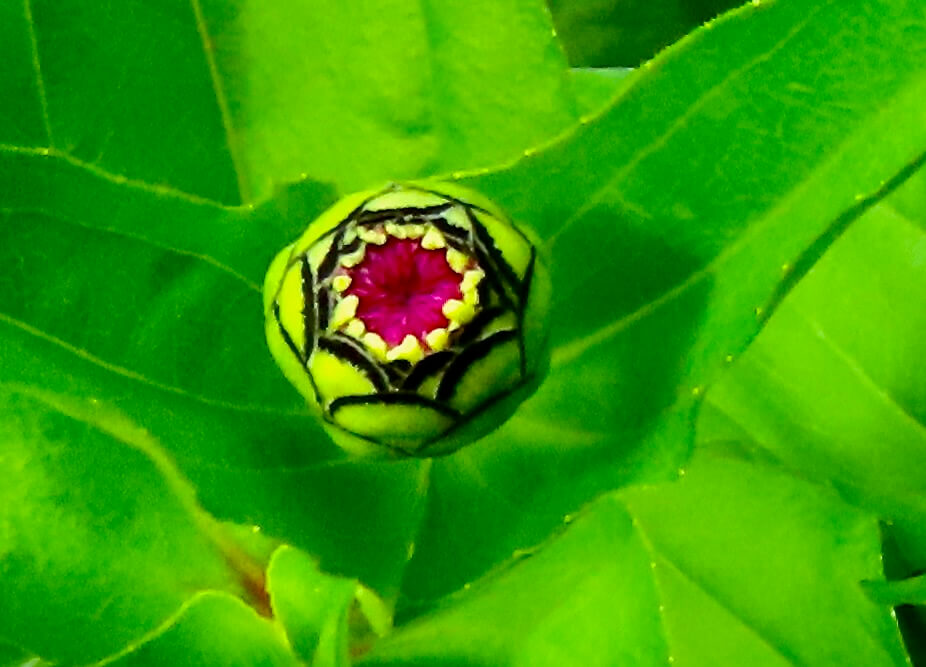
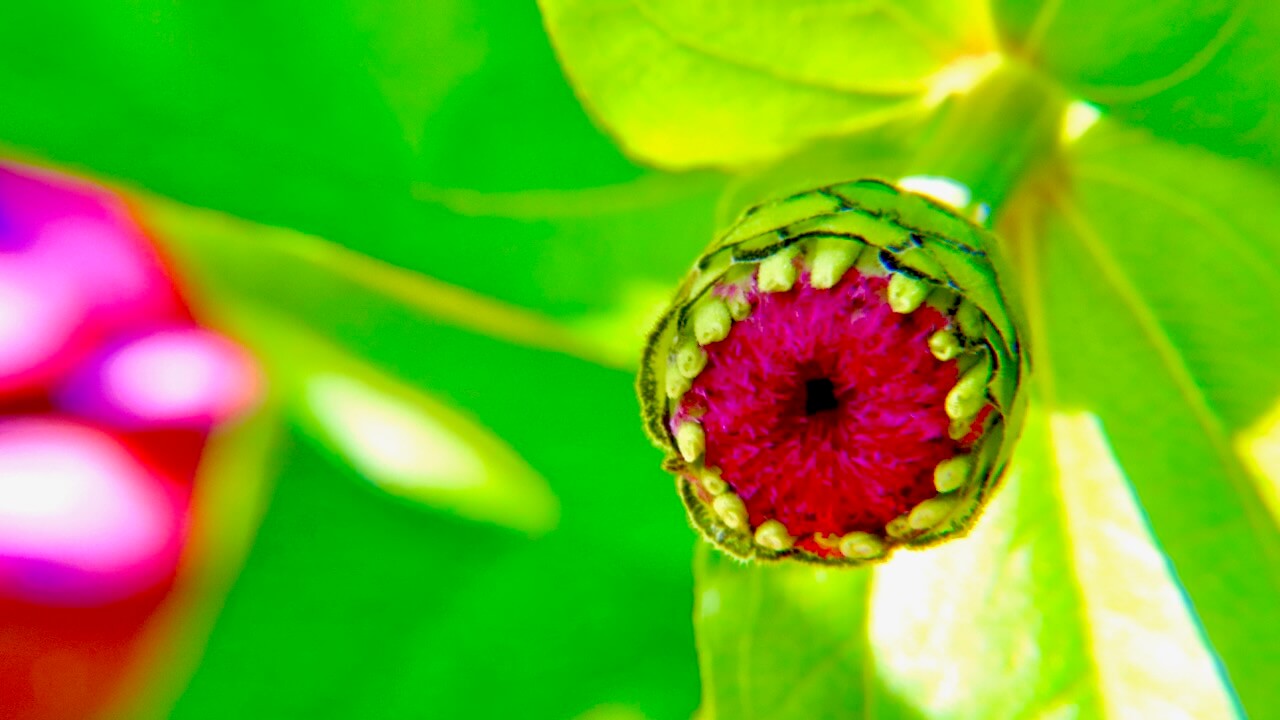
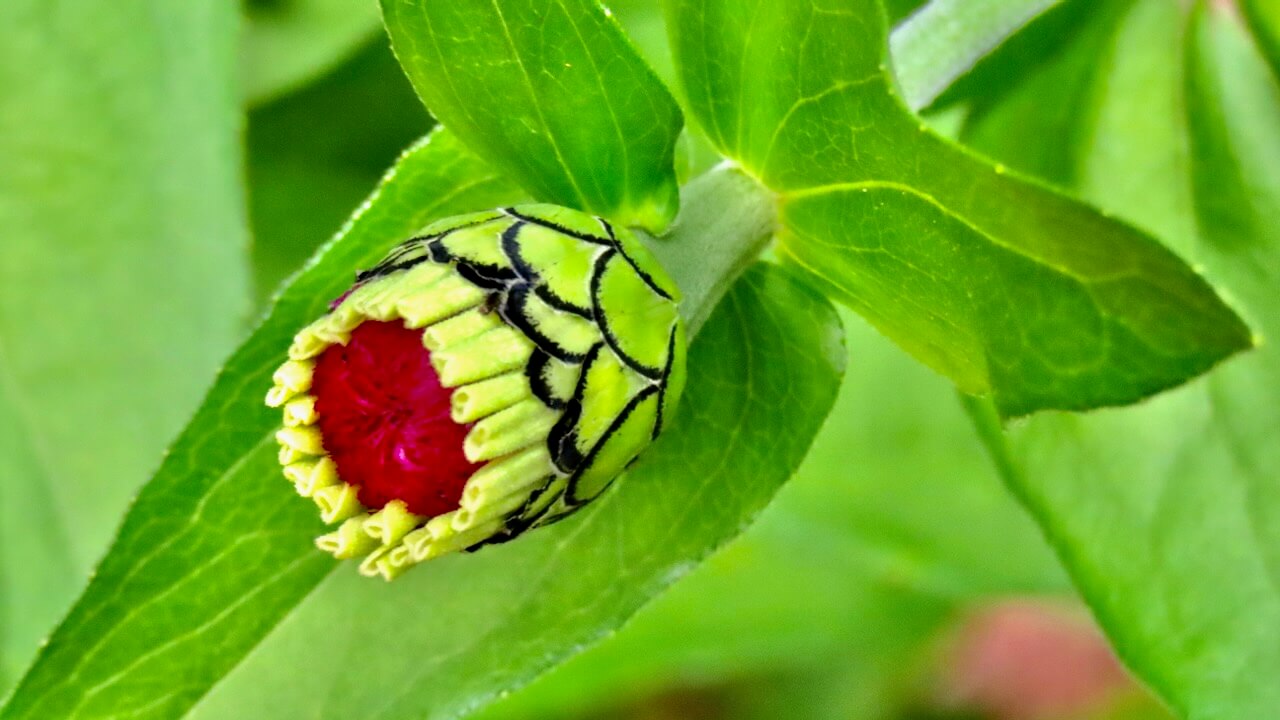
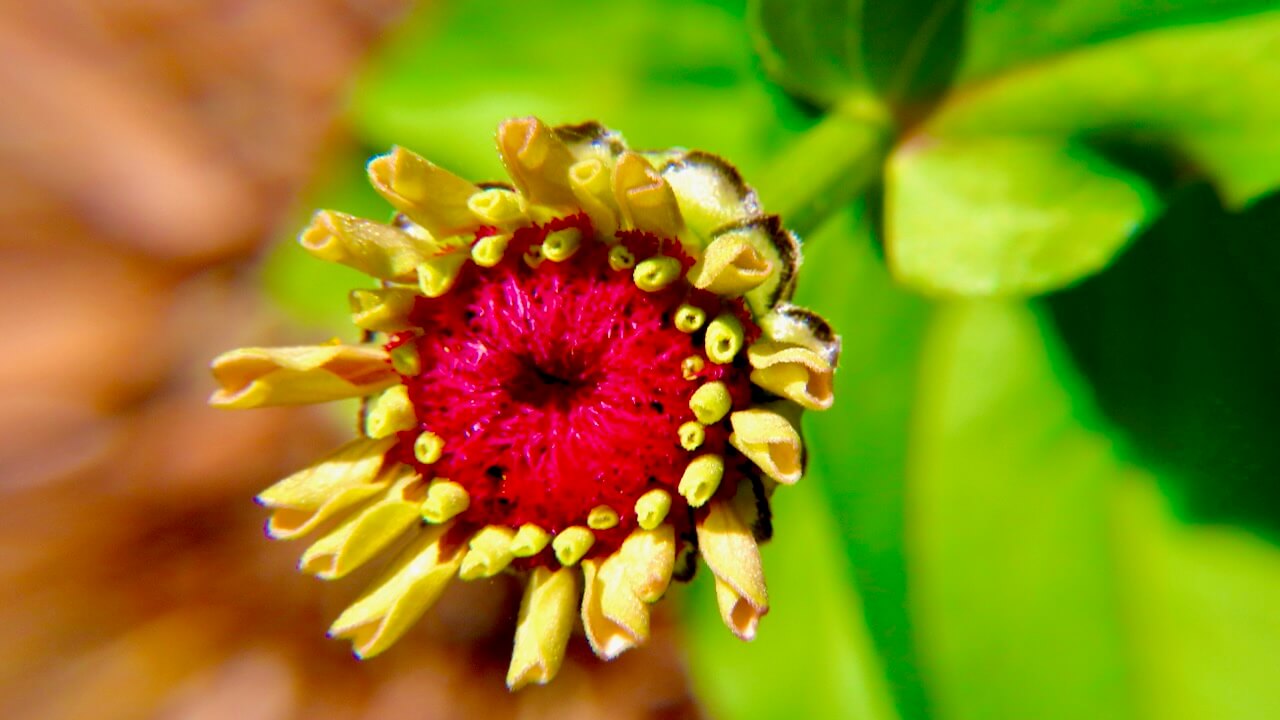
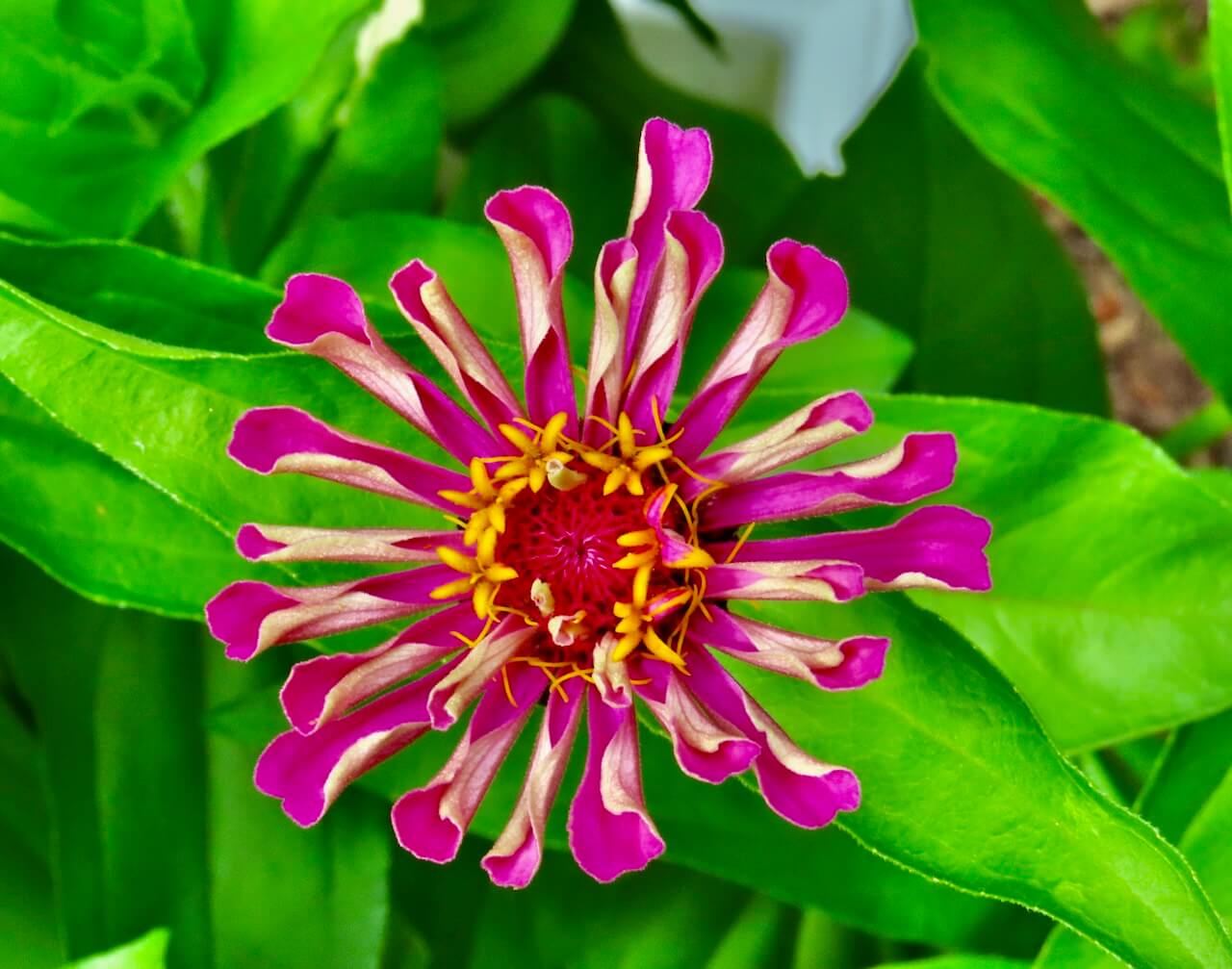
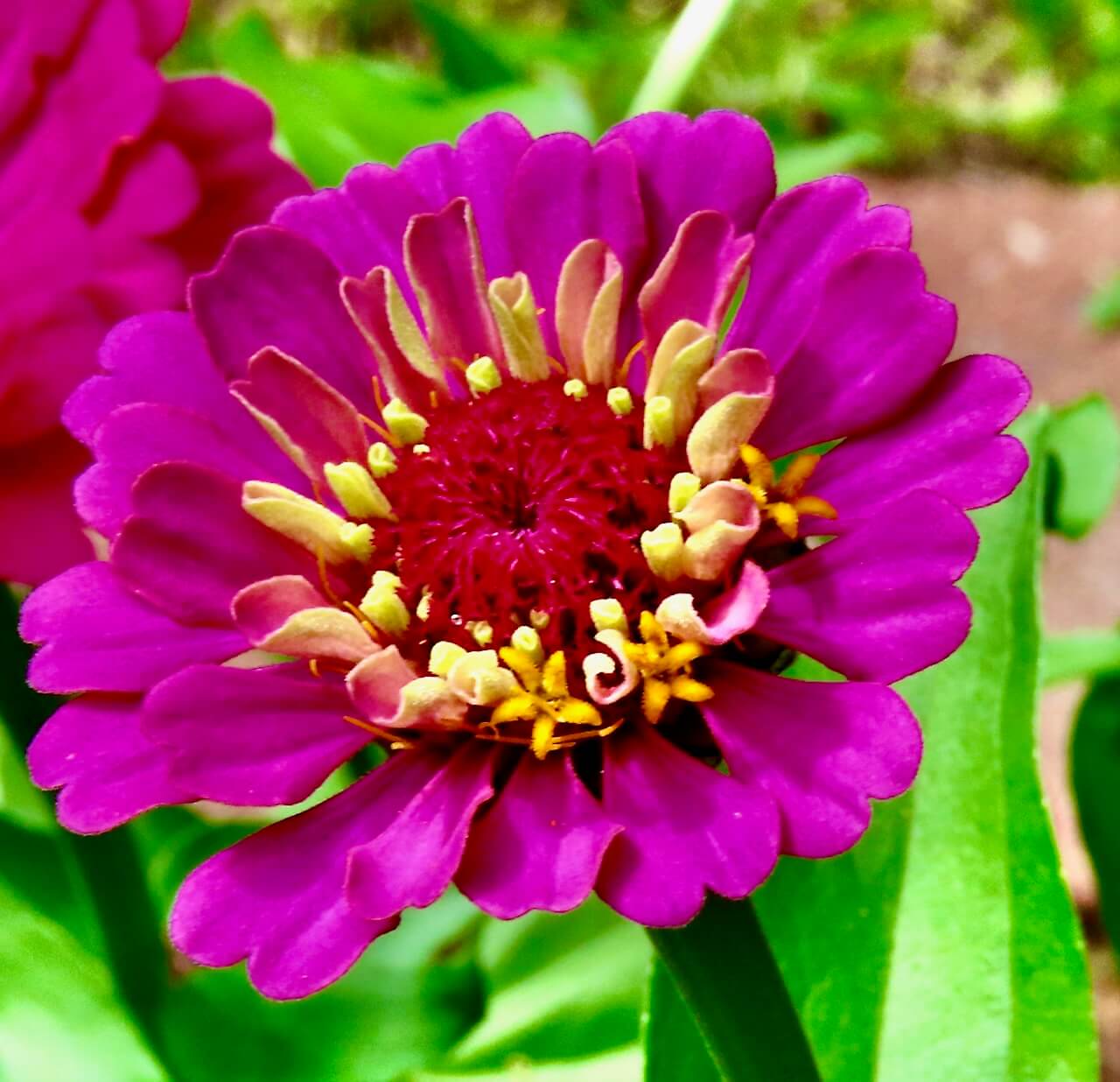
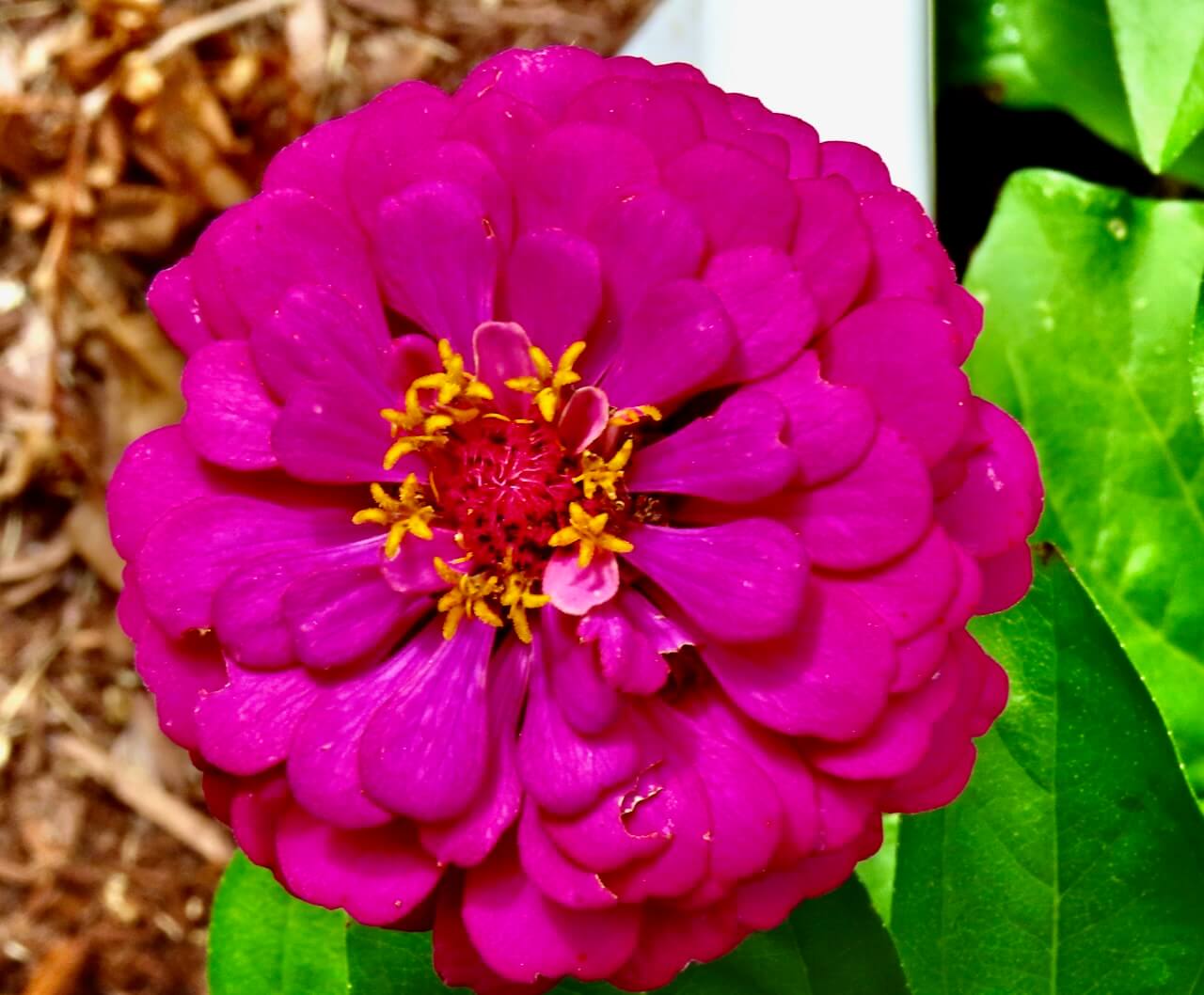
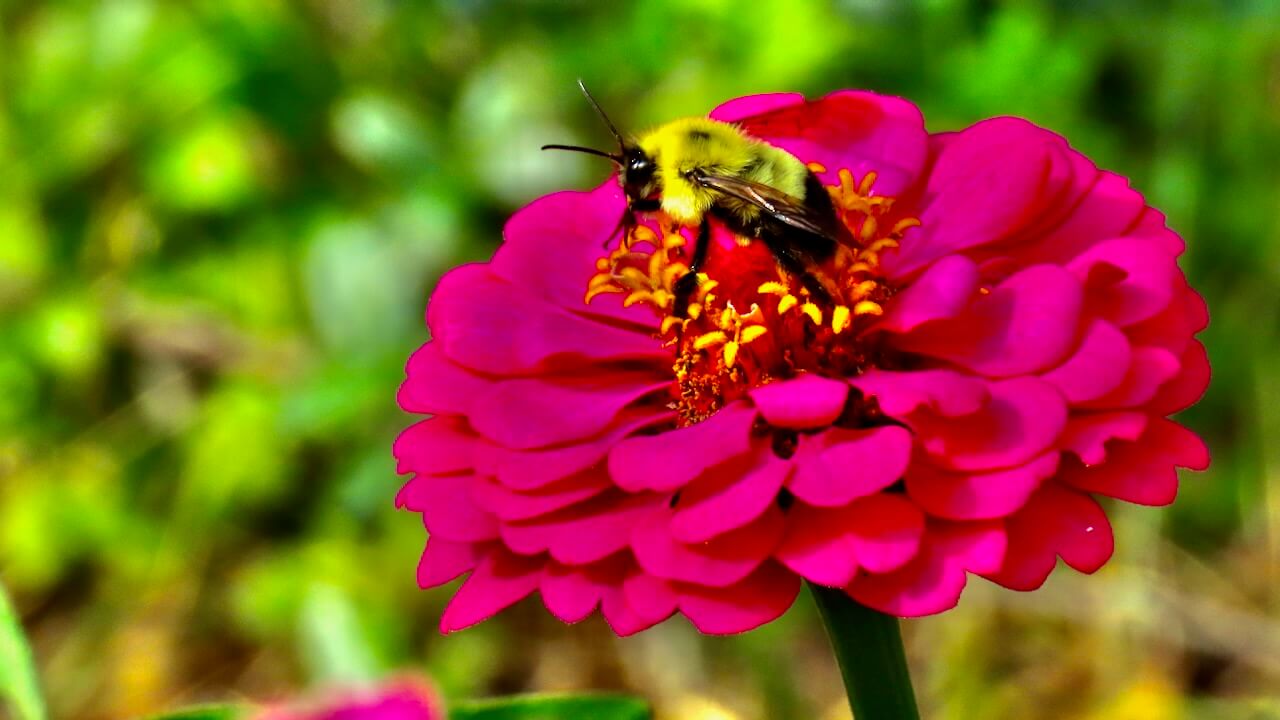
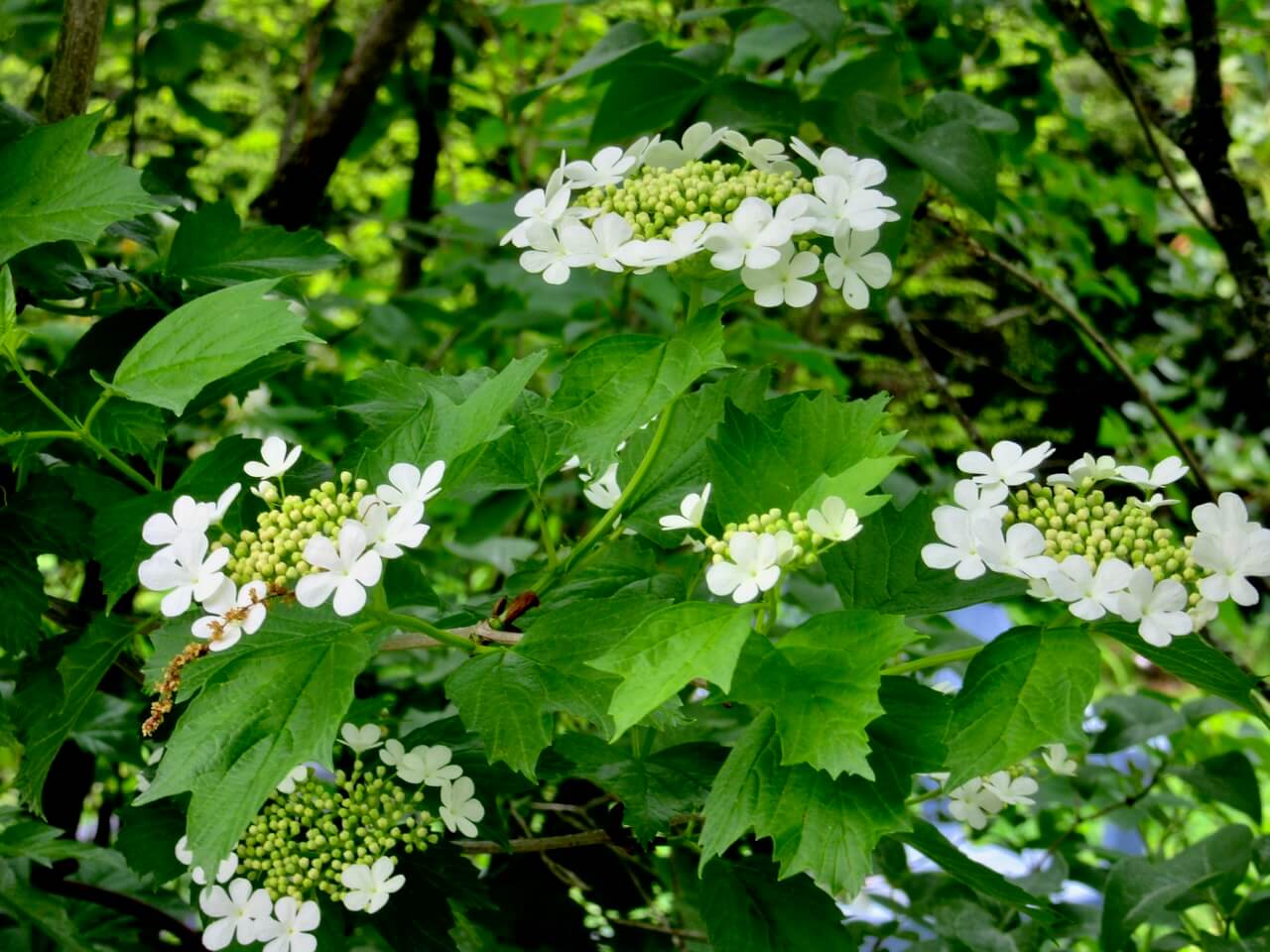
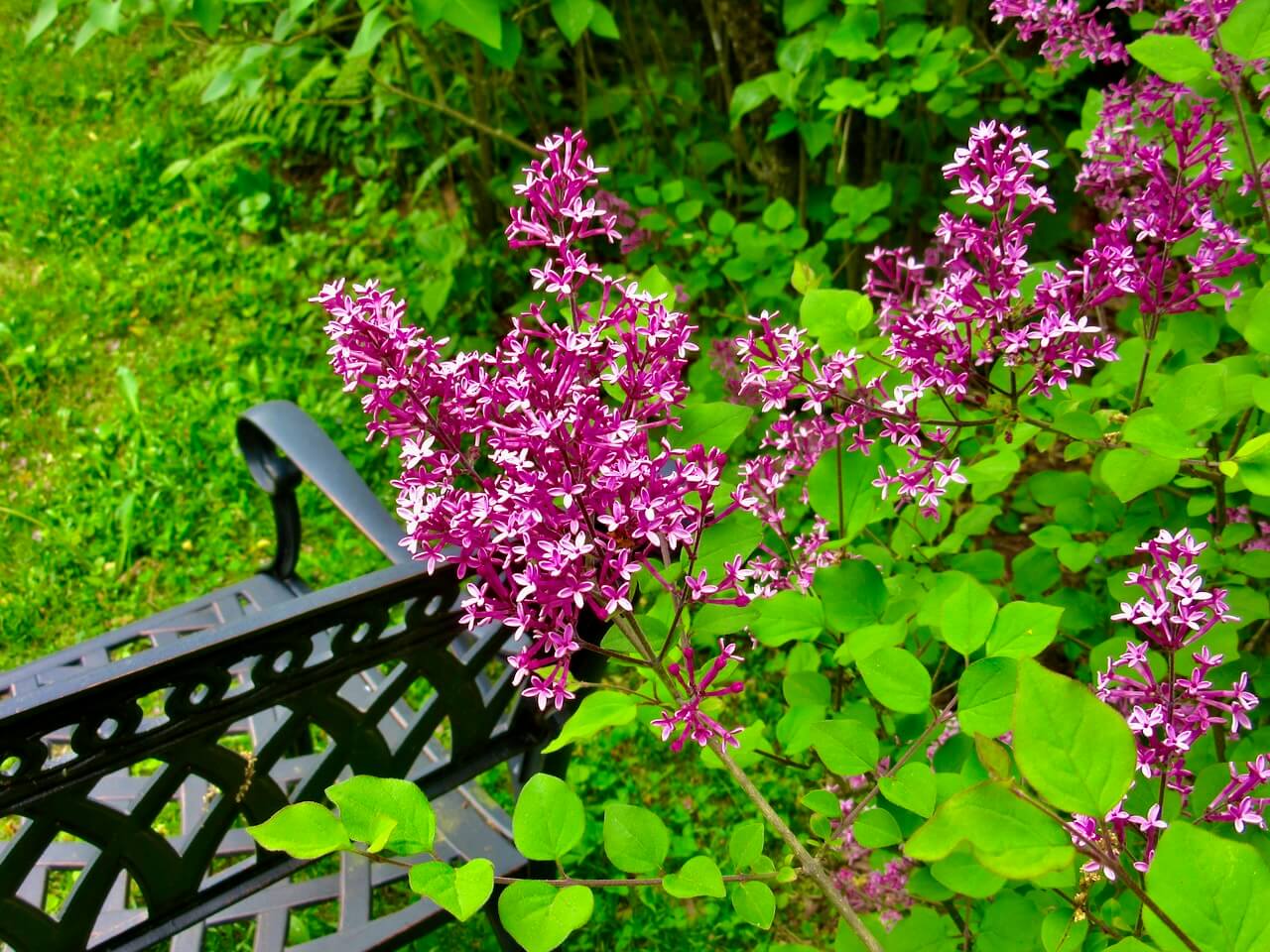
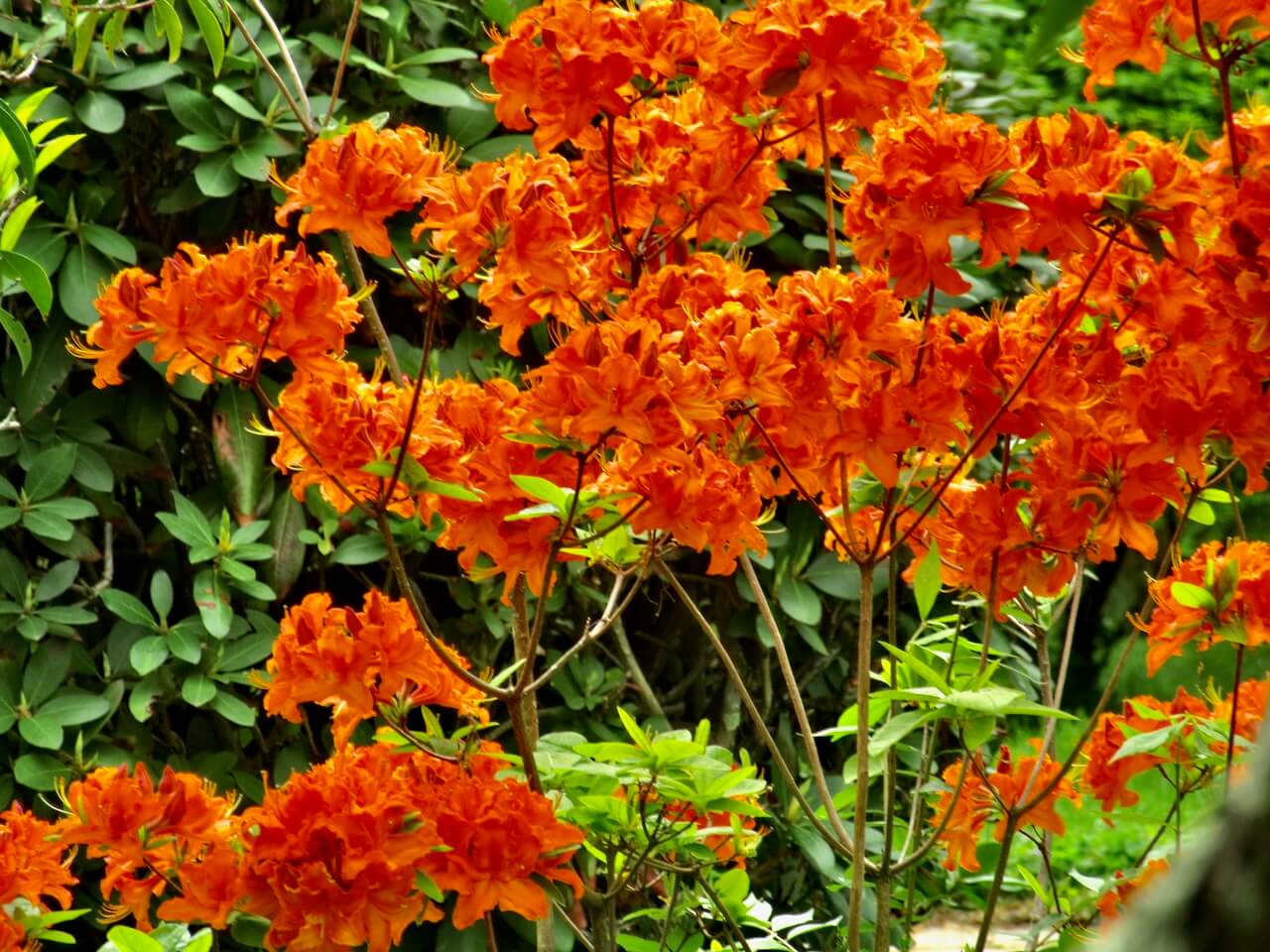
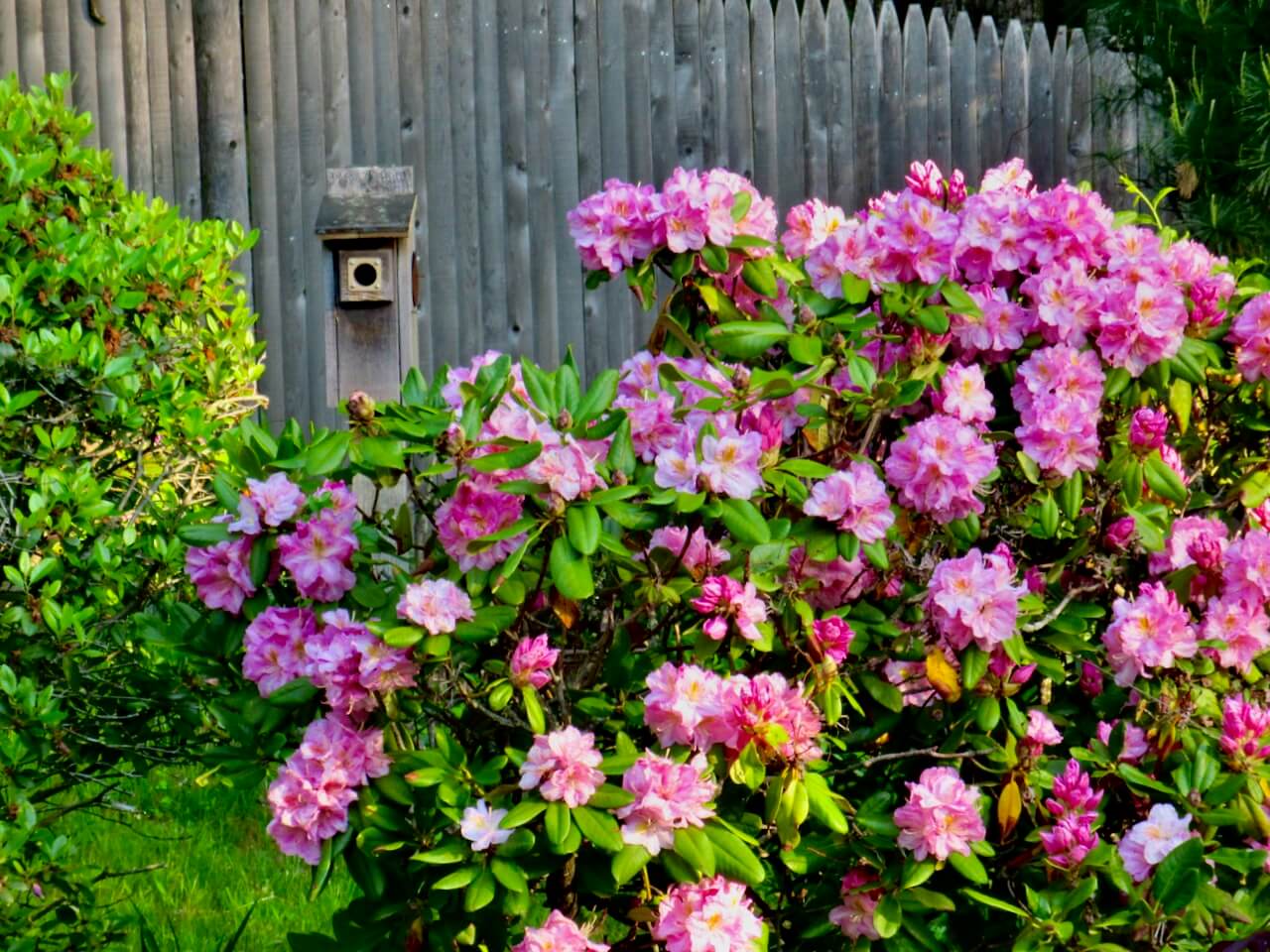
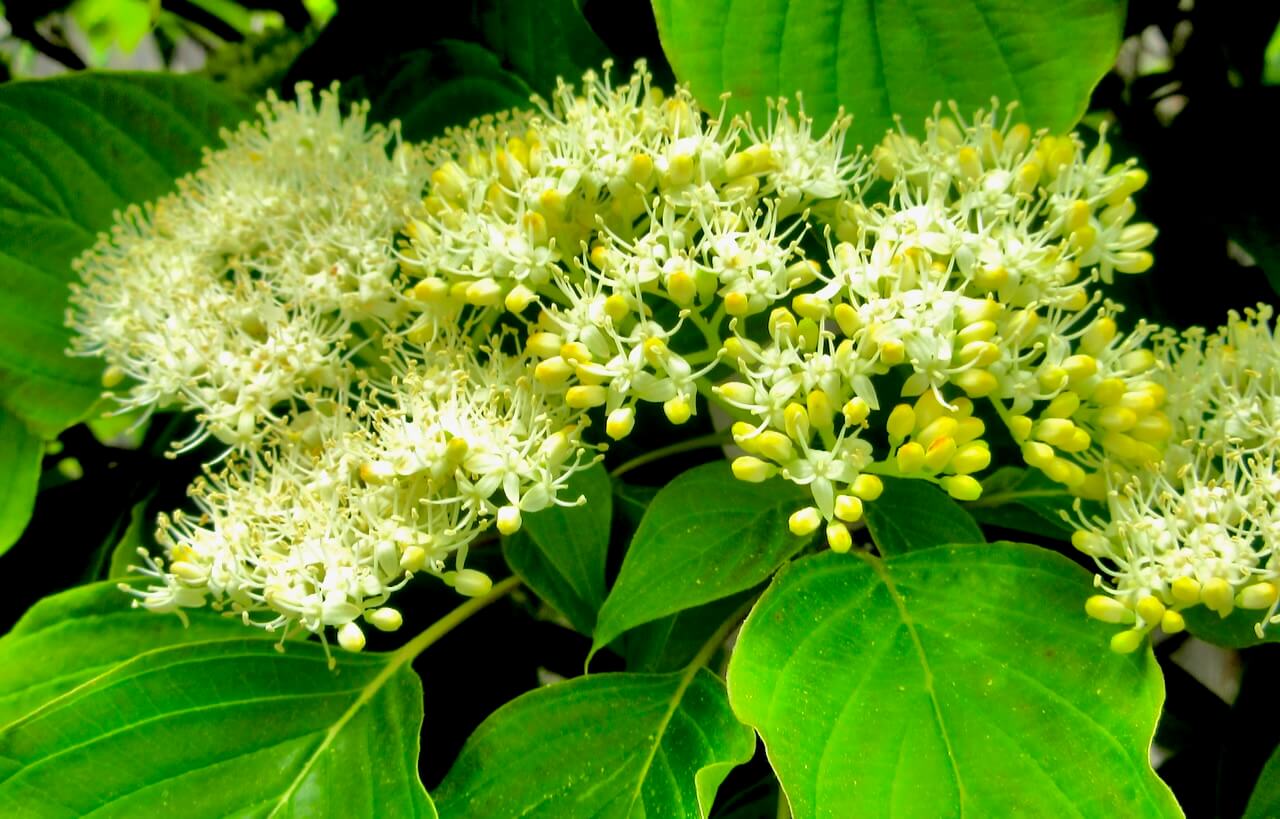
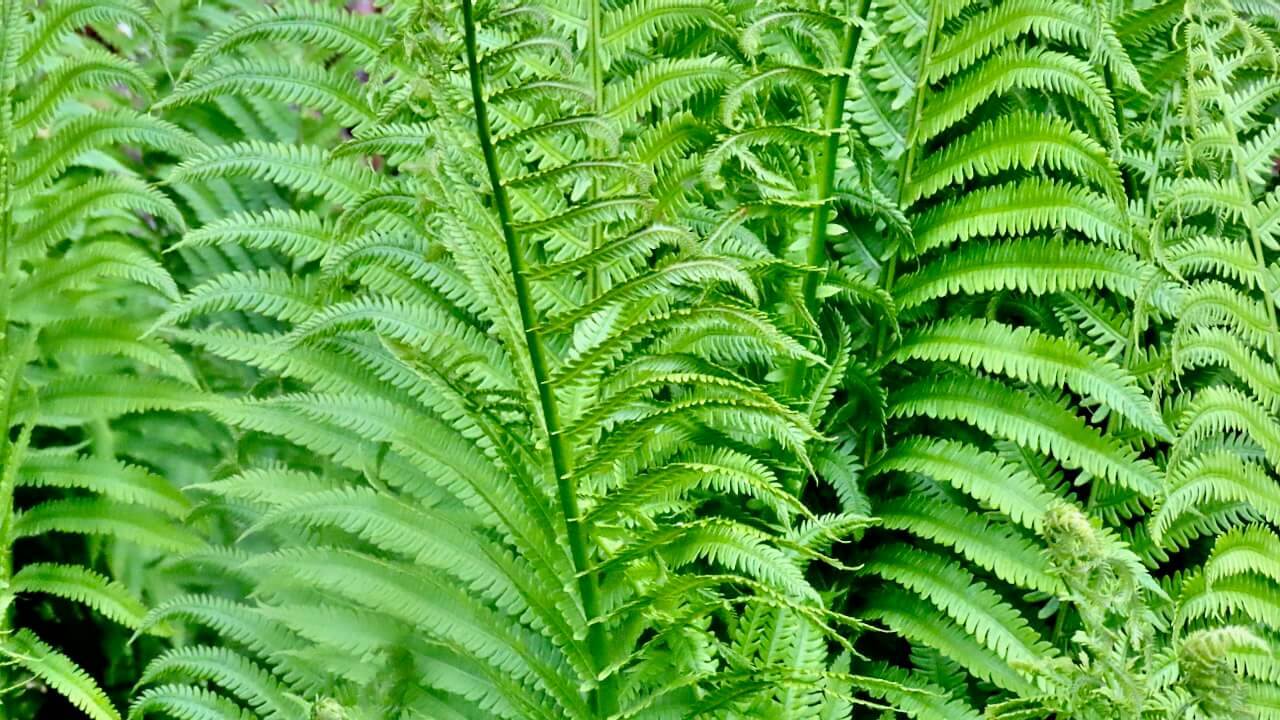
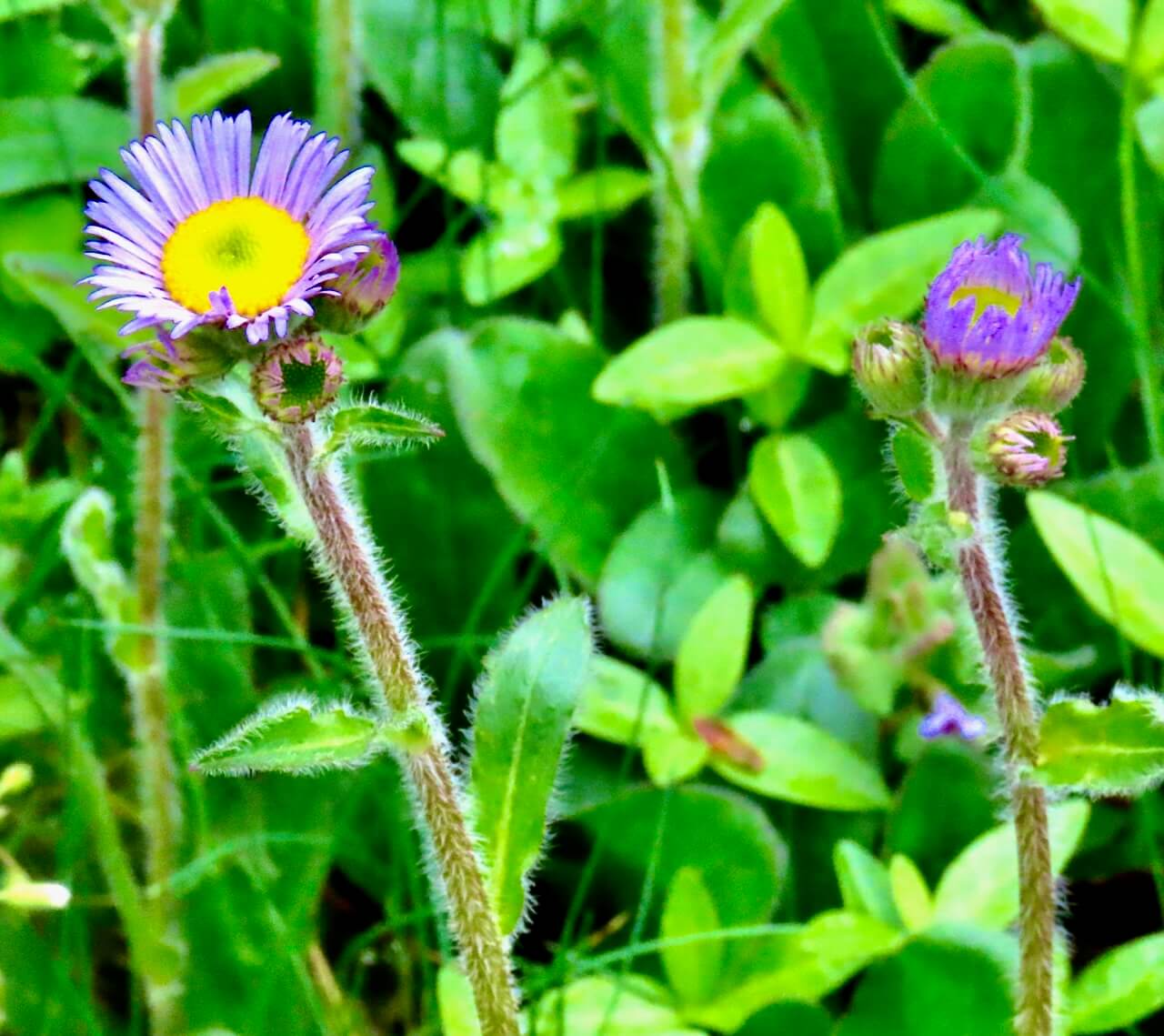
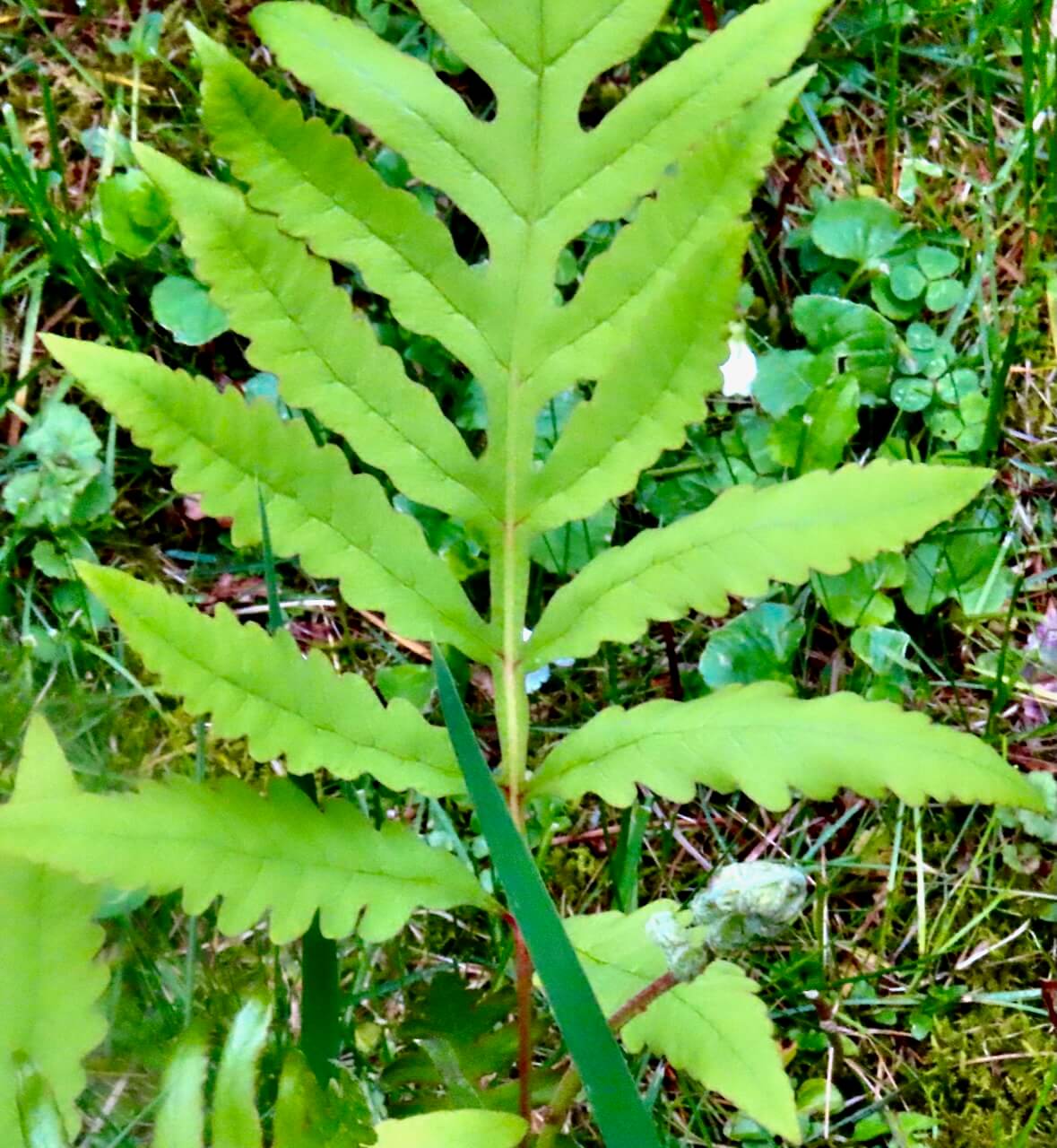
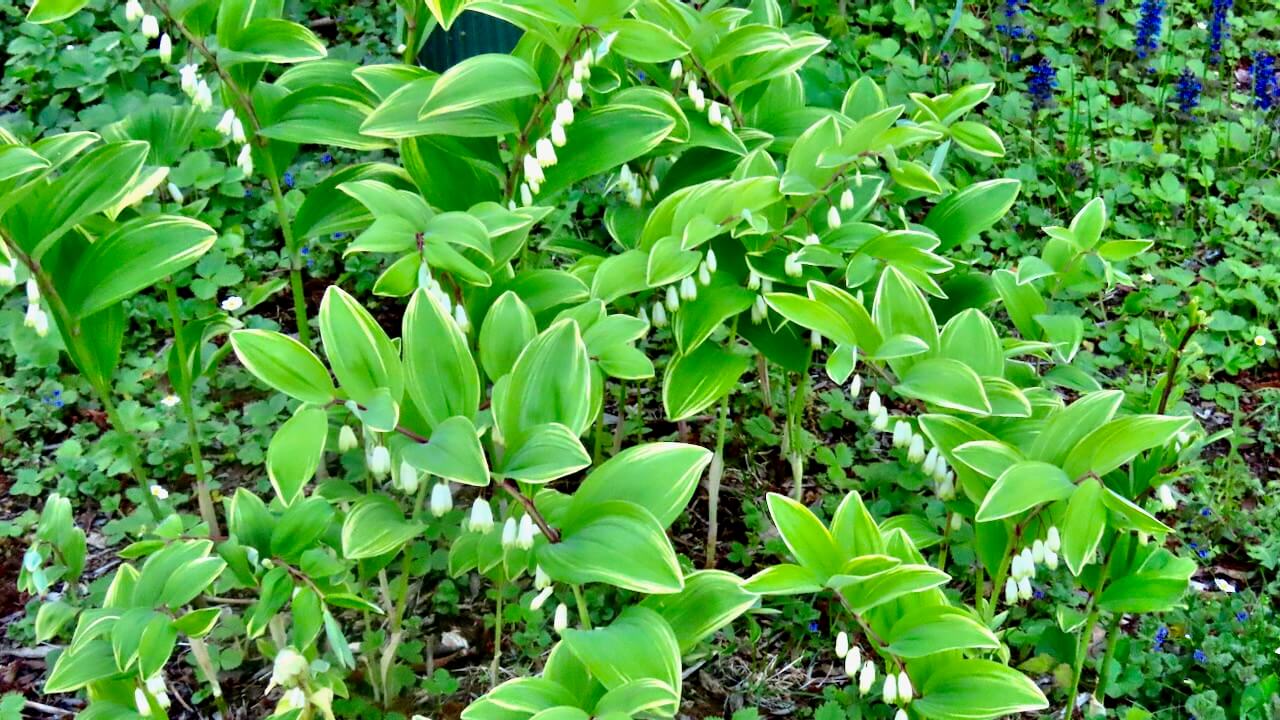
This no-care shade perennial flower is adding welcome early fall color into my garden at a time when many other flowers are past. Its name comes from the distinctive shape of its blossoms, which resemble a turtle’s head with its mouth slightly open. It can bloom through September and into October, depending on the weather.
Mokusois a Japanese term meaning “silent reflection” or “meditation”. In photography, it refers to a mindful state of calm awareness. The photographer breathes quietly and steadily, observes a scene deeply and waits patiently to capture the right moment .
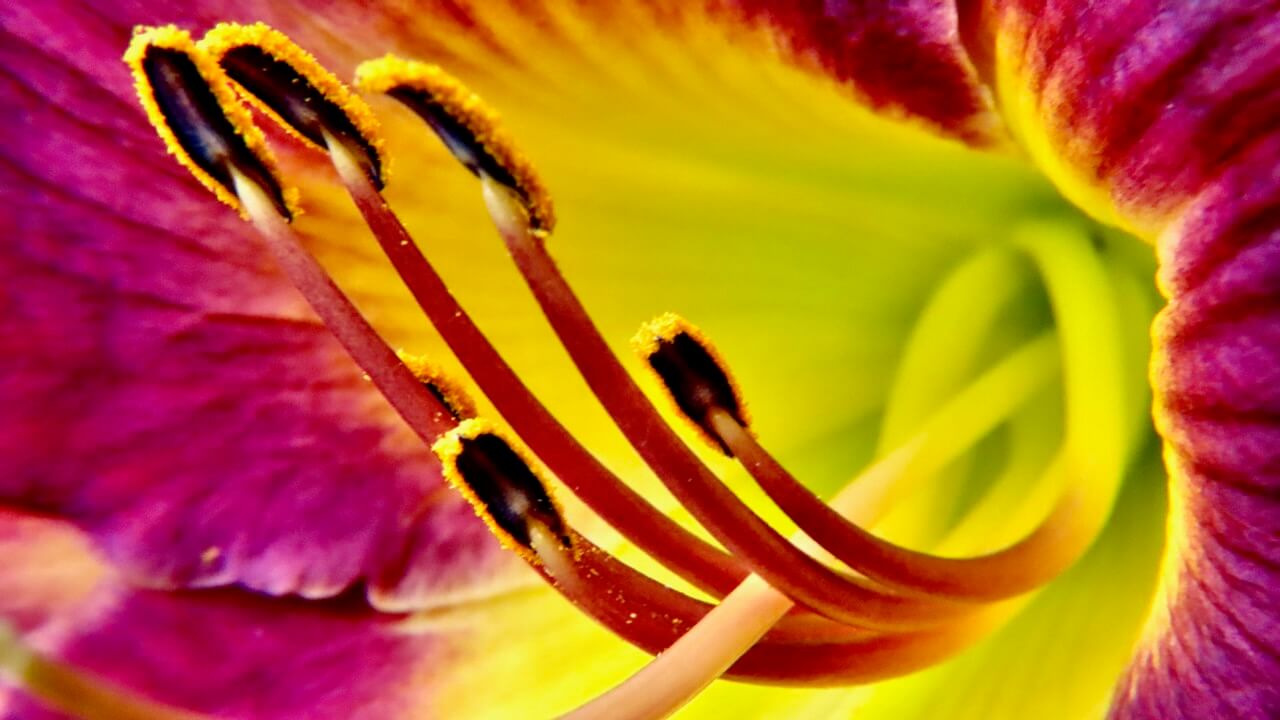
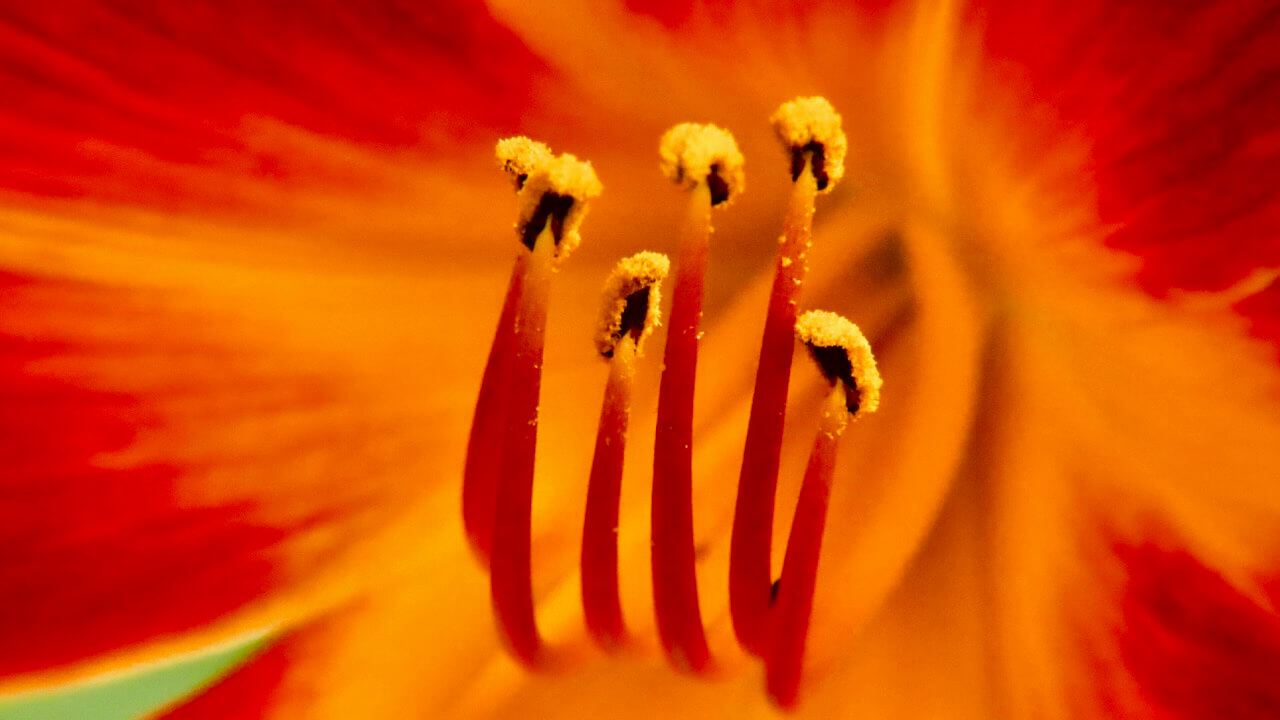
The scientific name for daylilies, hemerocallis, comes from the Greek words hermera, meaning day and kallos, meaning beauty. The two terms together can be translated as “beauty for a day”. This term aptly describes the lifespan of the plant, as each individual flower lasts only one day.
Daylilies are at their height in Central Massachusetts right now. As I travel the area, colorful lily displays abound, most likely due to the consistent sun and heat this season. Below are a few “beauties for a day” that I enjoyed in my own garden recently.
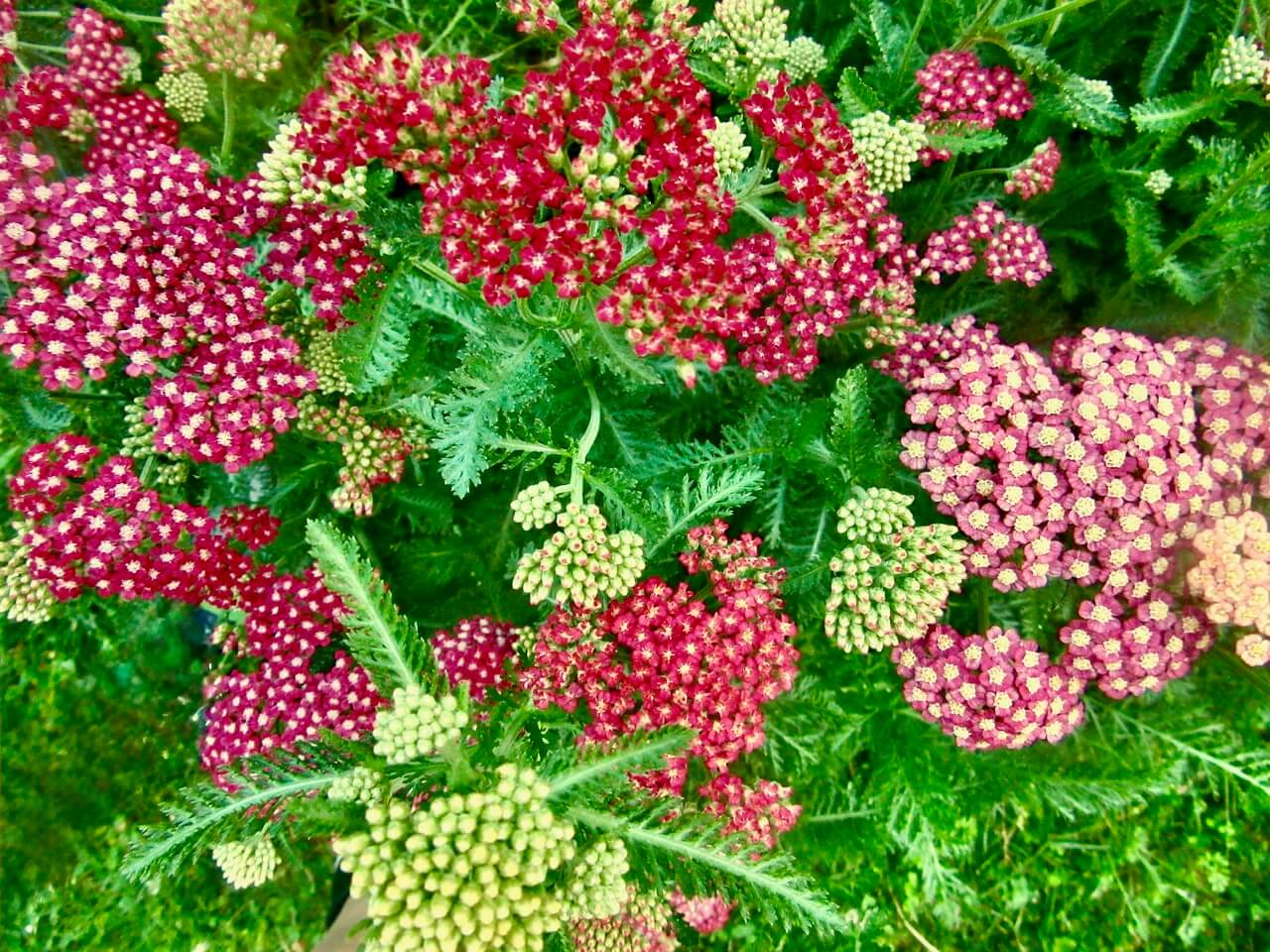
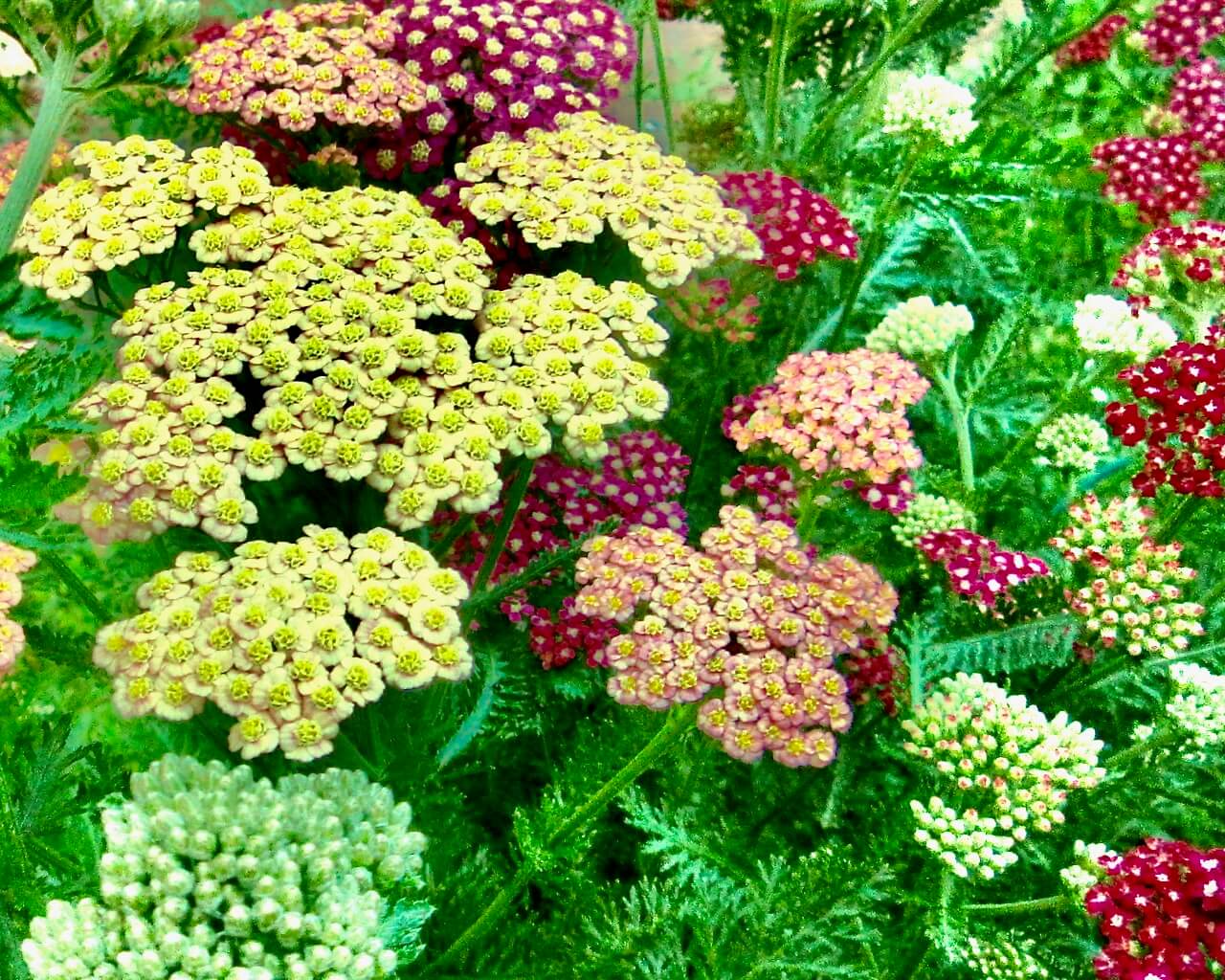
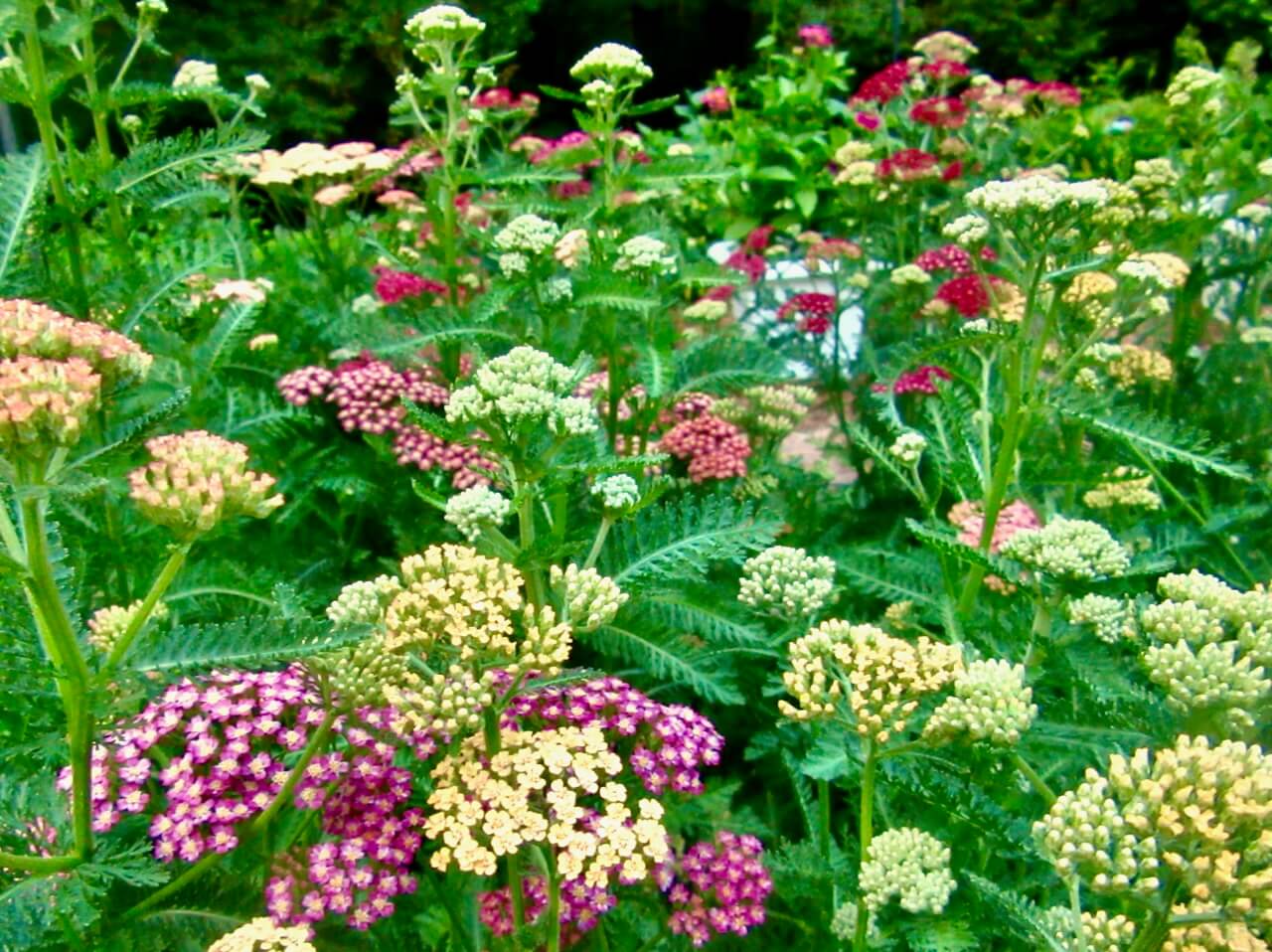
I’ve read that rabbits and woodchucks dislike the strong scent, bitter taste and tough texture of yarrow, and will avoid it in my yard. Fingers crossed!
Holden, MassachusettsOrange daylilies like this one abound everywhere I look. They are also known as “ditch lilies”, as they thrive in neglected areas like drainage ditches, fields, and railroad tracks. These humble plants are very hardy and extremely easy to grow. They don’t mind poor soil, tolerate pollution and drought, and prevent soil erosion. Ditch lily blossoms are edible, and sometimes cooked in a similar manner to squash blossoms.
The ditch lily softens and adds interest to this fieldstone foundation.
Asiatic lilies take up where the ditch lilies left off. Unlike the ditch lilies that grow from roots, Asiatic lilies grow from bulbs, are are highly prized for cut flowers. Here the lilies are placed in front of a spirea bush for contrast.The aptly named “candy corn” spirea picks up on the orange theme with leaves that change from green to orange to red over time.Candy corn spireas are topped off with raspberry blossoms.
Here, the Asiatic lilies contrast with evergreens nearby, lending a more “Eastern” feeling.
The plain ditch lilies thrive in front of a hemlock tree and a bucket of flowers. (The flowers in the bucket are fake, having been placed there earlier for some needed color, but are surely not necessary now. ) Hurrah for orangeade in July!
A lightly edited reblog of a post from this day in 2021.
Iris means “rainbow” in Greek.
In Greek mythology, the goddess Iris carried messages from heaven to earth on the arc of the rainbow. Beautiful flowers appeared wherever she set foot on the ground.
Irises in a rainbow of colors are blooming in my garden this week!
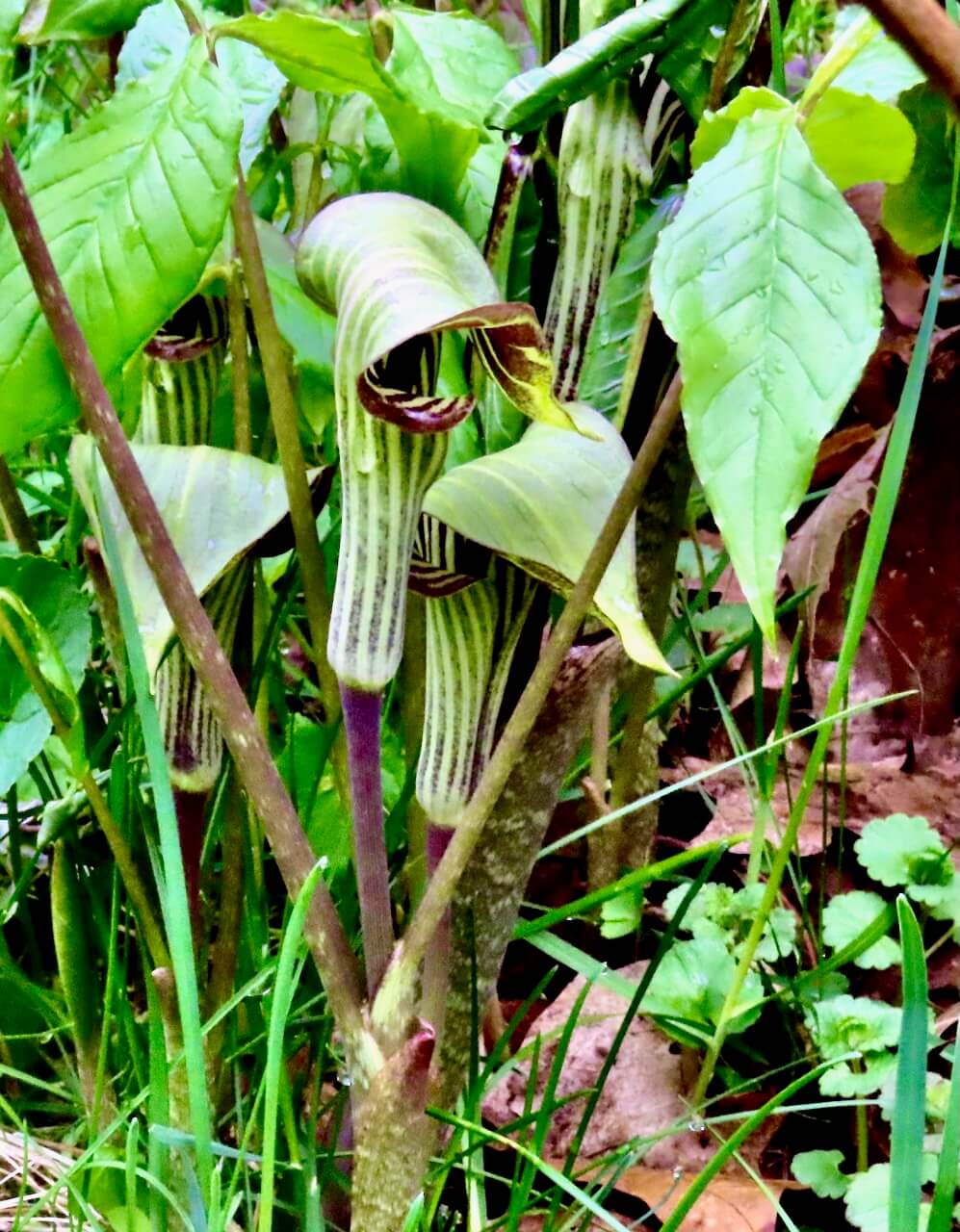
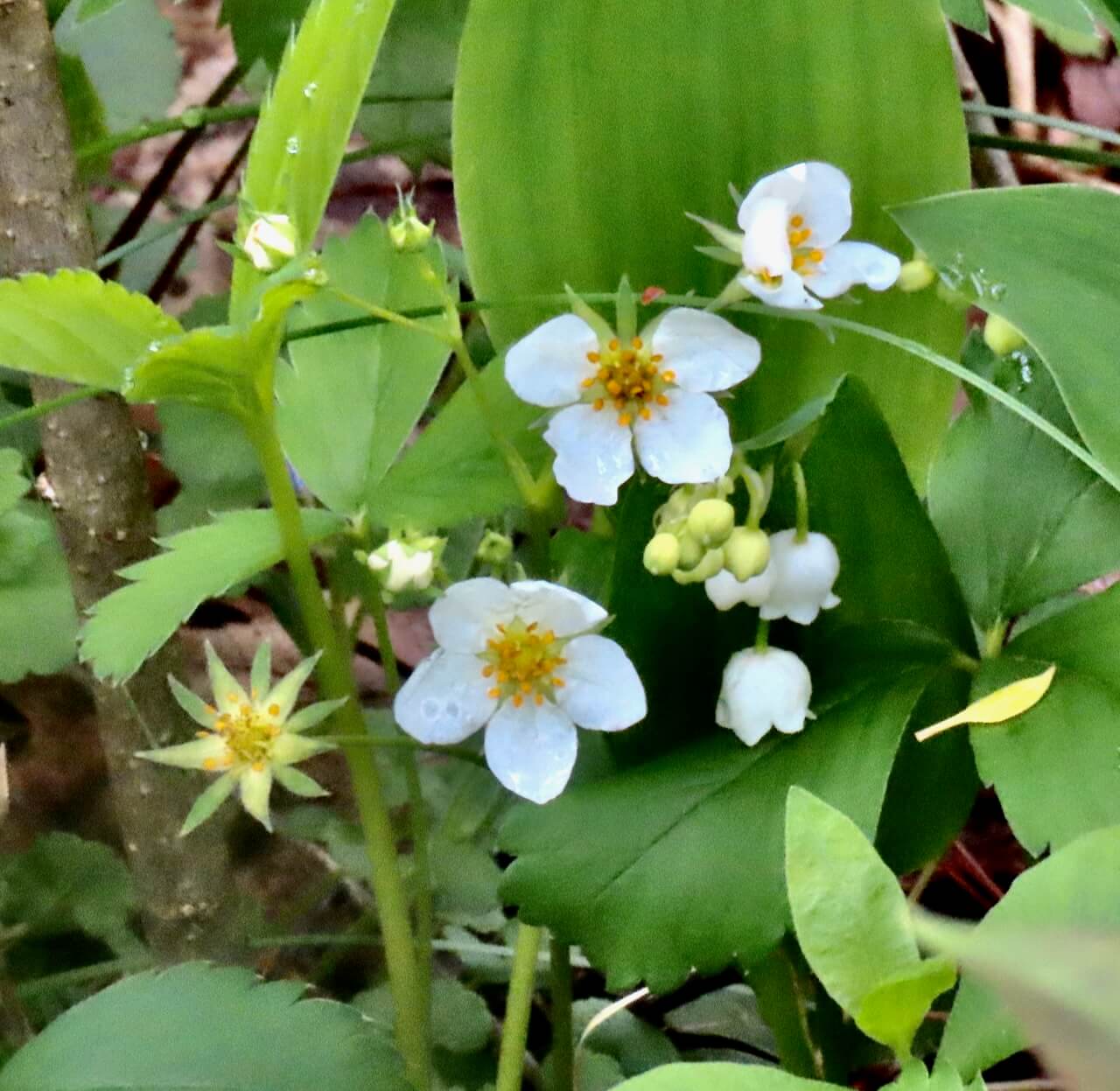
It wouldn’t be spring without the return of these native plants in my yard. According to the National Audubon Society:
Native plants thrive in your local climate and soil, making them low-maintenance and naturally pest -resistant. By supporting the local food web, they provide vital food and shelter for birds, butterflies, and bees while helping conserve water, prevent soil erosion, and build healthier ecosystems.
The Baldwin apple tree in my yard is teeming with blossoms this week. This classic heirloom apple was discovered around 1740 in Massachusetts. It became the most popular and commercially successful variety in New England right up until 1934, when a deep freeze killed millions of the trees, nearly wiping out the variety.
Baldwin blossoms are part of the rose family, and the petals are edible. They are noted for being highly fragrant and sweeter tasting than modern apple varieties. They can be used as a garnish for salads or desserts, in herbal teas, infused in liqueur or even made into apple bossom jelly.
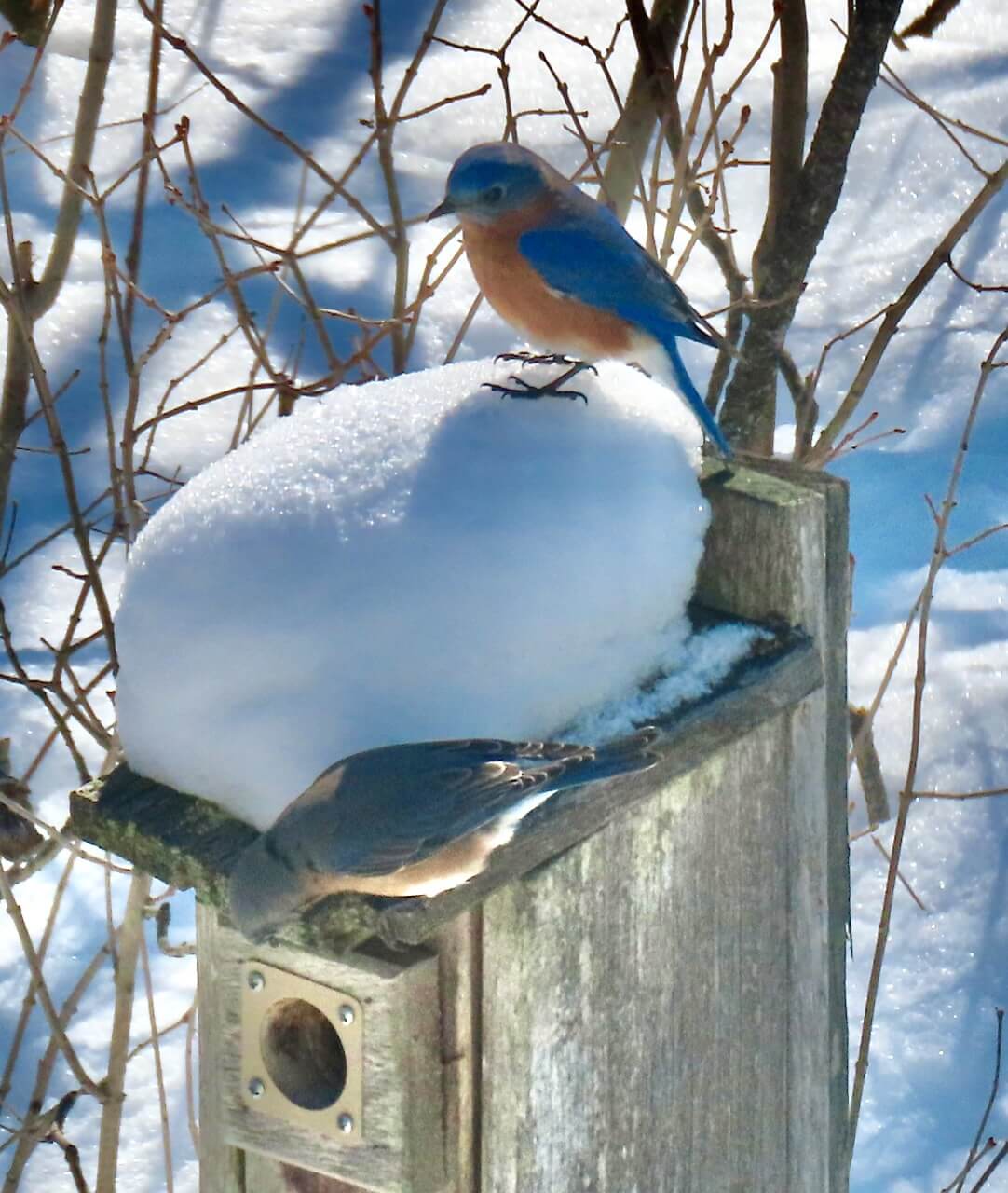
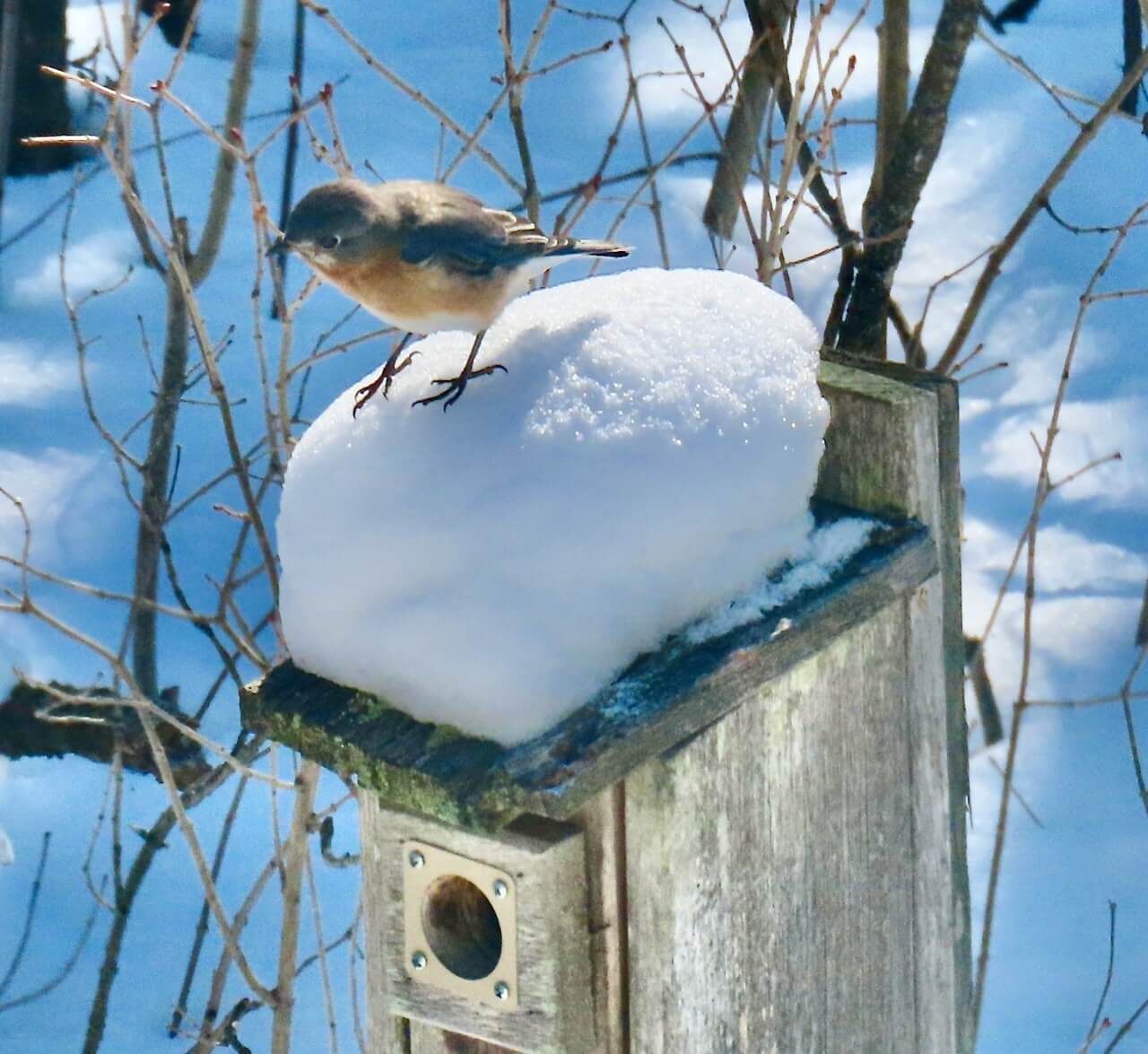
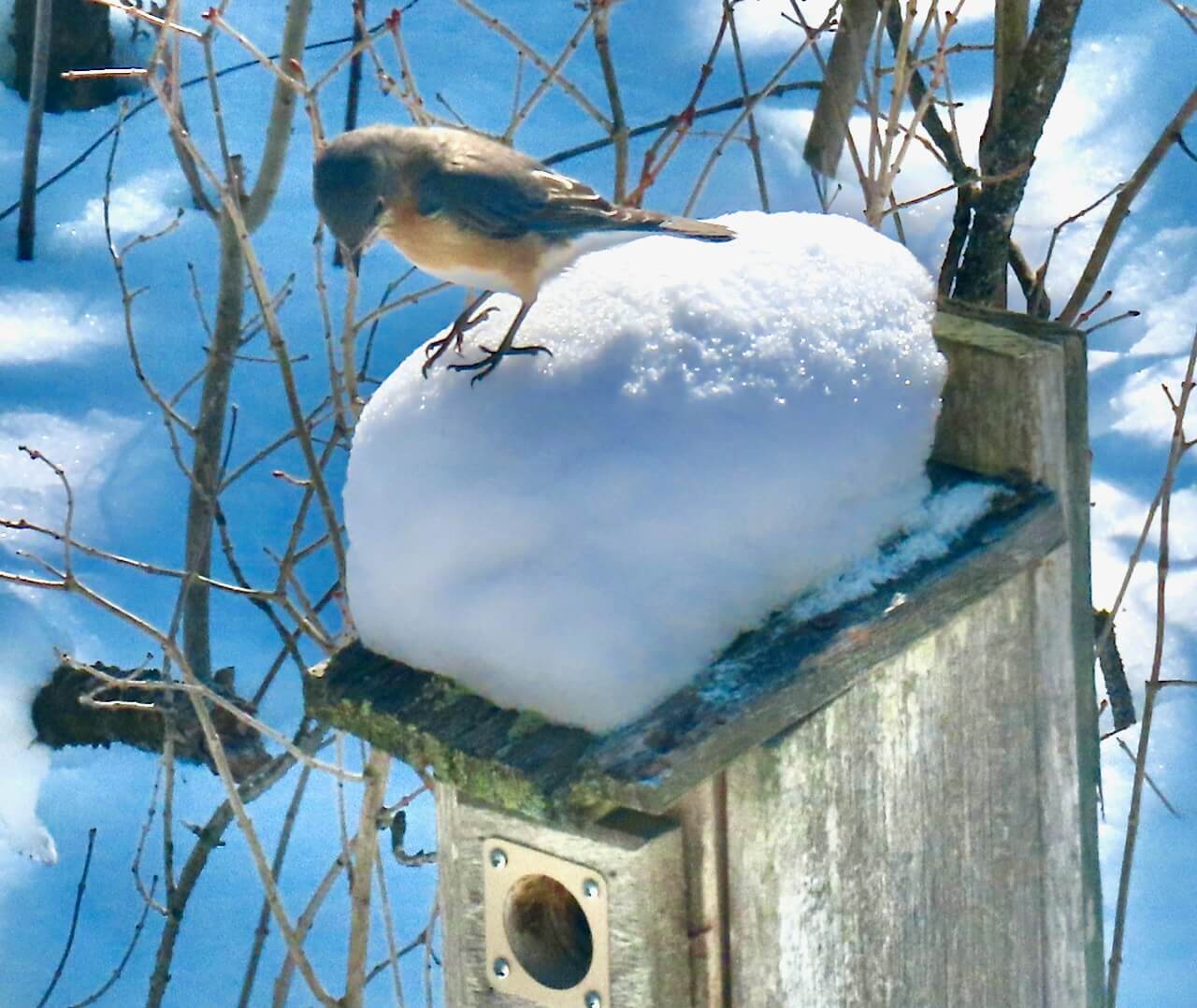
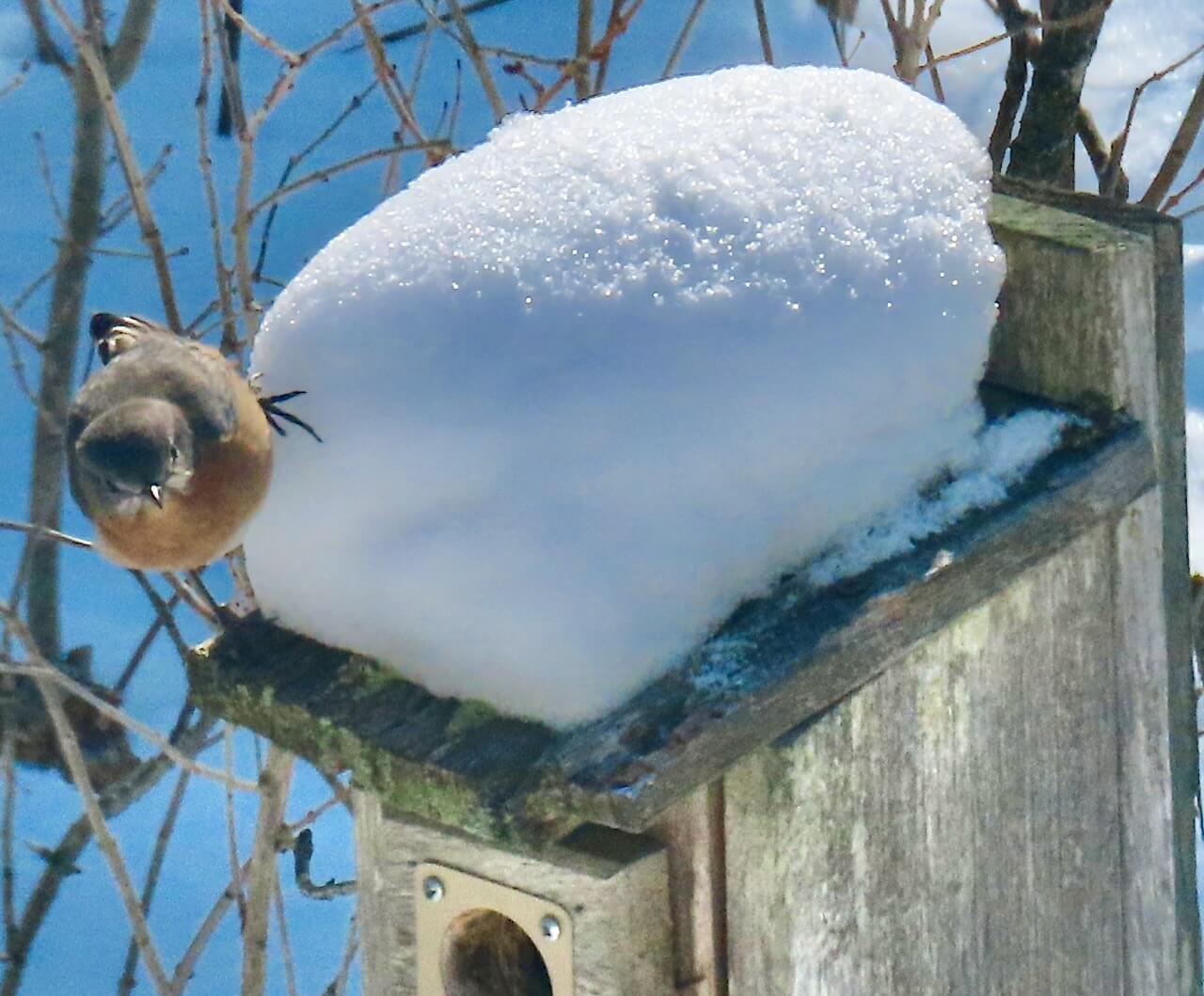
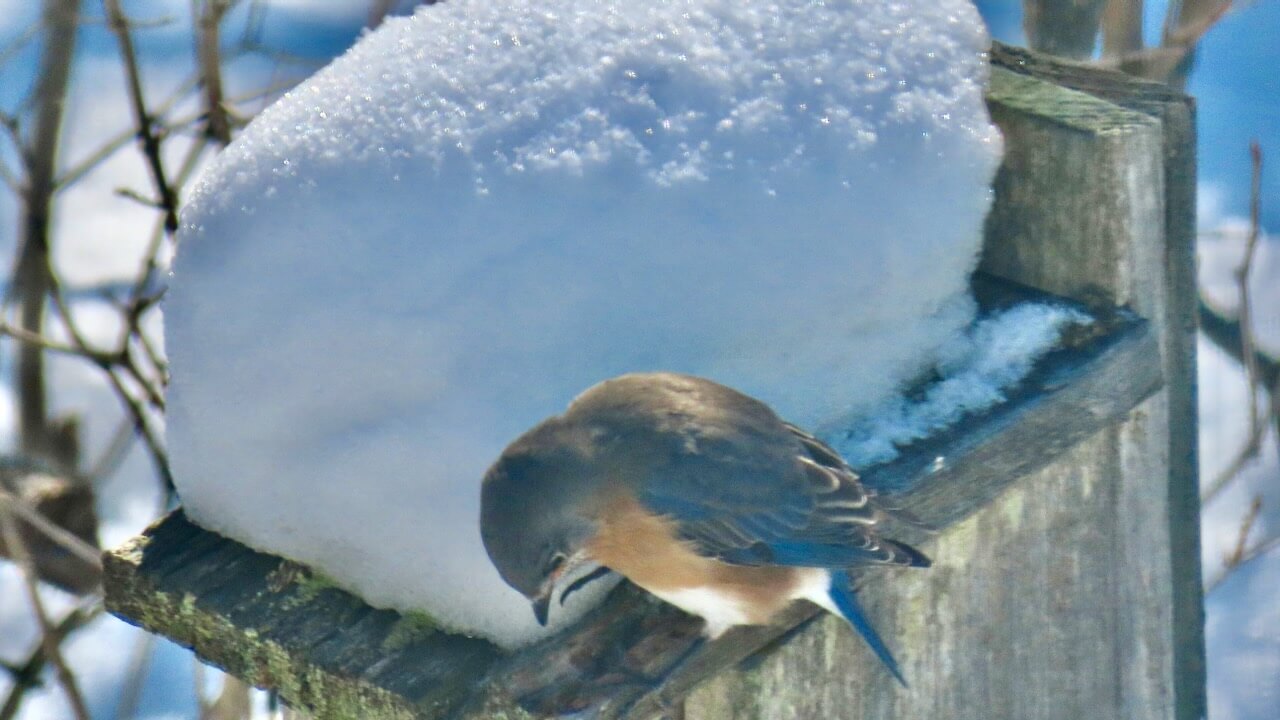
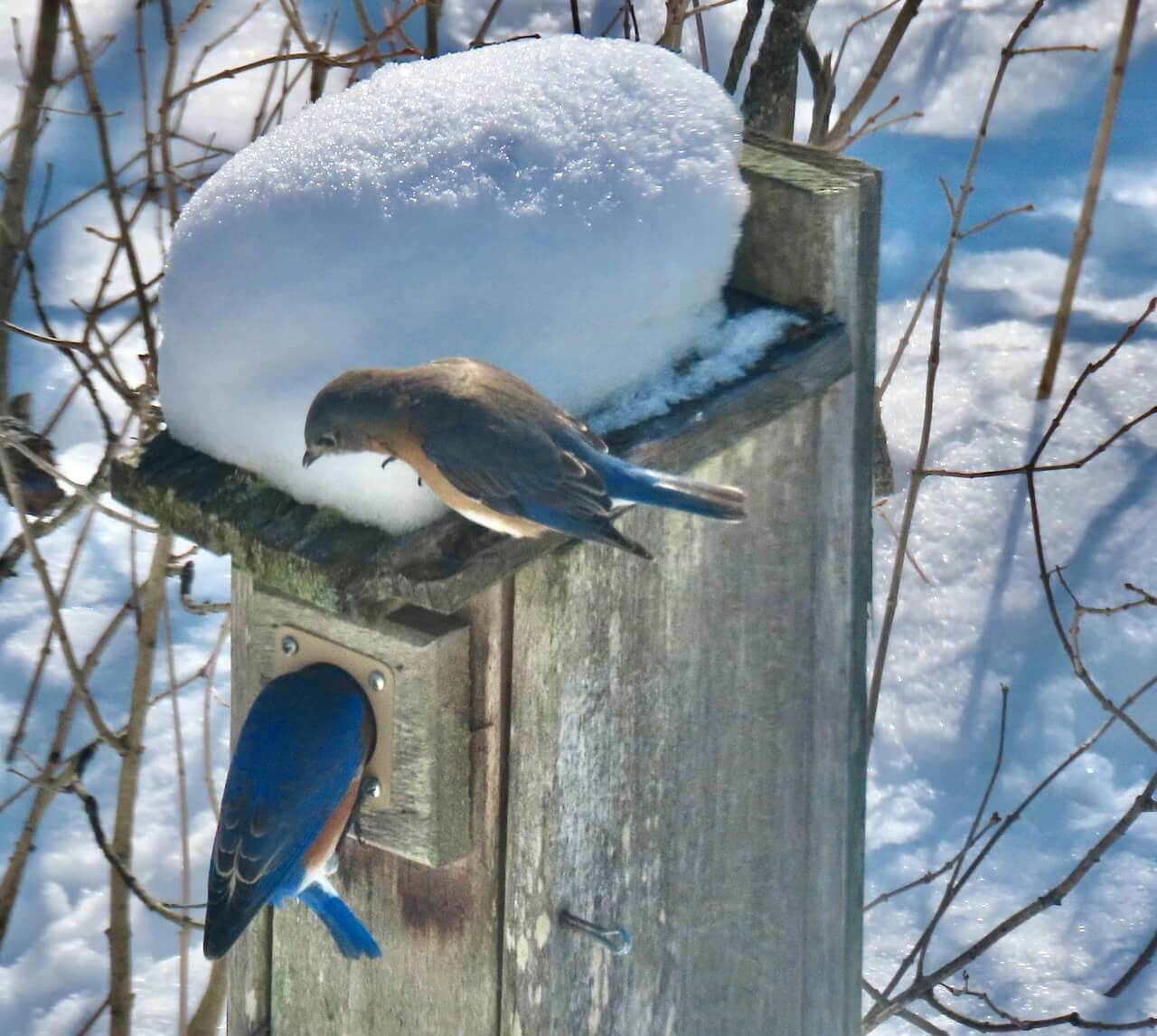
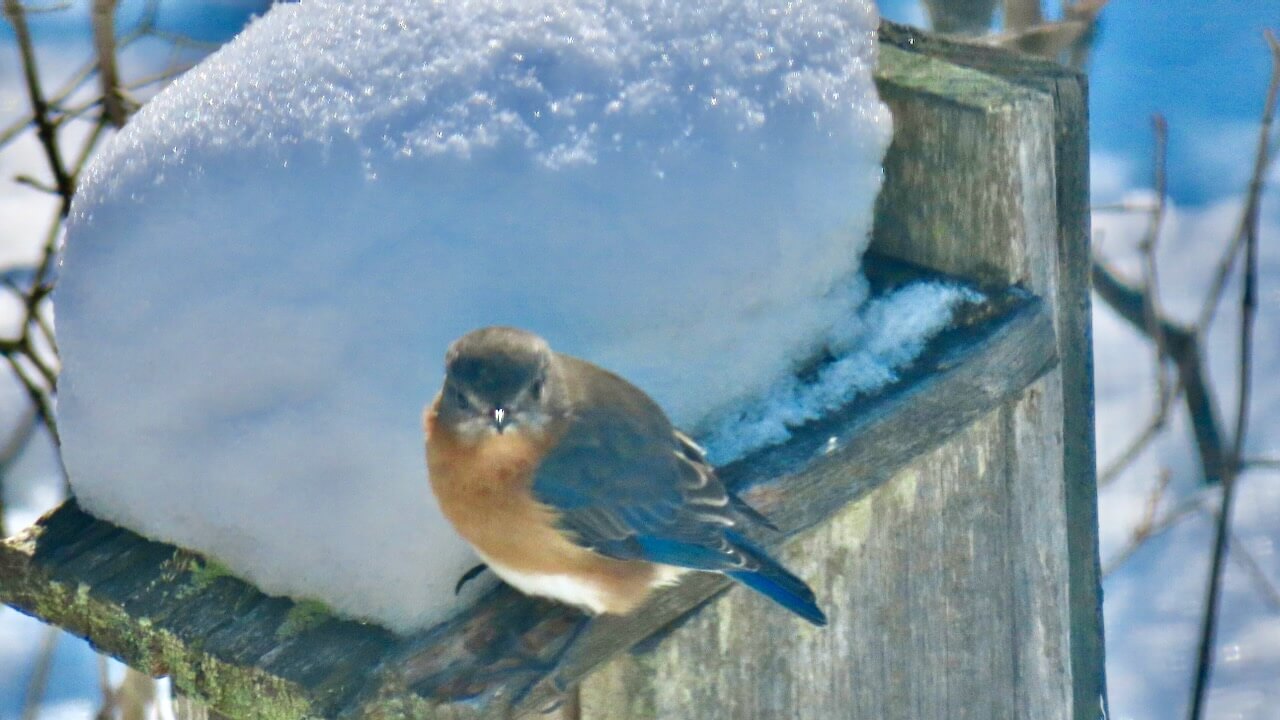
A pair of Eastern Bluebirds brightened up my snowy yard on a gray morning. The specially designed bluebird house installed for them has an opening of exactly 1.5 inches in diameter to ensure that larger birds cannot nest there. Although bluebirds often visit, and occasionally start to build a nest, they never stay through the whole season. After territorial skirmishes sparrows win out. Fingers crossed for this spring!
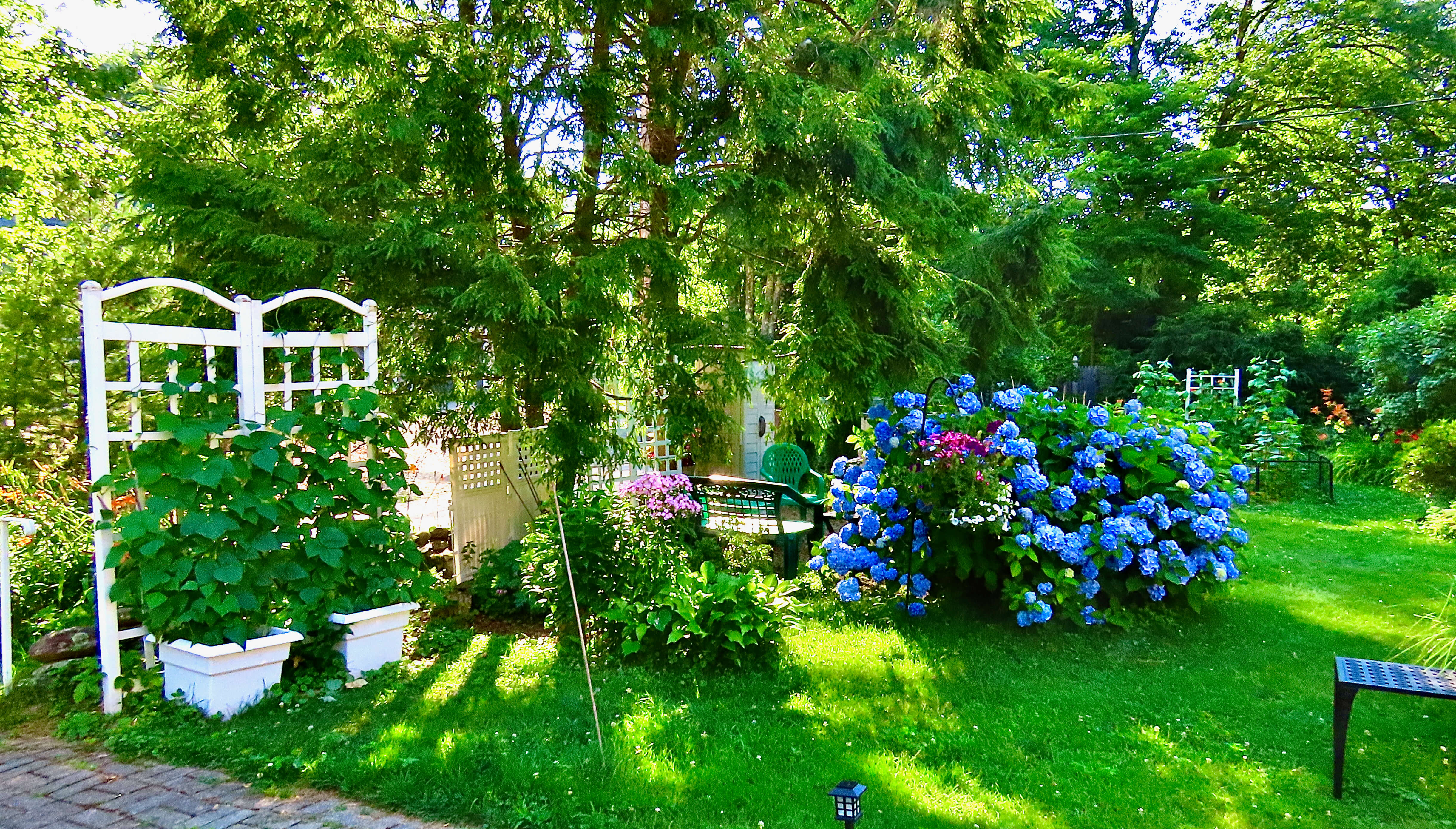
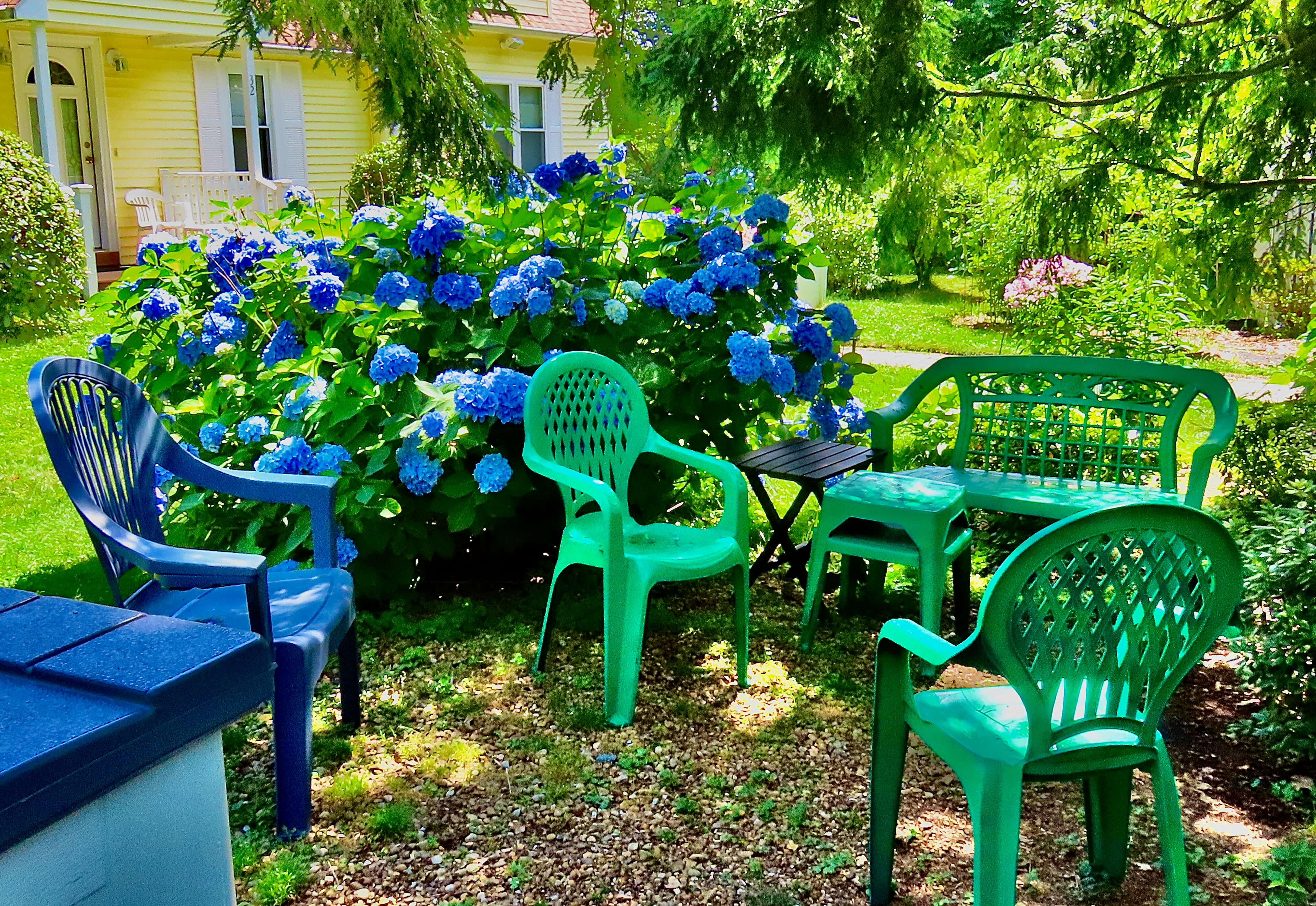
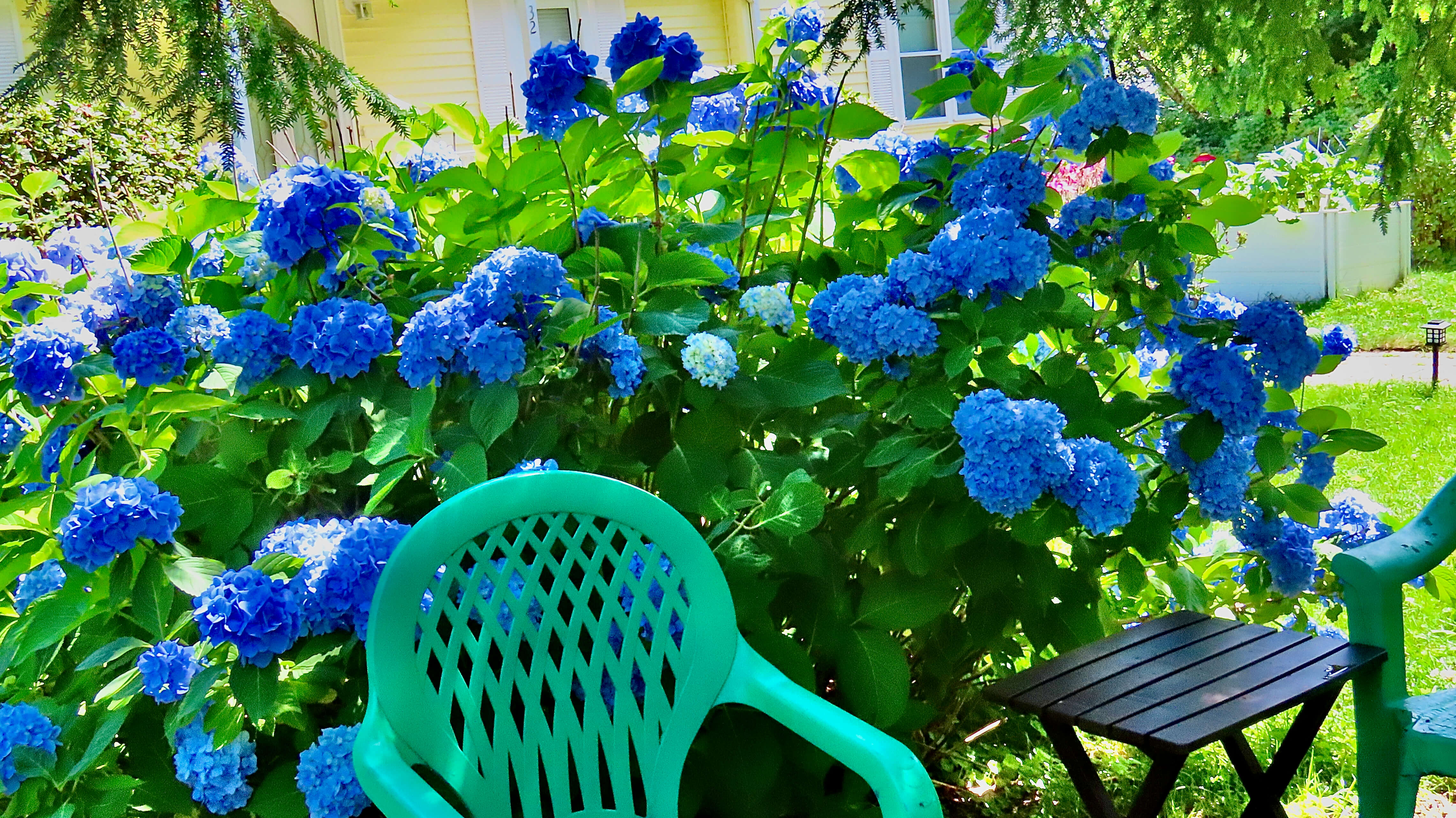
Hydrangeas lend a “secret garden feel ” to this conversation area.Tall phlox provide a shelter for solitary meditation.This wooden bench folds for winter storage. A just-picked garlic crop dries beside it on an all season table.Coleus and evergreens stay cool in the shadier area near the road where neighbors walk by or come to visit.The hand made wooden bench in the zen garden was fashioned from recycled stair steps. It is a perfect place for reflection.There is room under the apple tree for picnics and conversation. Potted young plants enjoy the shade, as well. Gardening celebrates life and growth!
“Shinshin” is a Japanese term for the deep silence of a fresh snowfall, or the “sound of no sound” as soft snow absorbs sound. It evokes a sense of calm and stillness, and is a favored time for photographers and nature enthusiasts.
Holden, Massachusetts/ The Morning of January 19, 2026
The nearly 100 year old Mountain Laurel in my yard is still going strong.
Mountain Laurel is a common hardy evergreen in Central Massachusetts. It can withstand quite cold and snowy winters in the north of the United States. The evergreen leaves of the Mountain Laurel offer excellent winter protection for birds. They give crucial shelter from wind and cold.Diverse, abundant and large lichens are excellent natural indicators of clean air. They are effective because they absorb nutrients and pollutants directly from the air. Birds find insects and spiders hiding under tree lichens. These provide them with energy when other sources of food are scarce.Mountain Laurel berries are not a favorite food of birds. However, they can provide nourishment when food supplies are limited, especially at the end of winter.Birdbaths underneath the laurel are covered in black tarps. In the spring, they will be filled again. Fresh water will be offered under the laurel, in addition to the food and protection to be found there .
Click on post title to view comments and related posts if they are not visible below.
Currier & Ives produced popular lithographs depicting idyllic American winter scenes during the 19th century. These prints featured snow-covered New England towns, with skies of icy-blue or gray enhanced with subtle color shifts. Here are my “updated” Currier and Ives style selections from the most recent snowstorm here in Central Massachusetts.
Holden, Massachusetts
Winter Morning Currier and Ives/ Public DomainWinter Pastime/ Currier and Ives/ Public Domain
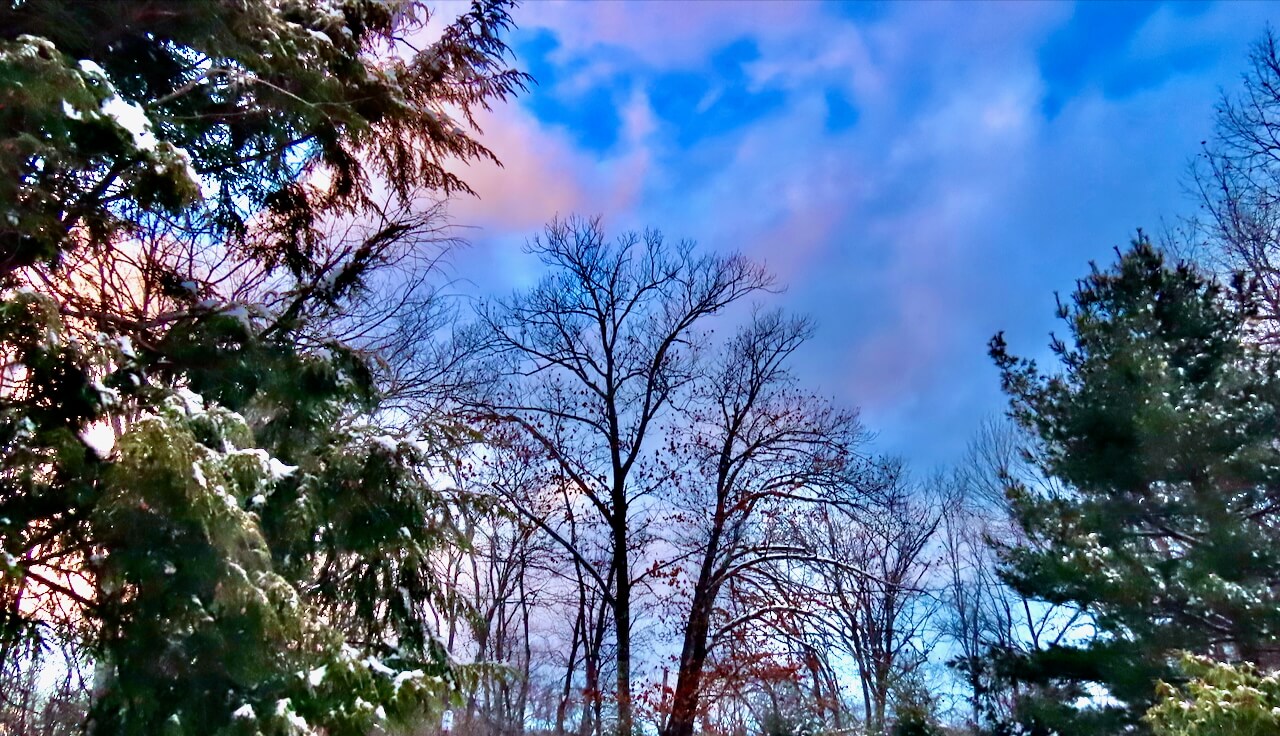
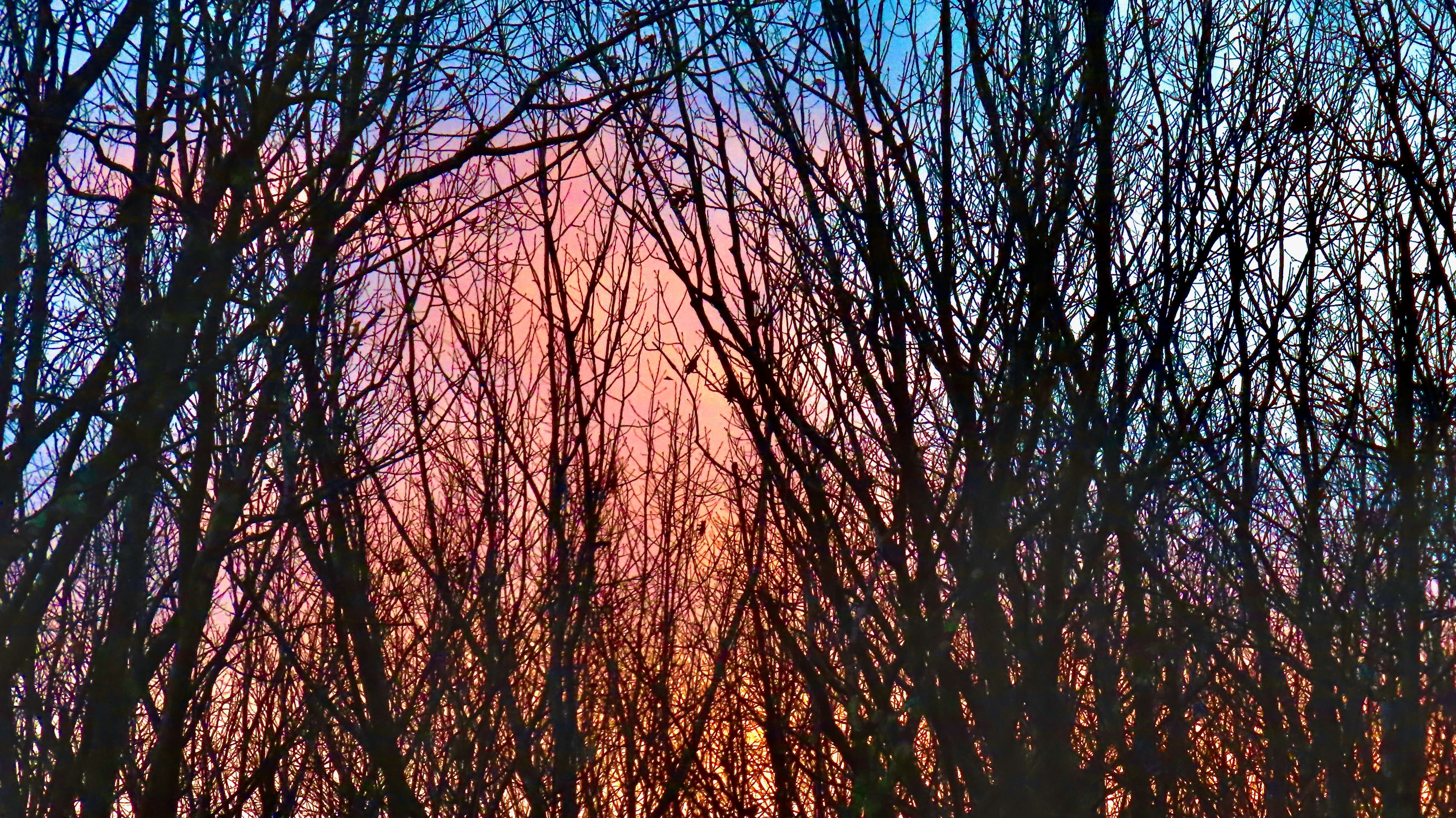
The Arctic Blast last evening delivered extraordinary, if fleeting, sunset colors that swirled around my rooftop. After the vivid colors faded, temperatures sunk to 6° F., the coldest of the season. Wind chills felt as low as -5°F. My blog’s title “From My Window” can be taken quite literally in this case.
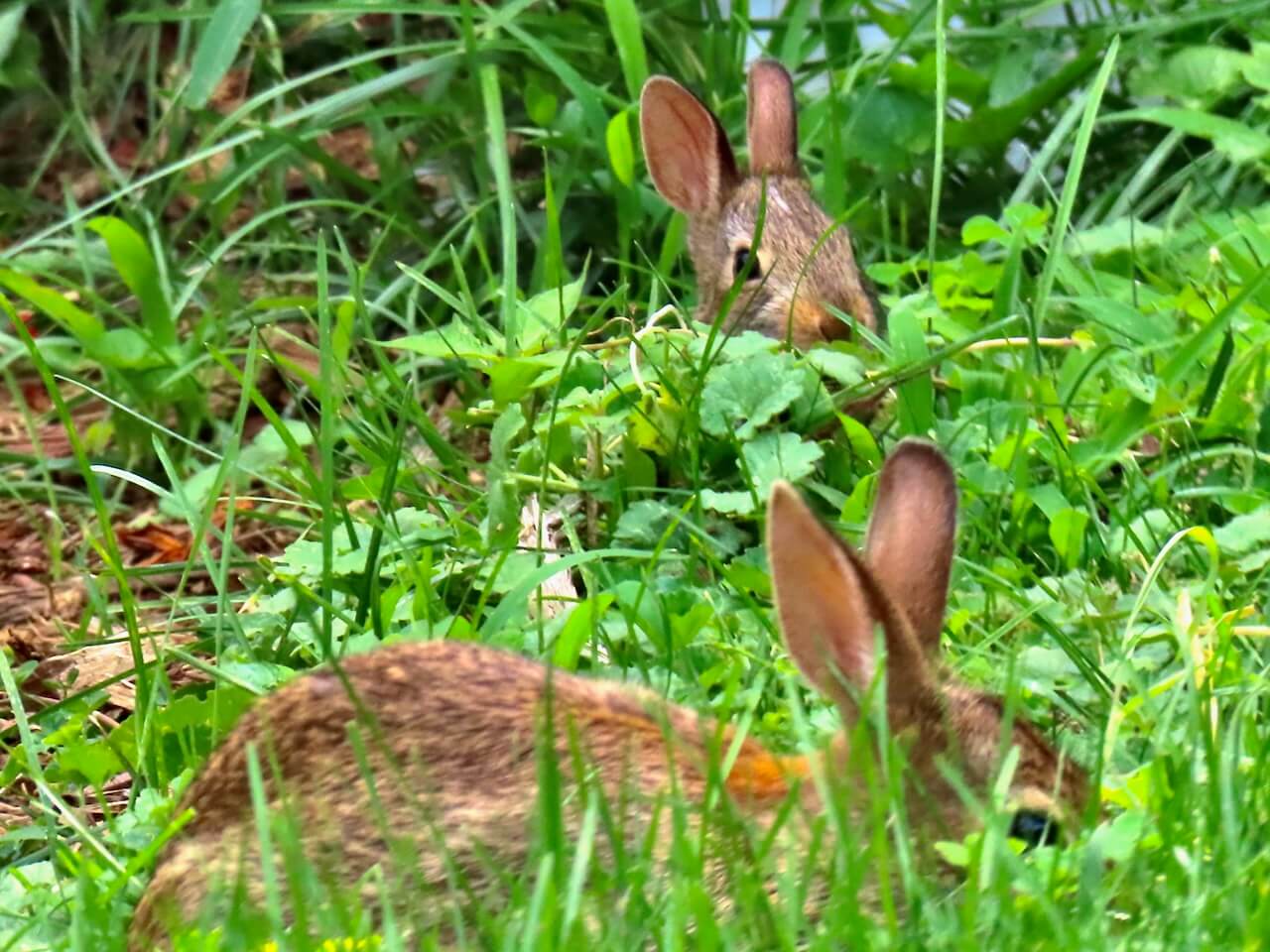
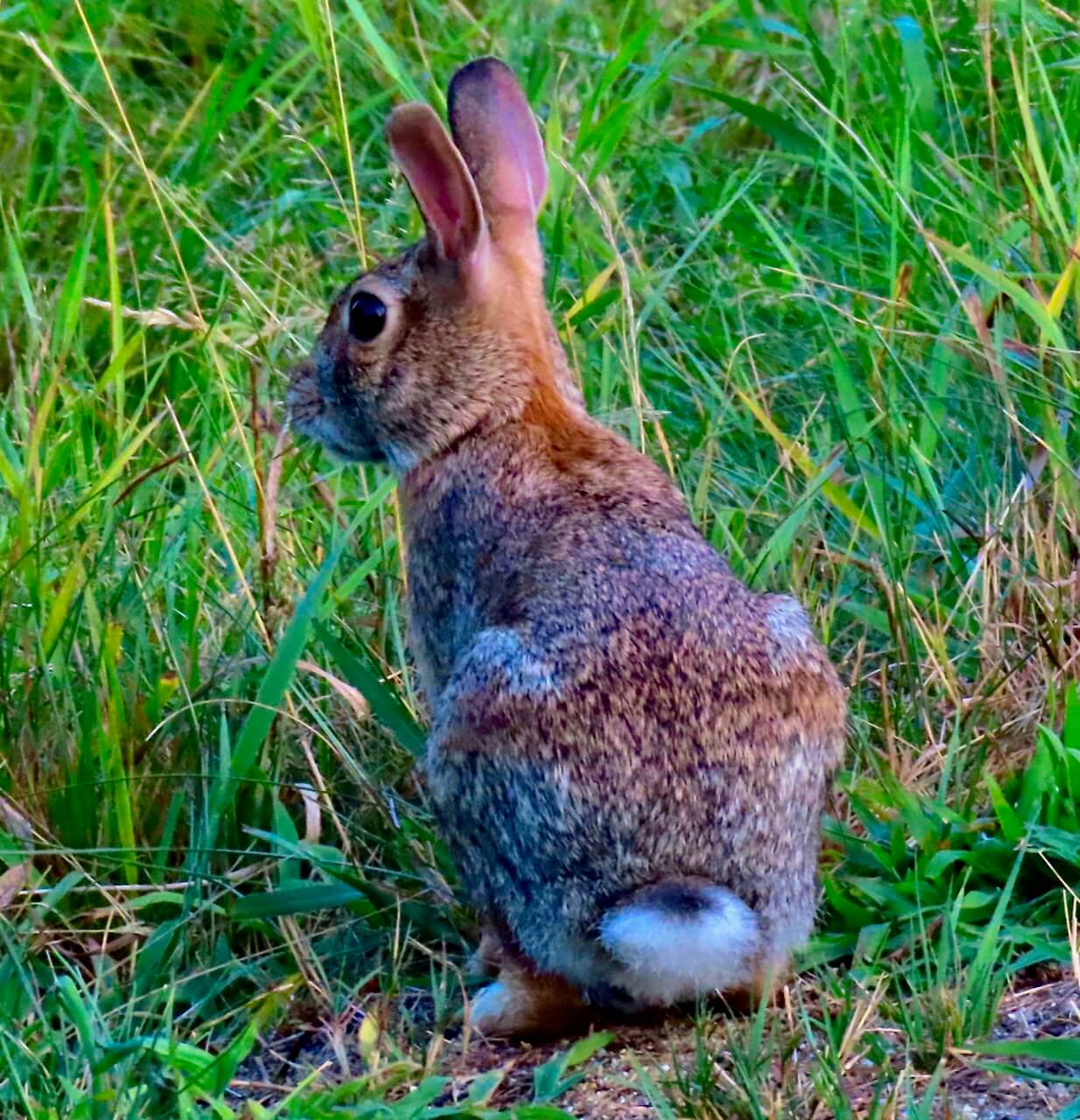
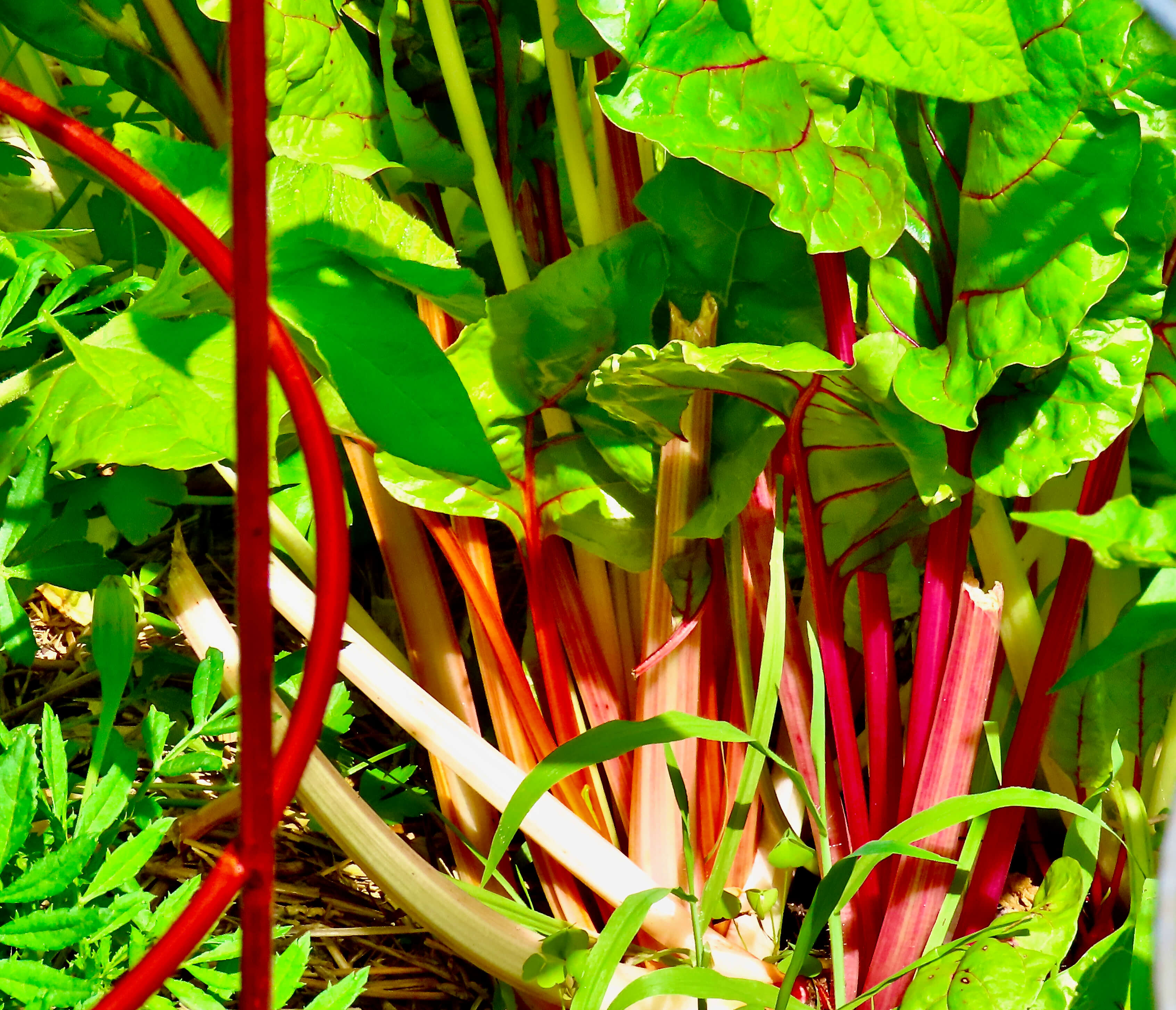
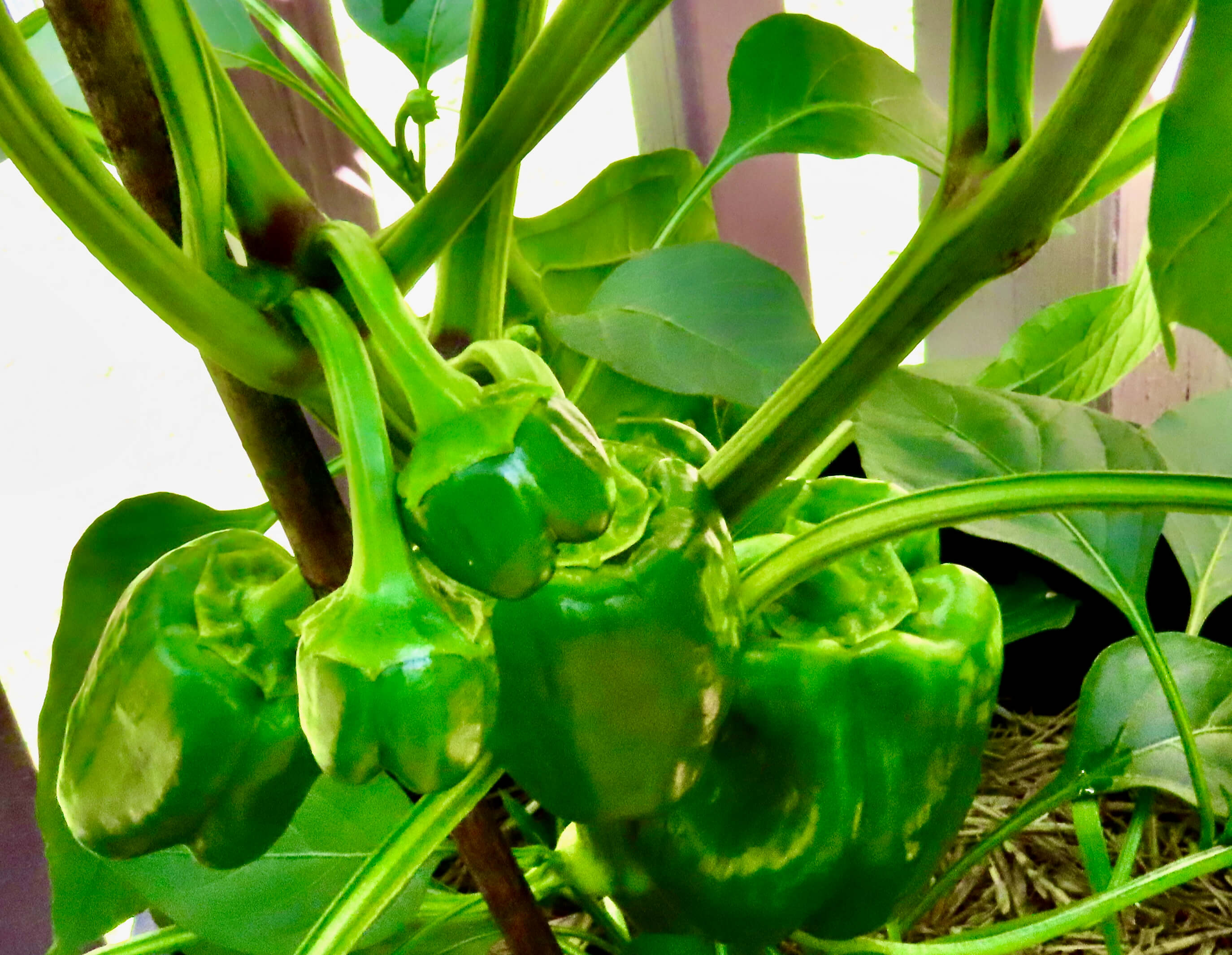
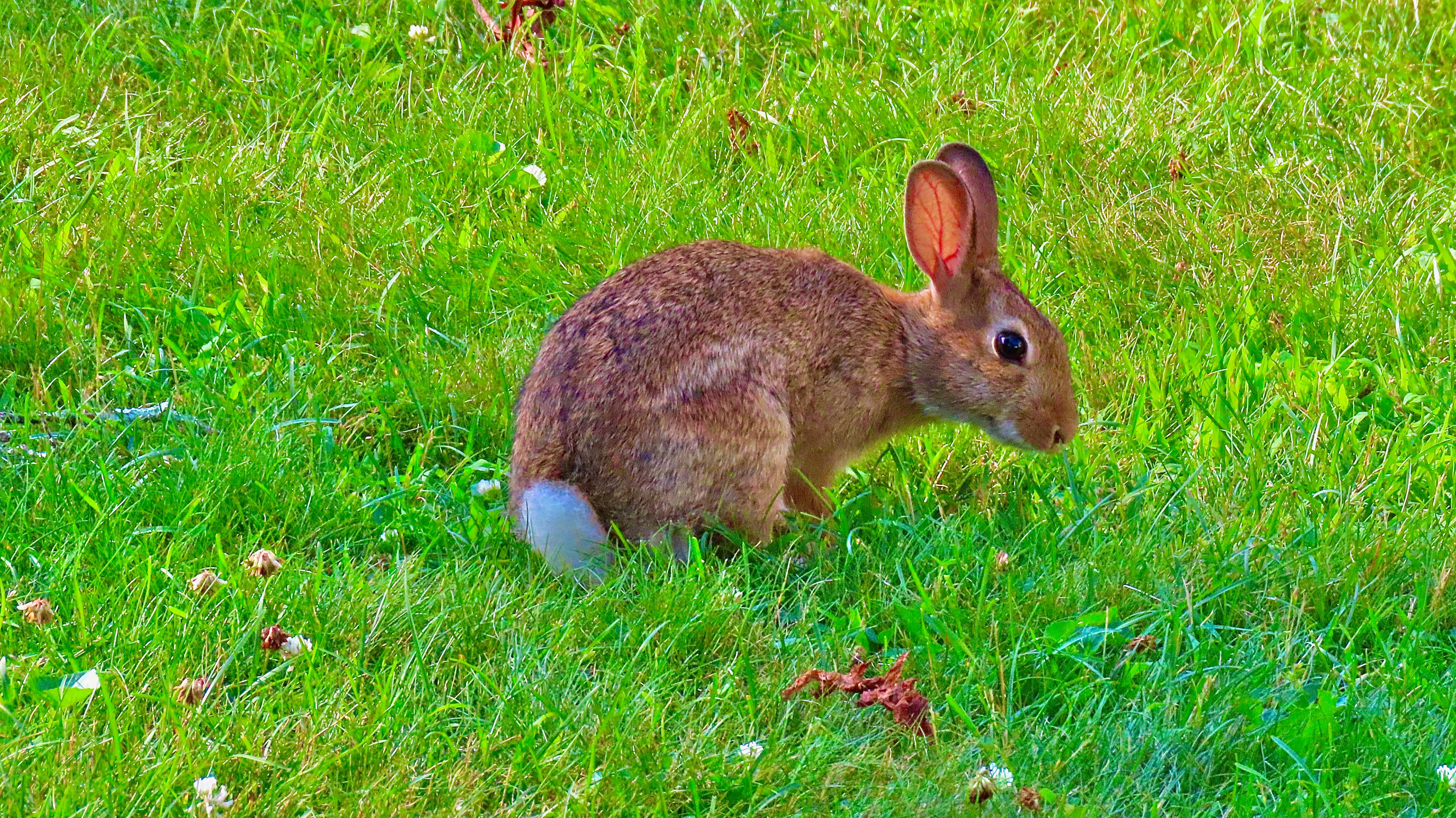
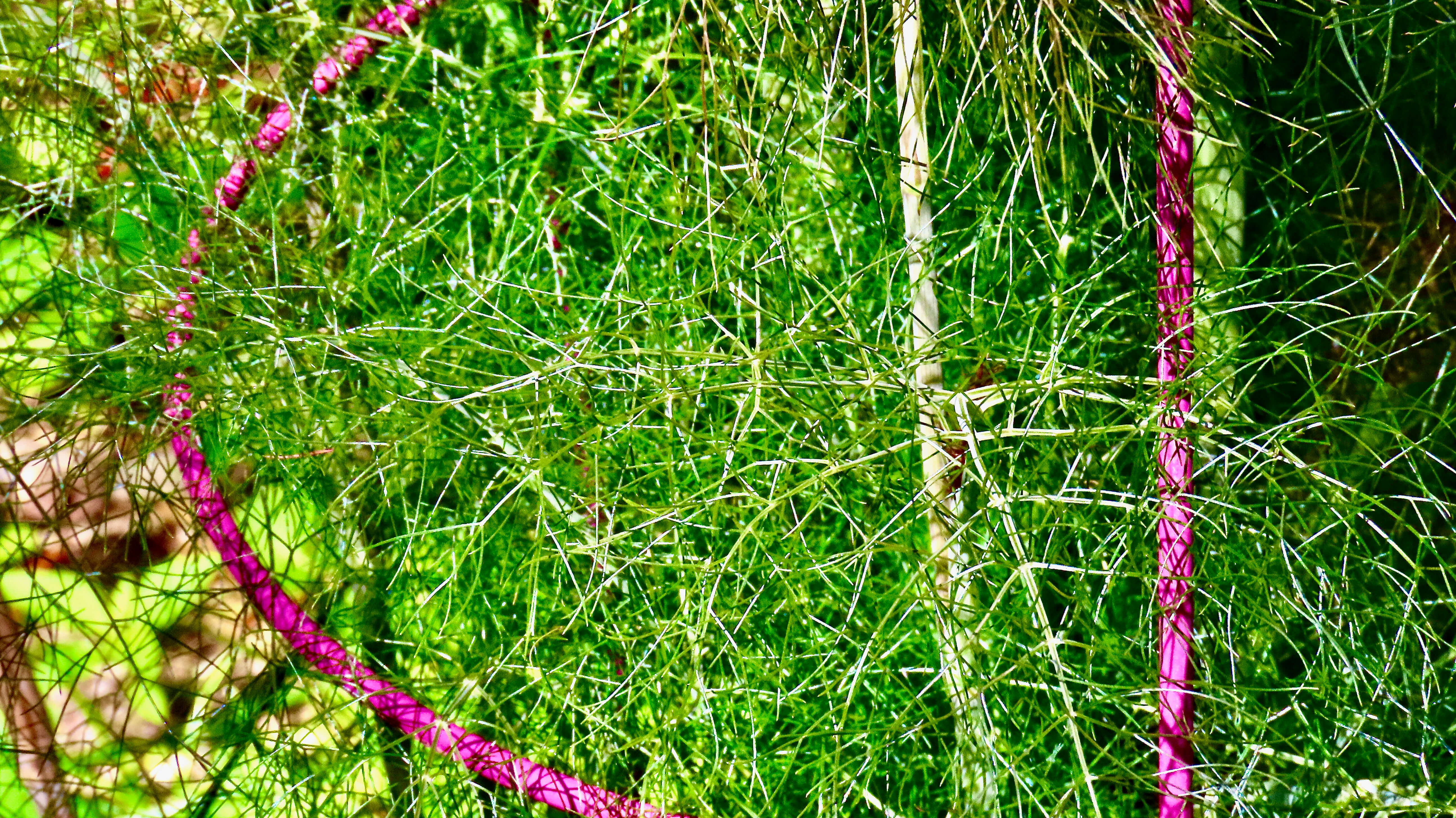
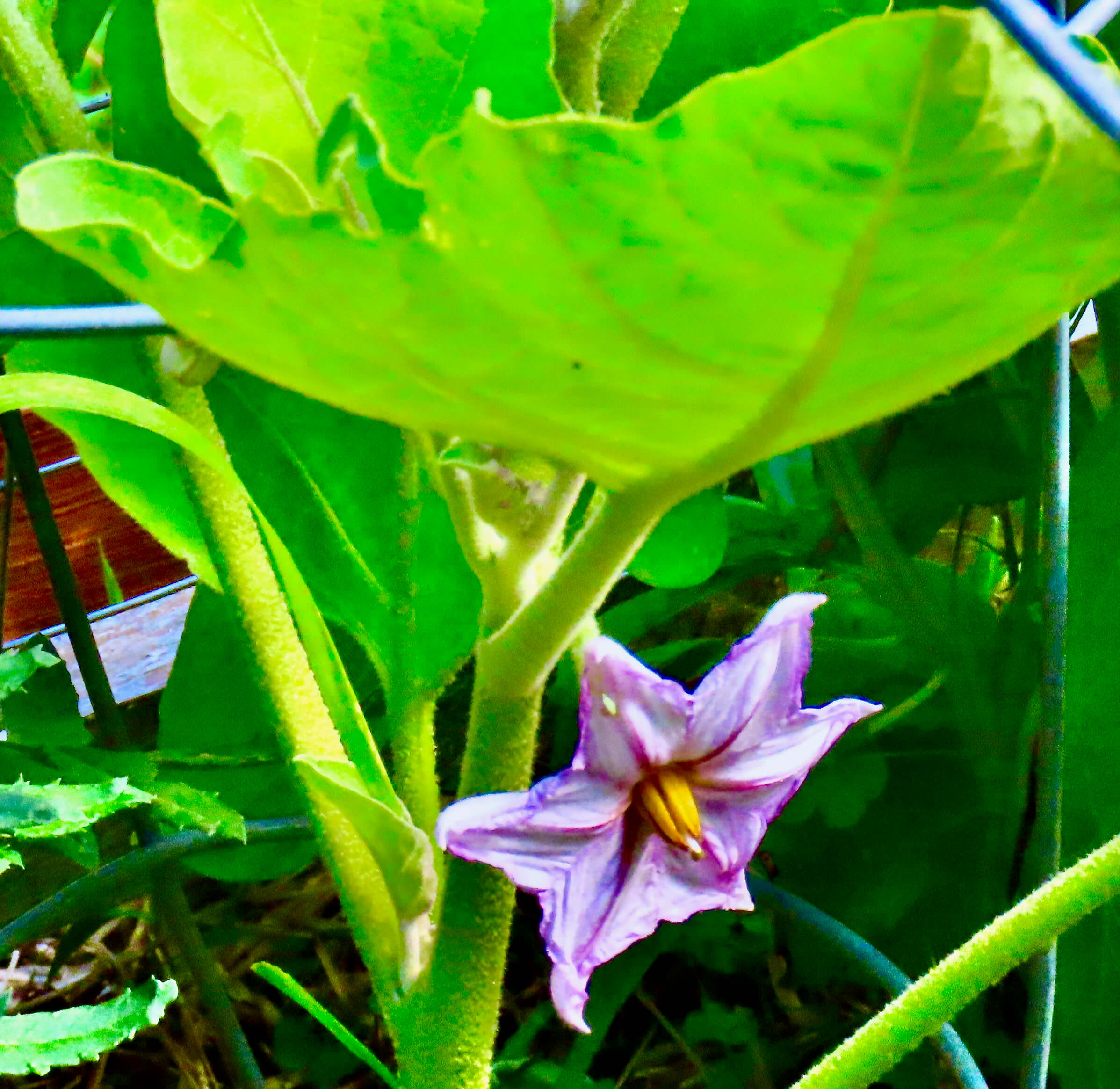
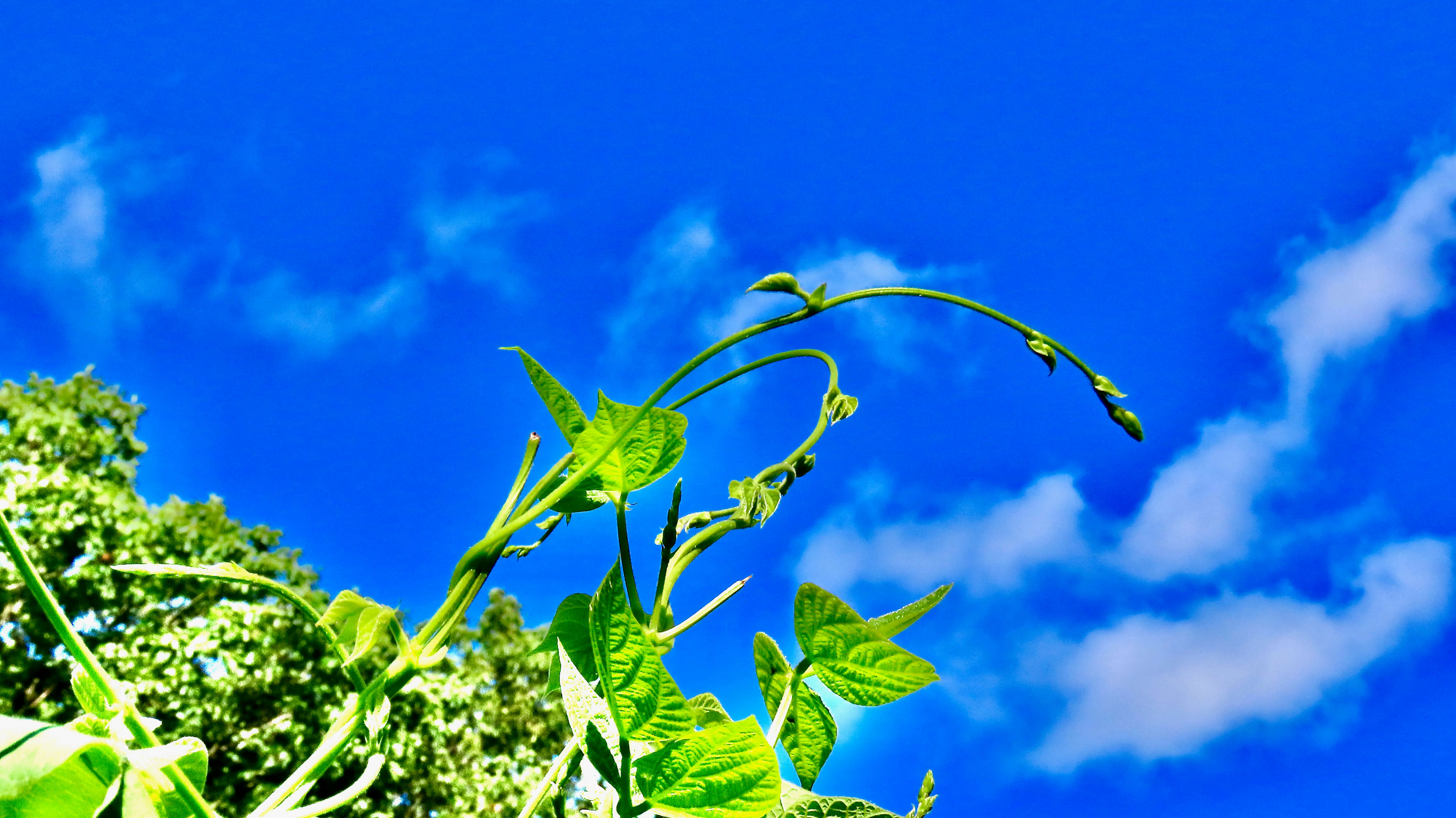
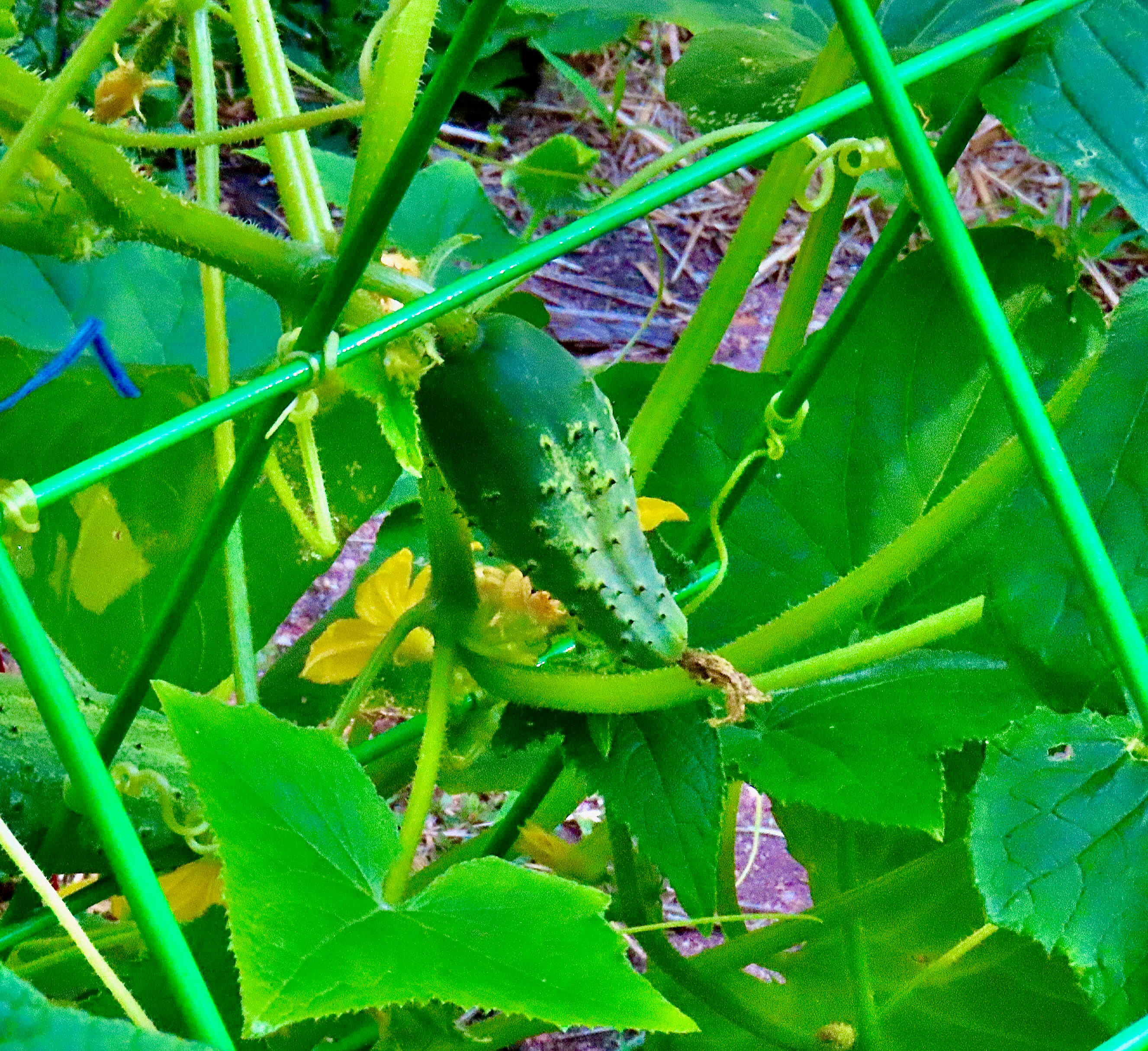
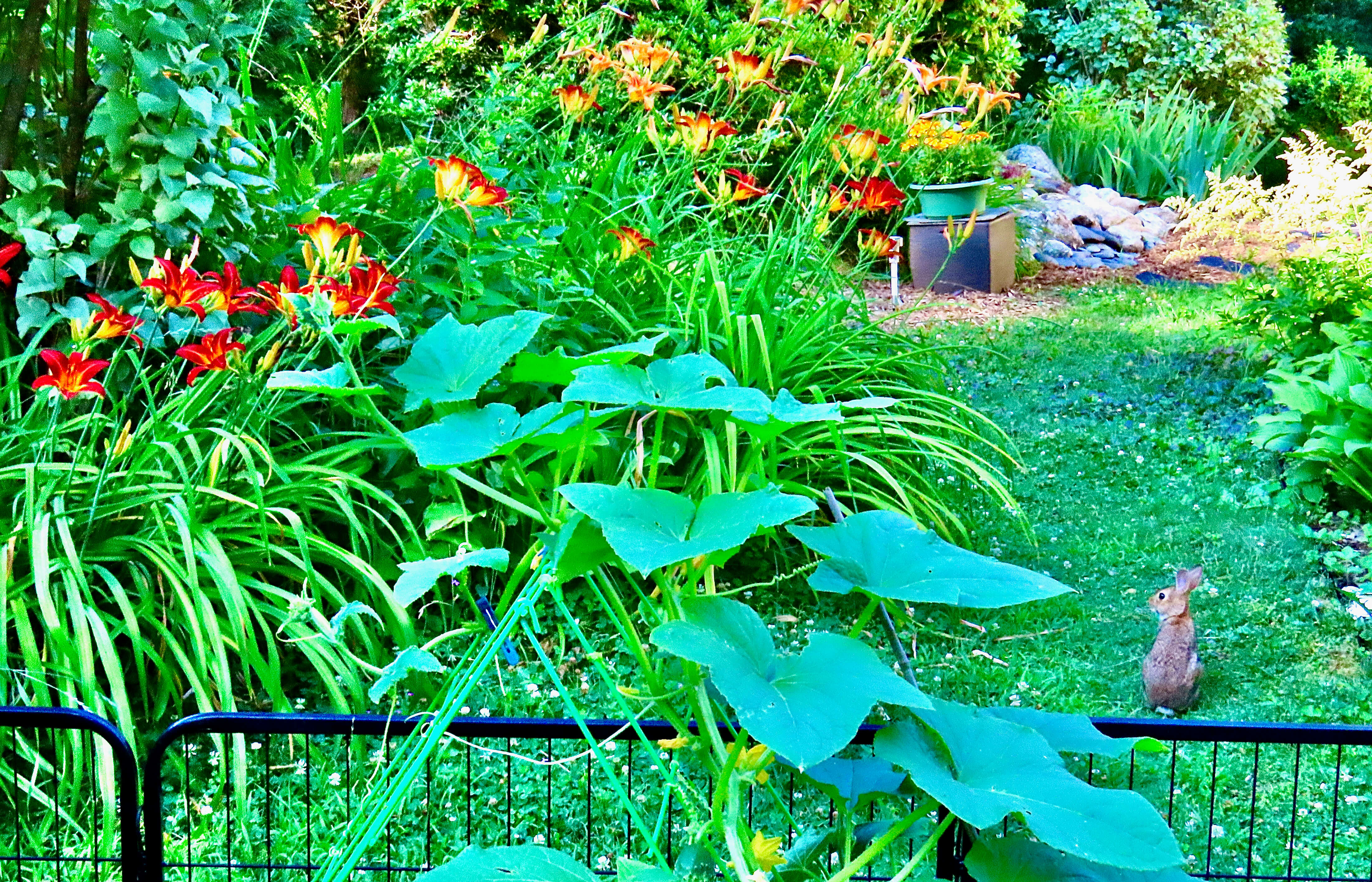
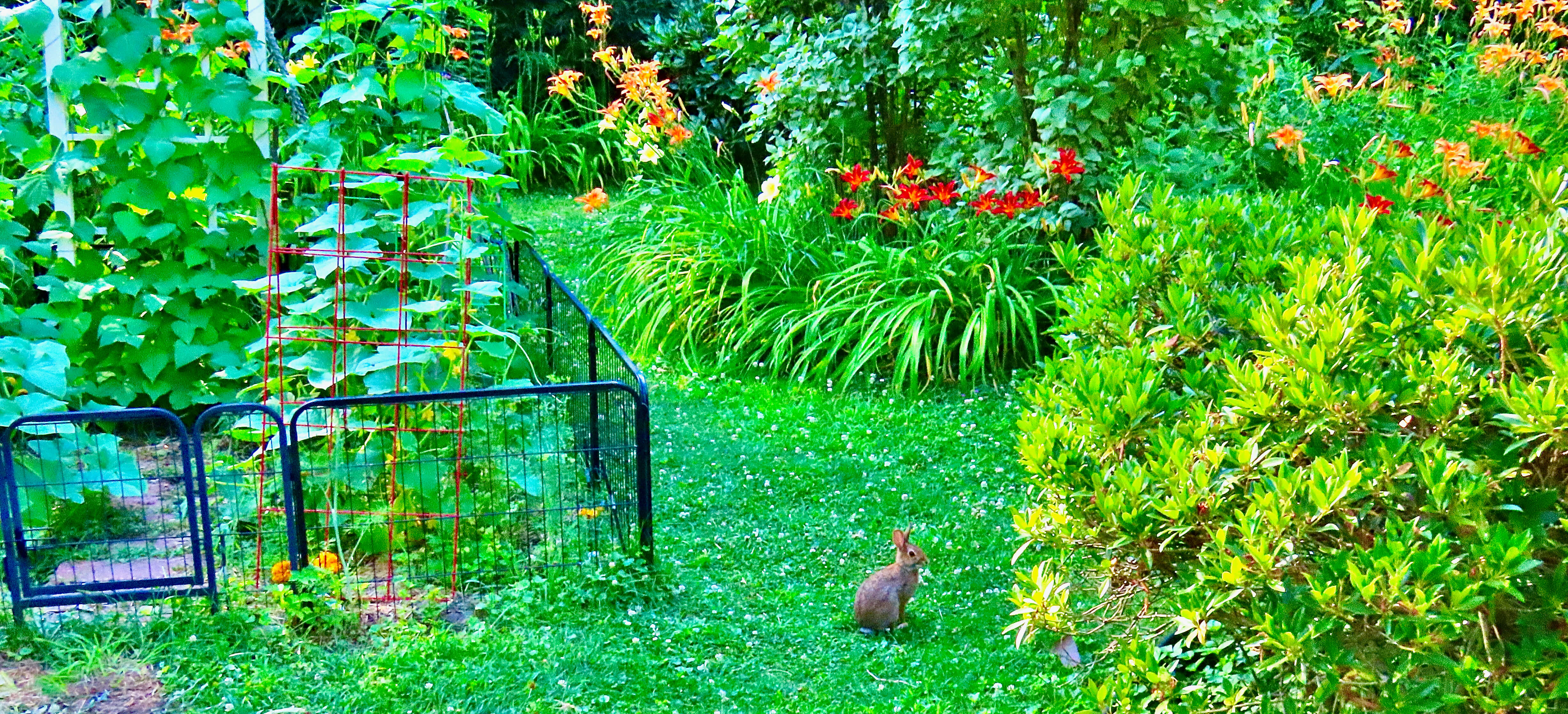
The rabbits in my yard have been satisfied with clover so far this season. However, I’m still keeping a watchful eye on my: Rainbow Chard,Early Peppers,Bronze Fennel,Eggplant,Blue Lake Pole Beans,Pickling Cukes,Premier KaleSweet 100 Tomatoes,And Scarlet Runner Beans.Wish me luck!
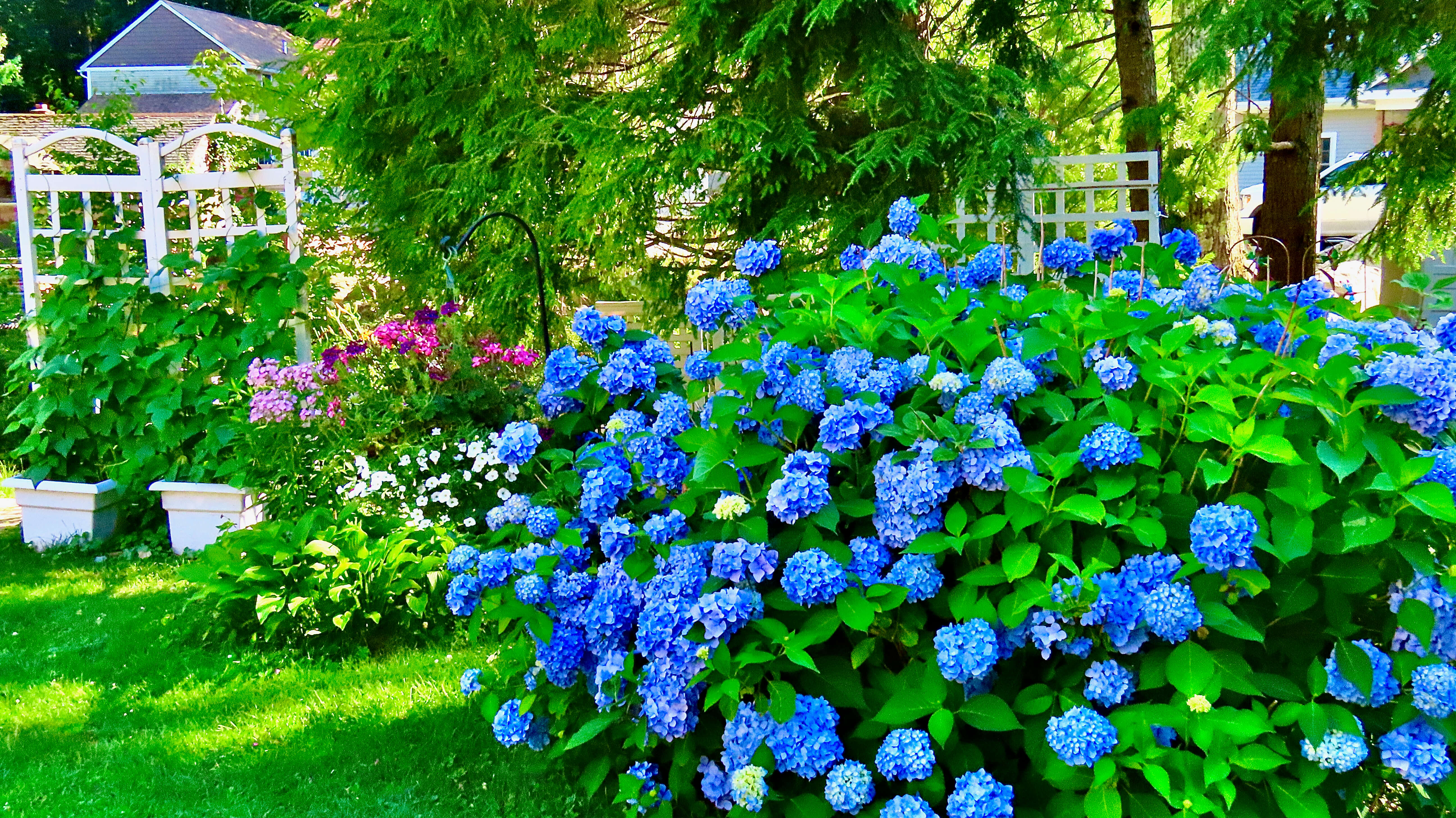
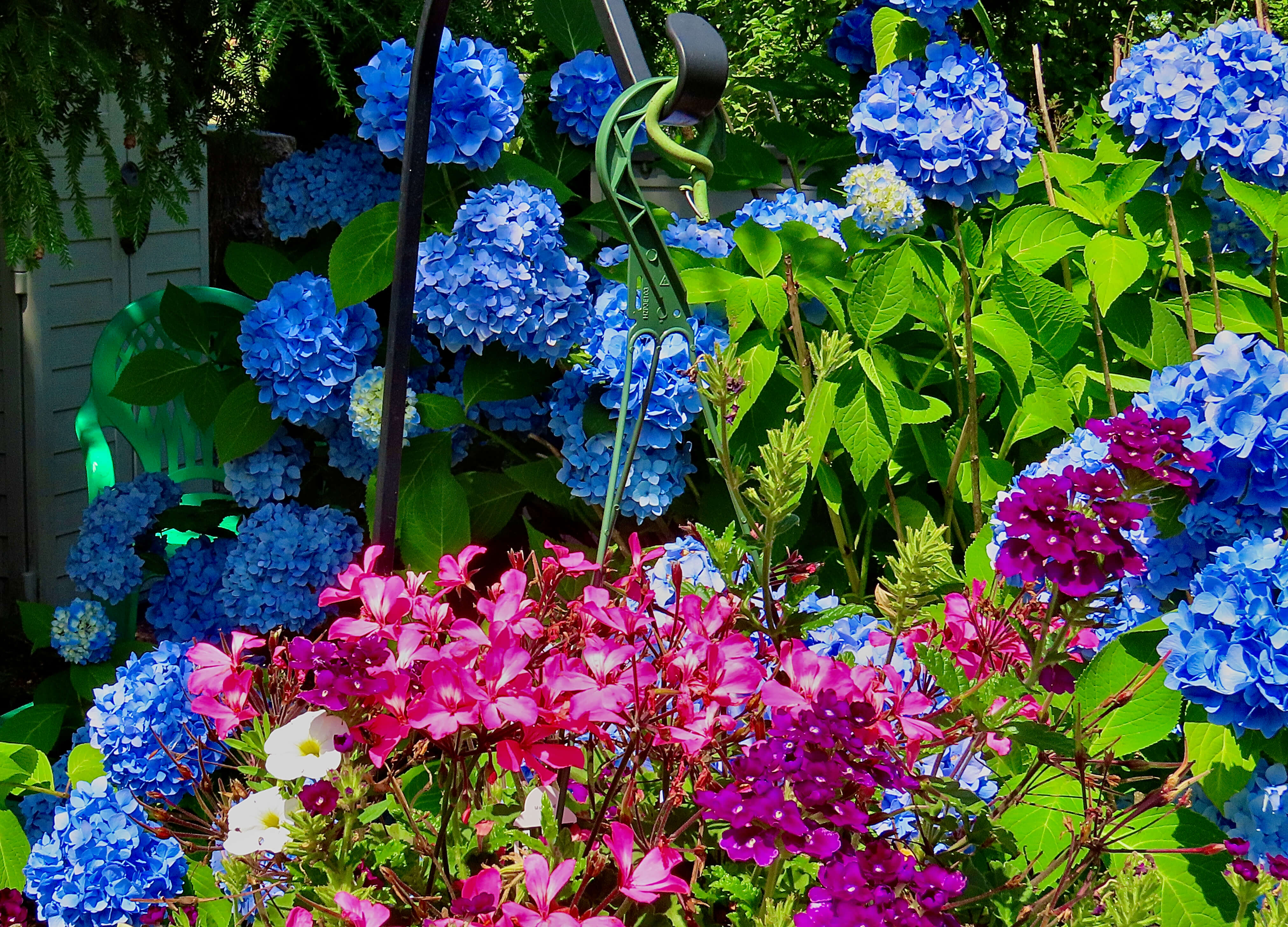
Displays of Mophead Hydrangeas are spectacular in Massachusetts this season, thanks to a mild winter. My bushes, which usually sport a handful of blooms, have been going non-stop for several weeks.
That’s the weather forecast each day here in Central Massachusetts. As a result, this year’s garden is surely taking its time to grow!
This tomato variety is named Fourth of July, and promised tomatoes ready to eat by that date. Although they have a while to go, they are surely farther along than my other varieties.Evening PrimroseThe first Bee Balm to bloom.Sweet 100 Tomatoes just flowering.Calendula self-seeded from last year.HydrangeaArugala (Second Planting) Lady Bell PeppersBlue Lake Pole and Bush Beans
During my recent blogging break, I have been learning to play the folk harp.
This is a Fireside Harp from Backyard Music, made of cardboard.
The shape of the harp reminds me of the wings of a butterfly that visits my garden.
A rain storm came up just after these photos were taken, but I’ve included a short audio with a rainy backdrop, which can be played along with these photos.
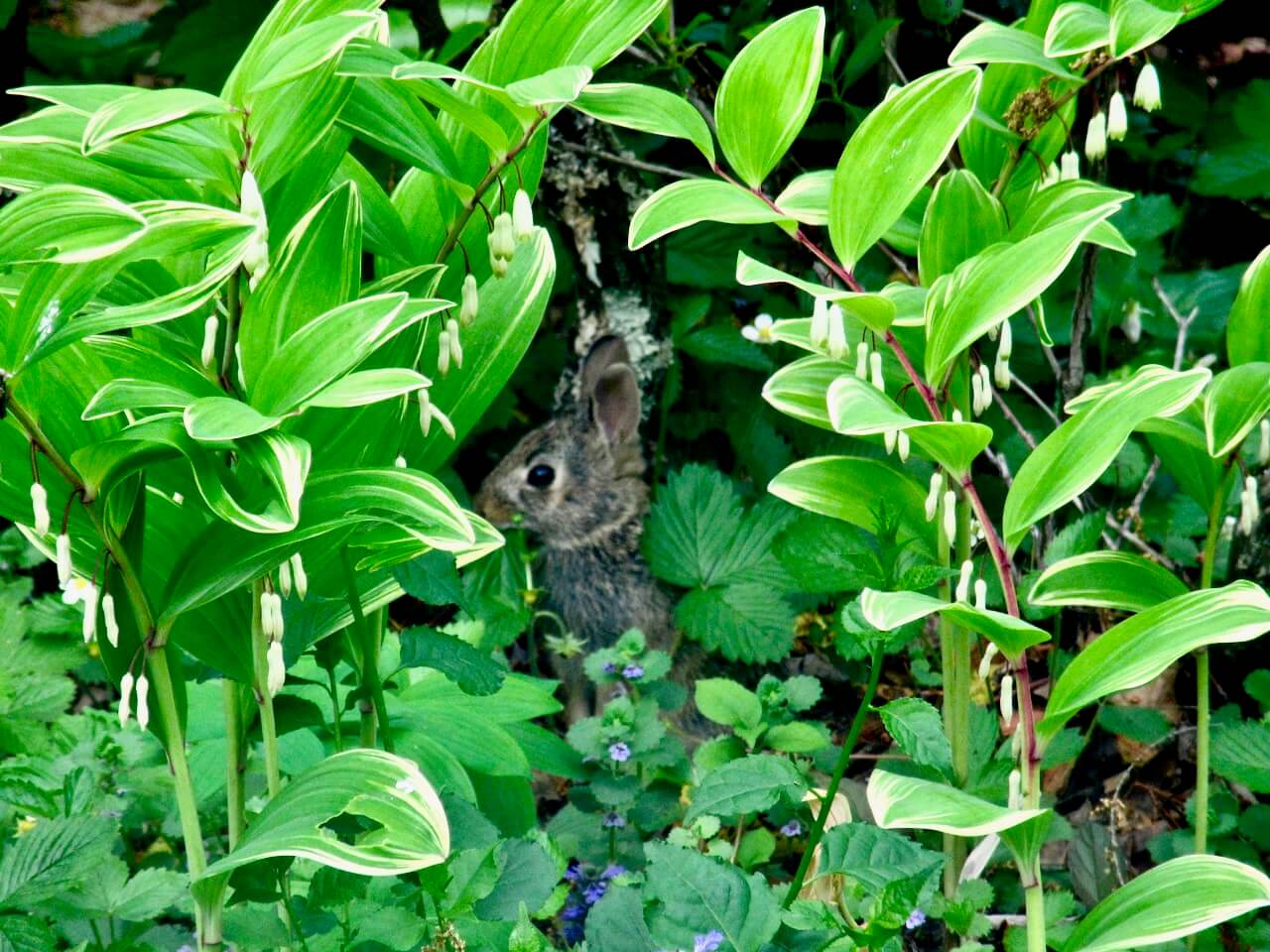
Visiting woodchucks, rabbits, a racoon and even a bear made gardening more difficult than usual this year. Still, on a sunny July day, it seems worth all the extra effort.
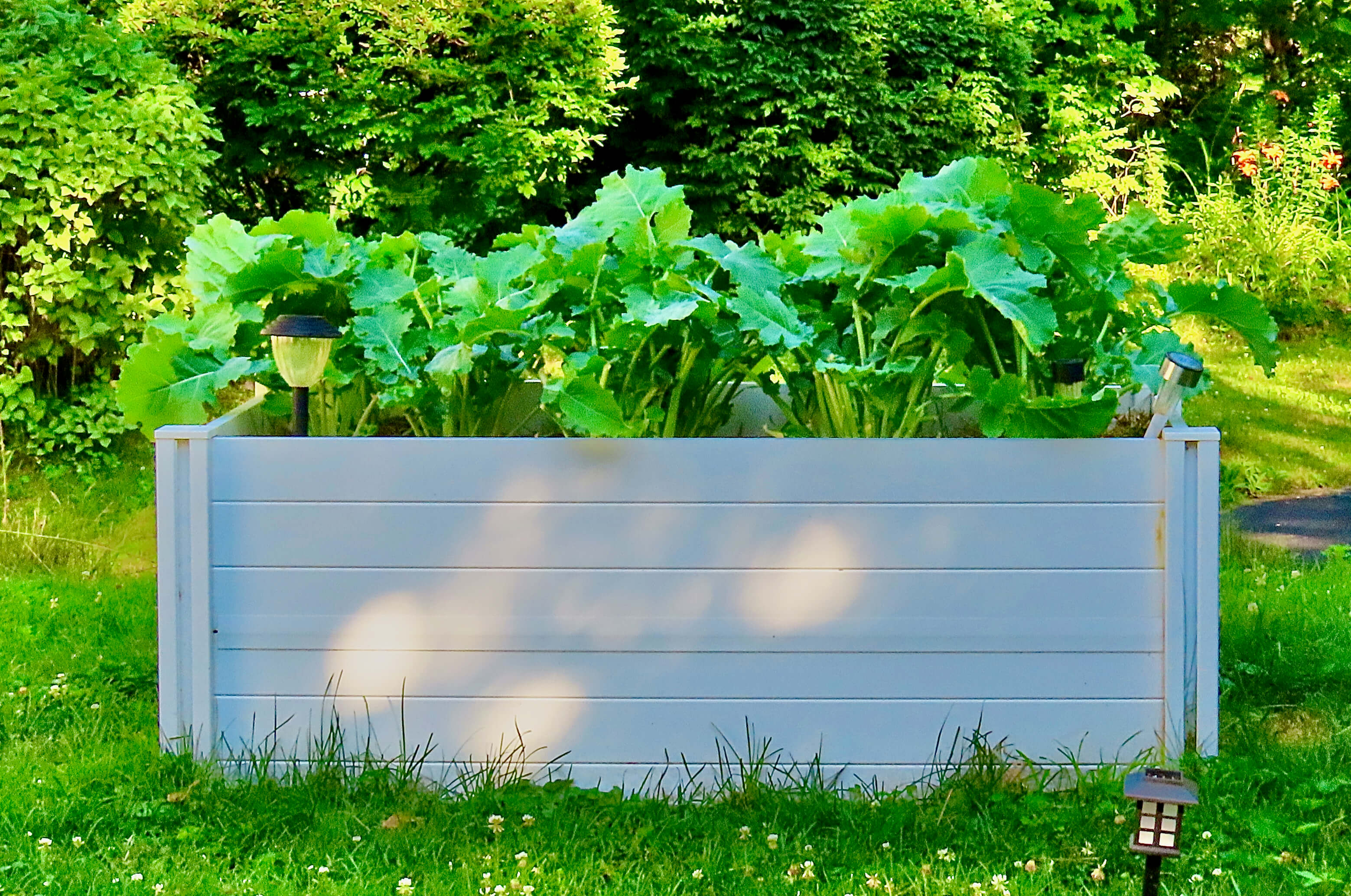
Lillies overlook the beans, squash and hydrangea.Basil is easy to grow from seed.Tomatillos are a new veg for me this year. Salsa Verde recipes, anyone?Hydrangeas sport a deep blue because of my slightly acidic soil. Lady Belle Sweet Peppers growing on the deck.Zinnias hiding from rabbits in the pots of Swiss Chard.The parsley usually lasts right up until snowfall.Perennial flowers topped off with a hanging basket of marigolds and nasturtium.Salad Bowl Lettuce doesn’t seem to mind the heat.Potato flowers emerging from grow bags.Boston Pickling Cucumbers are a New England favorite.Tall Phlox and Scarlet Emperor Beans share a trellis.Basil and marigolds used as companion plants with tomatoes.Carolina Gold TomatoesEggplant, Cosmos and ZinniasHoping my French Haricot Vert Beans are “woodchuck proof”!Annuals grown from seed.Green and Yellow Beans With MarigoldsLuckily, I Planted Extra Marigolds!
Spring is rejuvenating Central Massachusetts. I’ll be taking some time off from blogging to focus on landscaping updates and planting the vegetable gardens. See you in a few weeks!Female Northern CardinalZen Contemplation Garden
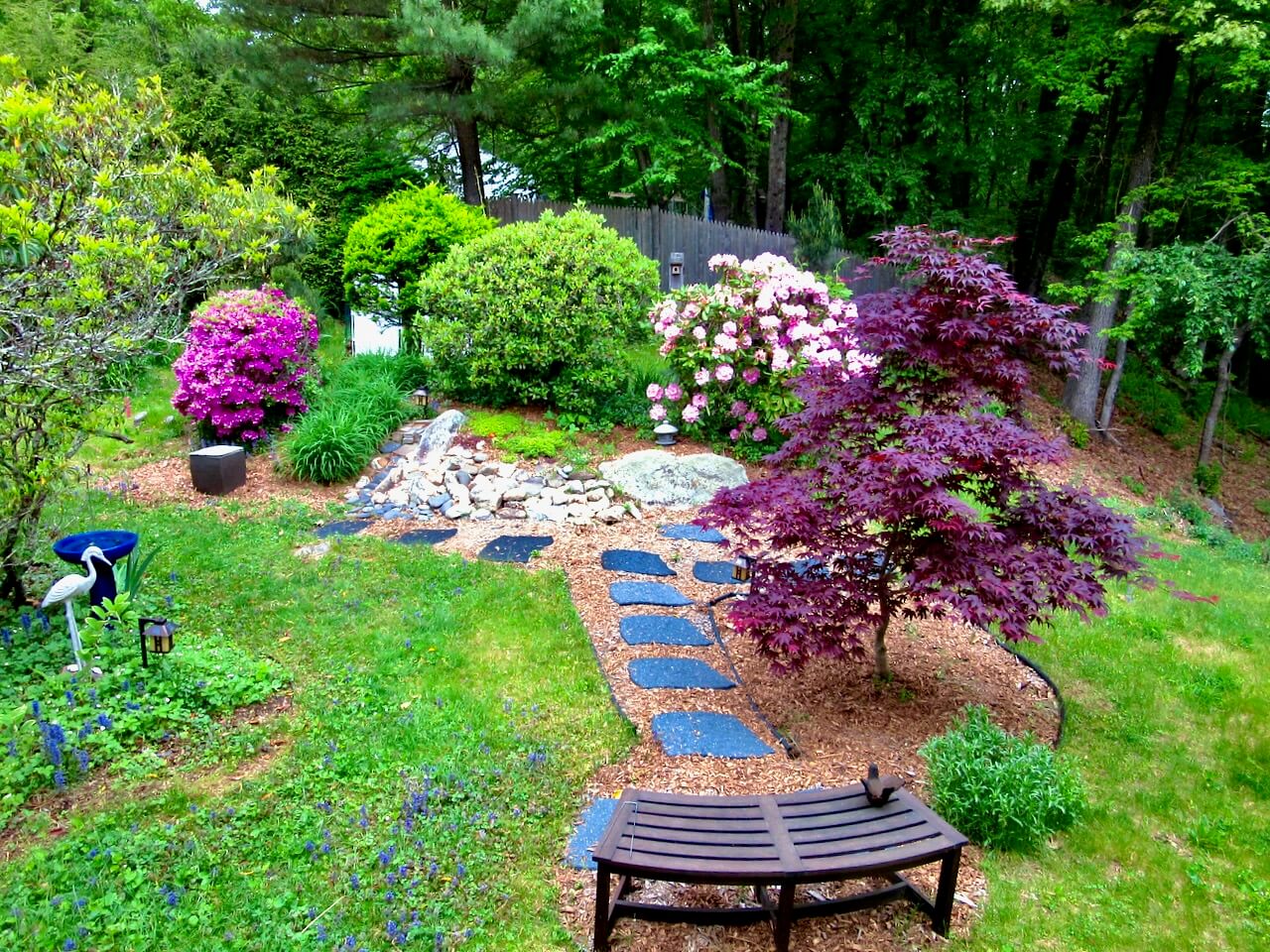
Zen inspired landscaping offers opportunities for meditation and contemplation in my winter garden. Bamboo is one of the loveliest and most recognizable features.An invitation to sit is provided by a worn stair step. Below it are smooth hand chosen stones from the Atlantic Ocean.Rocks suggest mountains, stability… …and sculptures.The aged laurel bush, worn by time and weather, is a favorite shelter for native and migrating birds.A weathered bird feeder ornament intrigues our feathered visitors.
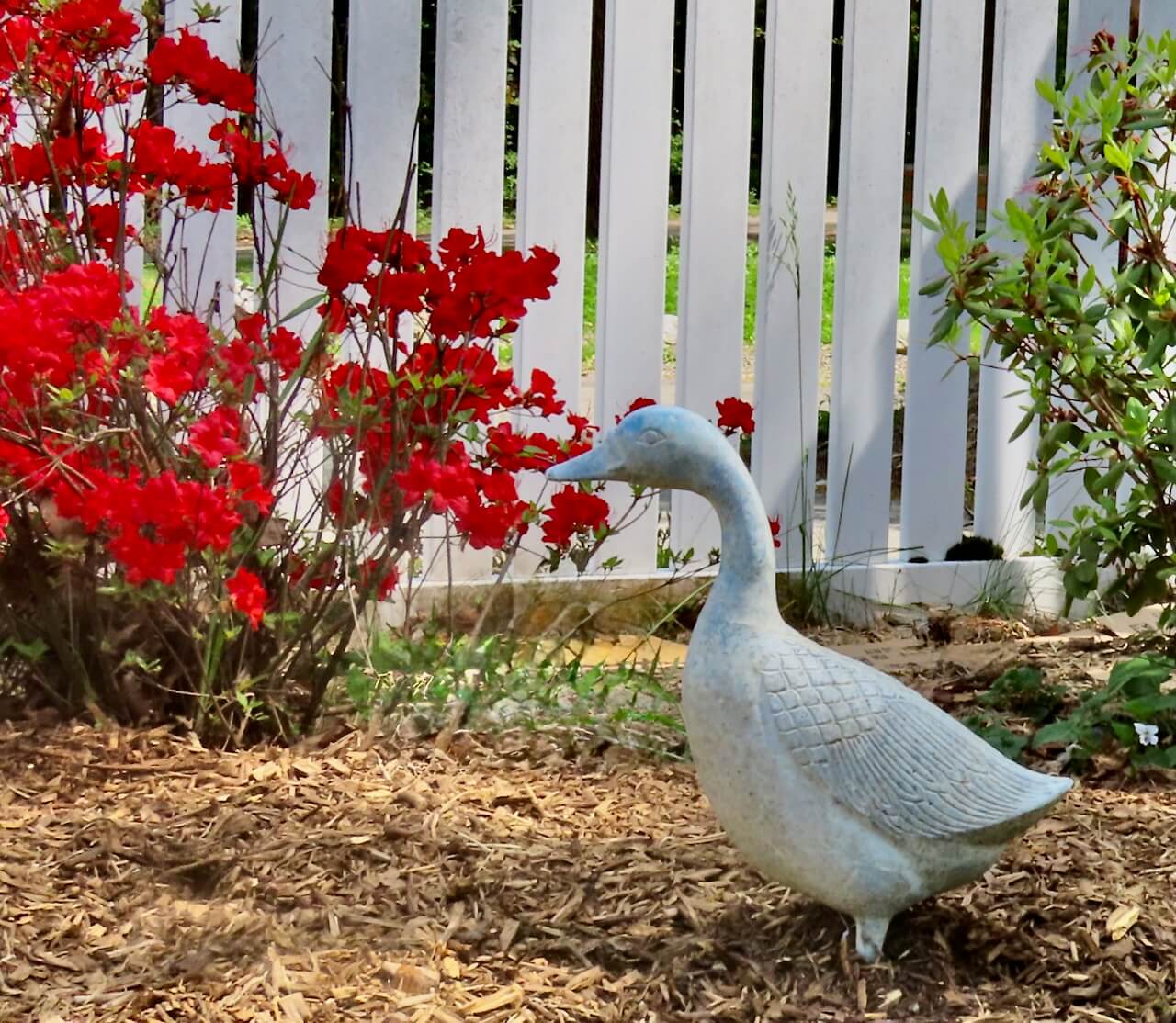
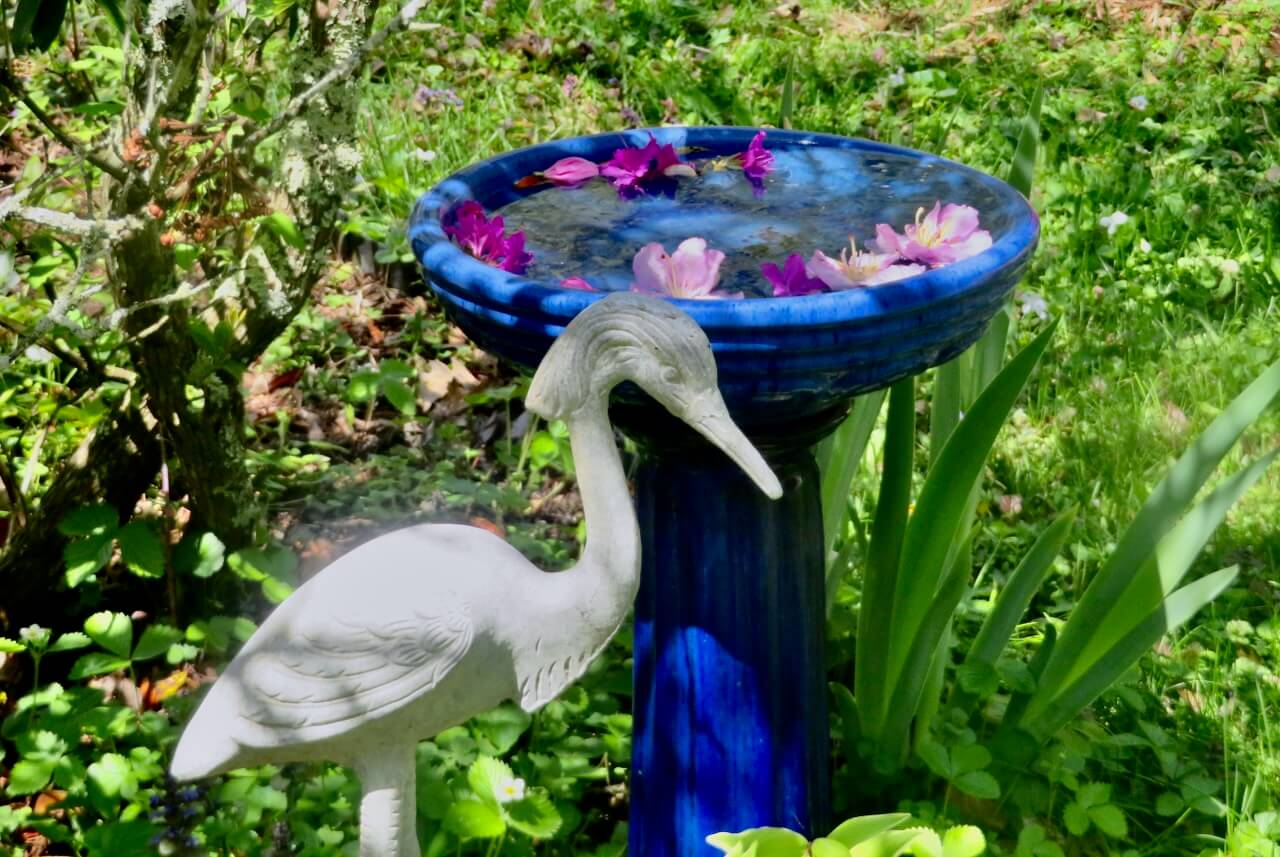
Statuary from a local yard sale celebrates the recent surprising visit of a Great Blue Heron to our Zen garden.
A few weeks ago, a Great Blue Heron graced our Zen garden for a few moments before flying into the nearby woods. We began hunting for a heron statue to commemorate that event.Serendipitously, a friend spied a pair of small heron statues at a yard sale shortly after the extraordinary visit. In pride of place, the first heron now stands patiently in the “reeds” of the white stone river .The second heron found a home in the zinnia garden.As another bonus, a pair of wandering ducks was also found at the sale.They are energetic and curious.We never know where the ducks will wander. Hurrah for yard sales!
Glistening Ruby-throated hummingbirds will be heading south for the winter soon.
According to the Merriam Webster Dictionary iridescence is:
1 : a lustrous rainbowlike play of color caused by differential refraction of light waves (as from an oil slick, soap bubble, or fish scales) that tends to change as the angle of view changes 2 : a lustrous or attractive quality or effect The Ruby-throated hummingbird is found throughout Massachusetts during the warm months. This female paused on the branch of a nearby apple tree recently, providing me with a close-up of her luminous feathers.
Even though it’s been a summer of extreme weather here in Central Massachusetts, most parts of the garden have thrived. Below, recent pictures are paired with those from late May, when the garden was first planted.
The pole beans are luxurious. The squash is holding its own, despite not being in full sun and hosting a mole that samples ground level fruits nightly.Squash seedlings were barely visible in late May. Beans had yet to sprout.Hard working Scarlet Emperor beans are on double duty attracting hummingbirds with jewel-like red blossoms and providing a screen from the road beyond. Additionally, the beans are tasty if picked when they are small.The beans were planted in high planters as protection from hungry rabbits. Fortunately, rabbits have been few and far between during the past weeks.The “Christmas tree” look of the heirloom Boston Pickling cucumber lends visual interest to the garden with its height and large leaves. A prolific grower, it is sprawling out on the ground in back of the “tree” as well.Growing cucumbers vertically on bamboo canes makes harvesting produce much easier.Eggplants that are ready to harvest are surrounded by marigolds for support. The plants cover the blue bucket they are growing in.Marigold seedlings are barely visible in this picture. They bloomed so prolifically around the eggplant, I had to remove one to give the eggplant more room.Kale has been continually harvested throughout the summer. Nasturtium and marigolds make good companion plants, as well as surrounding it with spots of edible color.Lettuce (that had not germinated when this photograph was taken) was planted in between the kale. The kale provided shade for the lettuce during the hot July days.
Apple leaves that fell from my Baldwin apple tree onto a white table inspired me to add garden flowers and windfall apples to create this still life. Keeping the leaves exactly where they had fallen, I experimented with the addition of a small garden bouquet of freshly picked flowers.Windfall apples added contrast in keeping with the theme.A gravel “frame” was a simple addition.Baldwin apples trees usually bear fruit every other year, but this will be the second year in a row I am looking forward to harvesting Baldwins for applesauce, muffins, pie and other delights.Central Massachusetts holds a special affinity for apples, as Johnny Appleseed was born in Leominster, Massachusetts.Close-up photography highlights different aspects of the artwork.The Baldwin apple is one of New England’s oldest, and was first discovered in Massachusetts. Apple season is coming soon to Central Massachusetts!
Tall PhloxLuminosa Zinnias, Butterfly Bush and Morning GloriesEchinacea or Purple Cone FlowerButterfly BushCandy Pink Morning GloryGrandpa Ott Morning Glories
A mysterious bird disease is affecting the Southern and Mid-Atlantic states.
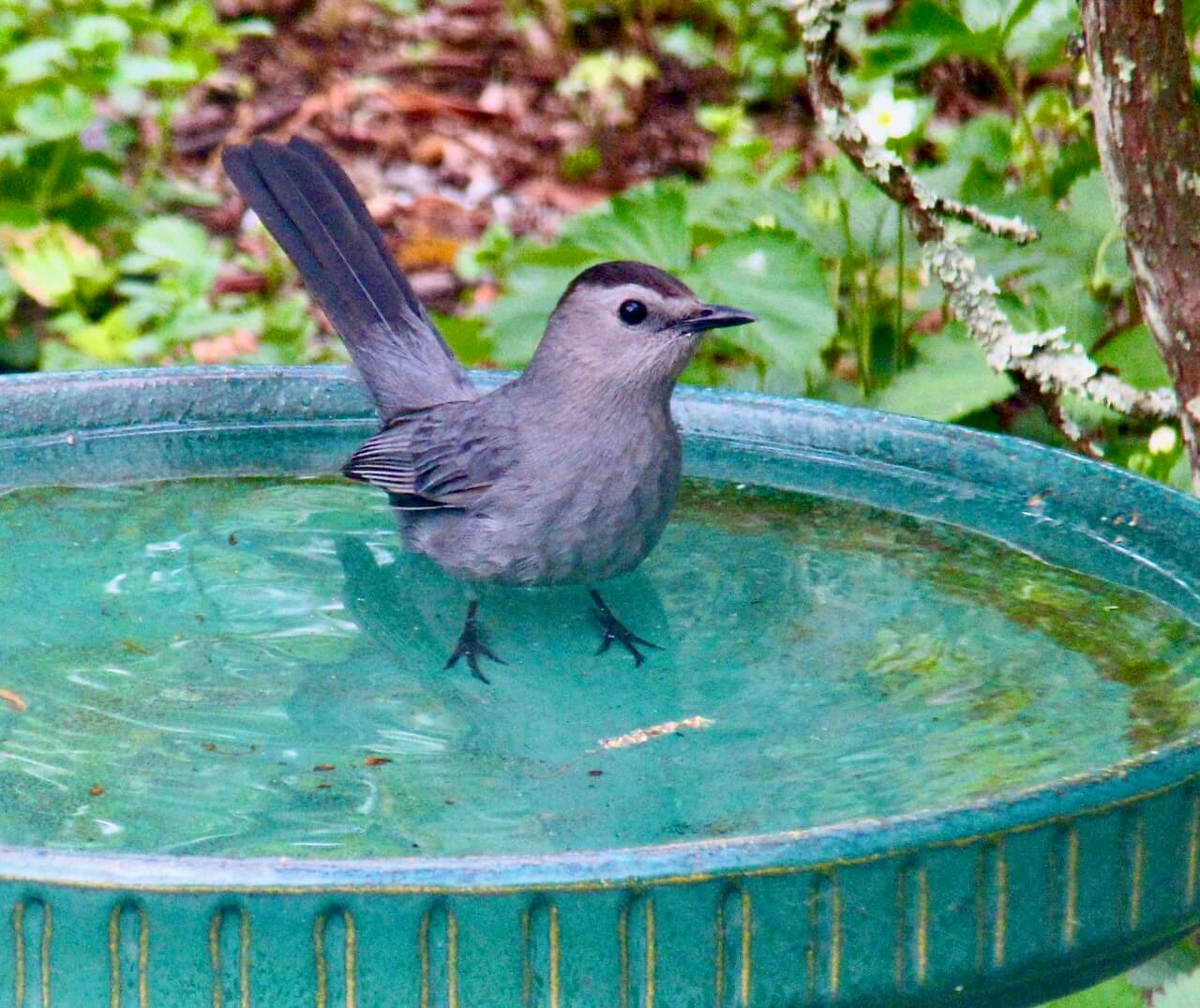
Birdbaths in my yard, usually a focal point for visiting birds, have been turned over at the urging of Massachusetts Wildlife officials. Although not yet reported in Massachusetts, a mysterious bird disease has affected many Southern and Mid-Atlantic states. Since late May there have been numerous reports of dying birds with swollen eyes and crusty discharge, as well as neurological problems. In lieu of the bright colors and uplifting energy our feathered friends provide, I offer these digitally altered photos, hoping the birds will be back flitting around my yard soon, and in good health.