The Visitors Center at Wachusett Meadow Wildlife Sanctuary provides ample opportunities for accessible views of nature.

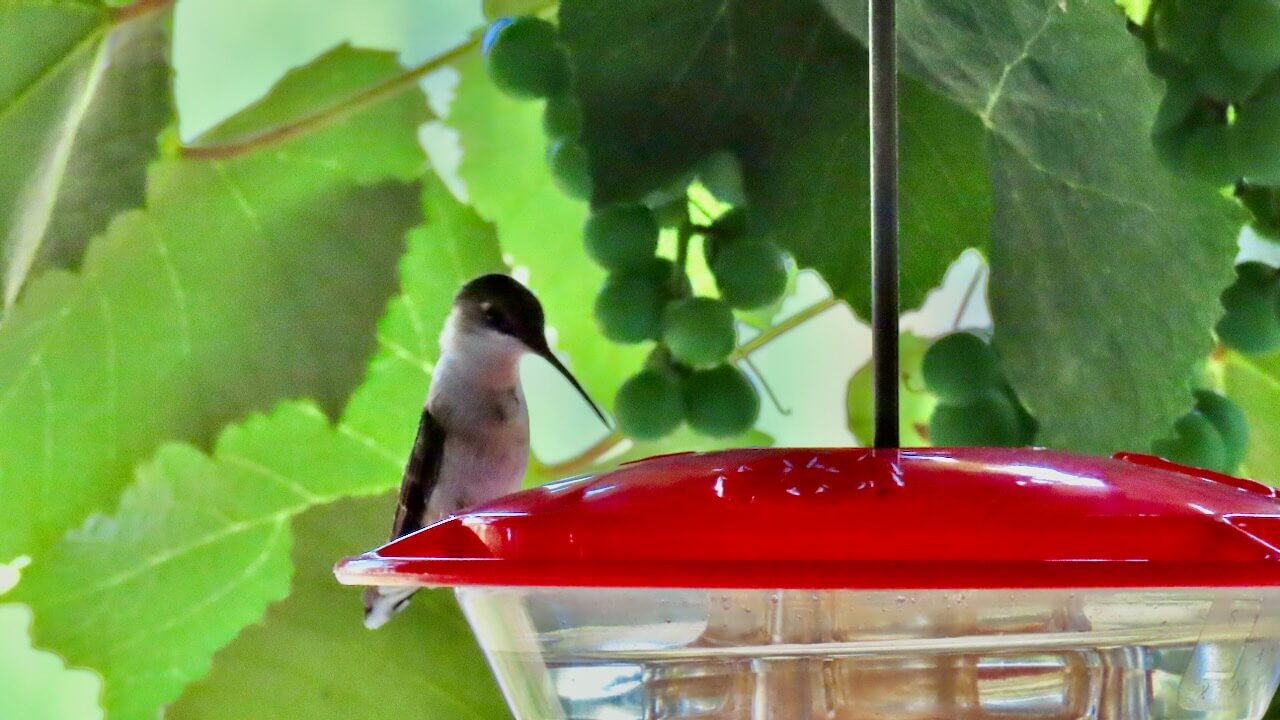
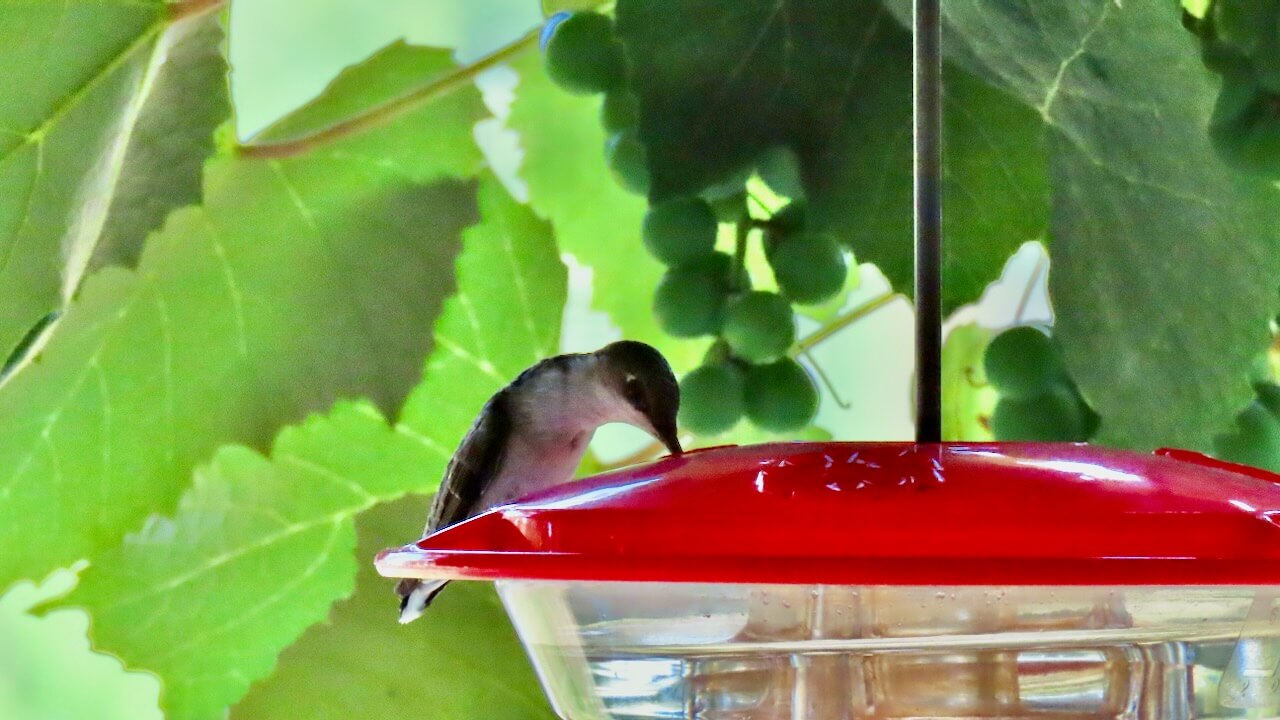
Relax on the porch to view grapes, hummingbirds and the South Meadow.

From your seat, the grape leaves above provide both cool shade and a view of the meadow beyond.
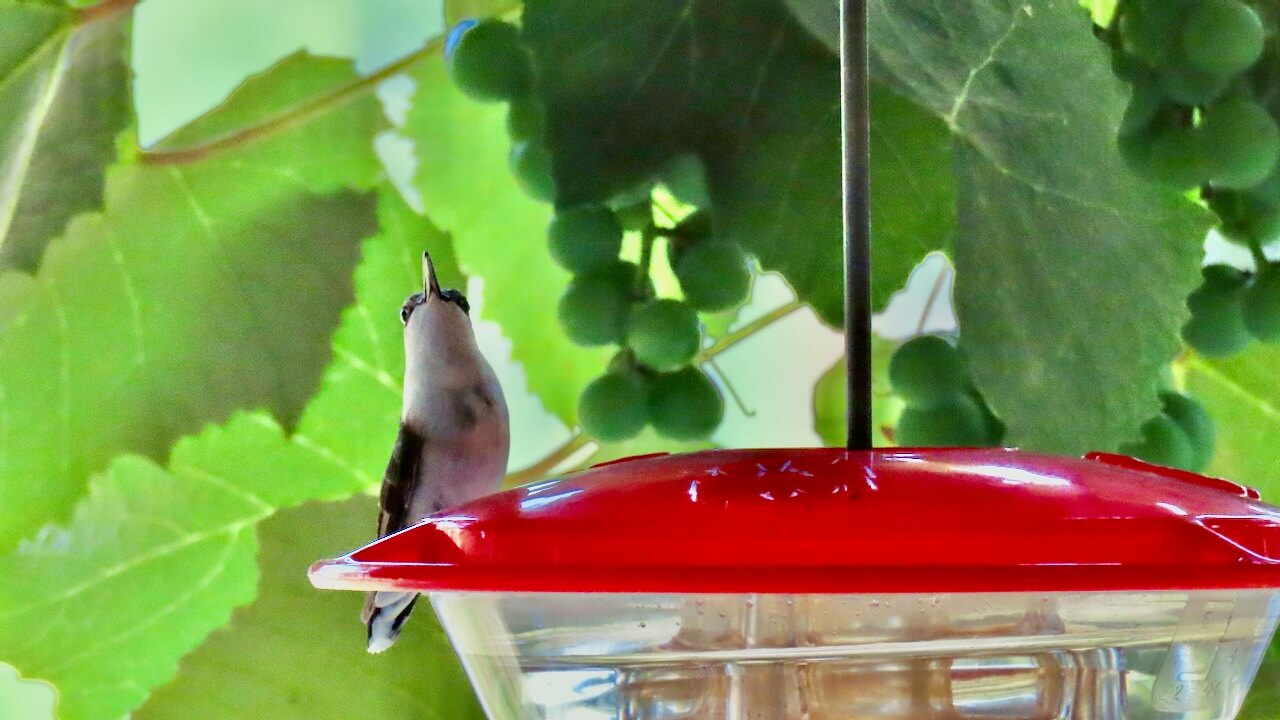
Hummingbird feeders hang just a few feet from you, near the grape vines.

Just to the left of the parking lot, stone walls lend a shady spot at the edge of the sheep pen.

The friendly sheep will often come to you, and allow you to pat them.

From the pen, traditional wooden fencing and movable fencing allow the sheep to graze a variety of pastures. You can also view the beaver wetlands beyond.

Another accessible trail leads directly from the Visitors Center to open views of the North Meadow. The Meadow sign is also written in Braille underneath the English, and is linked to an audio tour for the visually impaired. In the ever-changing meadow, you might view any of the flora and fauna below:


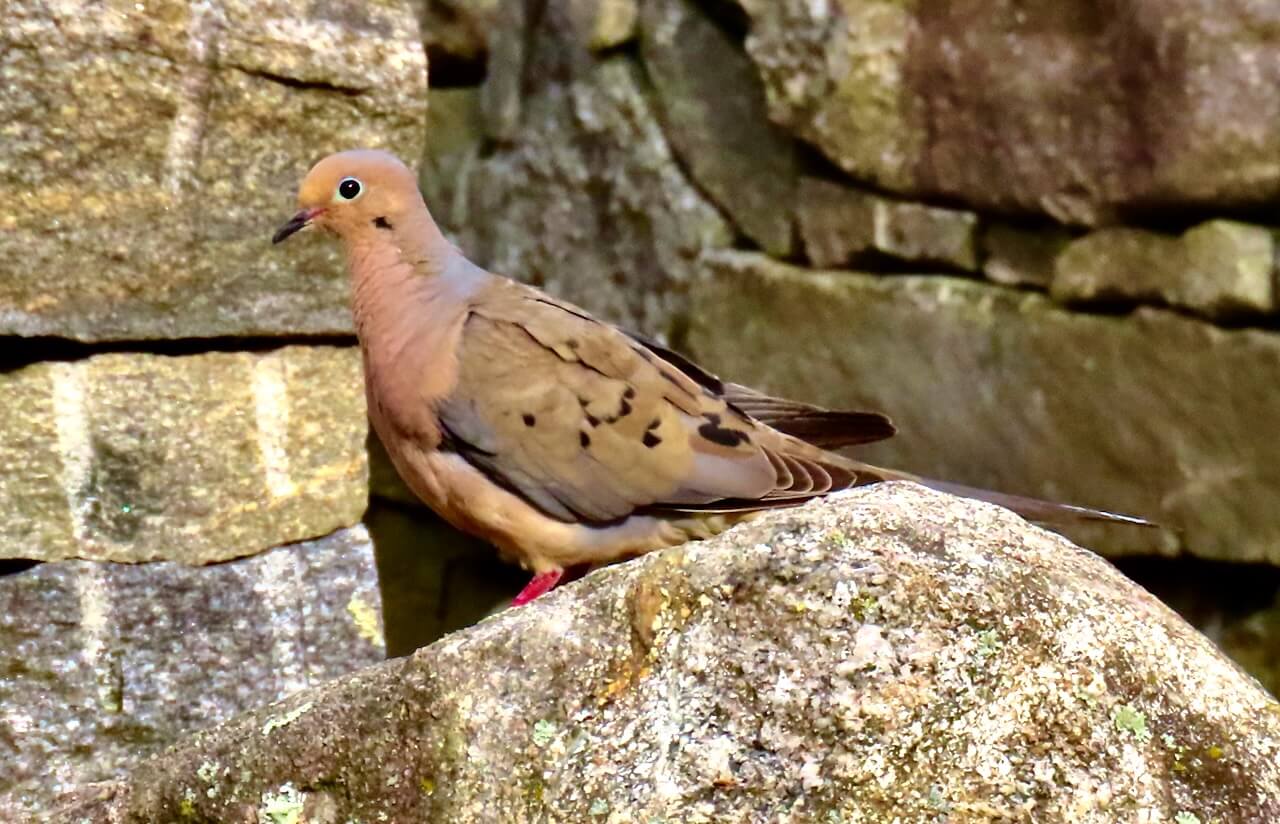
Mourning Dove


