WIldflowers abound across the sunny open areas at Wachusett Meadow Wildlife Sanctuary.

Goldenrod

Joe Pye Weed


Common Tansy


Photographs taken with a bridge camera journaling nature and everyday life in Central Massachusetts and beyond.
Category: Wachusett Meadow
WIldflowers abound across the sunny open areas at Wachusett Meadow Wildlife Sanctuary.
Goldenrod
Joe Pye Weed
Common Tansy

The Visitors Center at Wachusett Meadow Wildlife Sanctuary provides ample opportunities for accessible views of nature.

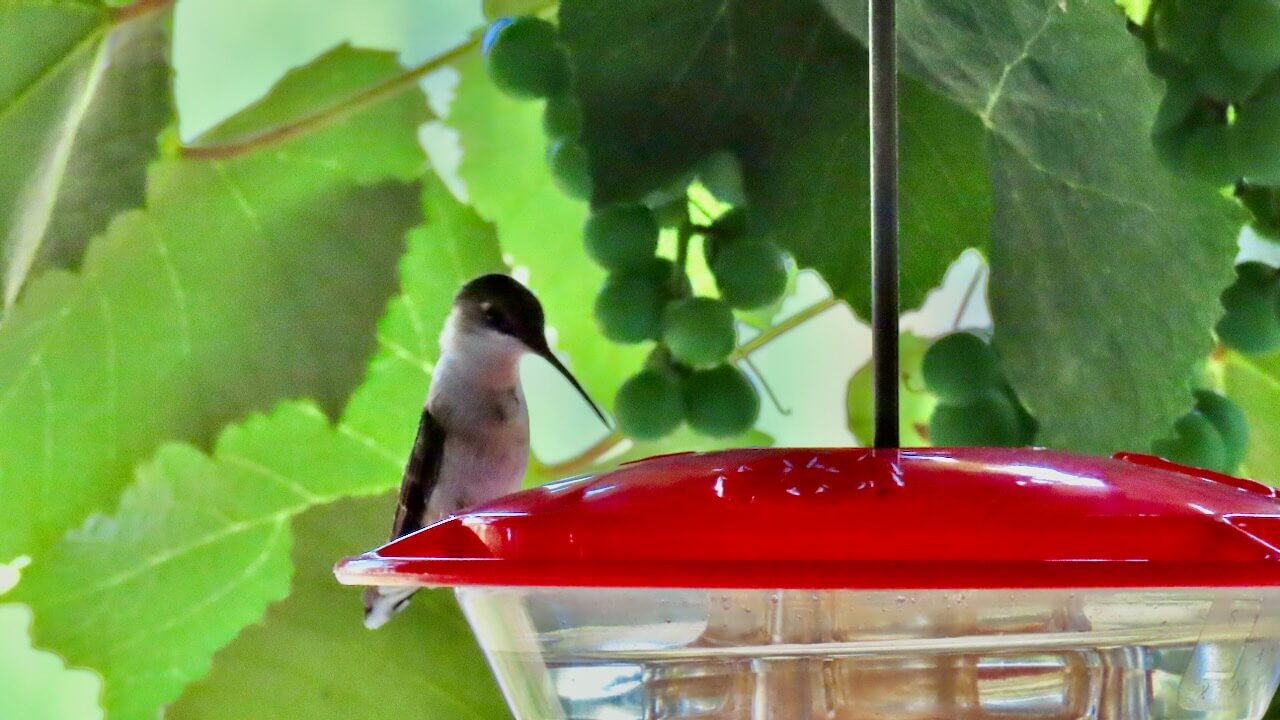
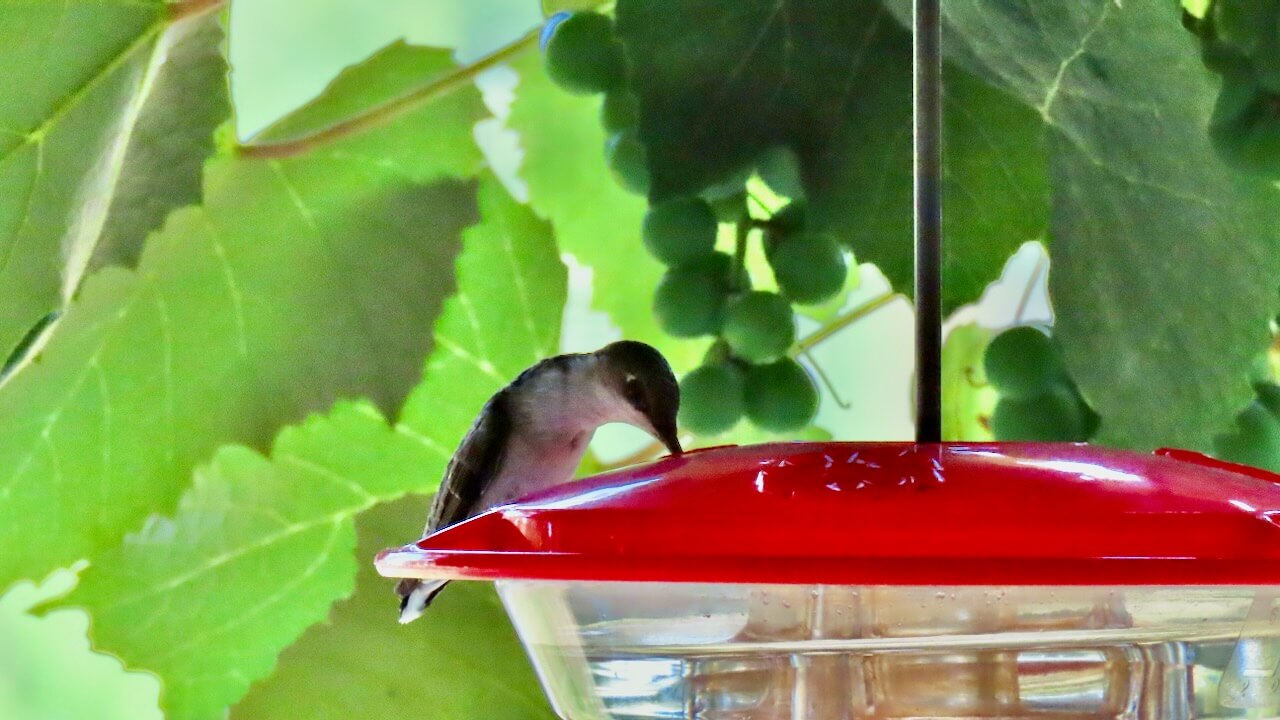
Relax on the porch to view grapes, hummingbirds and the South Meadow.

From your seat, the grape leaves above provide both cool shade and a view of the meadow beyond.
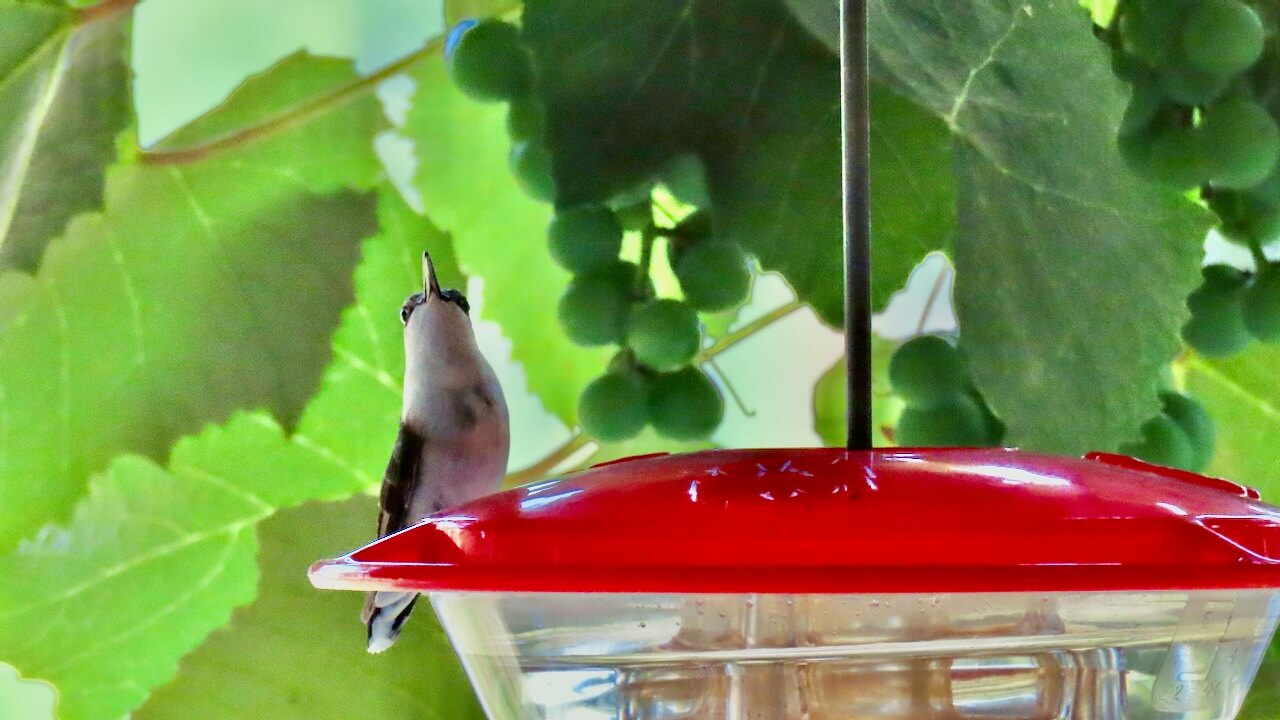
Hummingbird feeders hang just a few feet from you, near the grape vines.

Just to the left of the parking lot, stone walls lend a shady spot at the edge of the sheep pen.

The friendly sheep will often come to you, and allow you to pat them.

From the pen, traditional wooden fencing and movable fencing allow the sheep to graze a variety of pastures. You can also view the beaver wetlands beyond.

Another accessible trail leads directly from the Visitors Center to open views of the North Meadow. The Meadow sign is also written in Braille underneath the English, and is linked to an audio tour for the visually impaired. In the ever-changing meadow, you might view any of the flora and fauna below:


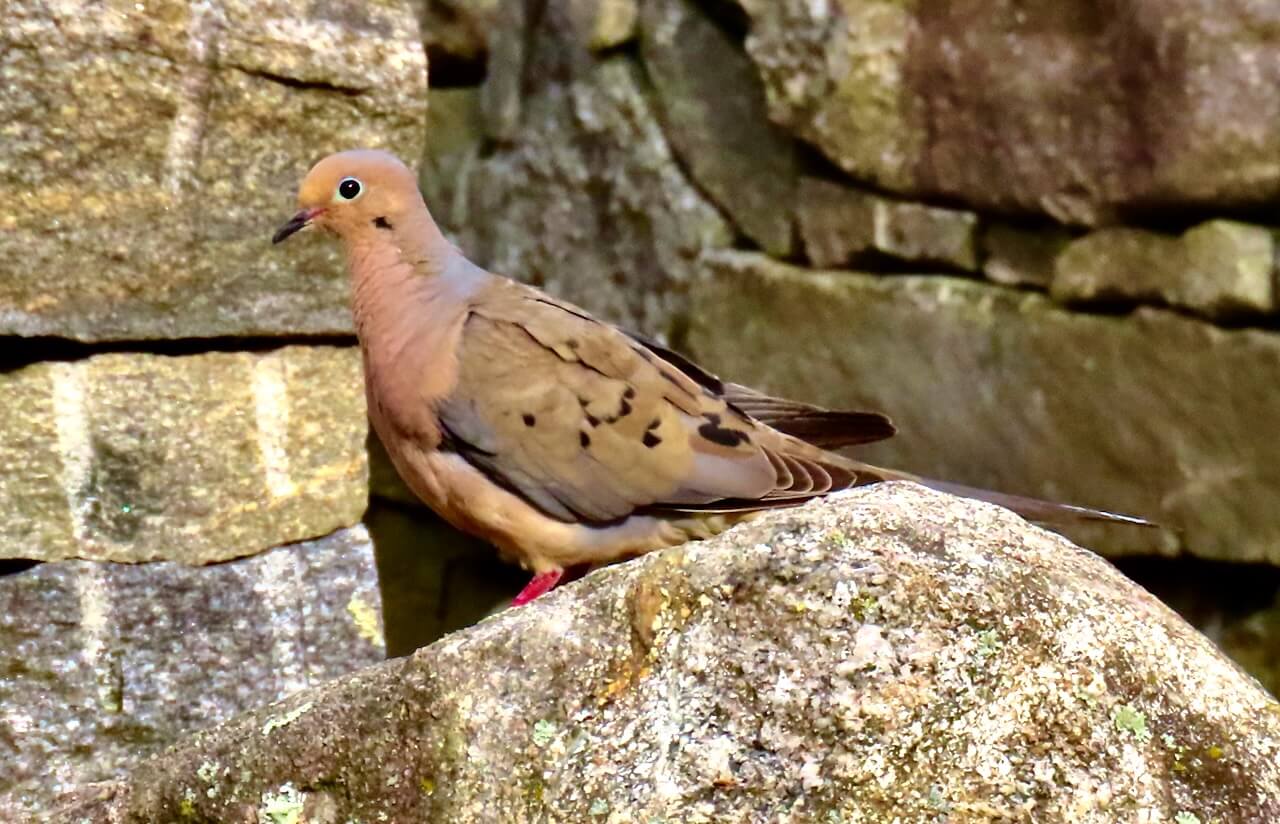
Mourning Dove

It won’t be long until the great blue herons return to the Wachusett Meadow in March.

Herons are important for the environment as they act as “indicator species”. Scientists monitor heron populations to detect environmental contamination, such as toxins in the water or mercury levels in eggs, which reflects the health of the entire ecosystem.

Although they are named “great blue”, herons can look grey or brown depending on the light conditions.

This great blue heron does look blue. Herons appear bluest in low light, fog, or shadows, which reflect cooler, blue tones.


This heron is taking advantage of the All-Persons Observation Deck.

Herons are known for their exceptional camouflage, often appearing nearly invisible when perched among dead branches, or debris.

This heron can see well from high up in the tree. Its eyesight is estimated to be about three times more detailed than a human’s. From this high perch, a heron can spot small movements below.

Great Blue Herons are expert fishers, but they will eat almost anything they can catch and swallow. In a meadow, herons hunt for small mammals, which can make up a large portion of its diet, especially in winter when waterways freeze .

The Great Blue Heron is widely considered one of the most prehistoric-looking birds alive today. While all birds are living descendants of dinosaurs, herons appear more like dinosaurs because of their large size, sharp angles and guttural sounds.


They can form their necks into an S-shaped curve which acts like a coiled, spring-loaded mechanism. This allows them to catch prey in the water with high speed and precision.


Sheep at Wachusett Meadow Wildlife Sanctuary spend fall days on the go.

Visitors are greeted with this sign at the entrance.

I’ve watched this sheep and her friends

walking the stone wall,

choosing fresh tree leaves to munch on,

strolling through the Visitor’s Center entrance,

and posing for a painting.

Then there’s time for a bit of lawn grazing,


and a quick rub against the scratching post.

Dinner Awaits!

Birds at Mass Audubon Wachusett Meadow choose good vantage points to survey their surroundings.

Red-tailed Hawk


Northern Cardinal


European Starling


Mourning Dove


White-breasted Nuthatch

Cedar Waxwing

Barred Owl


Yellow-bellied Sapsucker


Unlike classic Adirondack Chairs, these redesigned Ardirondacks at Wachusett Meadow feature ergonomic higher seats and straighter backs, allowing for greater ease of use for those with mobility issues.


This Porcupine ambled in the last rays of sunshine recently at Wachusett Meadow Wildlife Sanctuary. Video short included.


A January afternoon at Wachusett Meadow Wildlife Sanctuary.
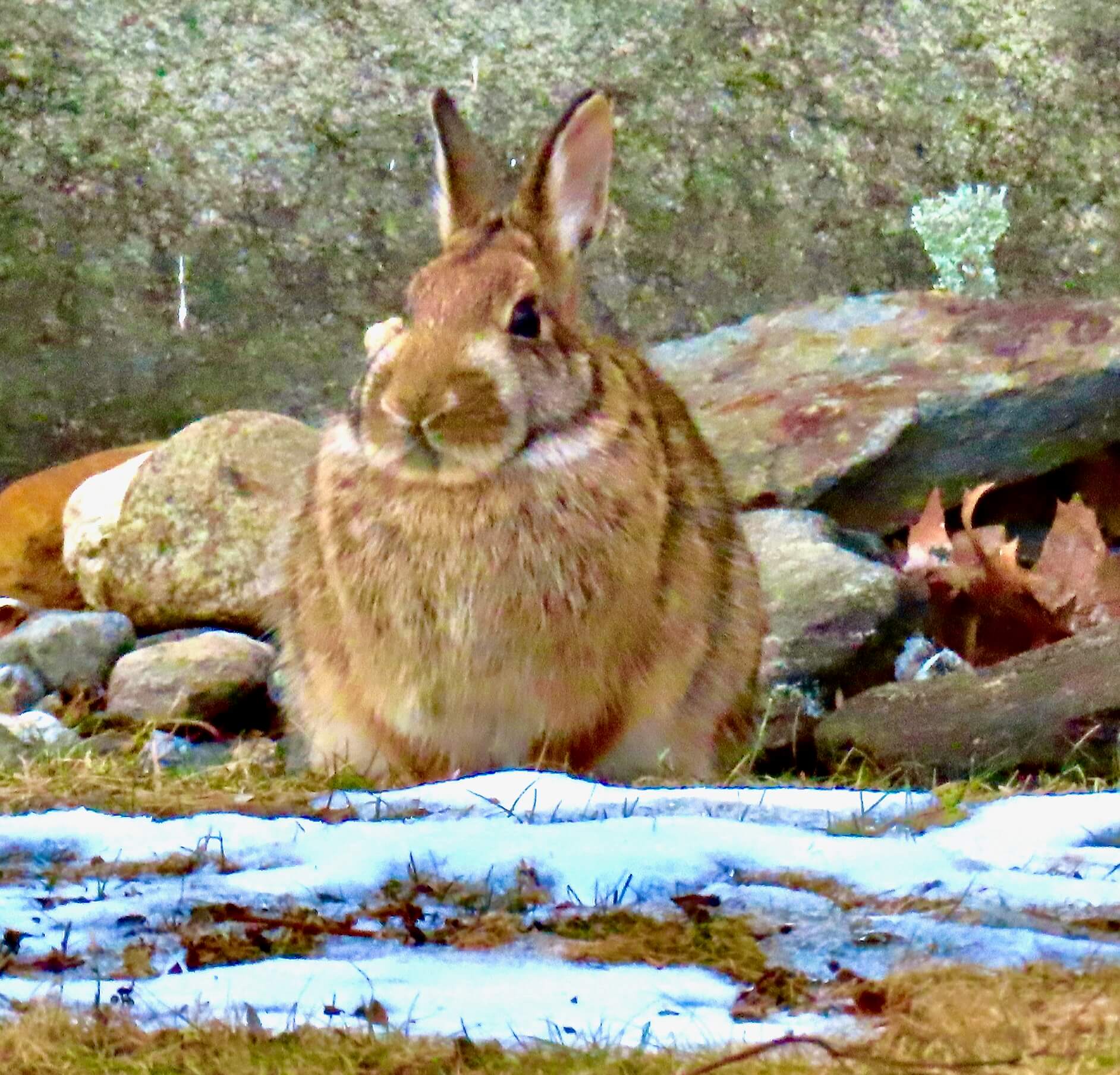
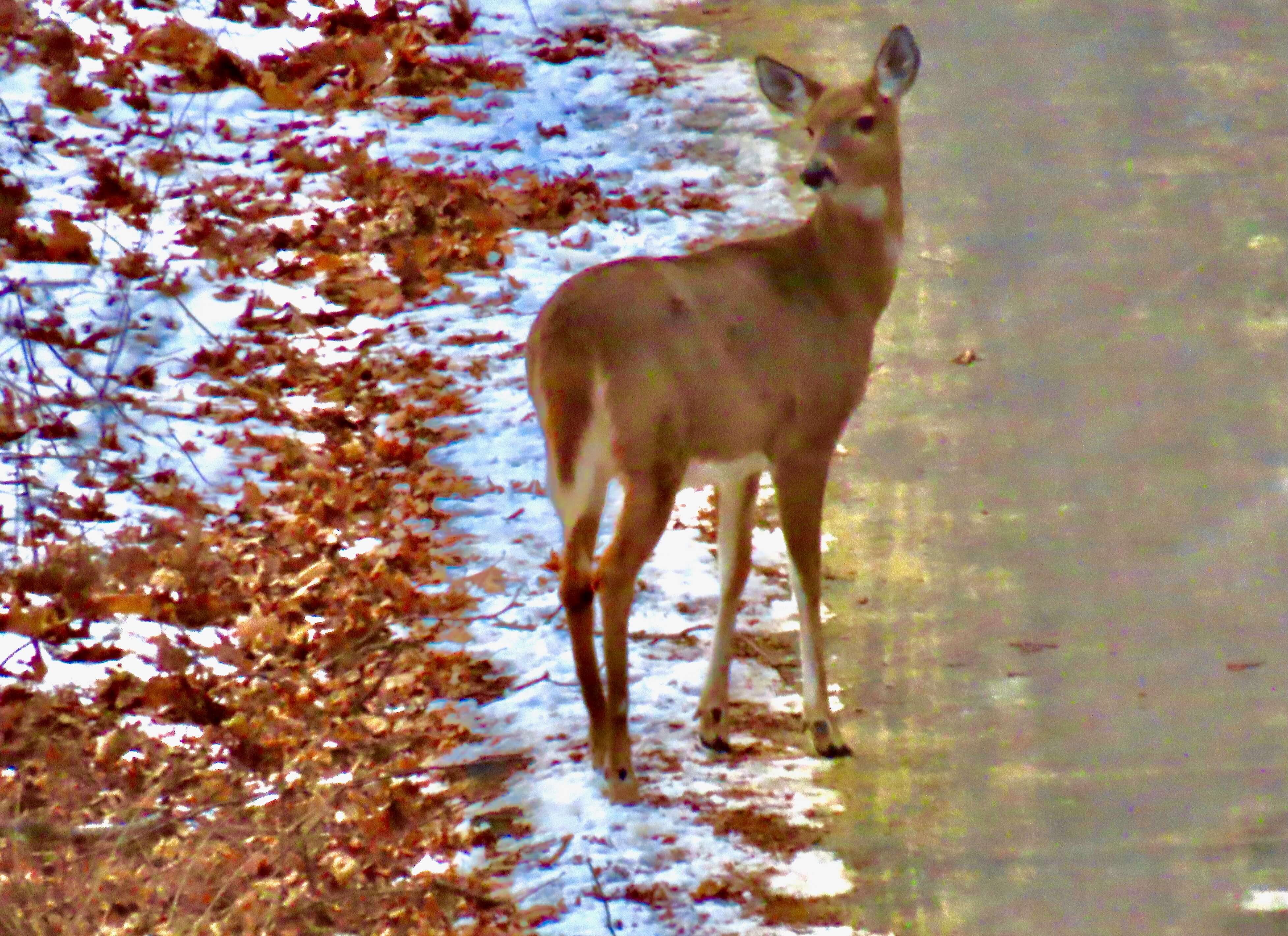
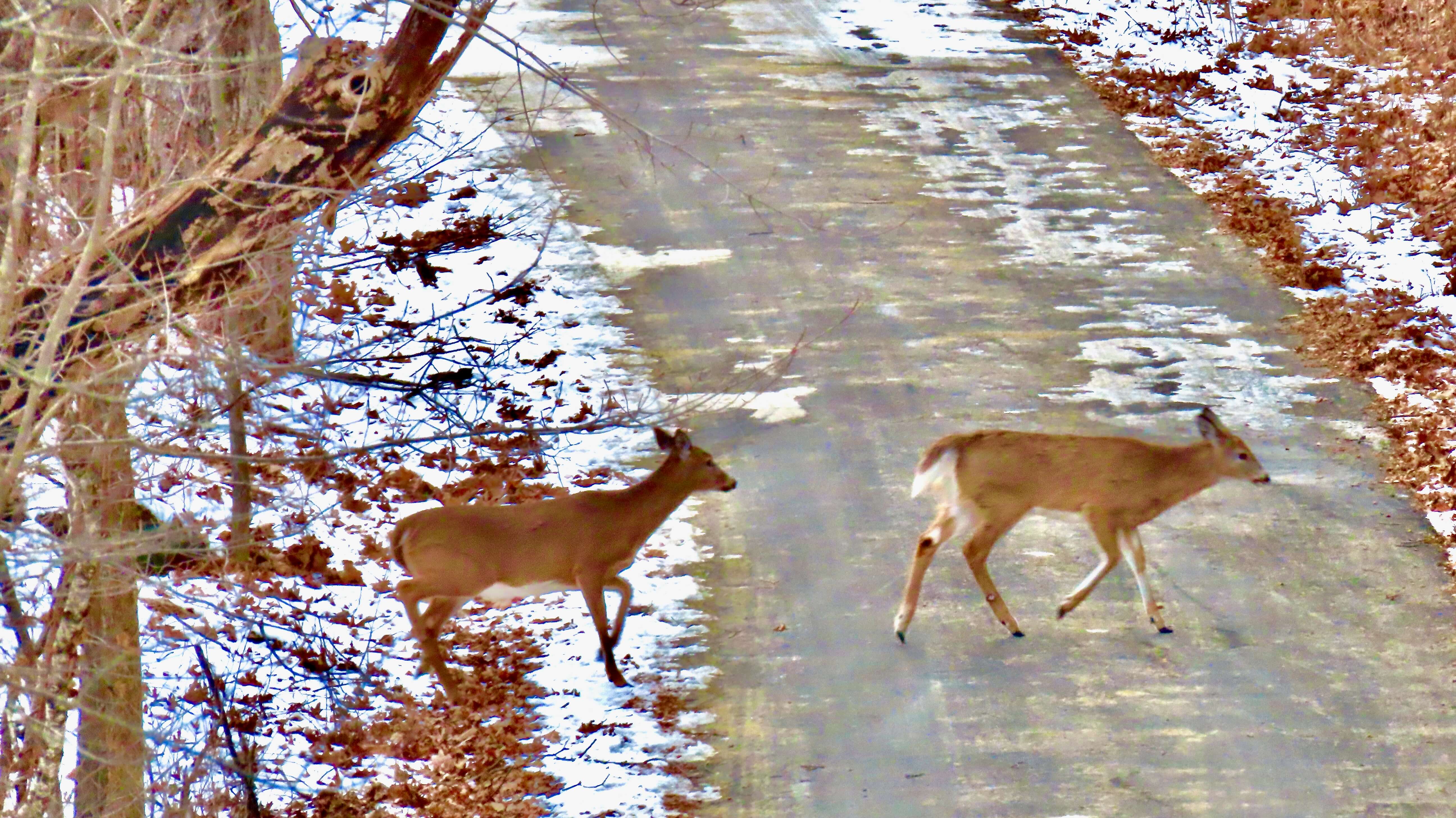
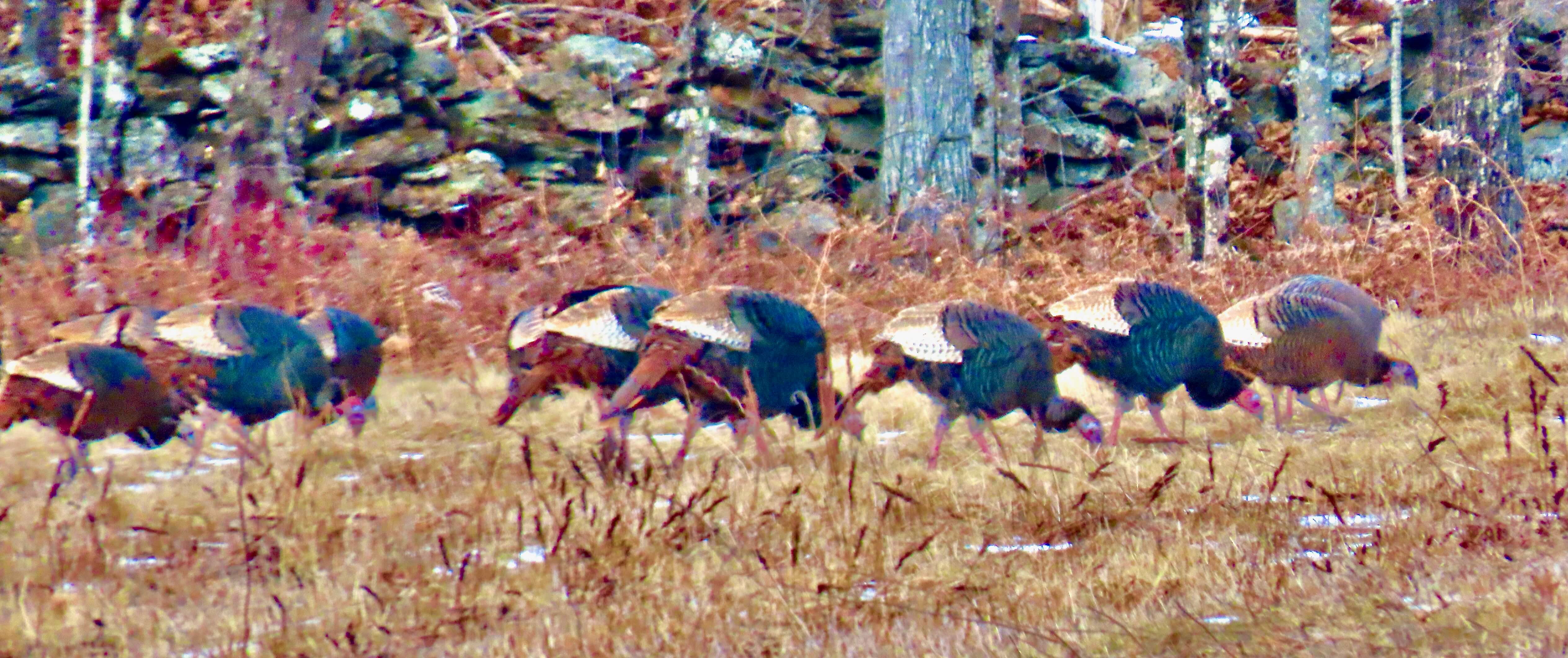
Wild Turkeys


Eastern Towhee

Catching the last of the afternoon sunlight at Wachusett Meadow Wildlife Sanctuary.


This tree sparrow does not breed in Massachusetts, but is a common winter visitor here.


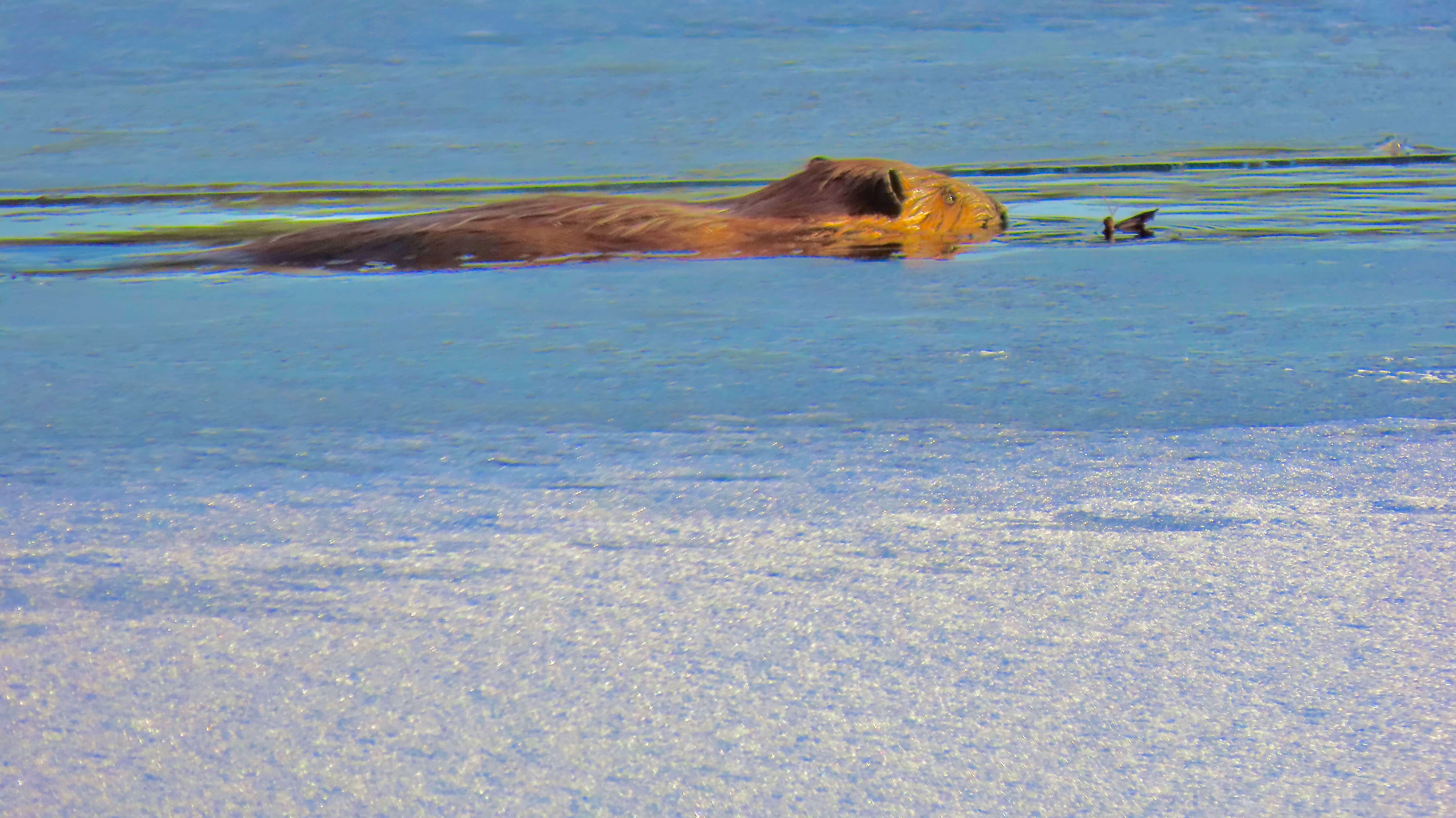
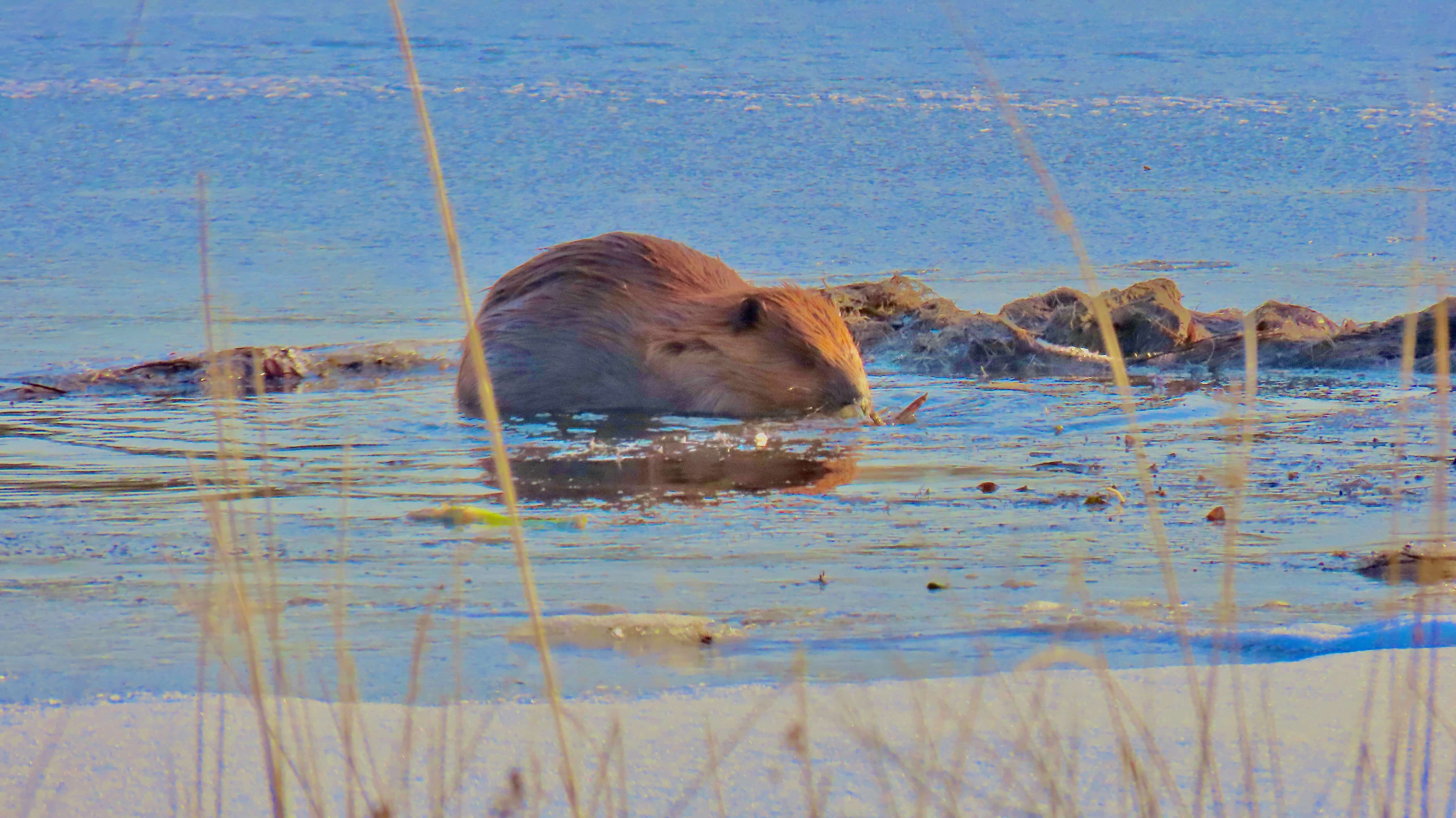
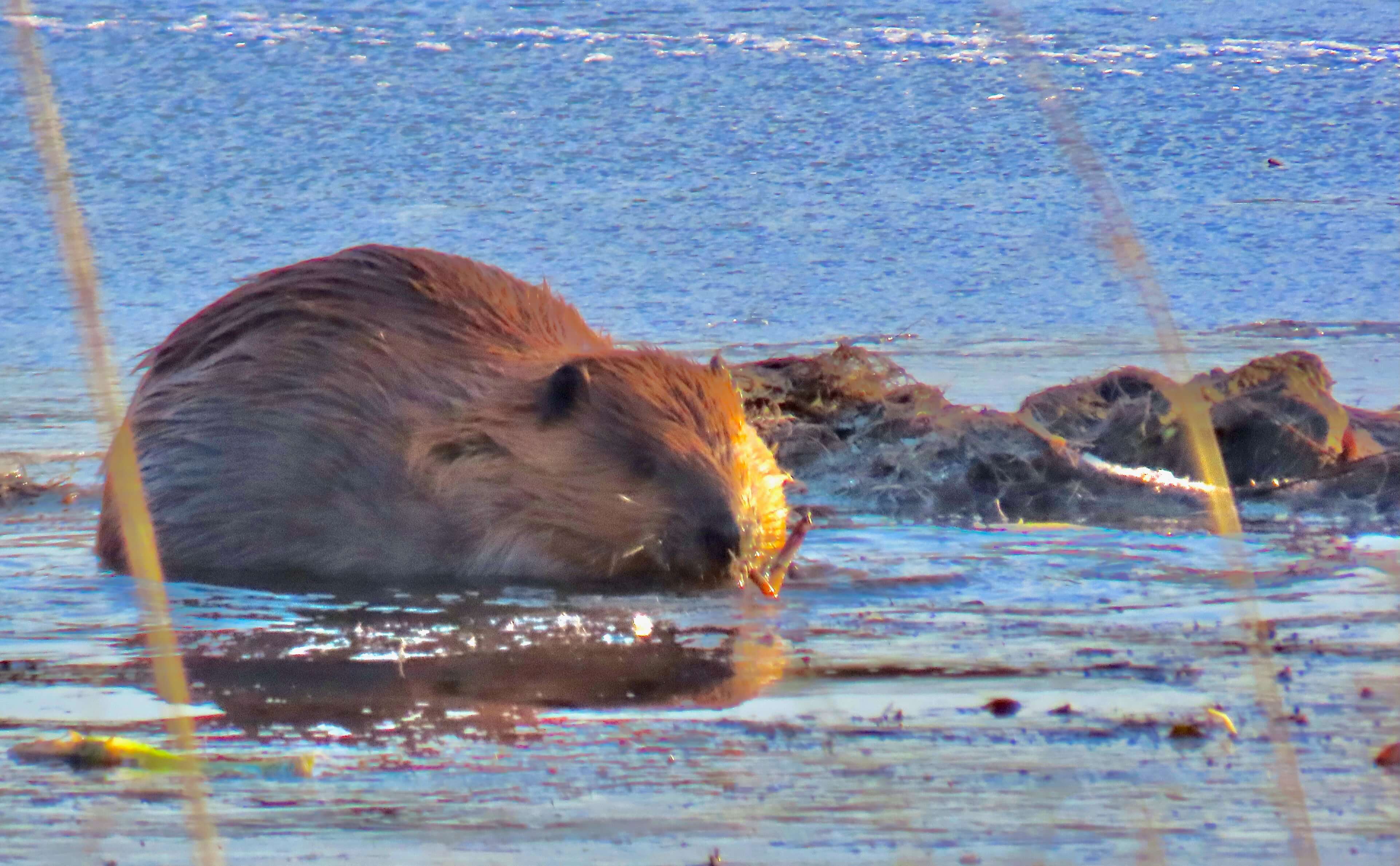
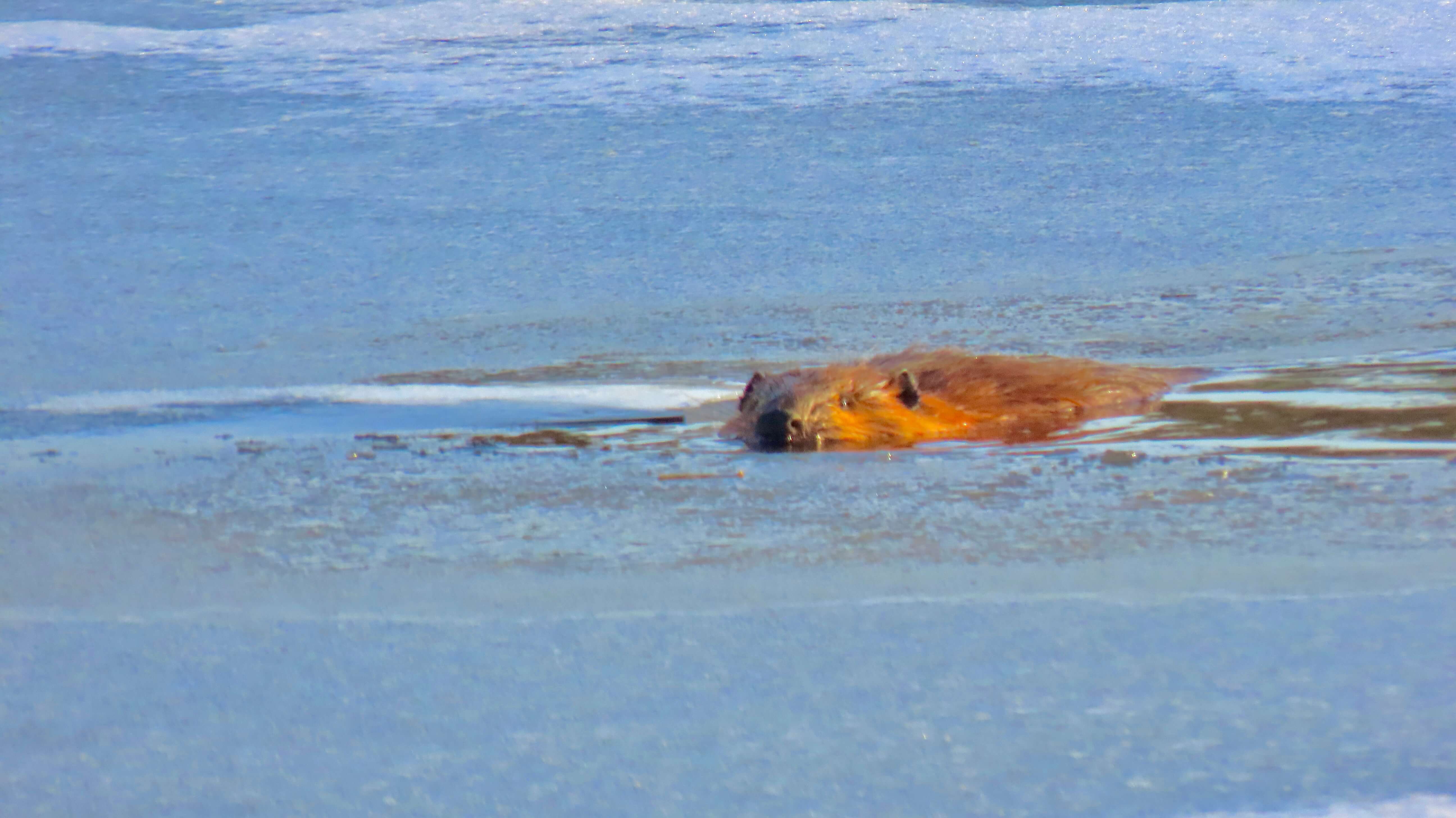
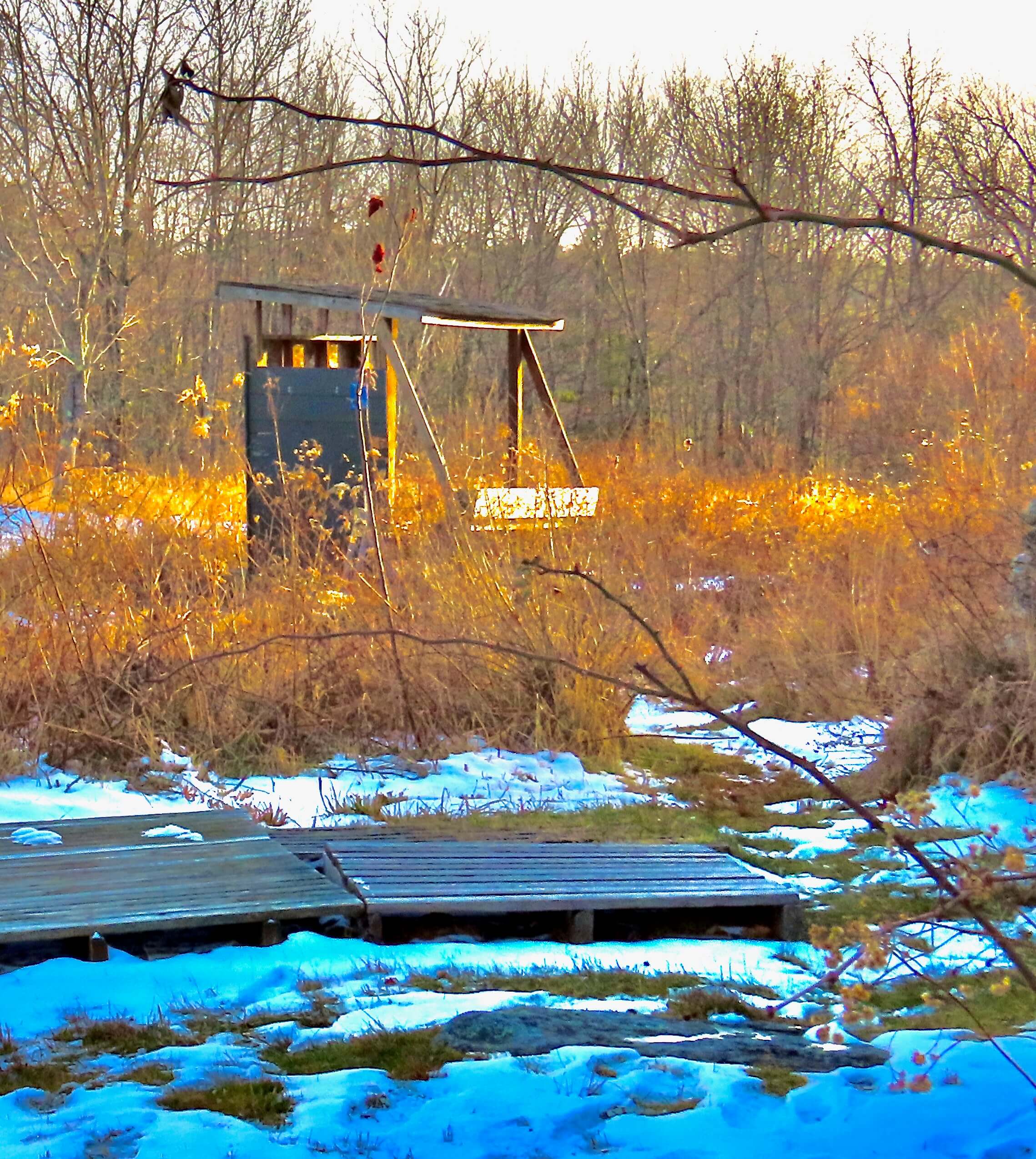

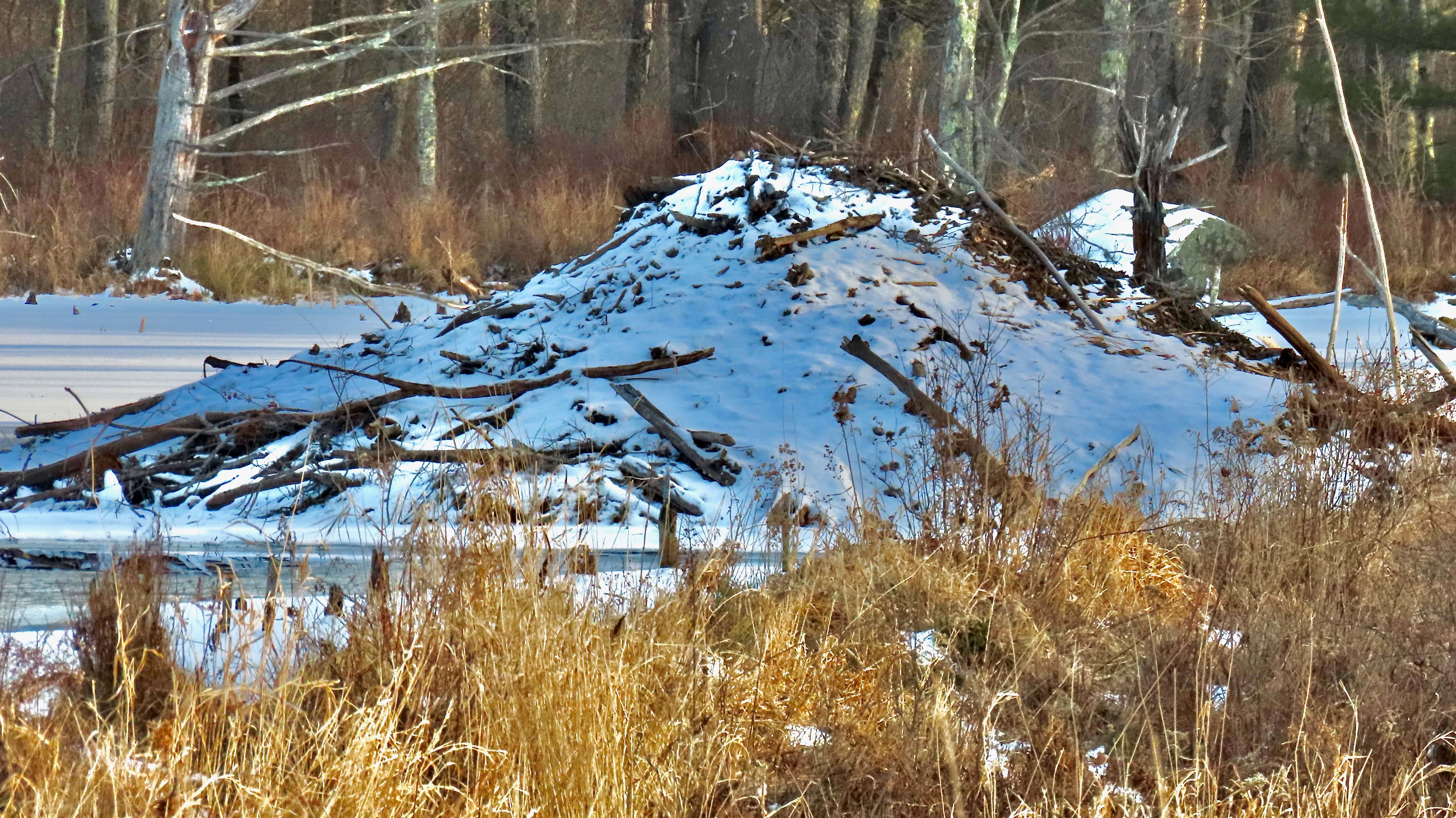


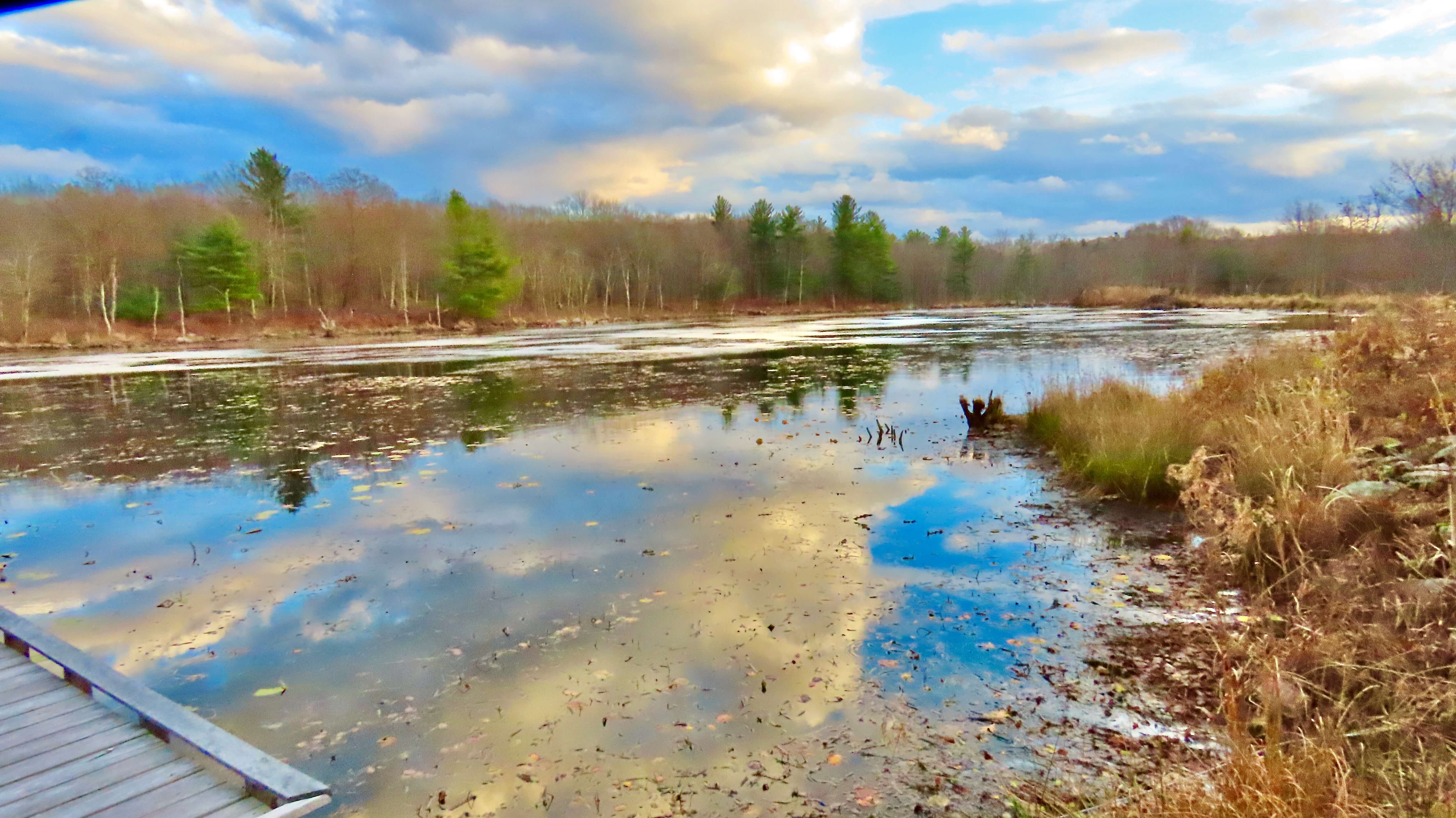
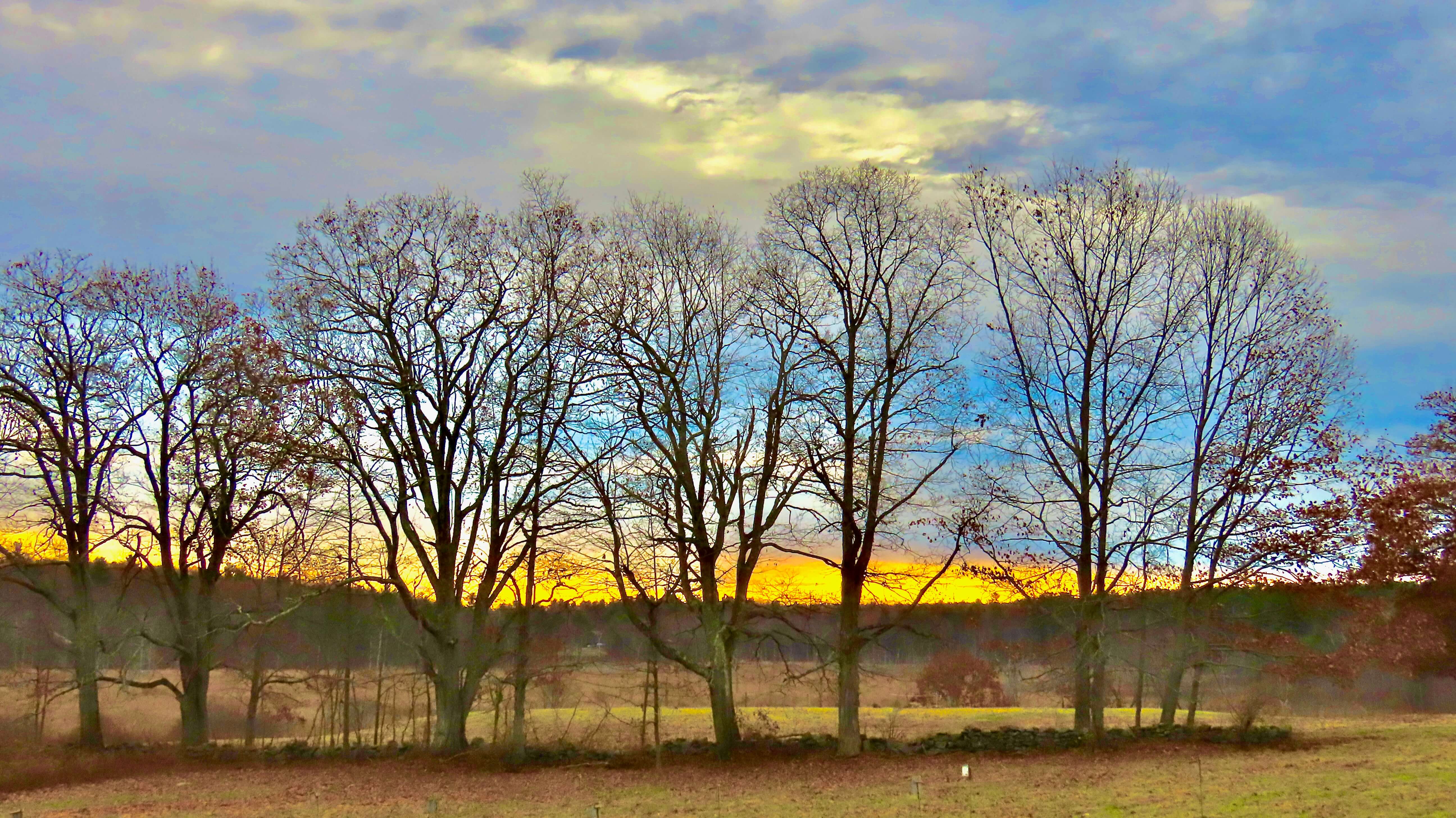
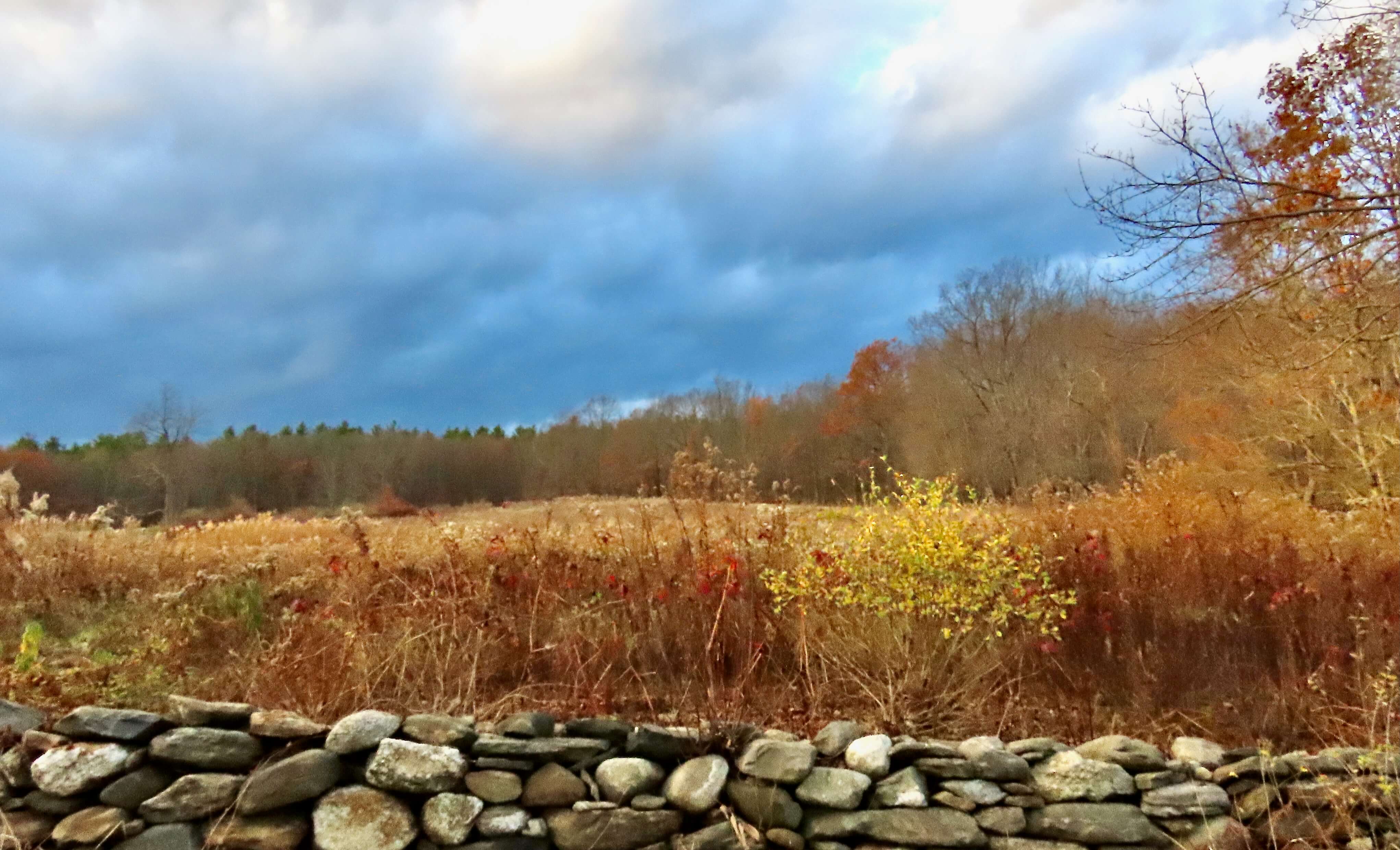
North Meadow
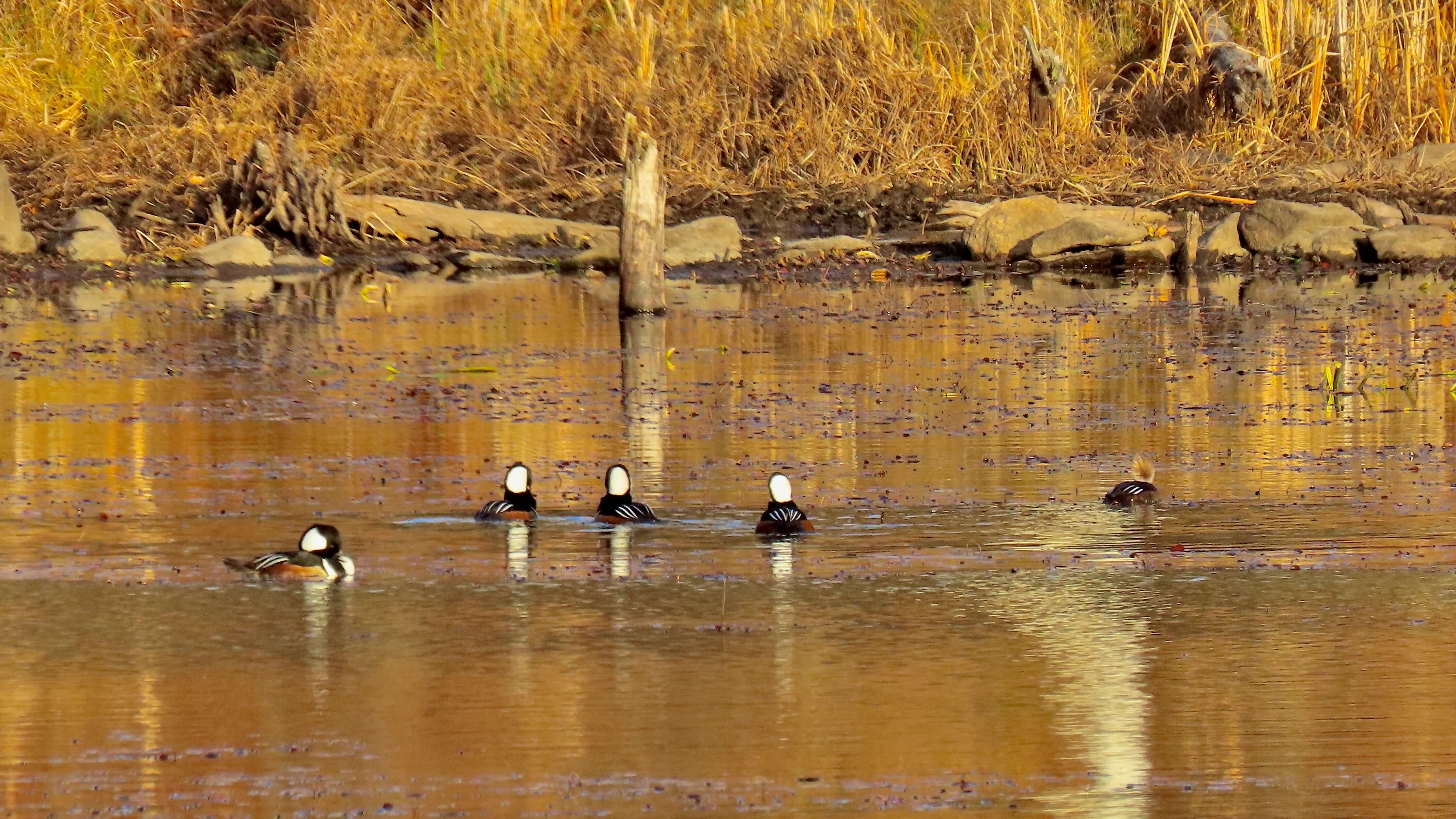

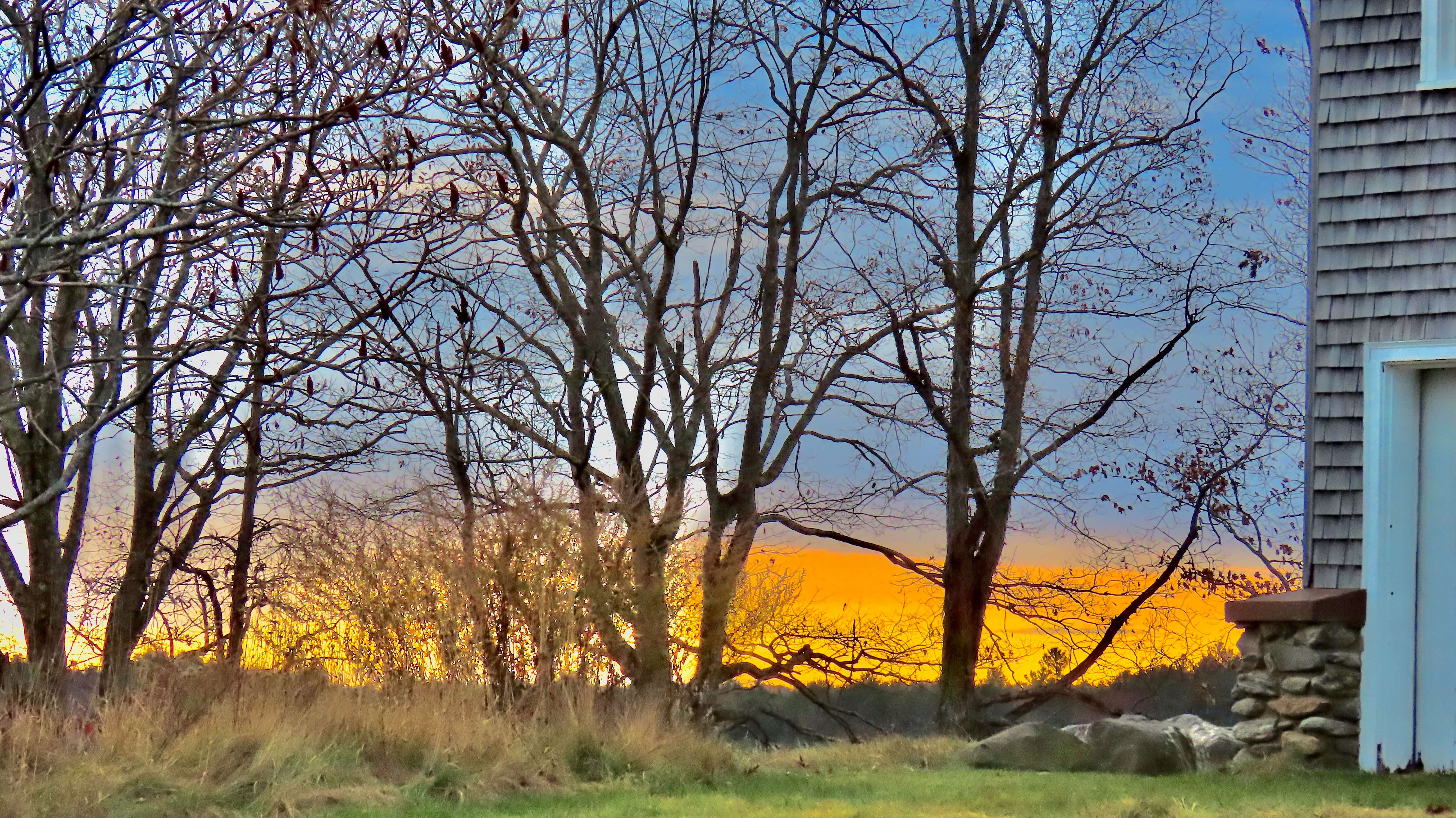
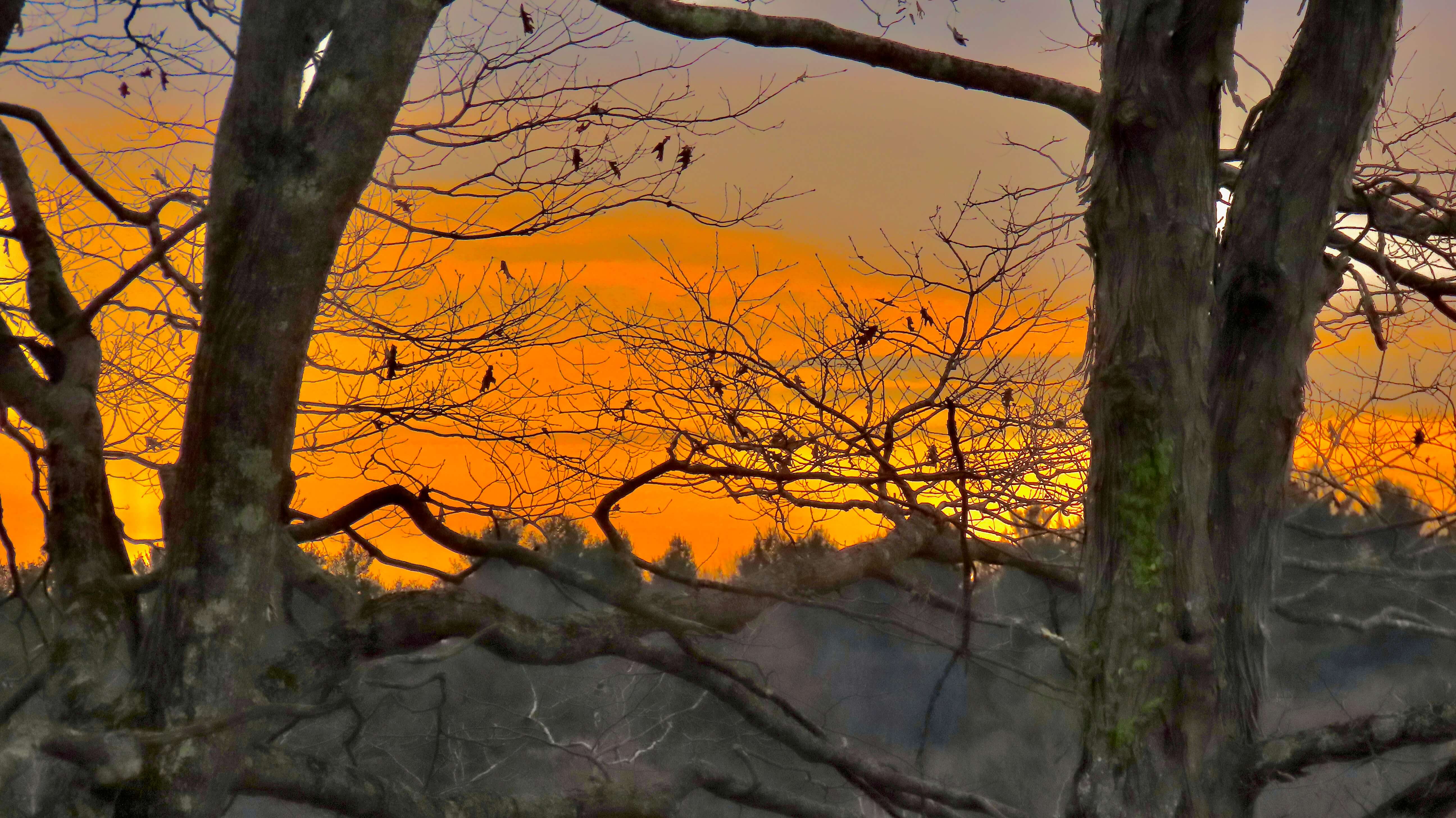

Now being served North American Beaver style. All you can eat! (Two short videos included.)


There’s a golden world waiting on the MeadowTrail paths at Wachusett Meadow Wildlife Sanctuary.

Approach to the sheep and cow barns.


Bluebird boxes.
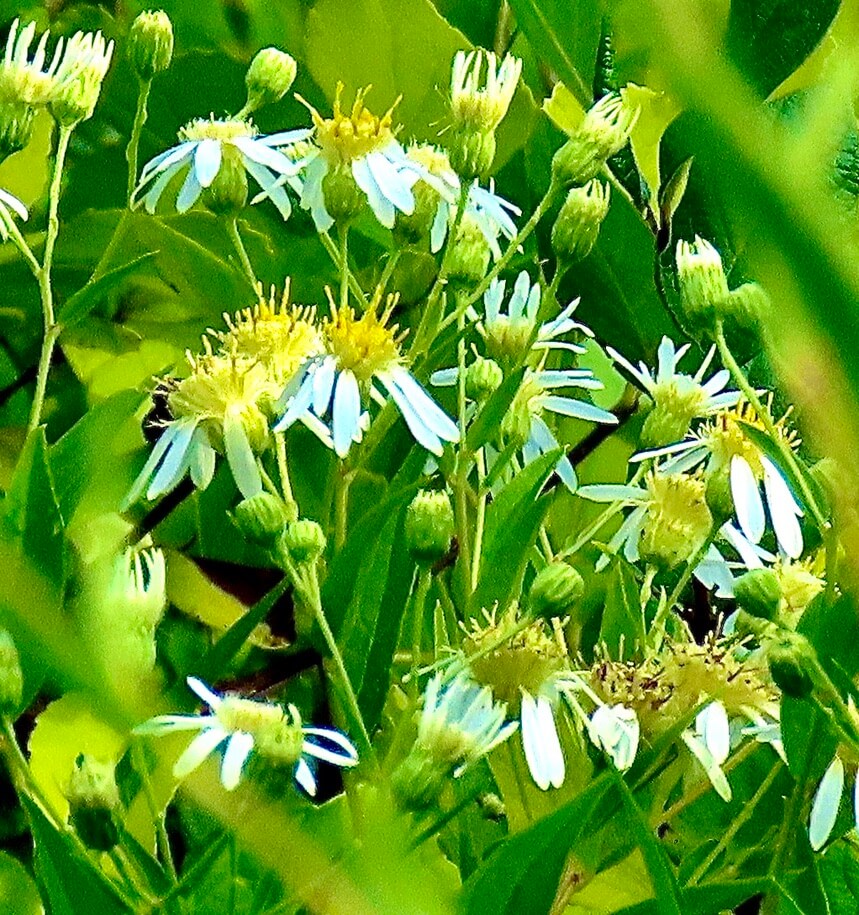


A lingering haze was visible last night during my visit to Wachusett Meadow Wildlife Sanctuary.


Meeting these common creatures on a short walk never fails to lift my spirits.


Time to party!


A morning walk at Wachusett Meadow is uplifting in any season. Two short video clips included.


Wachusett Meadow Wildlife Sanctuary, Princeton, MA


If we could talk to the animals….


The All Persons Observation Deck, Wachusett Meadow Wildlife Sanctuary, Princeton, MA


An early morning walk on the Mass Central Rail Trail in Rutland, MA.


An Eastern Meadowlark, which is becoming rarer in many parts of Massachusetts, visited the Audubon Sanctuary recently.


Wachusett Meadow Wildlife Sanctuary, Princeton, MA


Eastern Bluebirds flew into town and invited their friends for a feast at the feeders.


The Wildlife Pond is coming alive with the warm weather.


Phoebes symbolize wisdom and hidden knowledge. They are connected to the Roman goddess Diana.


A windy day and choppy water couldn’t stop these Hooded Mergansers.


Front Porch, Wachusett Meadow Wildlife Sanctuary, Princeton, MA


Wachusett Meadow, Princeton, Massachusetts




The party was in full swing at Wachusett Meadow Wildlife Sanctuary today, where the Cedar Waxwings gorged themselves on berries in between relaxing sunbaths.


Photos from a winter walk at Mass Audubon Wildlife Sanctuary in Princeton, MA,


An important meeting was held today under the birdfeeders at Wachusett Meadow.


The ground around the feeders at Mass Audubon Wachusett Meadow bustles with familiar visitors during the winter months.


Golden rays through deep shadows combine to highlight Wachusett Meadow views in unexpected ways.


A meadow is an area with shallow ground water that allows grasses and wildflowers to flourish. Meadows support a wide range flora and fauna that could not thrive in other habitats, including flowers for native bees and other pollinators.
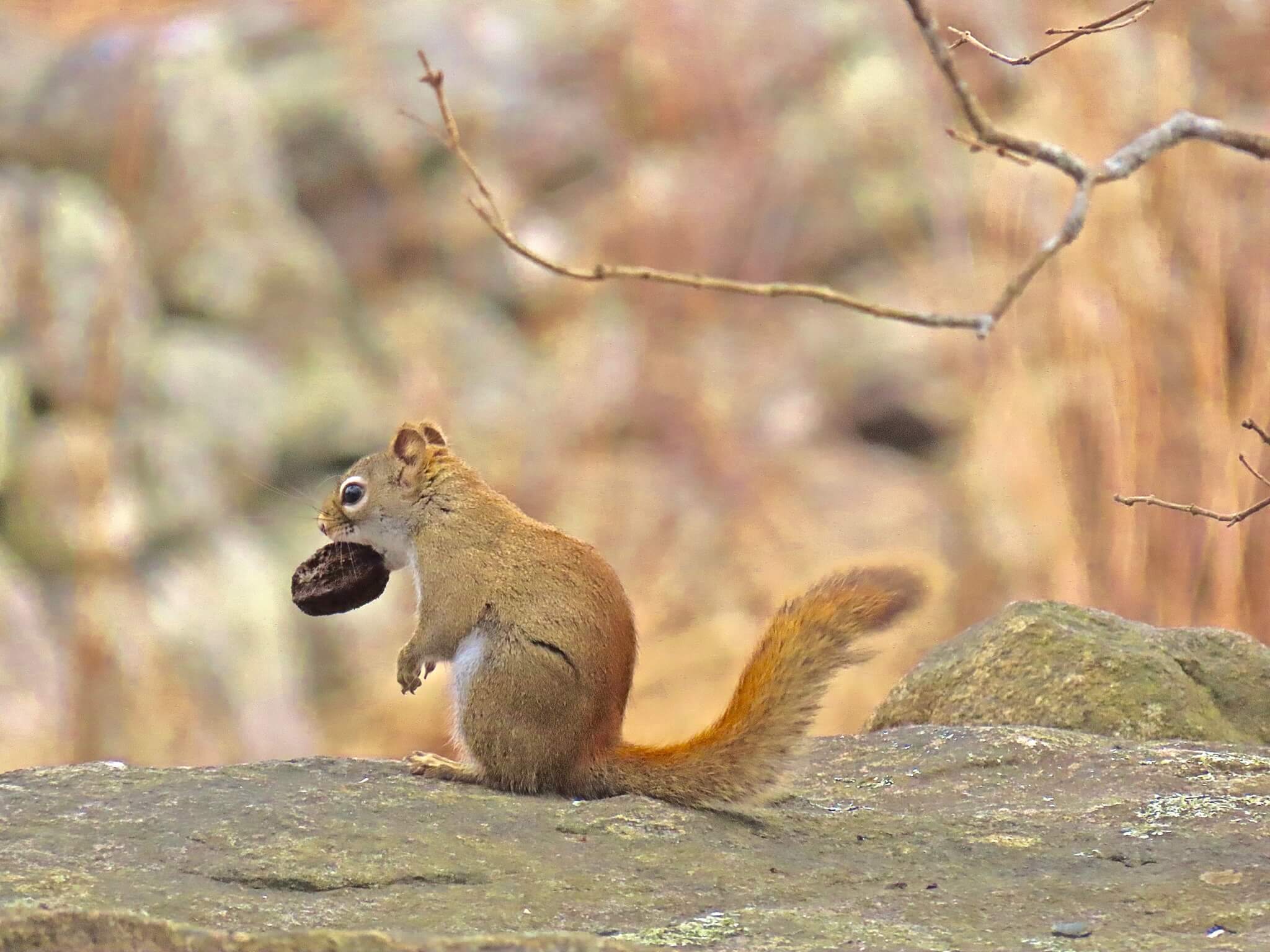
A recent ramble through this habitat at Mass Audubon’s Wachusett Meadow enabled me to study and appreciate the flowers and grasses up close. In turn, three common meadow creatures kept an eye on me as I walked.


For more information visit: https://www.massaudubon.org/get-outdoors/wildlife-sanctuaries/wachusett-meadow
To learn more about meadow habitats, visit http://www.magnificentmeadows.org.uk/conserve-restore/importance-of-meadows

A beaver lodge is built for any kind of weather.


Canada Geese goslings explore both open water and pond edge environments under the watchful eyes of their parents.


Tree Swallows, with their deep-blue iridescent backs, are the first swallows to return to Massachusetts in the Spring. They compete with Eastern Bluebirds for nest boxes. These swallows were perched on the bluebird boxes at Wachusett Meadow Audubon Sanctuary.


Beavers build lodges from woven sticks, grasses, and moss plastered with mud. These architectural marvels can be up to 8 feet wide and 3 feet high inside. A lodge is designed with at least two underwater “doors” to provide instant swimming access, while a “skylight” hole at the top lets in fresh air. There are two main rooms inside – one near the entrance that is used for eating and drying off and another used for sleeping and raising the young. On average, between four and eight beavers live in a lodge.


My point-and-shoot camera enables me to see amazing details, even at a great distance. During a recent walk at Mass Audubon Wachusett Meadow, I thought I saw a nest swinging near the top of a tree. Thanks to my camera, I was delighted to discover that it was really this gorgeous Barred Owl!


In the late Fall, meadows in New England are bursting with milkweed pods, which furnish monarch caterpillars with the only food they will eat. A huge effort is underway to plant more milkweed to stop the recent decline in the monarch population.


