Category: farming

A Tail From “Camelot”

Cassie, the dromedary camel, lives at Lilac Hedge Farm in Rutland, Massachusetts . (Two video shorts are included.)
“What a beautiful day!”
“Perfect for catching a few rays.”
And now, a quick snack!
“What’s that I hear?”
My friends, the donkeys, are down there.”
“Hi Friends! Nice to see you!”
Oh, happy Day!

¡Delicioso!

Third Generation farmers from Nicaragua roast and sell coffee from around the world in this delightful Holden, Massachusetts coffee shop.

Wall murals help customers visualize coffee beans on the vine.
Brilla means “shine” in Spanish.
Learn more about the farms and coffee here.
A coffee bean ceiling!

Roasted coffee can be purchased in-store or online.
The on-site roastery.
French Toast and Huevos Rancheros on a bagel.
Traditional style furnishings.

Pumpkin Patch Games

Farm-style versions of classic indoor and outdoor games are a treat for all at Bemis Farms Nursery on fall weekends.

Take a ghostly picture….

And pick a perfect pumpkin from the patch. Then test your skills on…

Squash Tic Tac Toe,
Checkers,

Milk Jug Toss,

Kan Jam (played with frisbees),
Ladder Ball (shown at the far left),
and an adaptation of the table top soccer game foosball.
Then try your hand at a farm version of Kerplunk ,
and wander around a “pumpkin tree” !
Can you toss a witch hat?
Have you ever tried pumpkin bowling?
Don’t forget to follow the Pumpkin Path!

Agronomy

The American Society of Agronomy tells us that agronomy is a “science and practice that looks at agriculture from an integrated, holistic perspective”.

The Agronomy Farm Vineyard in Oakham, Massachusetts is one of over 50 wineries in the state.

Agronomy’s 1.85 acre vineyard was planted in May of 2014 with half of the vines a red varietal, Marquette and the other half a white varietal called Cayuga.

The Winery is a destination for visiting as well as catered events.

The stencil “A” Agronomy trademark can be seen throughout the grounds.

Relax under a canopied patio near the pond!

Where Rabbits Run and Humans Walk and Reflect

More late summer images from Wachusett Meadow.

Eastern Cottontail Rabbits have proliferated this year at the Meadow.

Raised-Lettering on signs, as well as an audio informational program available at the visitors center, allow the visually impaired to more fully experience the meadow along the All Persons Trail.
The North Meadow is a popular easy hiking area.

Cattails in the North Meadow are vivid harbingers of fall.
A section of the All Persons Trail leads to the South Meadow.
Bas relief sculptures aid in identifying tree and barn swallows.
Visitors to the All Persons Trail can greet Wachusett’s endearing sheep on the way to the South Meadow…
…and then continue on to a sunny resting spot .

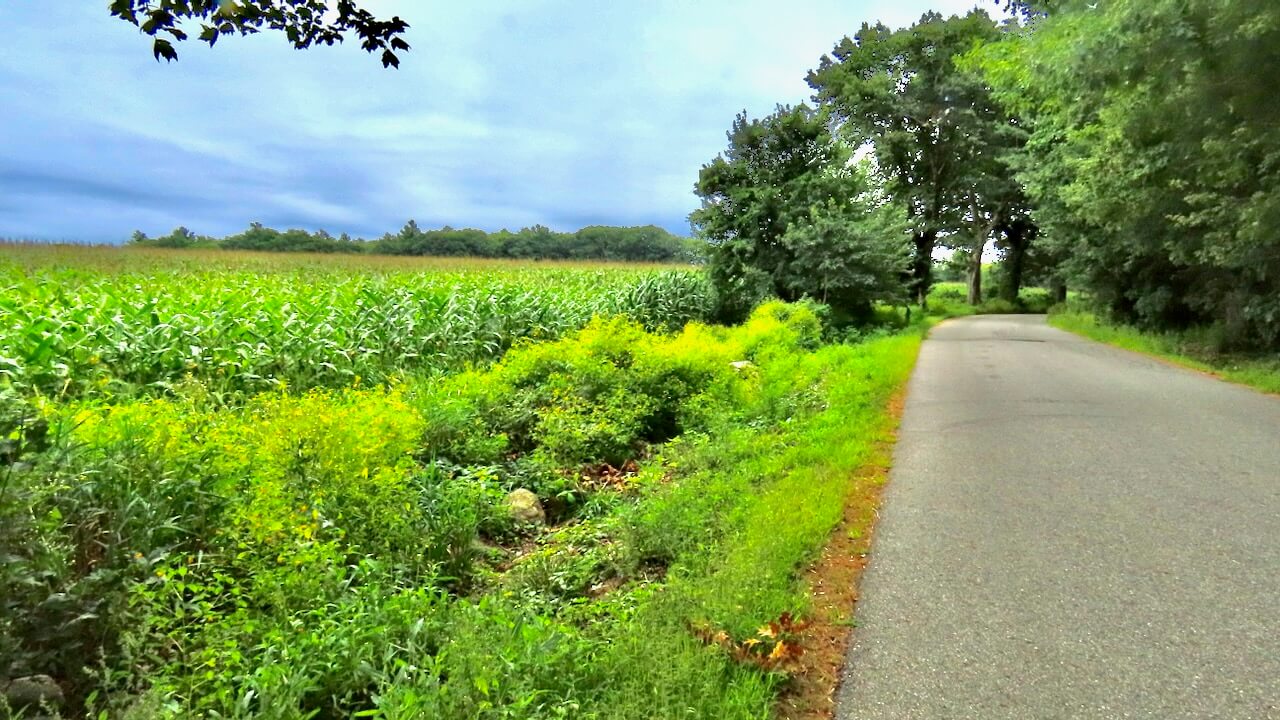
Sorghum?

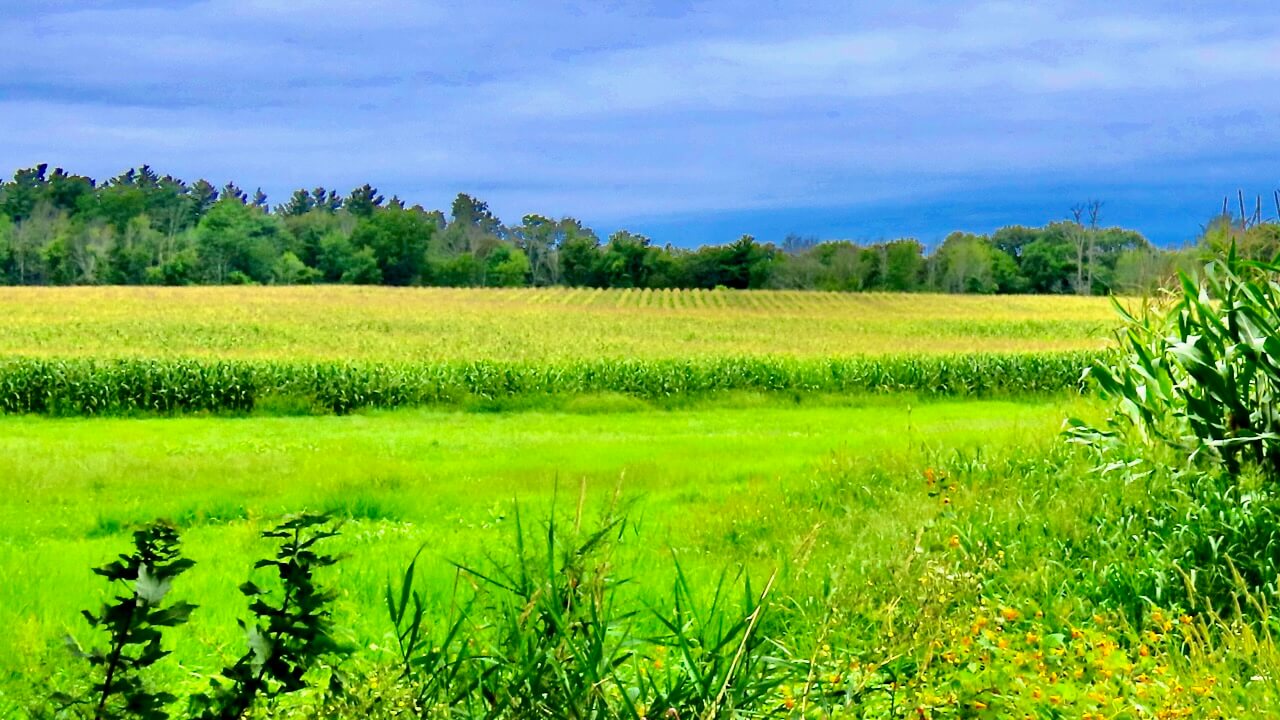
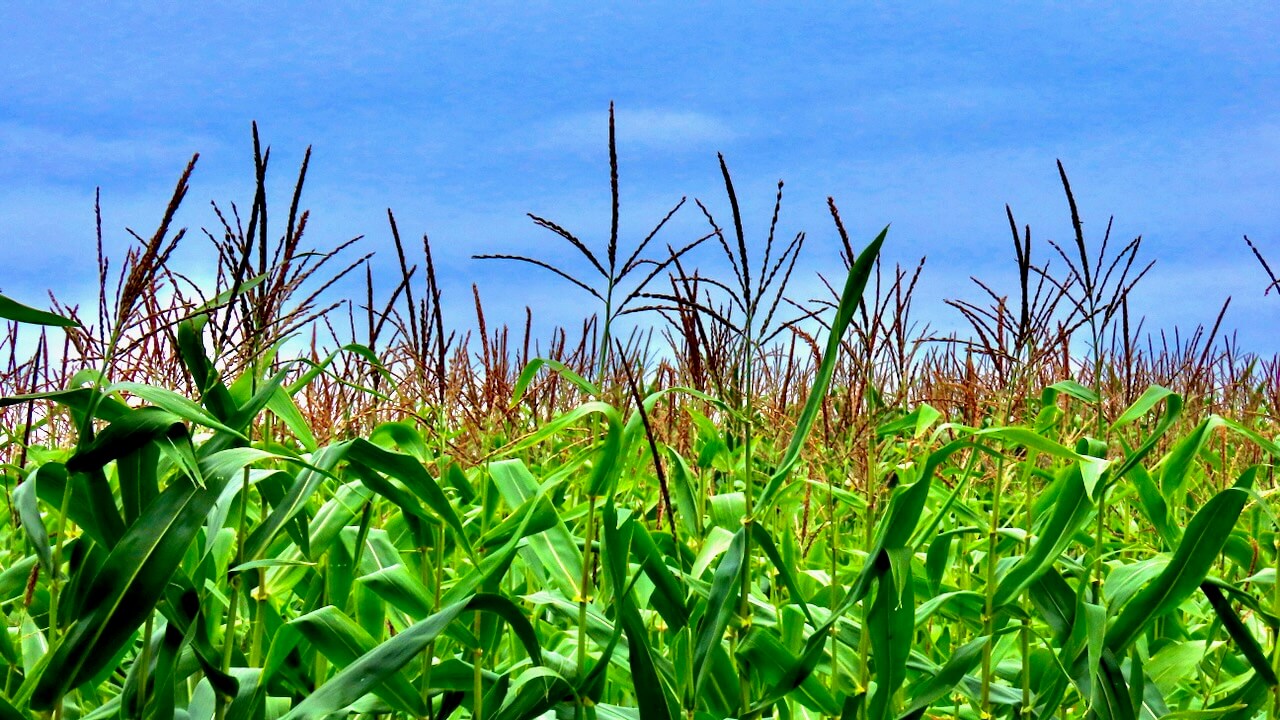
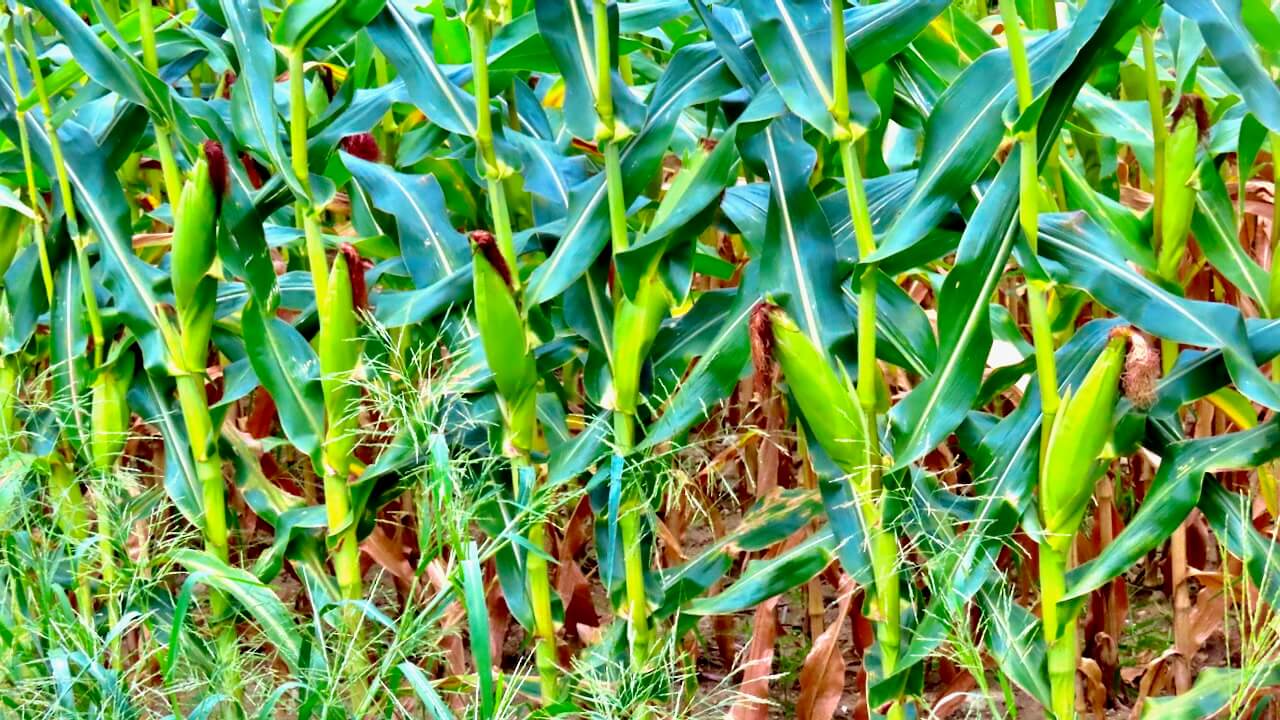
This local field is usually planted in corn. However, this year I noticed that the plants are more pointy at the top with closely planted rows, and have copious weeds in between . An internet research leads me to believe it is sorghum, which is used as silage.

WordPress farmers, feel free to comment!

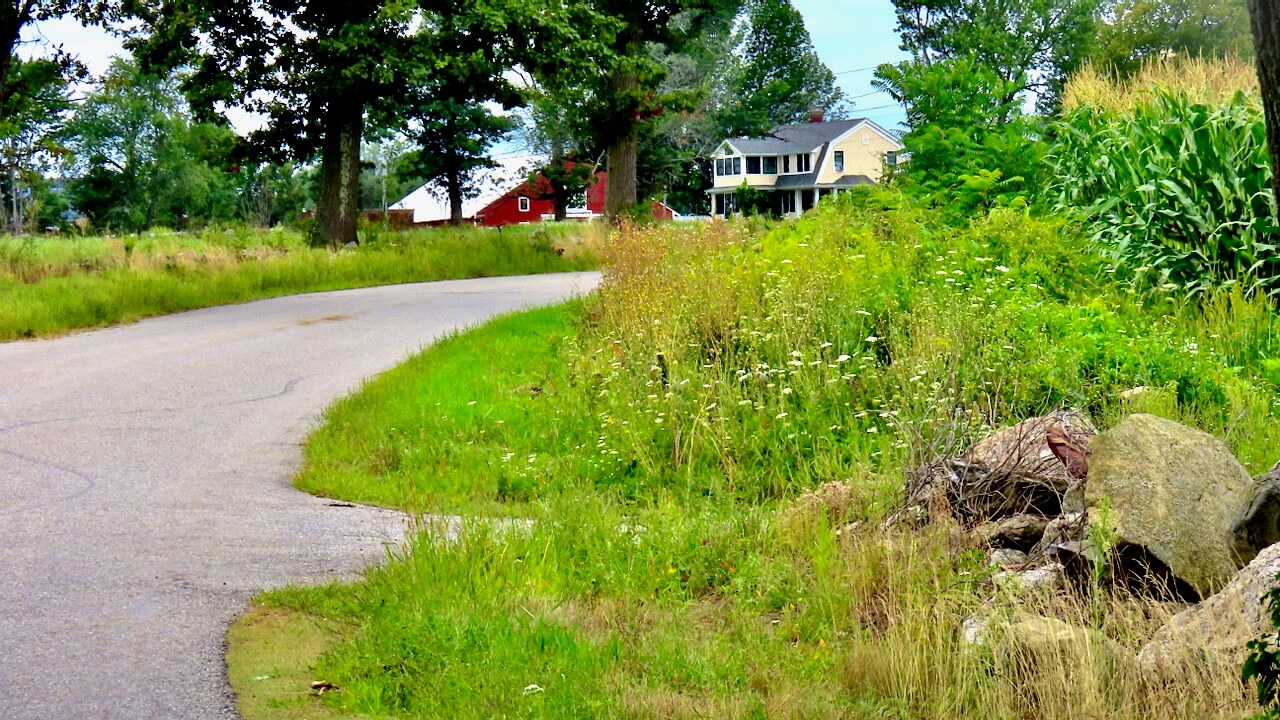
A Country Road

North Brookfield and New Braintree, Massachusetts

Past the apple orchard….
By the traditional bales of hay….
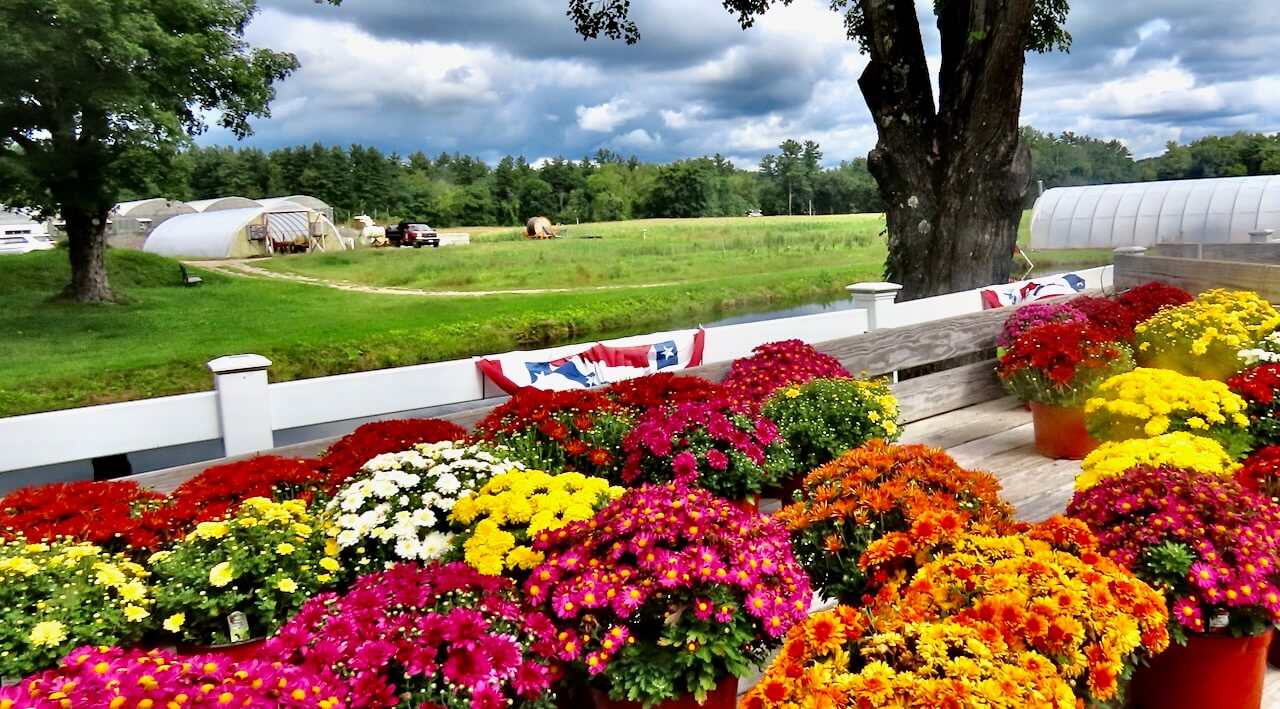
Hydrangeas are in full bloom.
A willow tree has been upended by a recent storm.

Driving by spacious fields….
We must be getting close to …
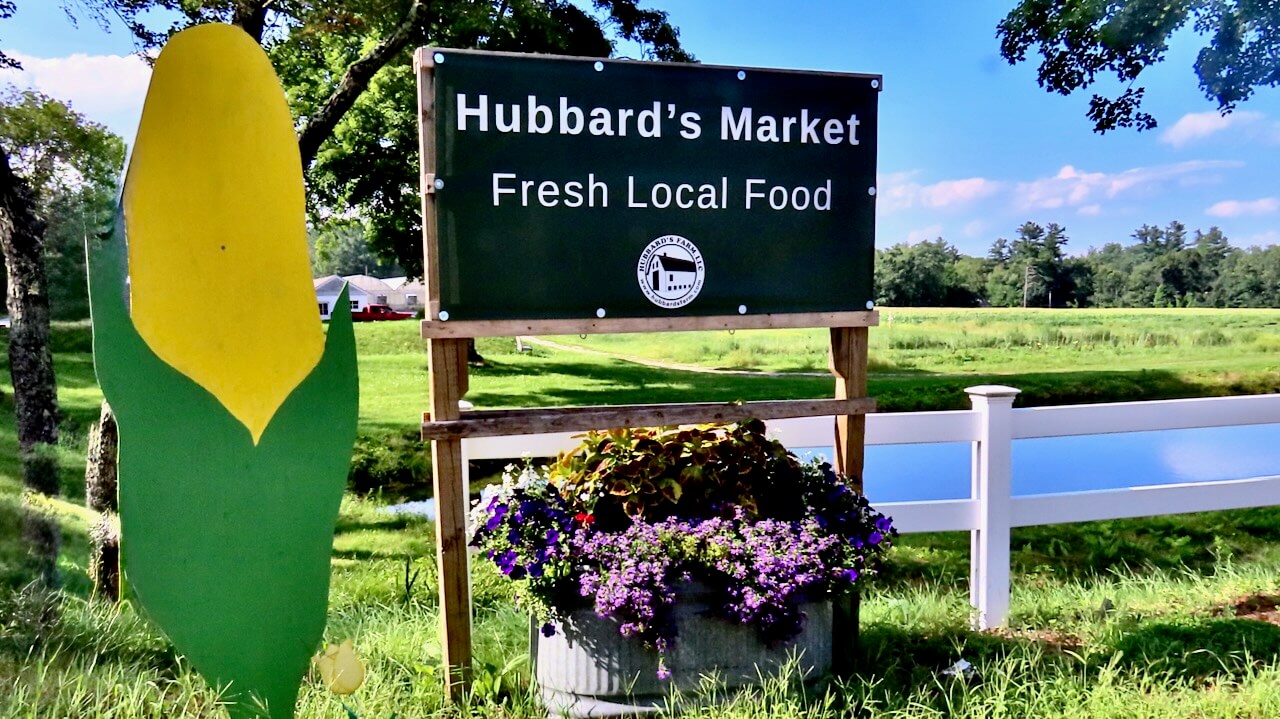
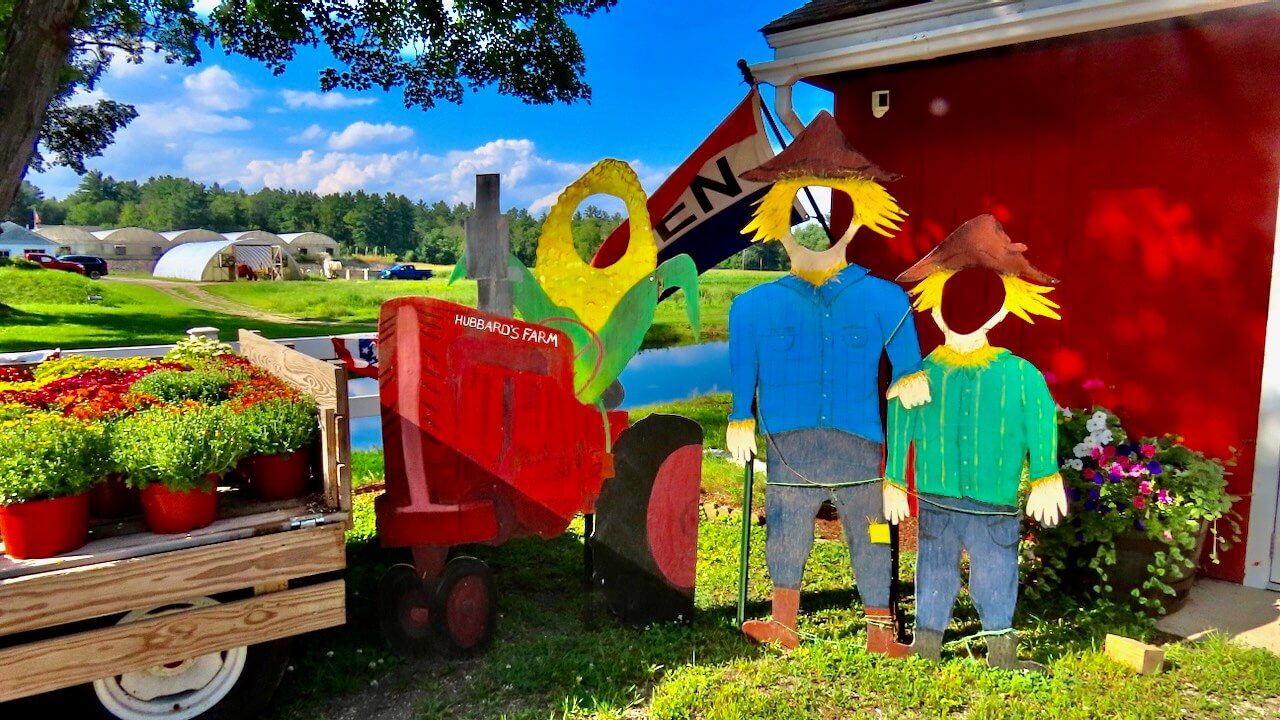
A farm stand.
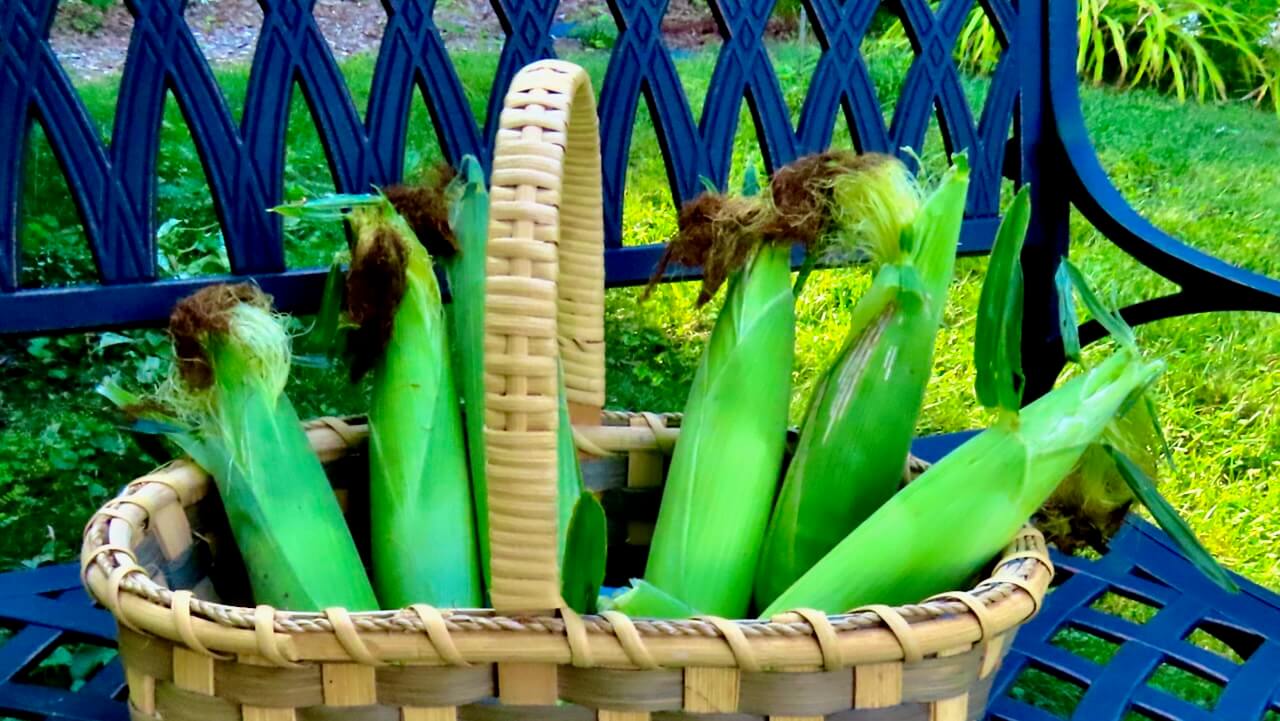
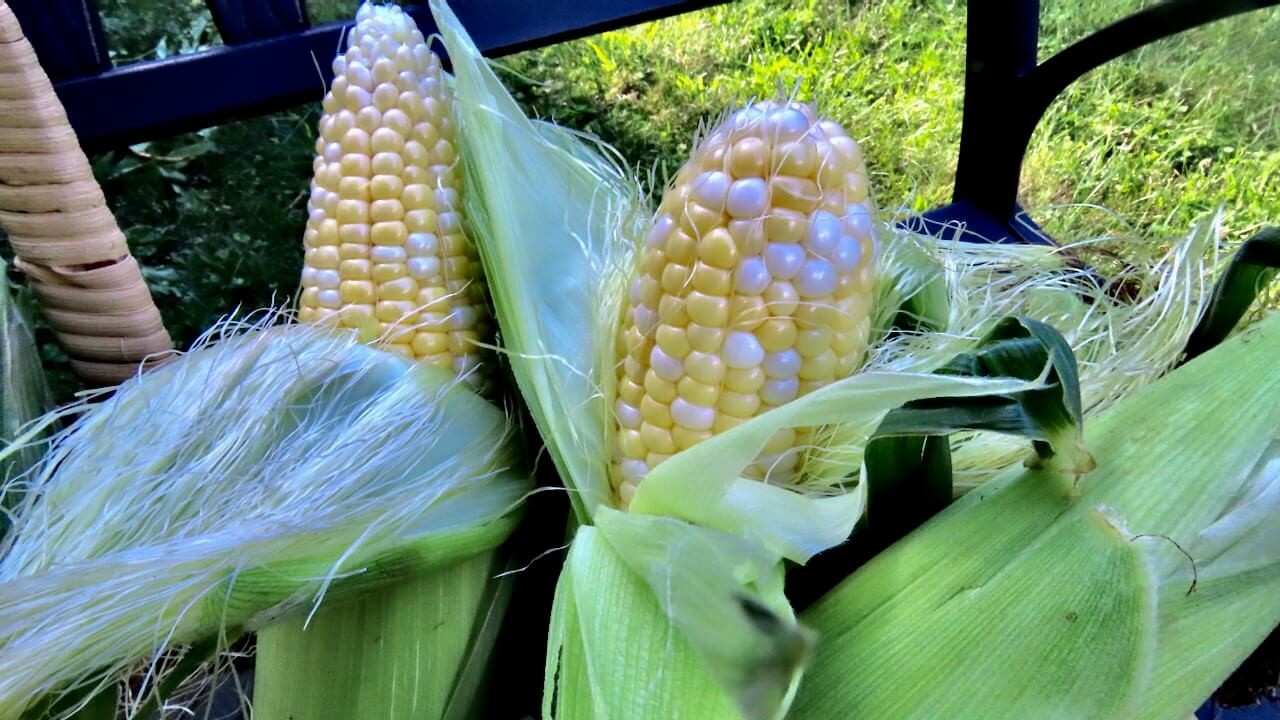
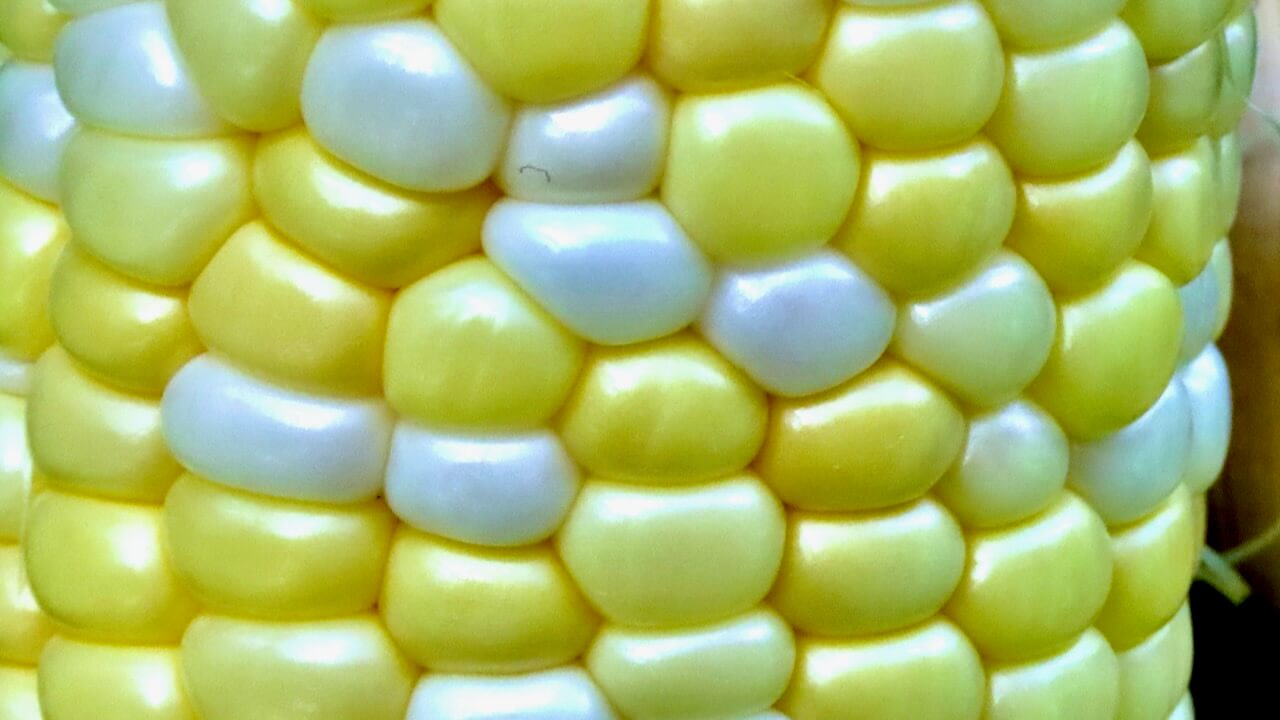
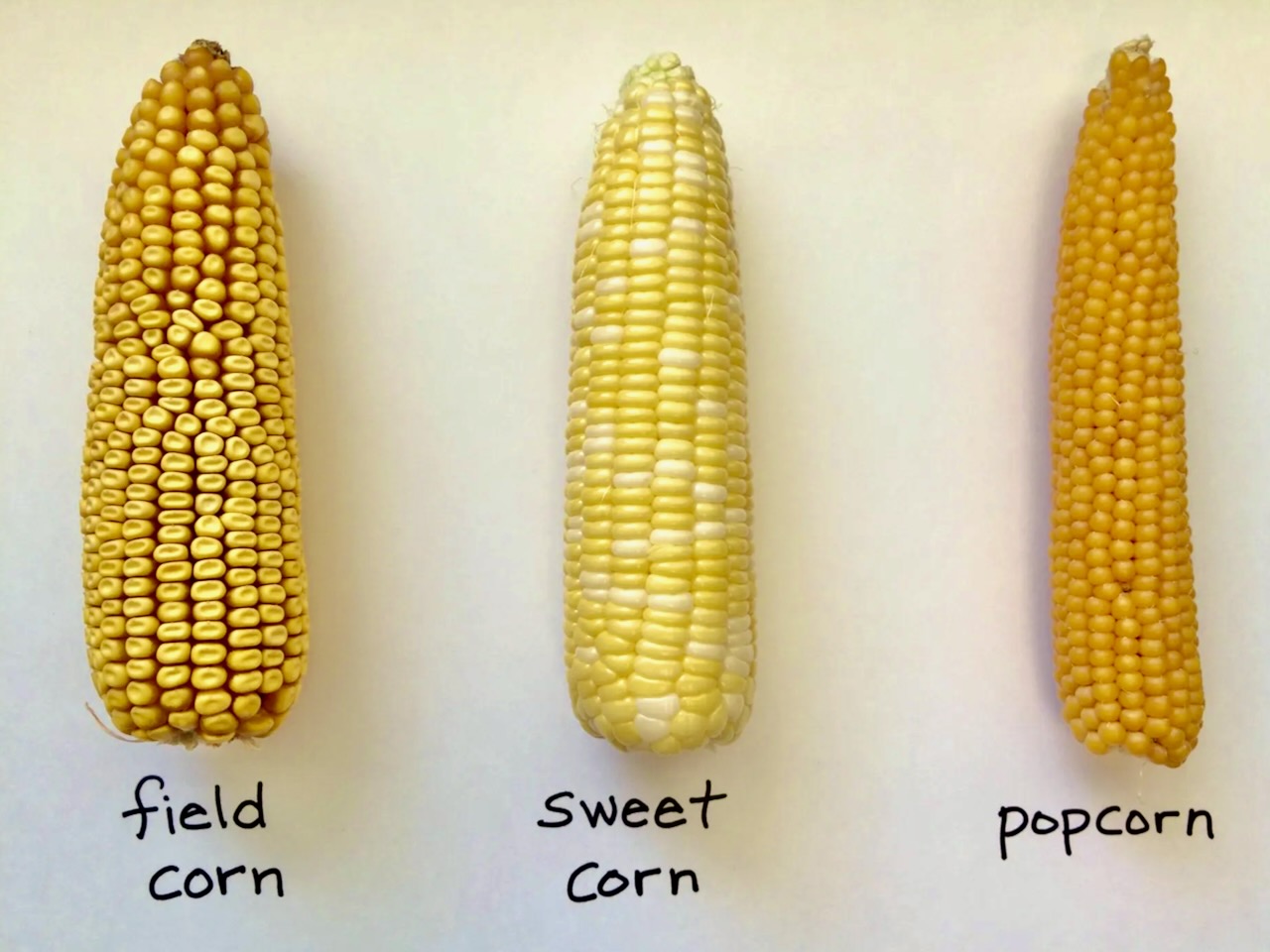
Do you like Butter and Sugar or Yellow Corn better?

Living Local, Part Two

Worcester County, where I live, leads the state in the number of farms.

Within a few miles from me, I enjoy visiting this farm.

How pleased I was to see that it is open!

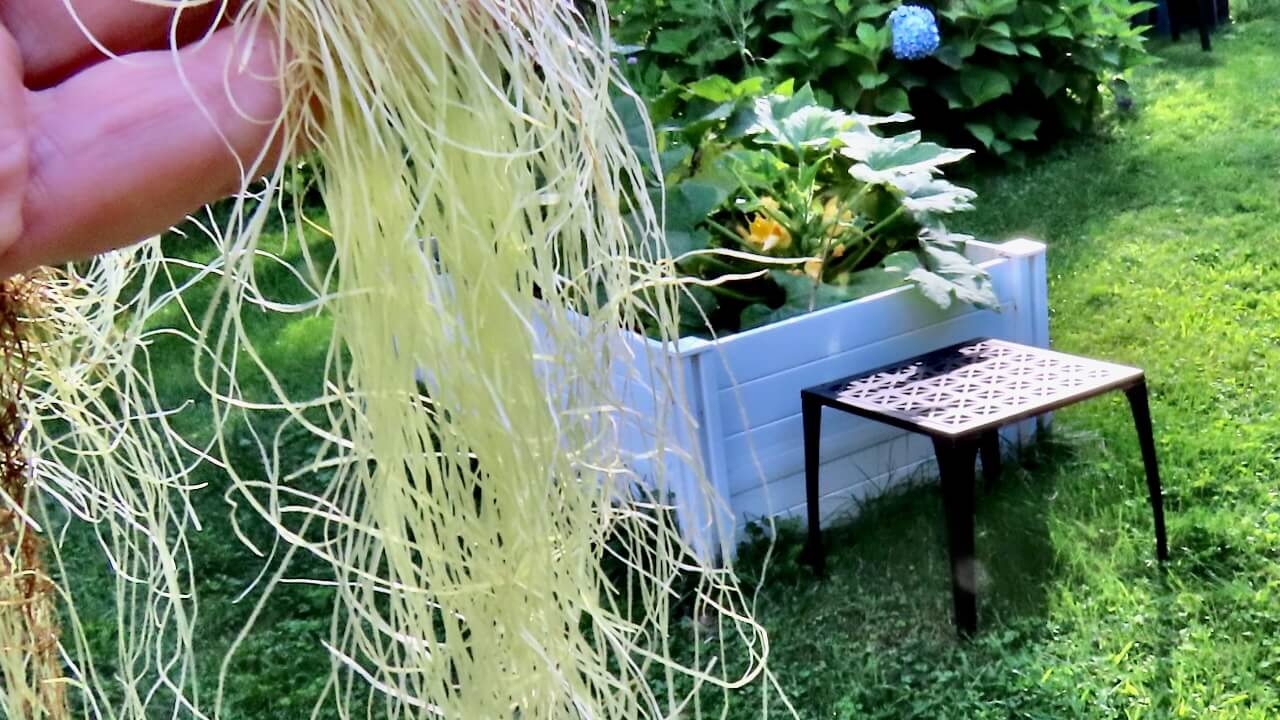
It’s sweet corn time in Massachusetts!

Aw, shucks, I’ll buy a dozen.

In order to create a super fresh vegetarian meal, I add my own home grown cukes, tomatoes, arugala,

Green and yellow beans,

Swiss chard and kale. Colorful and nutritious. I’m grateful.

How Sweet (And Colorful) It Is

Princeton, Massachusetts

Maple sugaring continues in Massachusetts.
Sugarmakers often use eye-catching plastic sap buckets in lieu of the traditional galvanized metal type. There is some controversy surrounding them, as plastic may only last a few years. However, plastic is light weight, and will not rust. Additionally, you can see the sap through them.

Big Birds

Lilac Hedge Farm, Rutland, MA

In New England, emus and ostriches are rare and exotic. A recent visit to Lilac Hedge Farm provided an extraordinary opportunity to see them close up. This stately emu strutted casually through its enclosure.
Oftentimes, emus display graceful ballerina moves.
This imposing male ostrich had a a thin coating of white feathers on its head.
Two delightful juvenile ostriches regarded visitors with quiet intensity and great curiosity.
Lilac Hedge Farm is the former site of a Heifer International Educational Center. Its many acres provide ample space for both local and exotic creatures to roam.

A Century Farm

Central Massachusetts boasts well over forty apple orchards. Sagatabscot is among the oldest.

Sagatabscot Orchards in Sterling, MA was established in the 1740s. This historic farm has been owned by only two families; the present family has been operating it since 1912.
A self-serve stand offers many apple varieties, including heirloom, as well as cider.

The antique cider press has been preserved in the farm barn along with other historical relics. Note the World War I helmet, worn by an ancestor of the present owner.
In the Algonquin Indian language sagatabscot means “place of the hard rock”.
Since the 1700’s the owners have built numerous additions to the original buildings on the rocky hillside.

The farmhouse is painted in the original 1700s color.

The “six over six” windows and side entry are appealing details for colonial architecture enthusiasts.

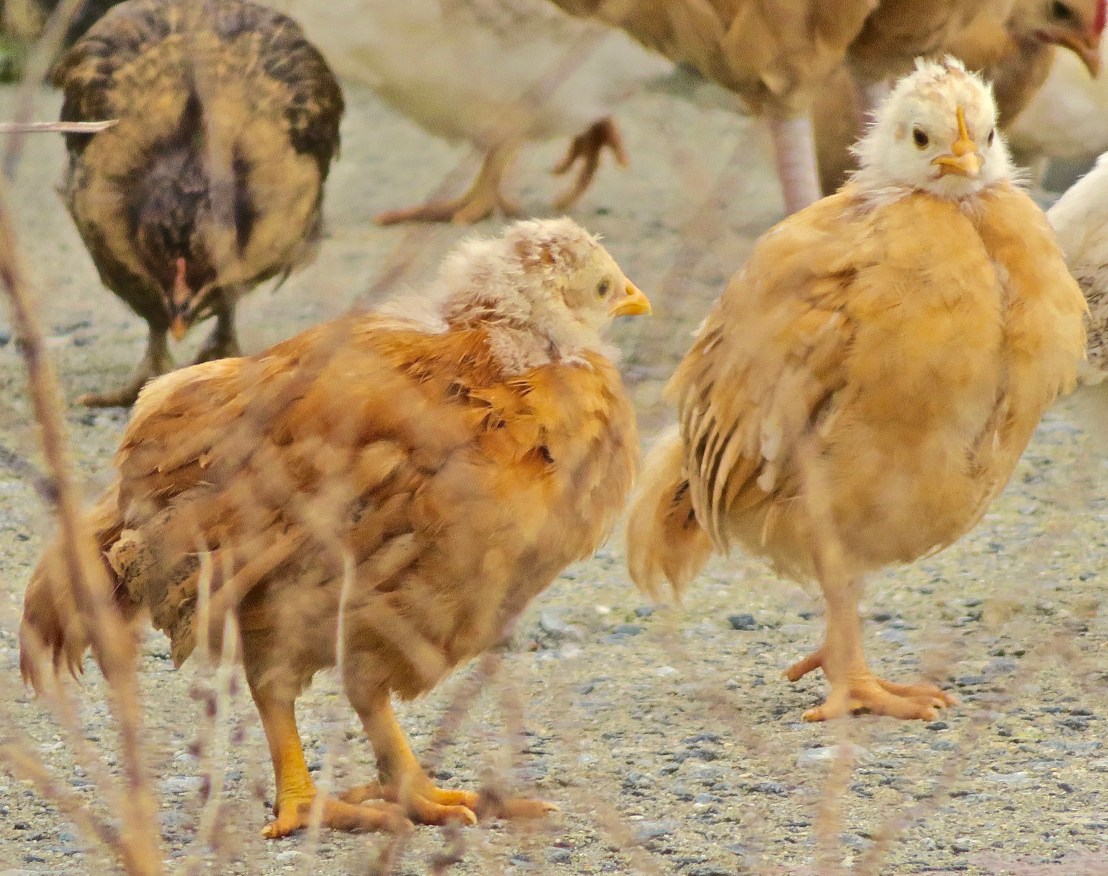
Lucky and Lucky, the chickens, were named as a consequence of being the last chickens left after a fox found the hen house.

The barn is a treasure trove of antique farm implements, historical items and family lore.

Cart wheels and traditional Ojibwa Indian snowshoes are displayed in the barn rafters.
This bobsled was used to deliver milk when roads were impassable in the winter.
The present owner created this replica of the barn for his young daughters.
Generations of cousins have gathered at the farm for family festivities.
Small rooms carved out from the larger structure include historical items and family heirlooms.

Corn, Clouds and Crows

Early fall in Central Massachusetts is the perfect time to explore and photograph the beauty of the region’s local farmlands.

Jordan Farm in Rutland, Massachusetts is a fifth generation farm. In addition to its long history, it is highly regarded as one of the first farms in Massachusetts to produce clean energy.
This is only a small section of the cornfields that provide food for their 375 cows.
On this early fall day, fast moving cloud formations lent a constantly changing counterpoint to the landscape.
The windswept tassels on top of the corn were elegantly silhouetted against the clouds.

I was startled by what appeared to be a rising moon behind the corn.

It is actually a receptacle for storing corn silage (corn used to feed the cows in Winter).
The corn is sown and harvested with mechanical precision, resulting in perfectly neat rhythmic rows.
Corn loving crows are almost always found in undulating groups, creating fascinating patterns in the sky.

A group of crows is often called a murder, but I prefer a less frequently used collective noun for these intelligent and social creatures– a parcel.
Crows aren’t fussy. They will eat corn on or off the cob, as well as seeds and seedlings.
The proud old farmstead sits at the edge of a country road, at the very top of a long hill.
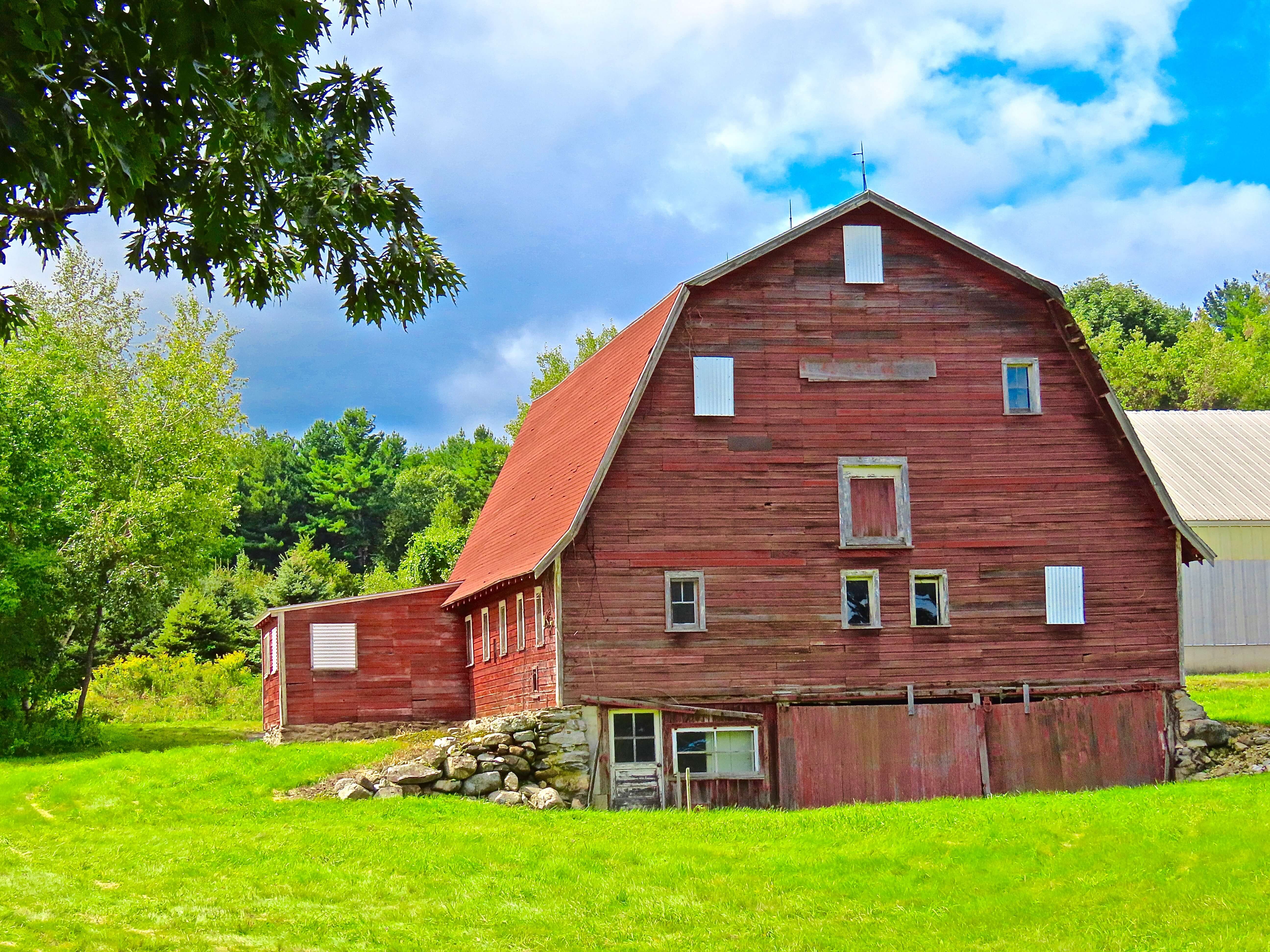
The classic New England red barn across the street stands as a testament to a beloved bygone era.
This historic and progressive farm is only ten miles away from Worcester, MA, New England’s second largest city.

Lunch Break

From apples to zinnias: visitors can choose from a wide variety of tasty treats in my garden this week.

Eastern Cottontail Rabbit/ Scarlet Emperor Greens
Female Ruby-throated Hummingbird/Scarlet Emperor Bean Blossoms
Eastern Chipmunk/Acorns
Downy Woodpecker/Baldwin Apple
Monarch Butterfly/ California Giant Zinnia

Historic Yankee Barn Design

Information posted at Wachusett Meadow Audubon Sanctuary’s Crocker Barn states:

“Built in 1925 by the Crocker family, this barn formerly housed a herd of prize-winning Milking Shorthorn cattle. It was designed by farm manager Paul Beardsley and was state-of-the-art for its time, featuring a ground floor milking parlor, a trussed, gambrel roof that provided vast interior space to pile loose hay (hay balers were not yet invented), and an overhead tramway system to easily move manure to a separate barn for storage. No longer present, but visible in the historic photo notice the twin silos, the four rooftop ventilators, the additional hay wagon ramp, and the small milk house in the foreground.

Currently, the Cow Barn provides storage for the materials, tools and equipment needed for sanctuary habitat management, and to maintain our trail system, buildings and grounds. Planning is underway to fundraise for renovations that would allow us to welcome visitors and program participants into this wonderful and historic space.”

The Crocker Barn, Wachusett Meadow Audubon Sanctuary, Princeton, MA.

Information posted at Wachusett Meadow Audubon Sanctuary’s Crocker Barn states:
“Built in 1925 by the Crocker family, this barn formerly housed a herd of prize-winning Milking Shorthorn cattle. It was designed by farm manager Paul Beardsley and was state-of-the-art for its time, featuring a ground floor milking parlor, a trussed, gambrel roof that provided vast interior space to pile loose hay (hay balers were not yet invented), and an overhead tramway system to easily move manure to a separate barn for storage. No longer present, but visible in the historic photo notice the twin silos, the four rooftop ventilators, the additional hay wagon ramp, and the small milk house in the foreground.
Currently, the Cow Barn provides storage for the materials, tools and equipment needed for sanctuary habitat management, and to maintain our trail system, buildings and grounds. Planning is underway to fundraise for renovations that would allow us to welcome visitors and program participants into this wonderful and historic space.”
The barn circa 1925.
Doors to a former hay wagon ramp.
Attention to detail is shown on this simple but effective shingle design.
The cow barn is massive compared to the nearby sheep barn.
Fieldstone foundations are featured on both barns.
A section of the outsized doors, commonly found on New England barns.
The barn overlooks a meadow that leads down to wetlands.

This side of the barn will soon feature an all-persons viewing deck.

Over the Walls

The little town of Hardwick, MA is celebrated for its miles of historic stone walls, some of them massive. Recently, on a bitterly cold day with threatening skies, the view from the Great Meadowbrook Farmlands was stark and alluring.

From 2000- 2004, Great Meadowbrook Farm was the site of the Over the Walls Horse Trials, one of the premier equestrian events in the United States.

A “Sweet” Protest

In New England, mid to late February is the start of the maple syrup making season.

Up until the Civil War, using maple sugar was an act of political protest for many northern abolitionists, who refused to use cane sugar produced by slave colonies in the Caribbean. New England forests had been over logged to build ships for the slave trade of the era. Abolitionists attempted to reseed decimated areas with maple trees, and use maple sugar rather than cane for their needs.

The “Sap Castle” in Rutland, MA welcomes visitors to view the sugaring process and learn about its history during February and March.

The family living in this house have been making maple syrup for three generations.
Two kinds of taps: traditional metal and modern plastic.
The sap castle in operation, with smoke from the wood-fired stove billowing out of the chimney.
The sap boiler, also called the sap evaporator.
The wood fire is kept roaring!
Final filtering.
Testing the sugar content of the syrup.
This simple window display shows the grades of syrup.
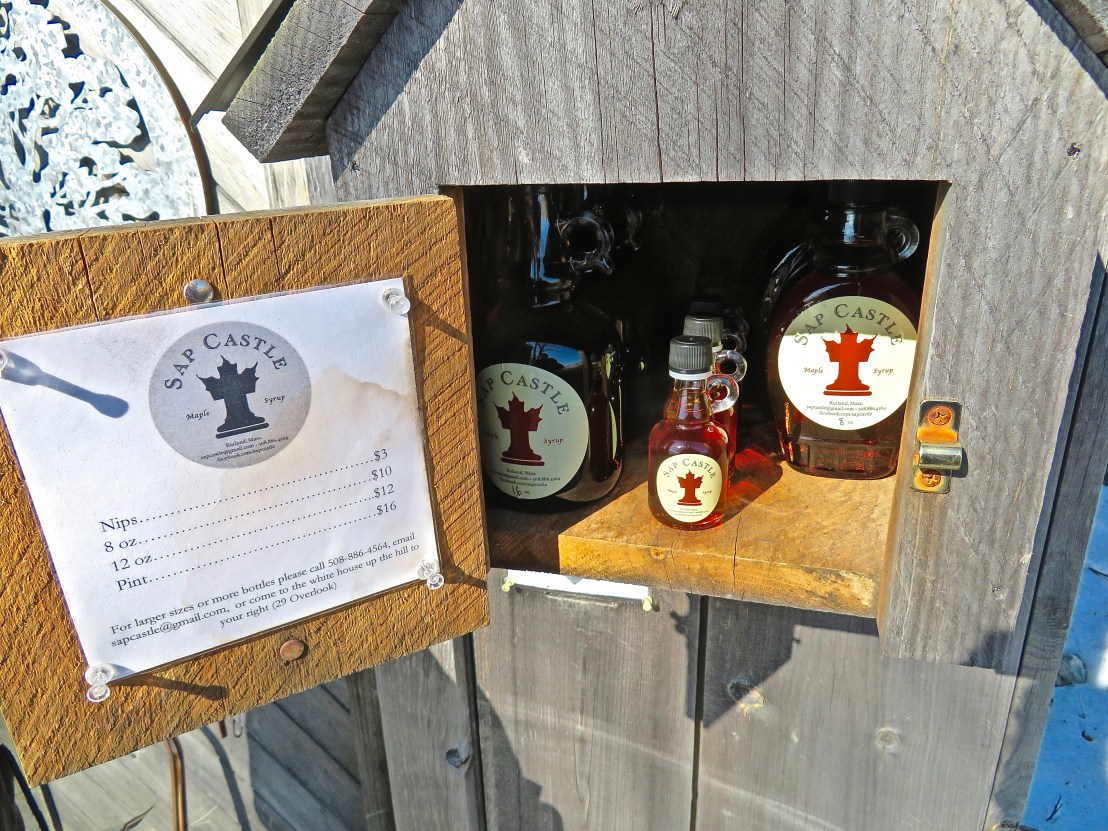
The 24/7 self service maple syrup box. It runs on the honor system.
Choose your syrup, and slide your payment through a nearby slot.
A rock “maple leaf” guards the castle.

Saying Goodbye to Heifer Farm

For the last thirty years, Heifer Farm has been an inspirational and multi-cultural presence in Central MA. It served as an educational center for visitors and interns who wanted to learn more about Heifer International and its mission to help alleviate poverty and hunger around the globe.

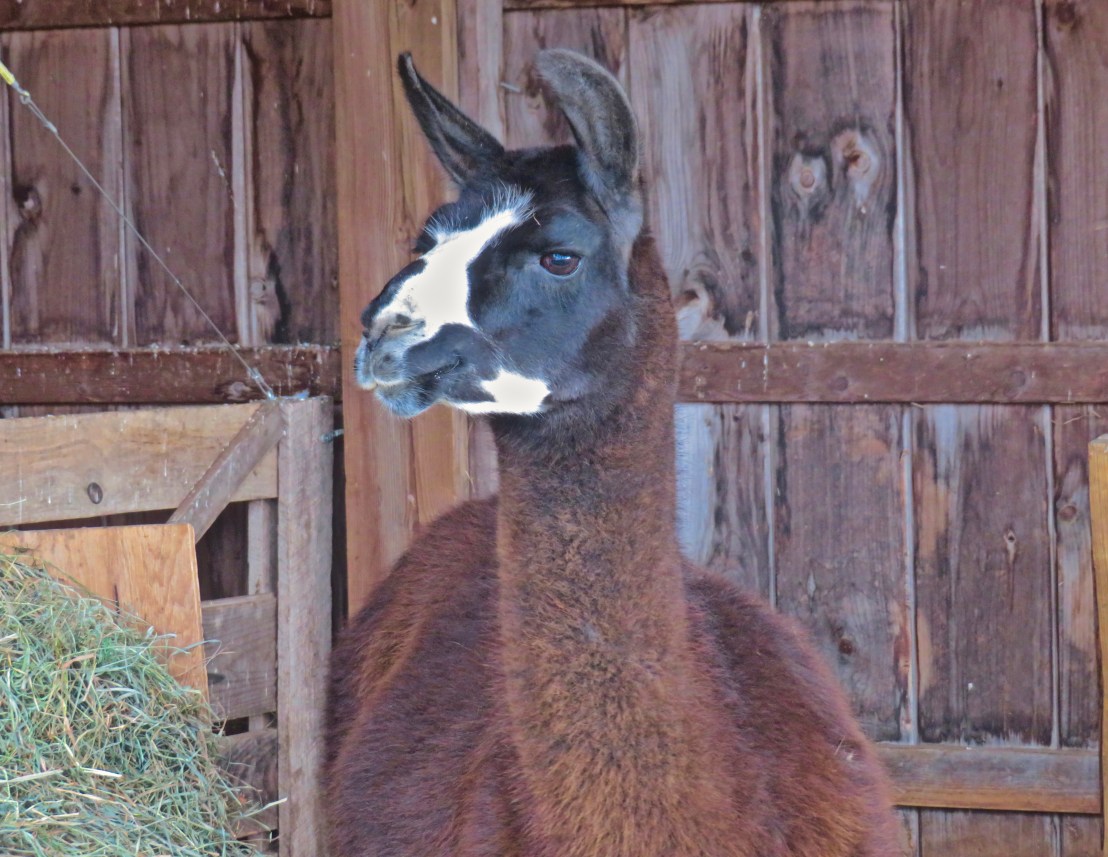
While Heifer International is still going strong, the Heifer Farm educational site in Rutland, MA will close its doors at the end of December. As usual, it will hold a free Holiday Fair for the next two weekends. I took some time today before the holiday hustle and bustle to enjoy the variety and beauty of the animals and the uplifting landscape of the site for one last time.

I encourage you to visit and donate to Heifer International during this season of giving.

IMG_2745IMG_2844IMG_2874IMG_2768IMG_2751IMG_2885IMG_2891IMG_2788IMG_2876