Tag: corn

Corn: A Foundational Crop

The sight of cornfields always reminds me of growing up across from a farm in Western Massachusetts. Luckily, Central Massachusetts has approximately 1,623 farms spanning over 90,000 acres. Corn was critical to the survival of Indigenous Peoples and early colonists of Massachusetts. On a recent country walk, I viewed local fields of cow corn almost ready for harvesting.
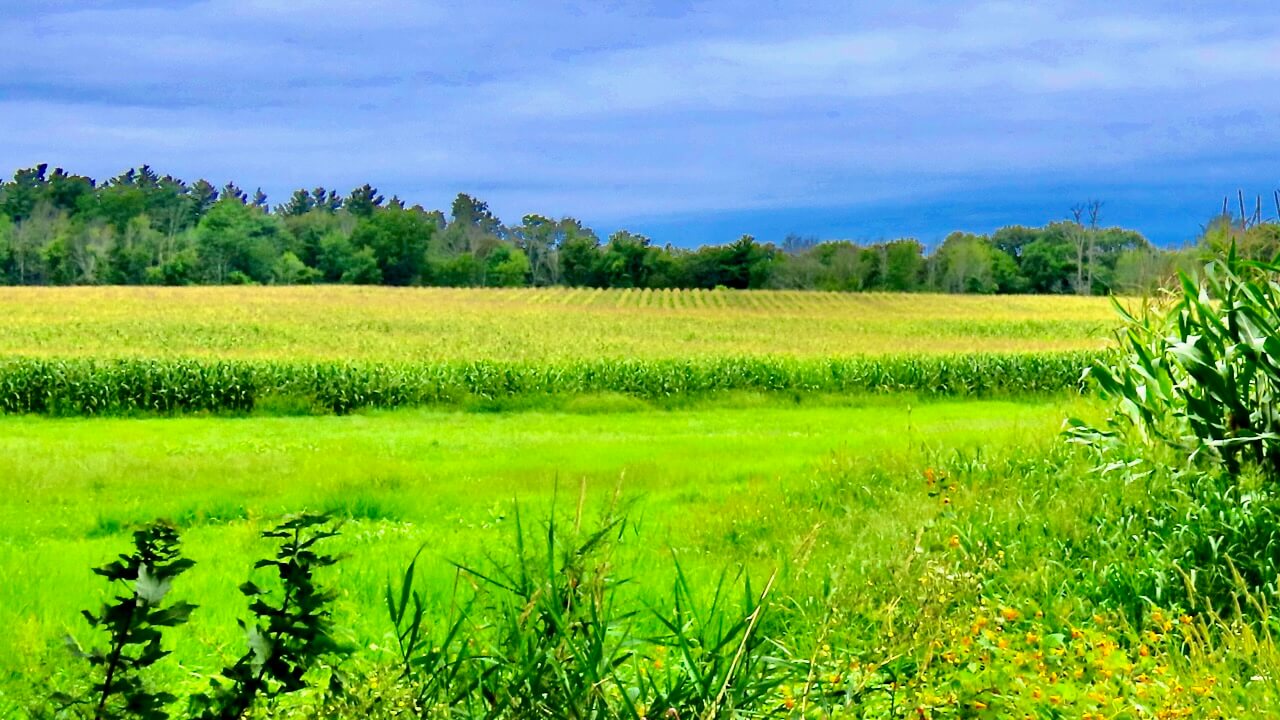
Jordan Farm, Rutland, Massachusetts
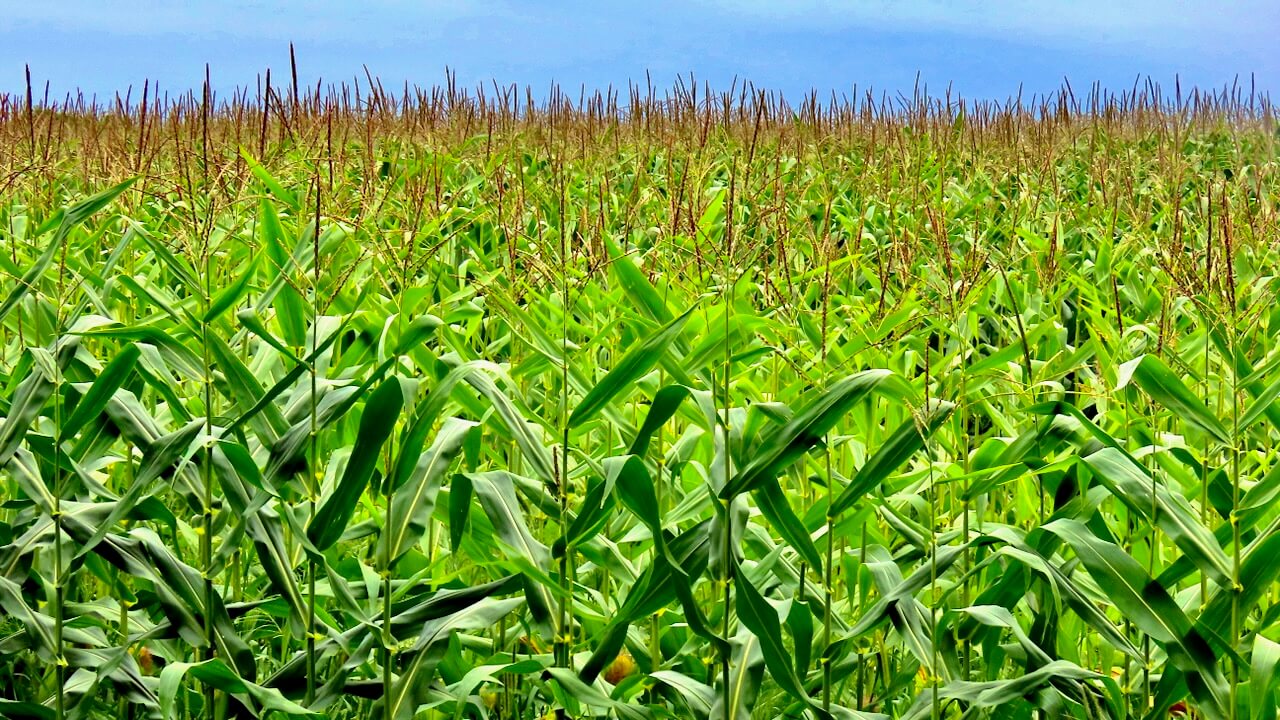
The farm has a total of 950 acres of fields planted with either corn or hay.
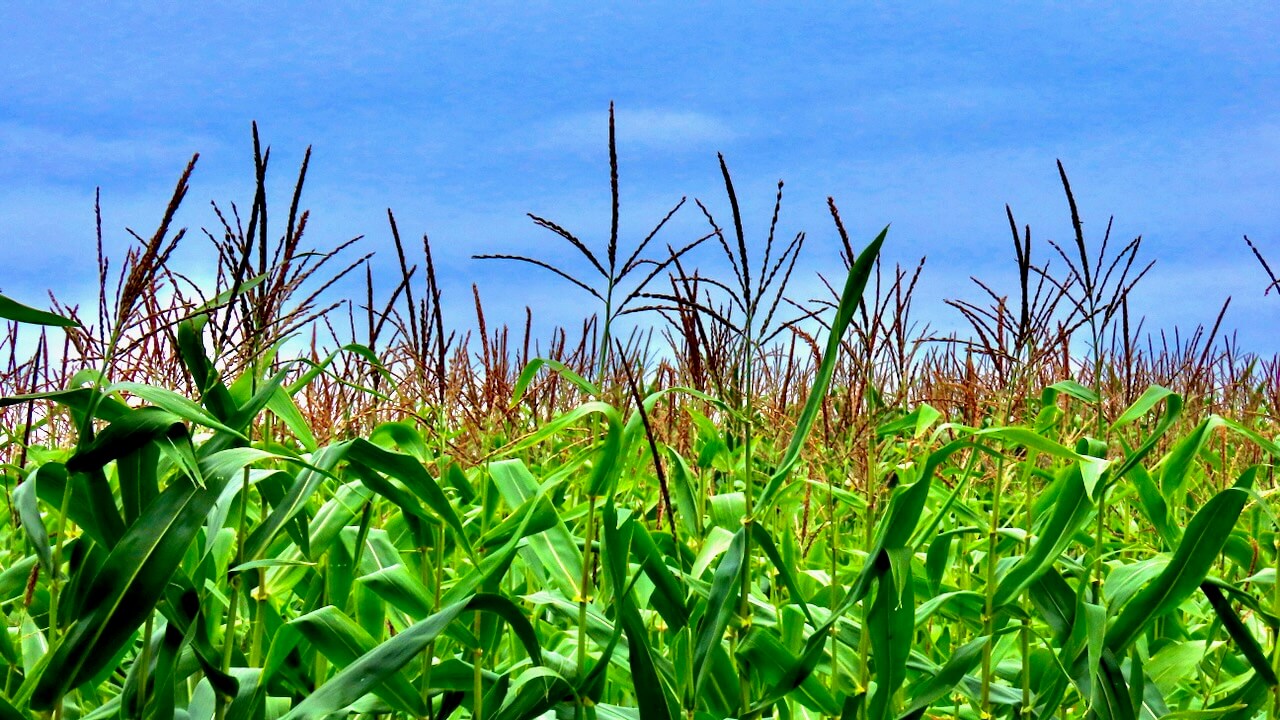
The spikes at the top of the plant are the tassels. Tassels produce and release millions of tiny pollen grains that blow in the wind, fertilizing the silks on the lower ears. This is what allows the ears to grow.
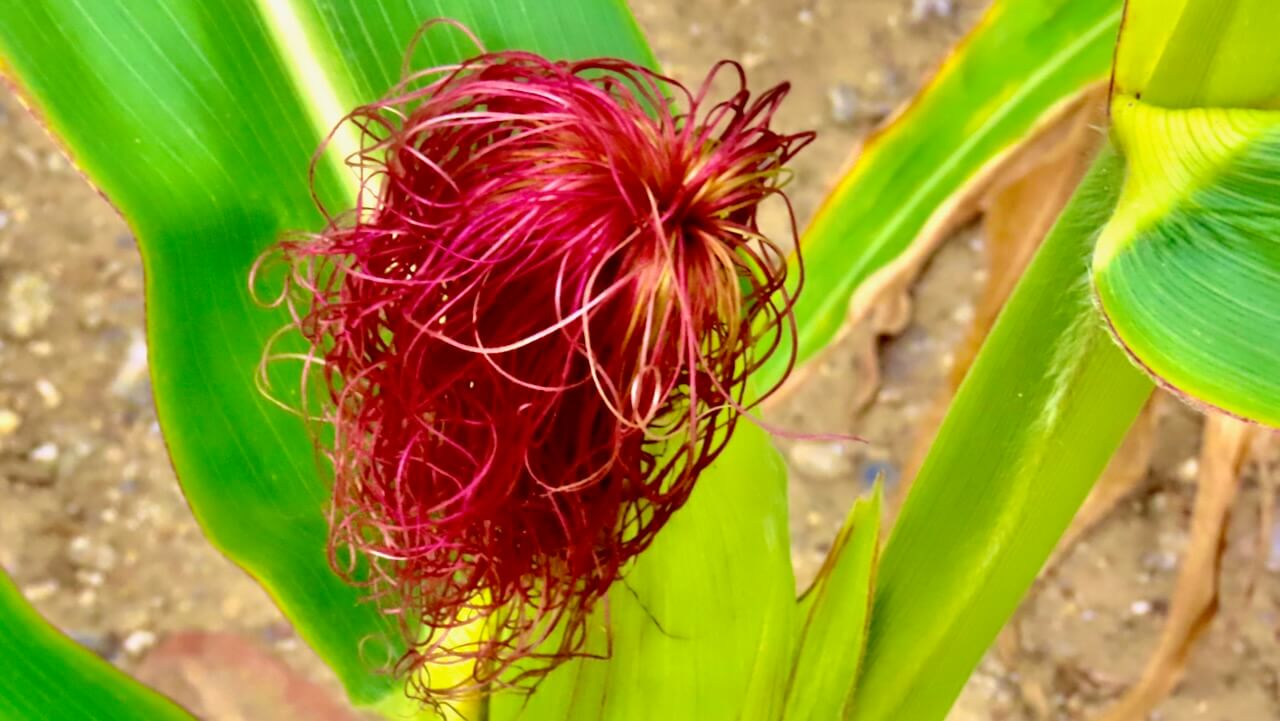
A close-up of the corn silk. Each individual strand of corn silk must catch a grain of pollen from the tassel for a single kernel of corn to develop.The silk will turn brown when the corn is ripe.
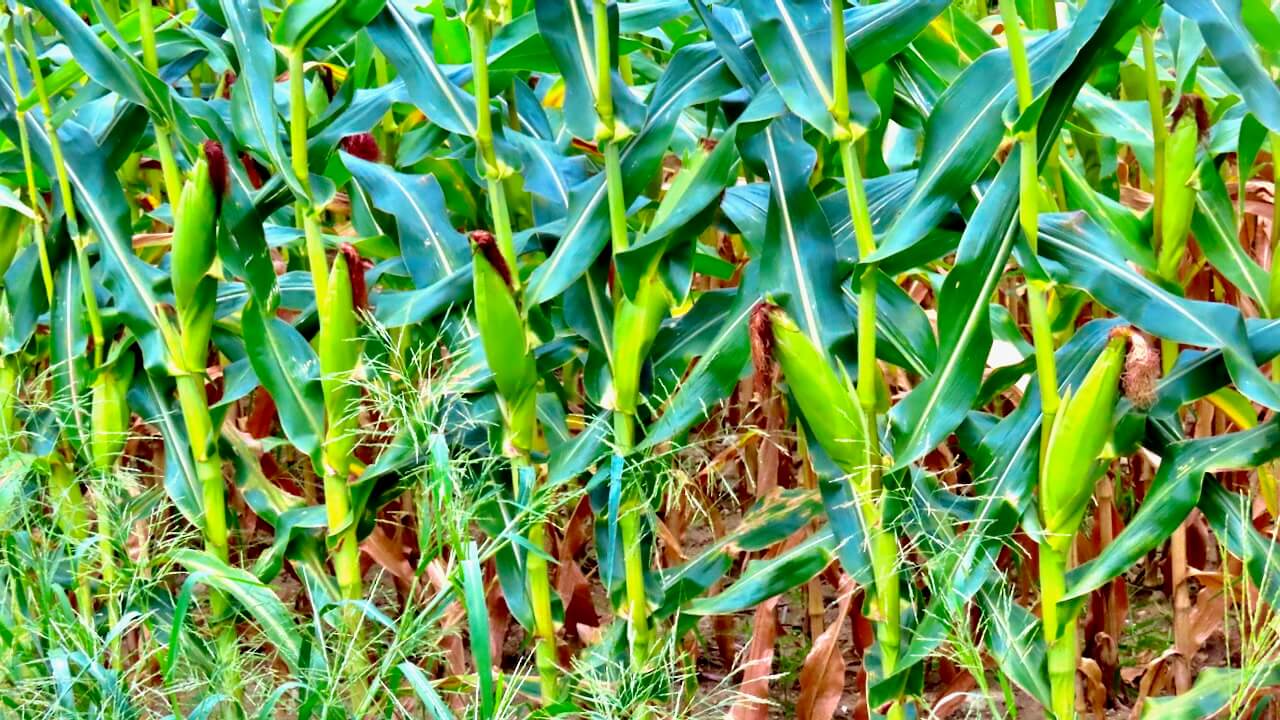
Corn ready for harvesting.
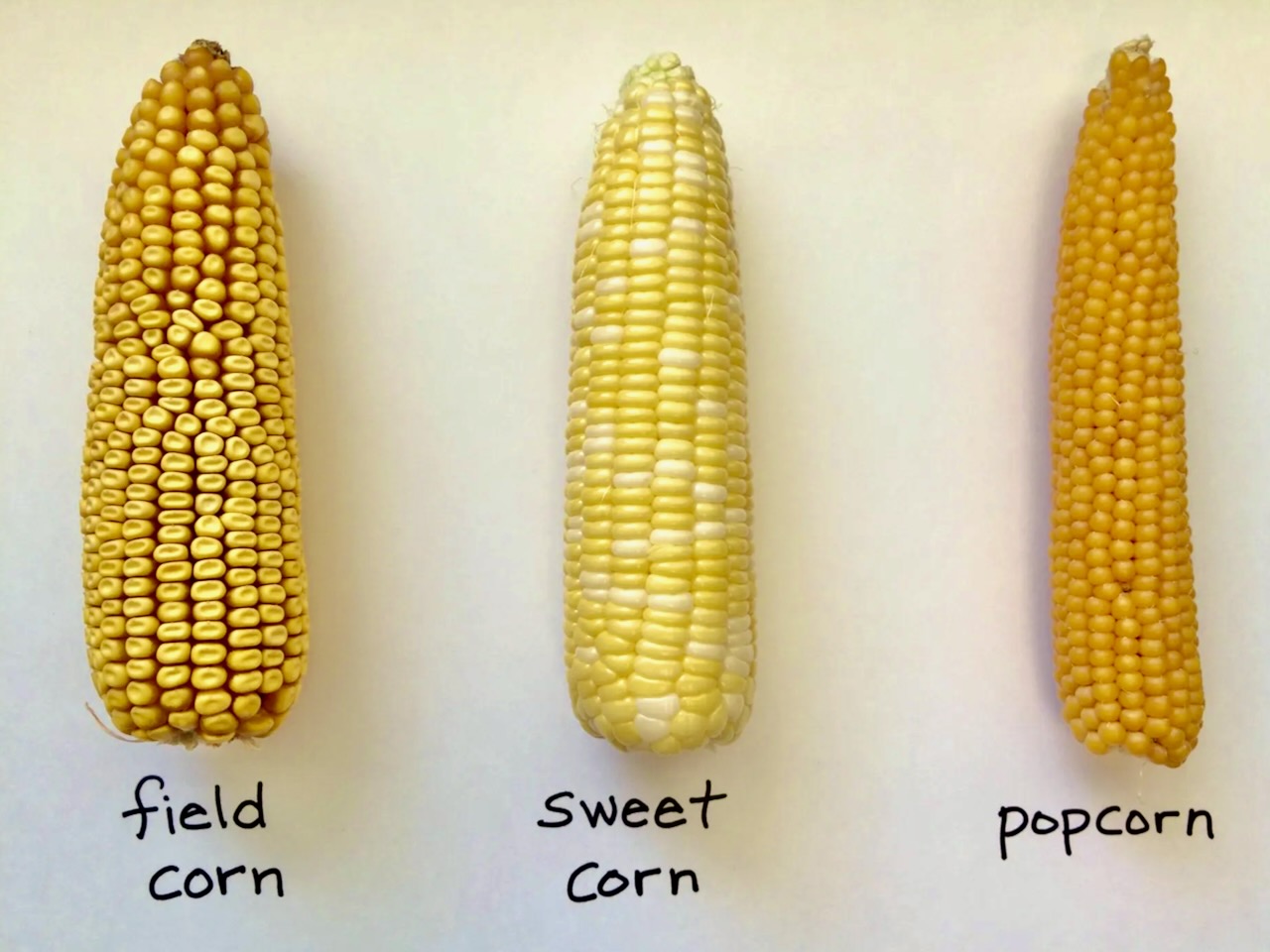
The above image, courtesy of the New York Agricultural Animal Commission , shows the difference between field corn, popcorn and sweet corn.
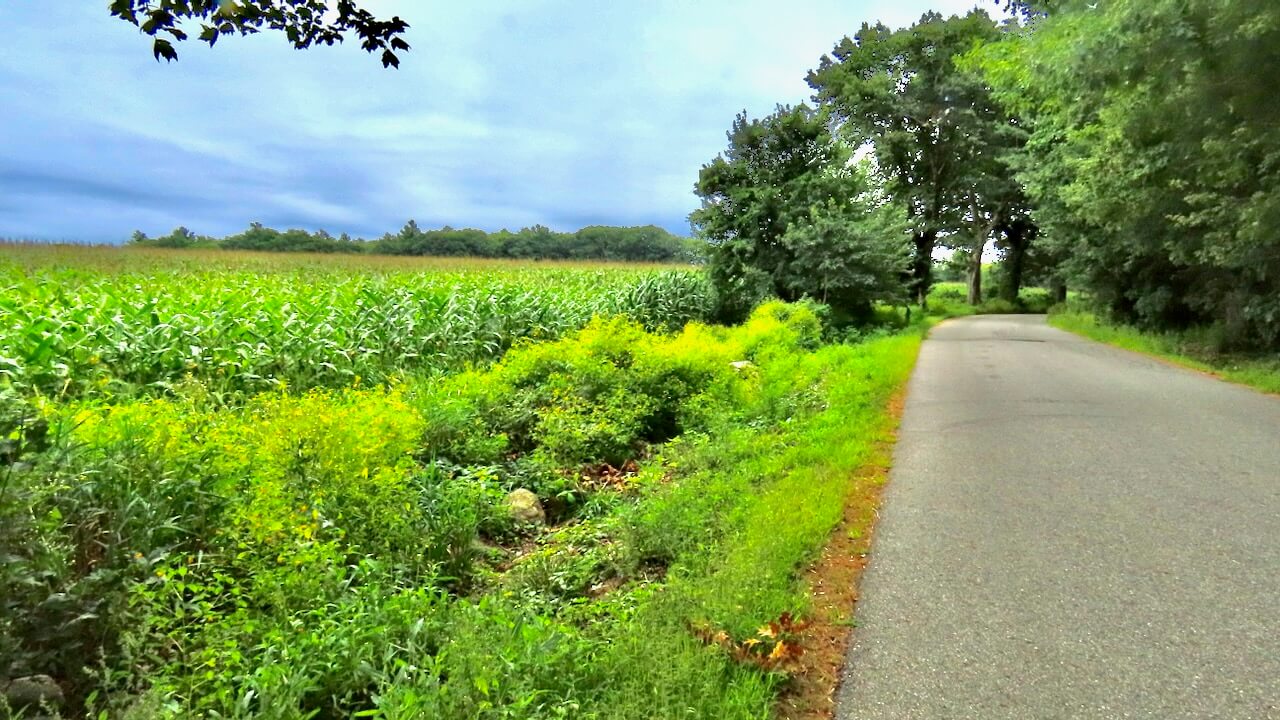
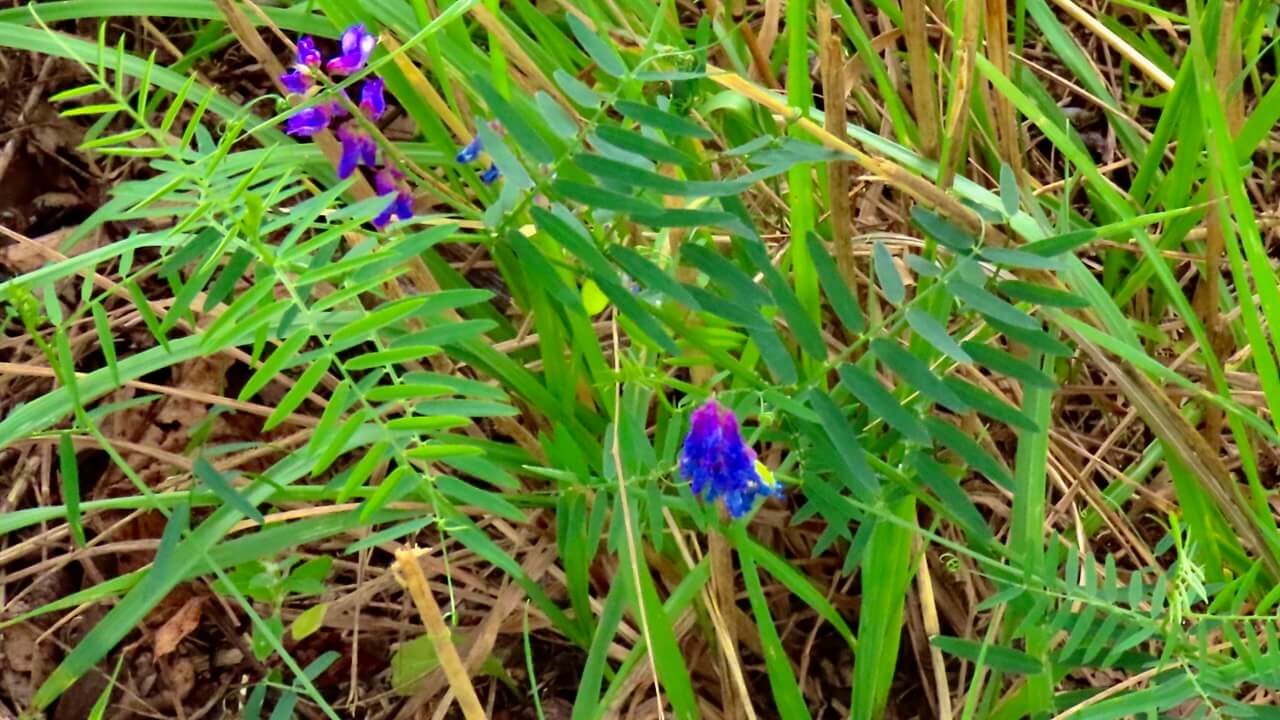
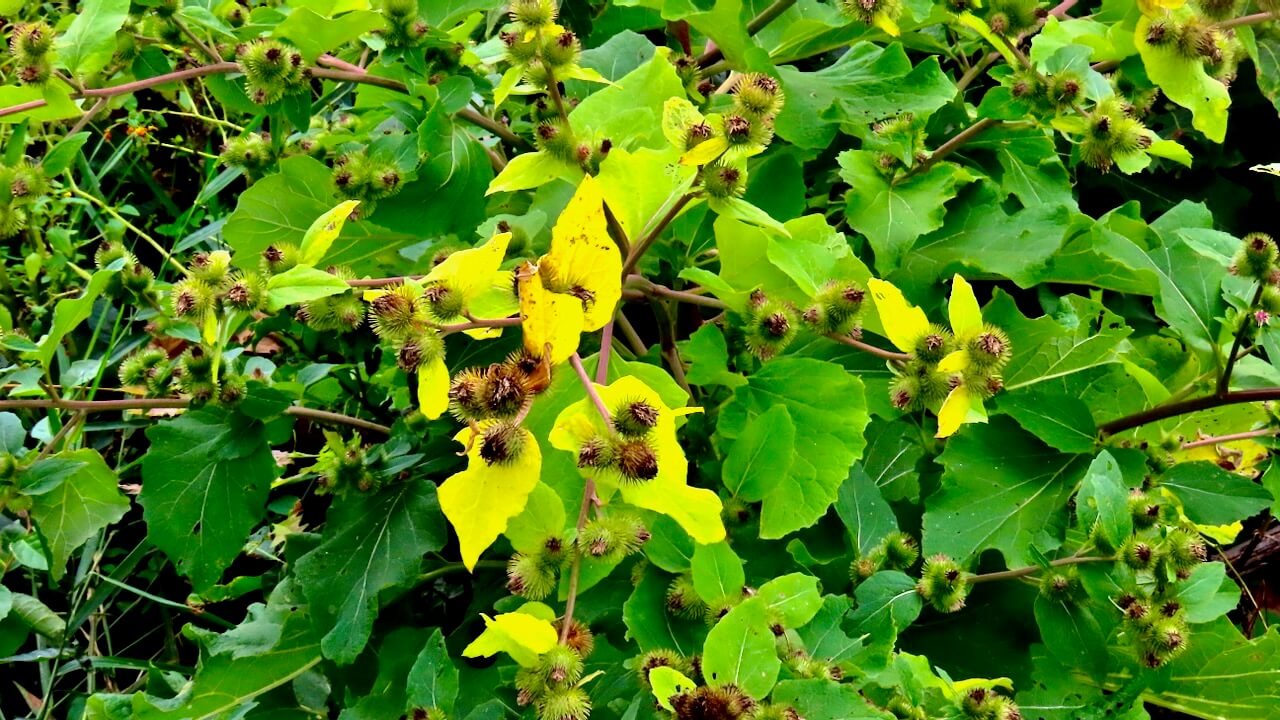
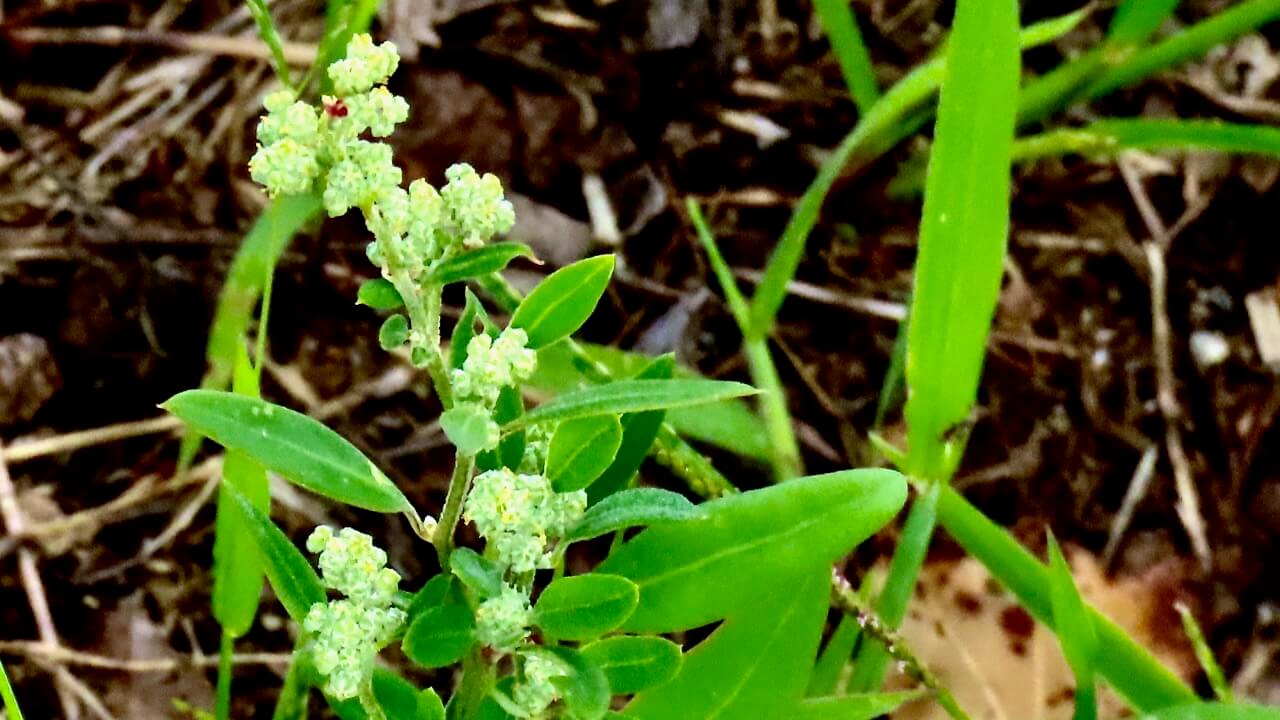
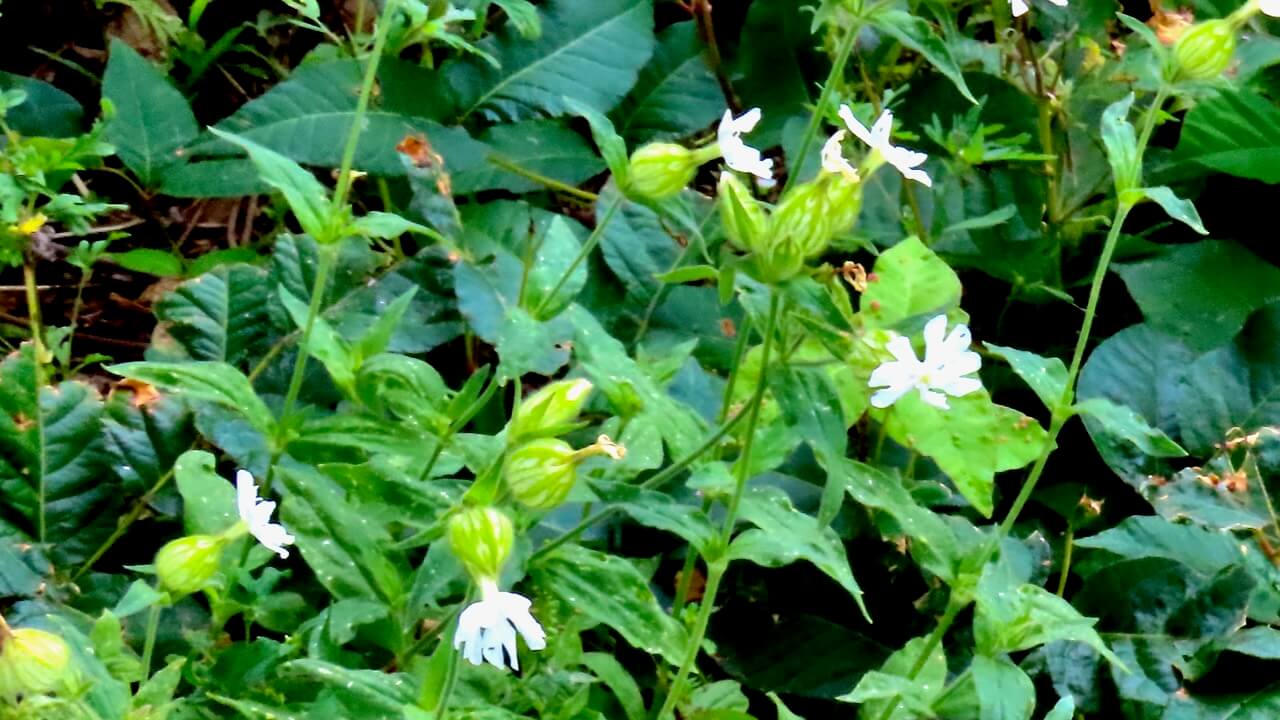
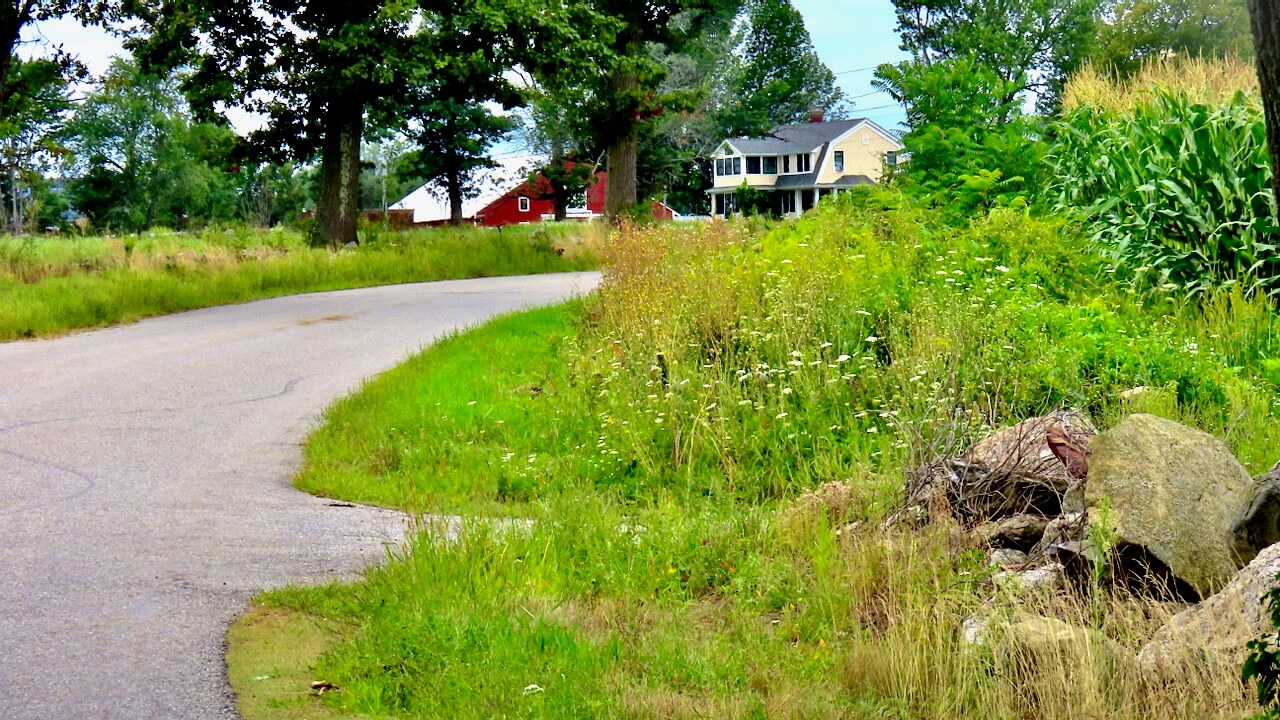
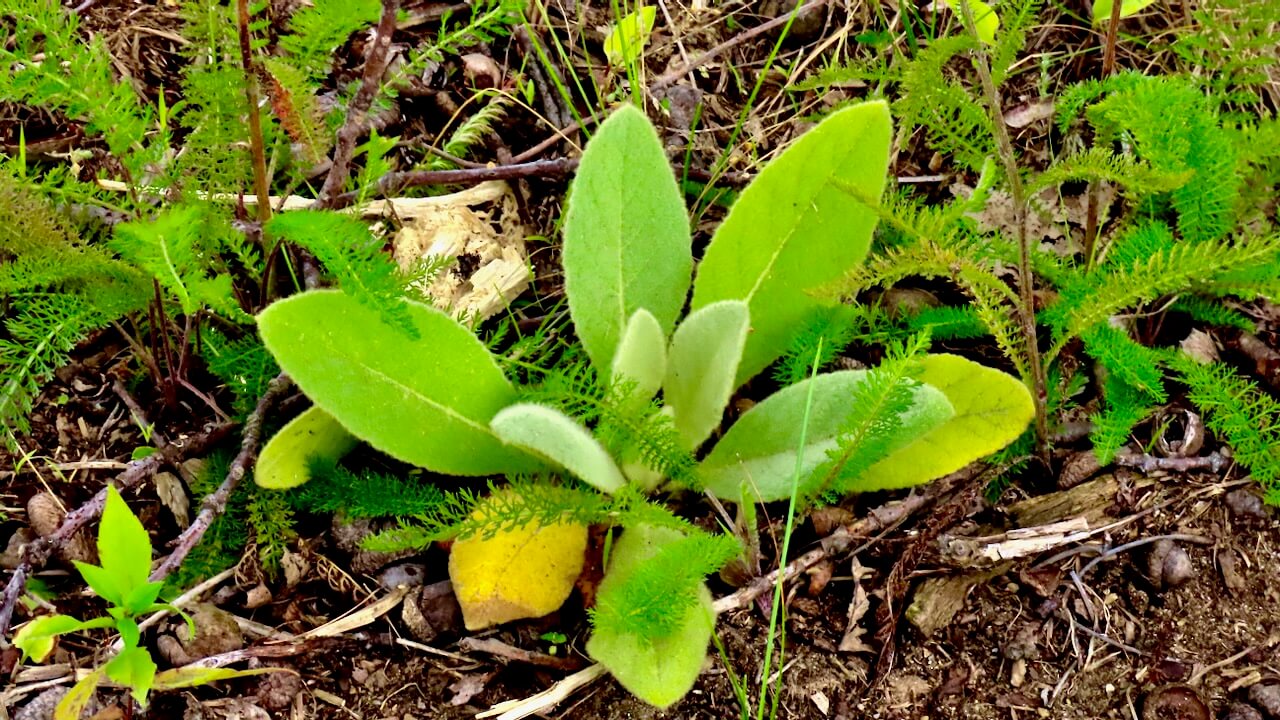
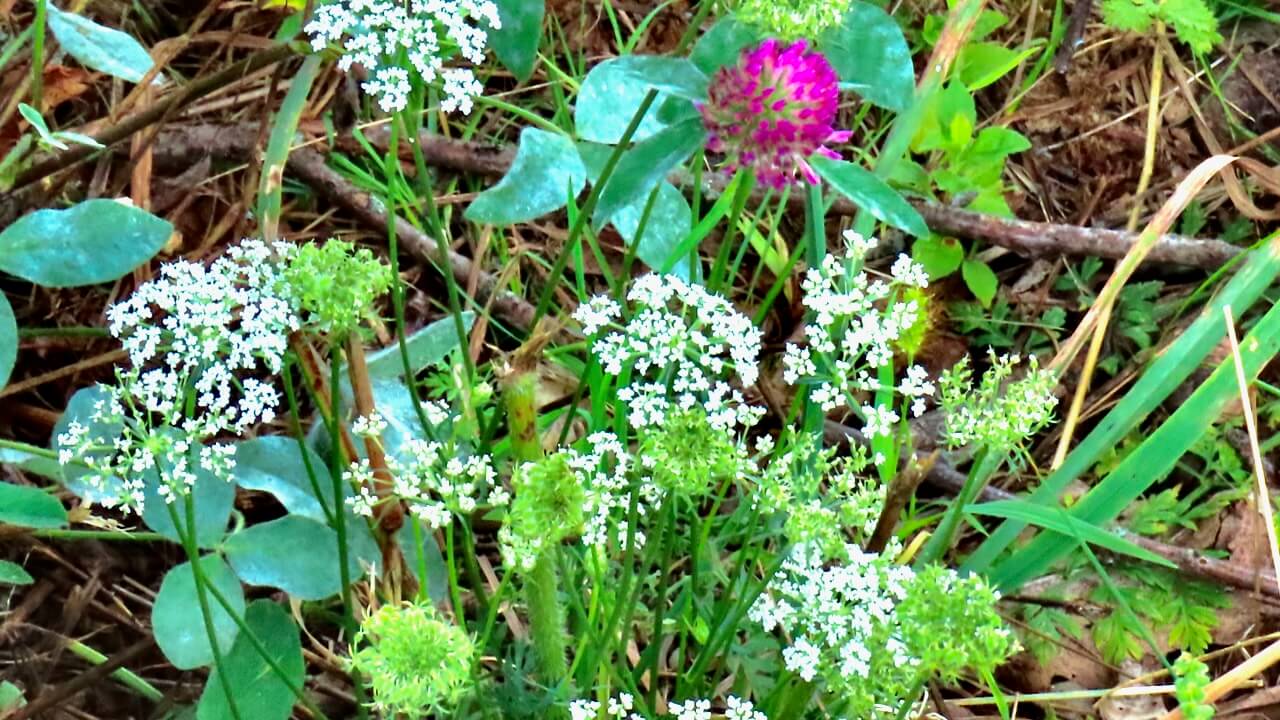
The uncultivated strips of land pictured above are field margins, areas near the boundaries that encourage biodiversity, support wildlife, and prevent soil erosion. By leaving these areas for natural grasses and wildflowers, farming production is balanced with environmental conservation. The gallery below shows some of the diverse plants and flowers I found in the margin. Some can be invasive, and at the end of the season, margins are often cut down to control growth.
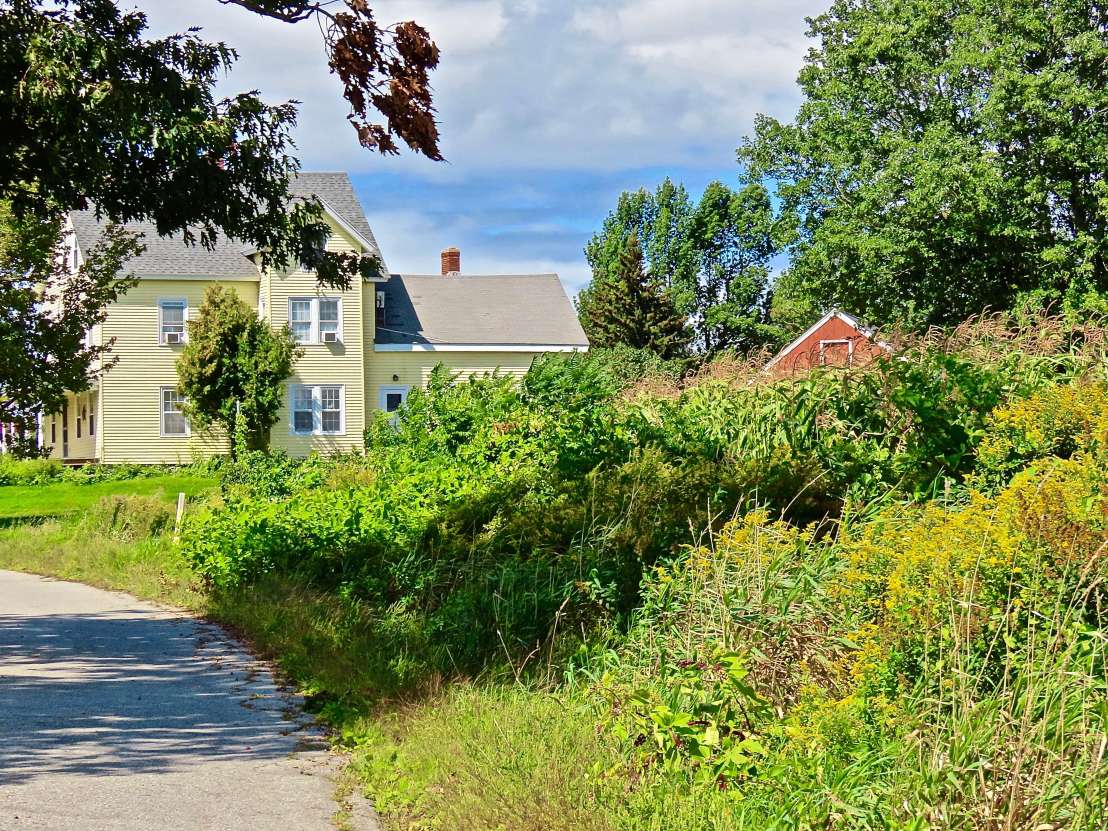
I continued my walk past the margins and fields towards the farmhouse.

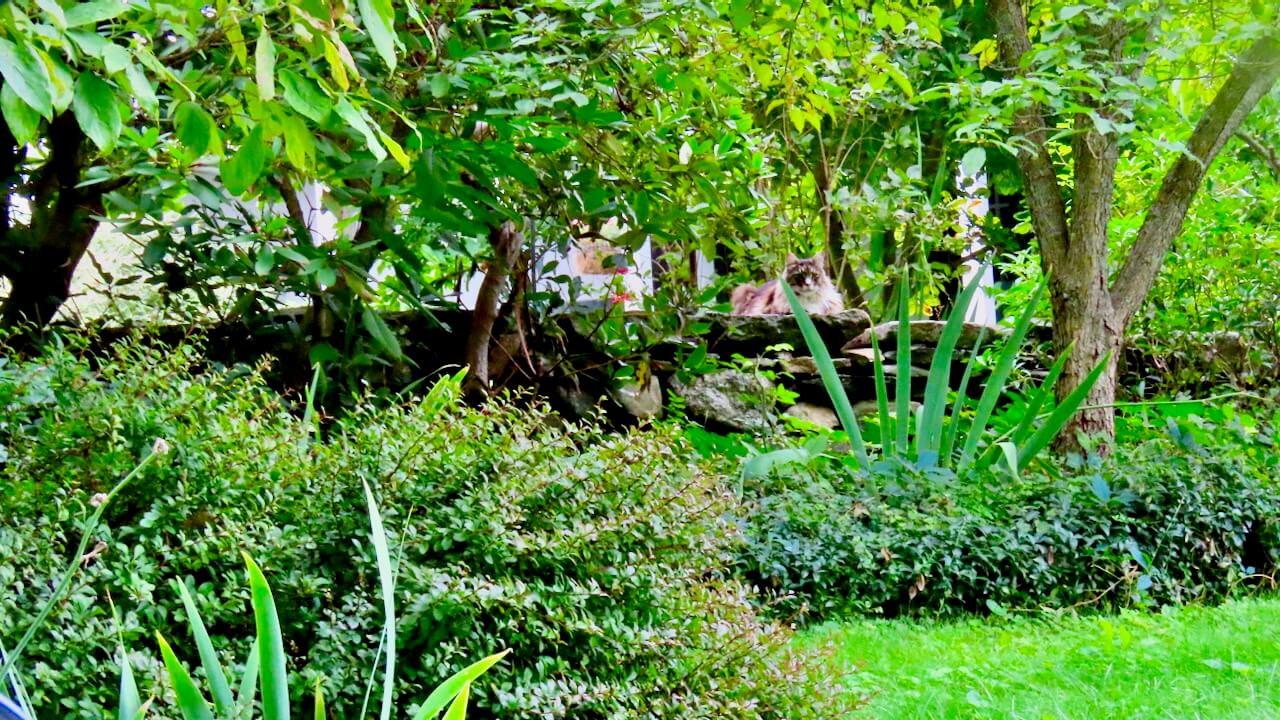
Did you ever have that feeling that you were being watched?

Farm Cat on duty!

Sorghum?

This local field is usually planted in corn. However, this year I noticed that the plants are more pointy at the top with closely planted rows, and have copious weeds in between . An internet research leads me to believe it is sorghum, which is used as silage.

WordPress farmers, feel free to comment!

Corn, Clouds and Crows

Early fall in Central Massachusetts is the perfect time to explore and photograph the beauty of the region’s local farmlands.

Jordan Farm in Rutland, Massachusetts is a fifth generation farm. In addition to its long history, it is highly regarded as one of the first farms in Massachusetts to produce clean energy.
This is only a small section of the cornfields that provide food for their 375 cows.
On this early fall day, fast moving cloud formations lent a constantly changing counterpoint to the landscape.
The windswept tassels on top of the corn were elegantly silhouetted against the clouds.

I was startled by what appeared to be a rising moon behind the corn.

It is actually a receptacle for storing corn silage (corn used to feed the cows in Winter).
The corn is sown and harvested with mechanical precision, resulting in perfectly neat rhythmic rows.
Corn loving crows are almost always found in undulating groups, creating fascinating patterns in the sky.

A group of crows is often called a murder, but I prefer a less frequently used collective noun for these intelligent and social creatures– a parcel.
Crows aren’t fussy. They will eat corn on or off the cob, as well as seeds and seedlings.
The proud old farmstead sits at the edge of a country road, at the very top of a long hill.
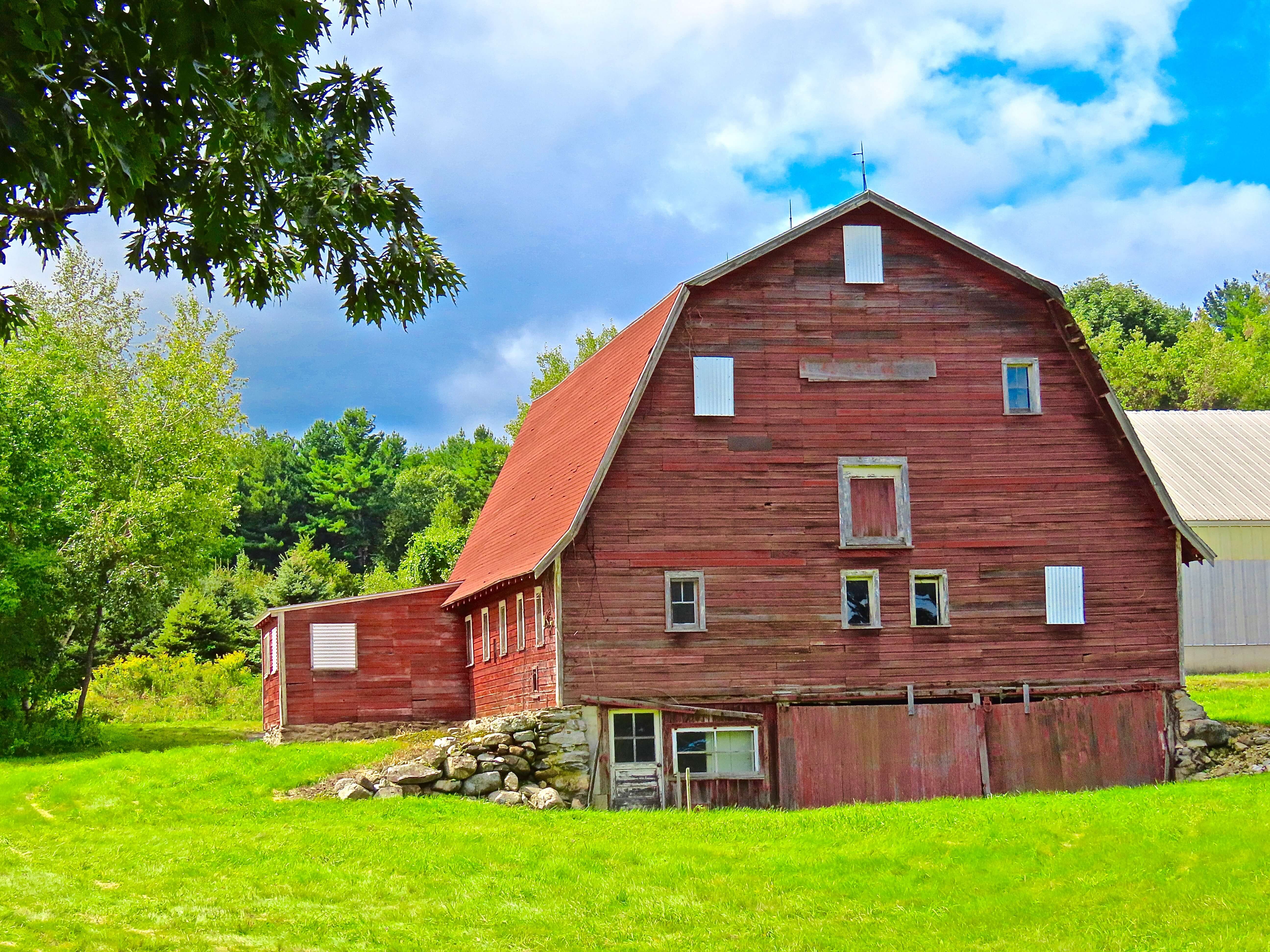
The classic New England red barn across the street stands as a testament to a beloved bygone era.
This historic and progressive farm is only ten miles away from Worcester, MA, New England’s second largest city.