The sight of cornfields always reminds me of growing up across from a farm in Western Massachusetts. Luckily, Central Massachusetts has approximately 1,623 farms spanning over 90,000 acres. Corn was critical to the survival of Indigenous Peoples and early colonists of Massachusetts. On a recent country walk, I viewed local fields of cow corn almost ready for harvesting.
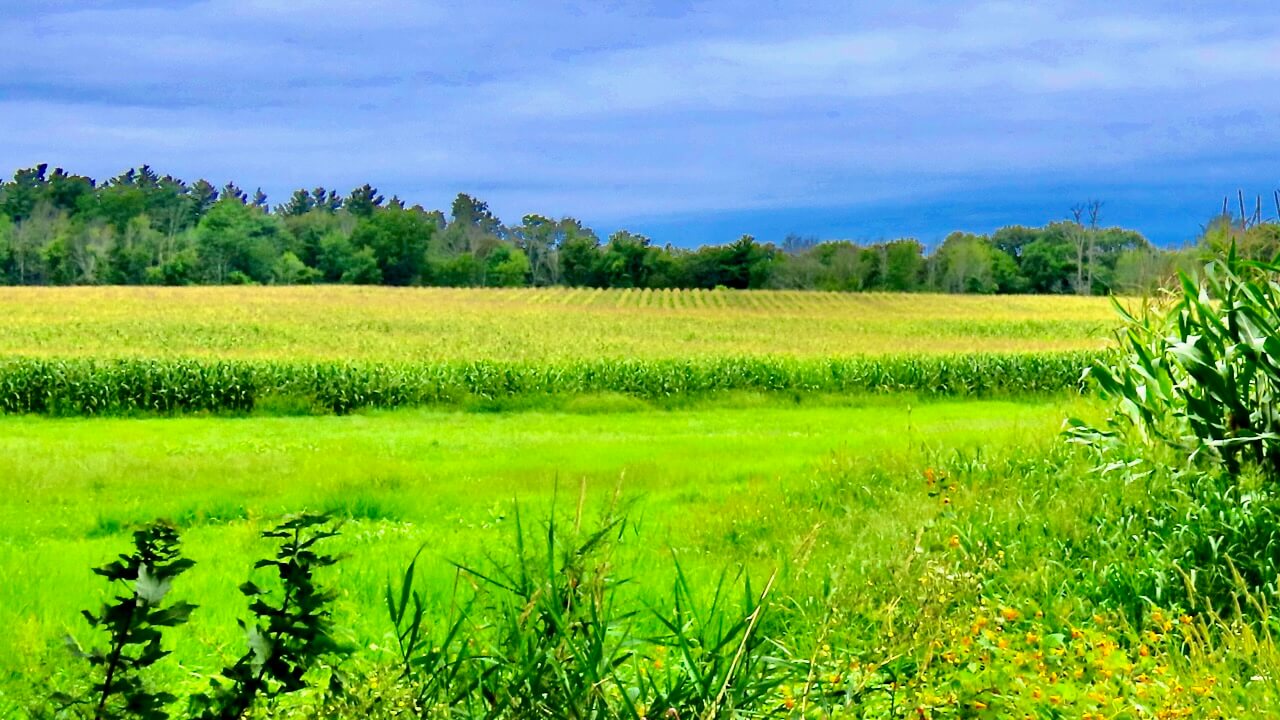
Jordan Farm, Rutland, Massachusetts
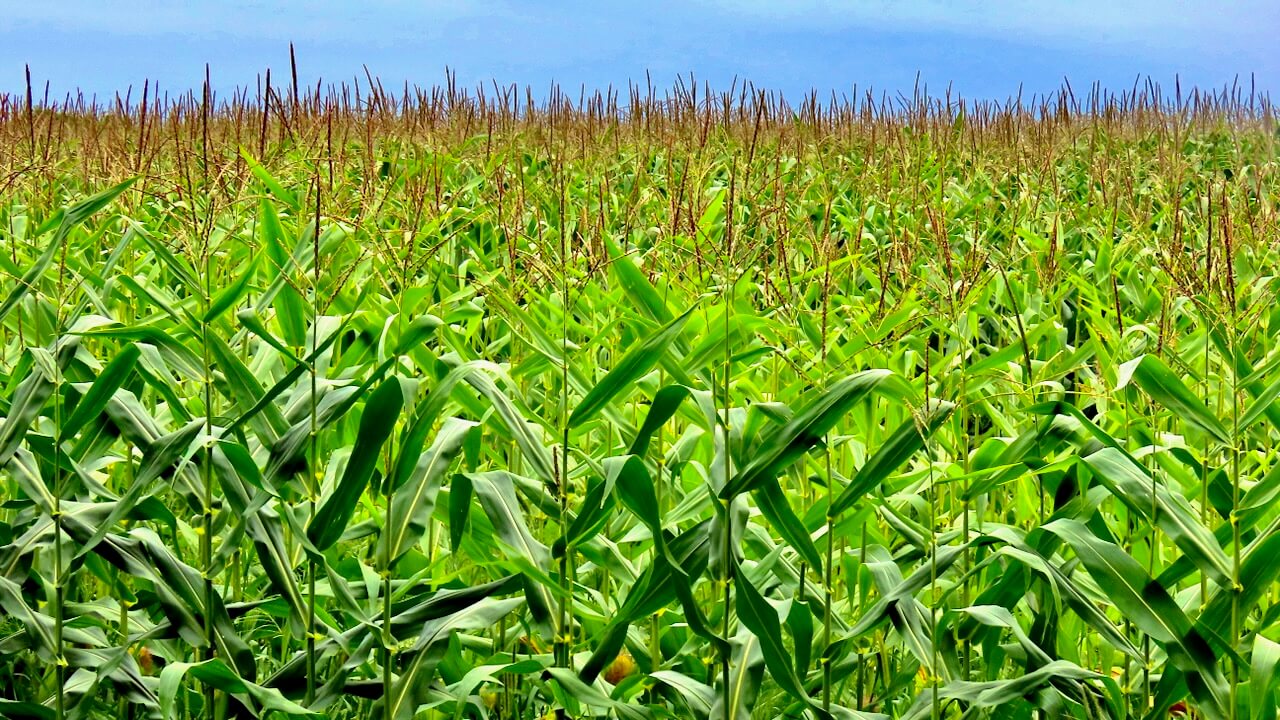
The farm has a total of 950 acres of fields planted with either corn or hay.
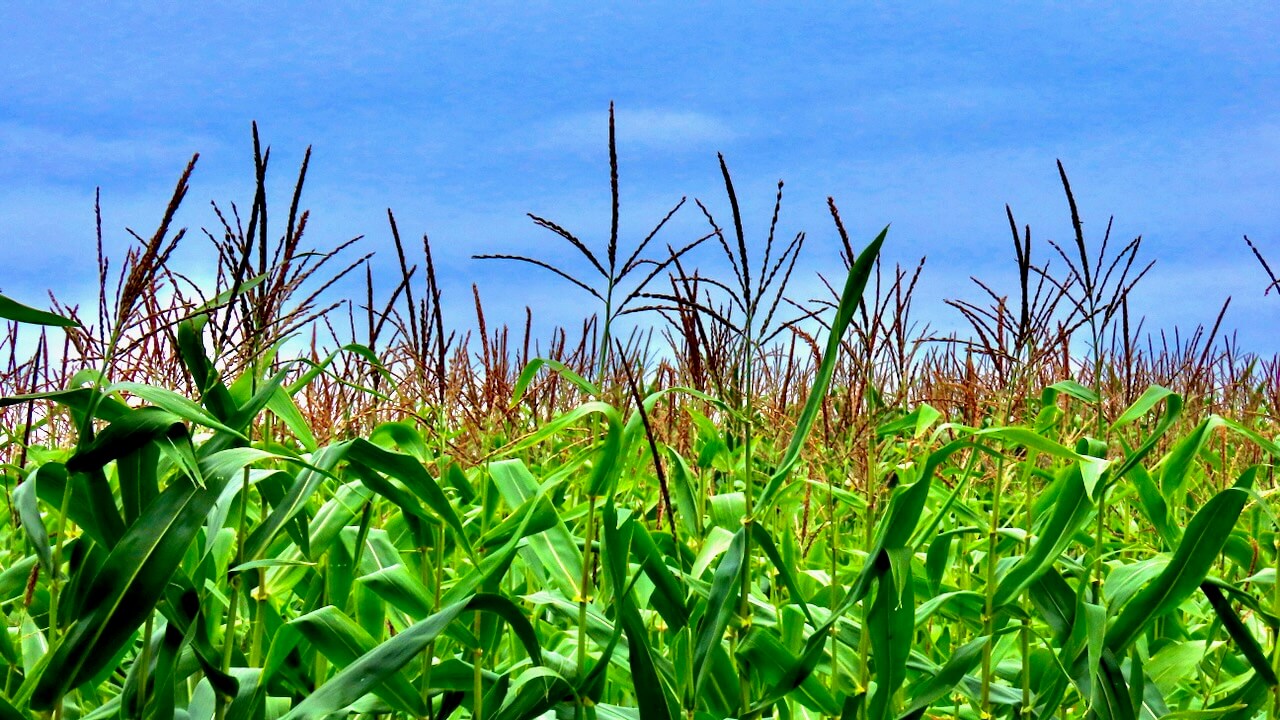
The spikes at the top of the plant are the tassels. Tassels produce and release millions of tiny pollen grains that blow in the wind, fertilizing the silks on the lower ears. This is what allows the ears to grow.
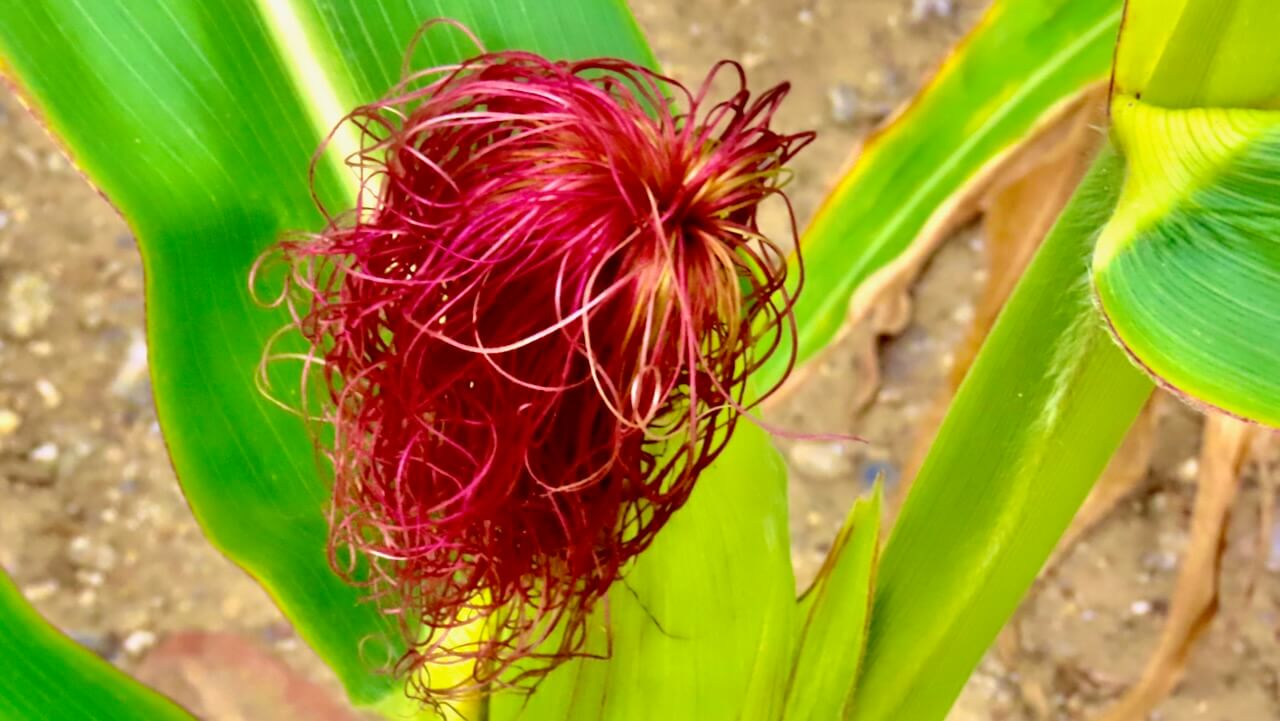
A close-up of the corn silk. Each individual strand of corn silk must catch a grain of pollen from the tassel for a single kernel of corn to develop.The silk will turn brown when the corn is ripe.
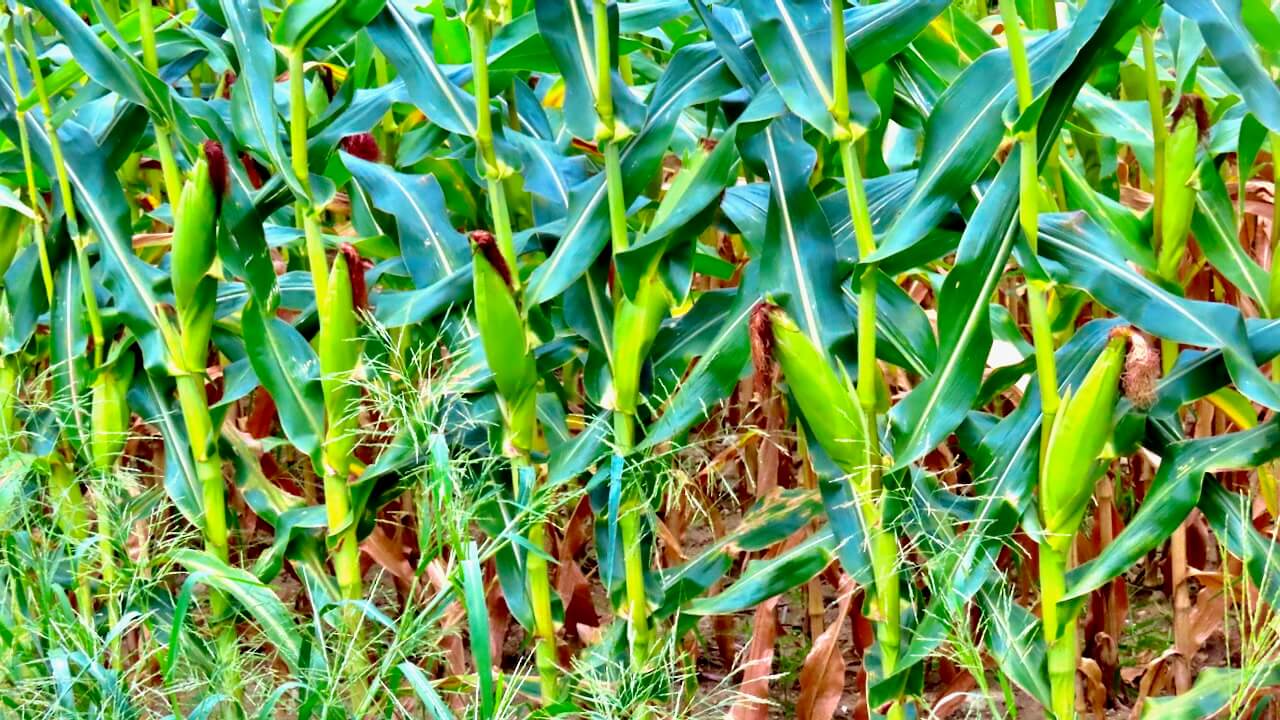
Corn ready for harvesting.
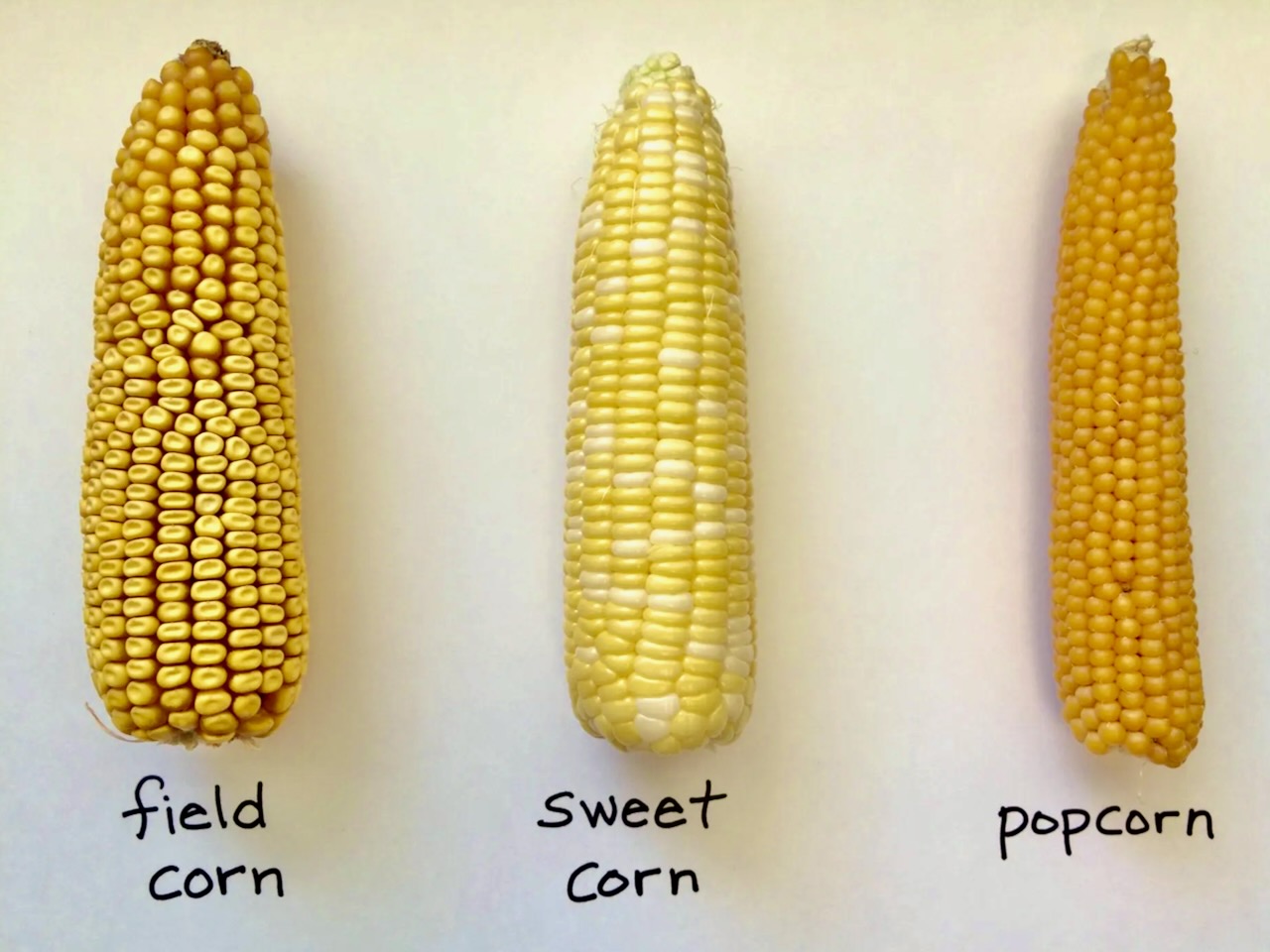
The above image, courtesy of the New York Agricultural Animal Commission , shows the difference between field corn, popcorn and sweet corn.
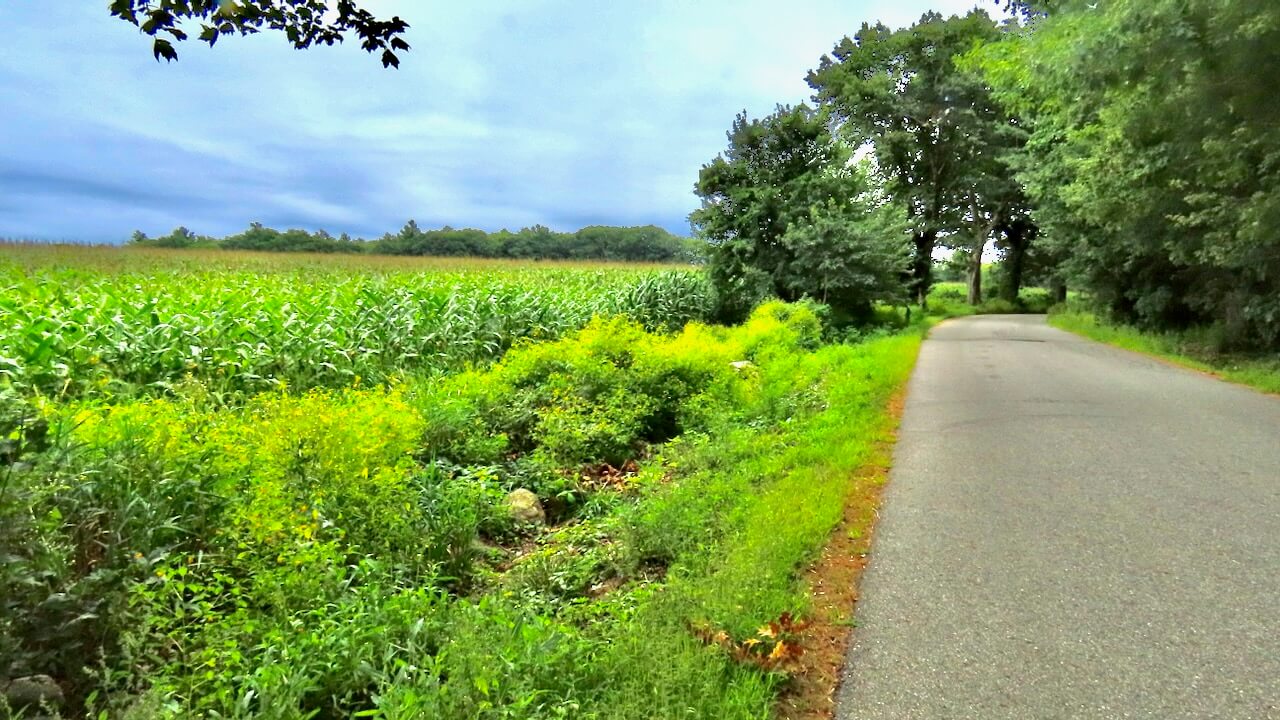
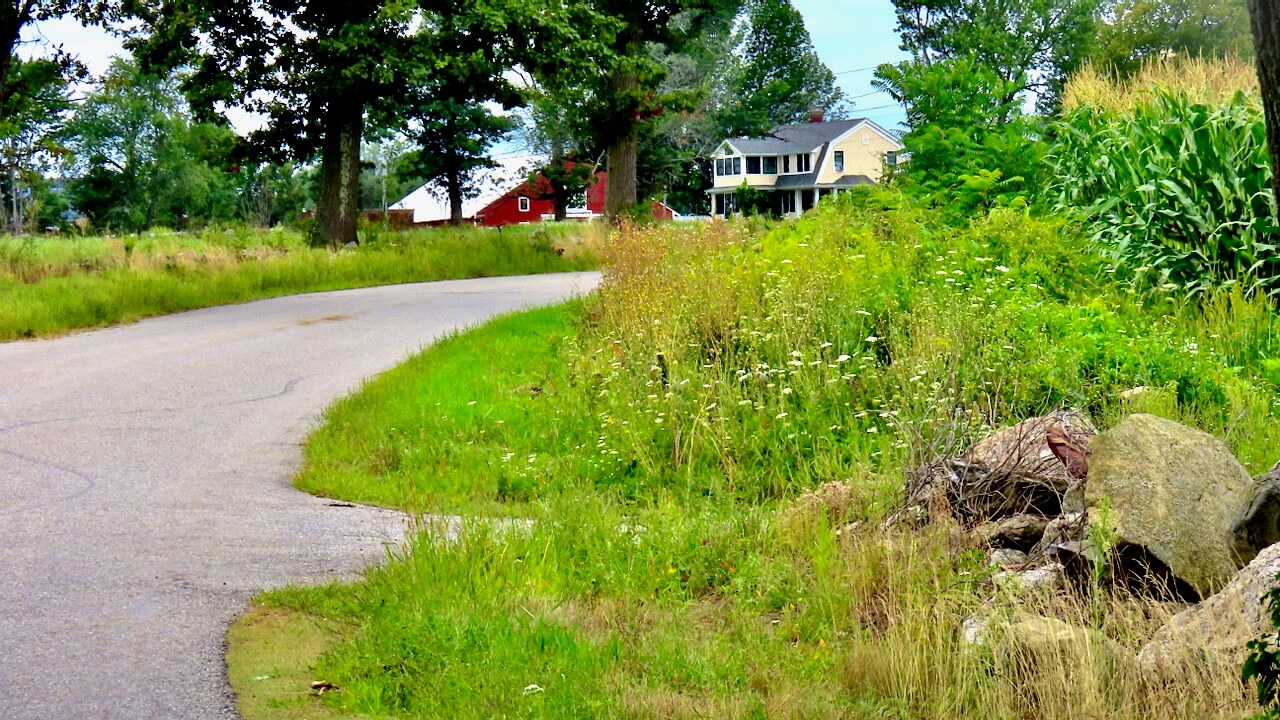
The uncultivated strips of land pictured above are field margins, areas near the boundaries that encourage biodiversity, support wildlife, and prevent soil erosion. By leaving these areas for natural grasses and wildflowers, farming production is balanced with environmental conservation. The gallery below shows some of the diverse plants and flowers I found in the margin. Some can be invasive, and at the end of the season, margins are often cut down to control growth.
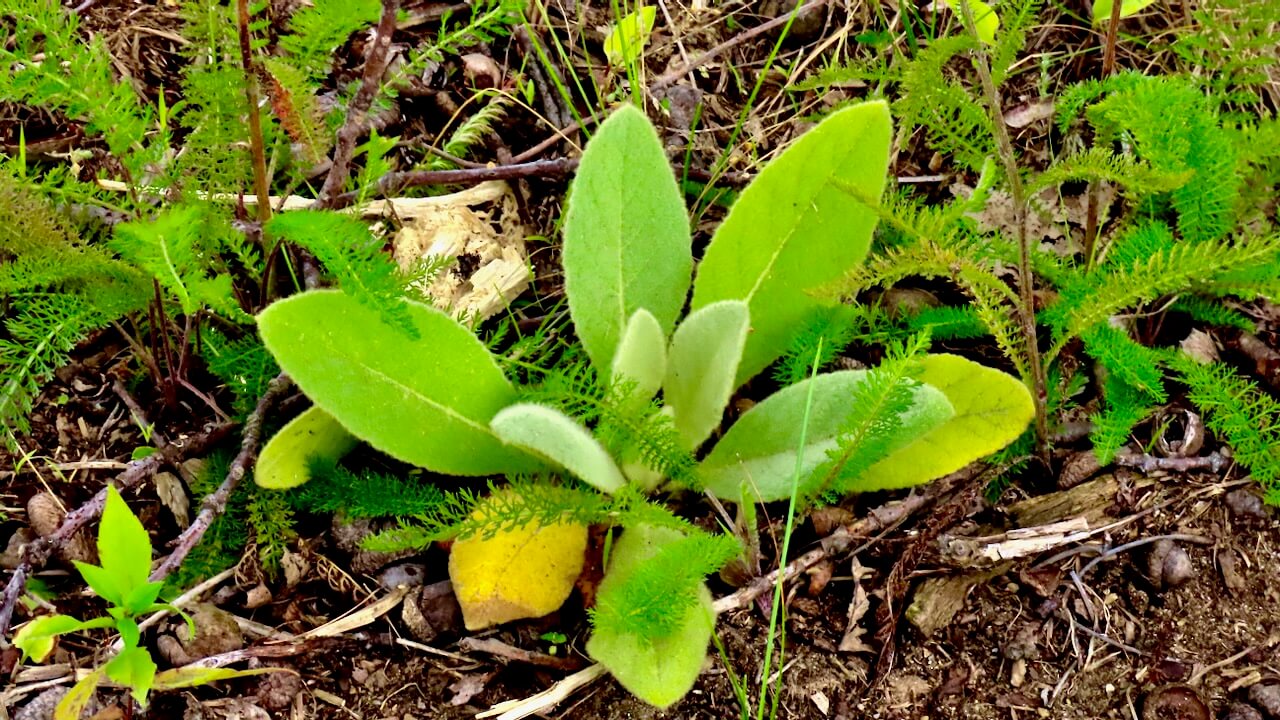
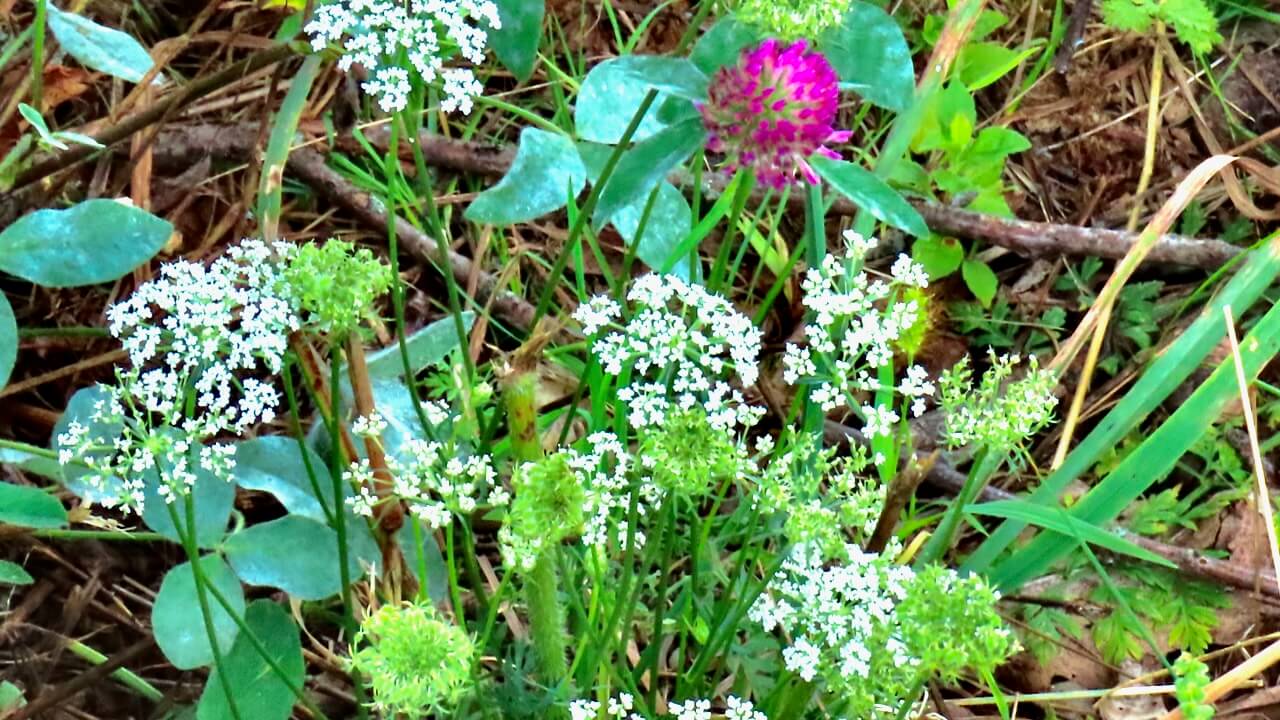
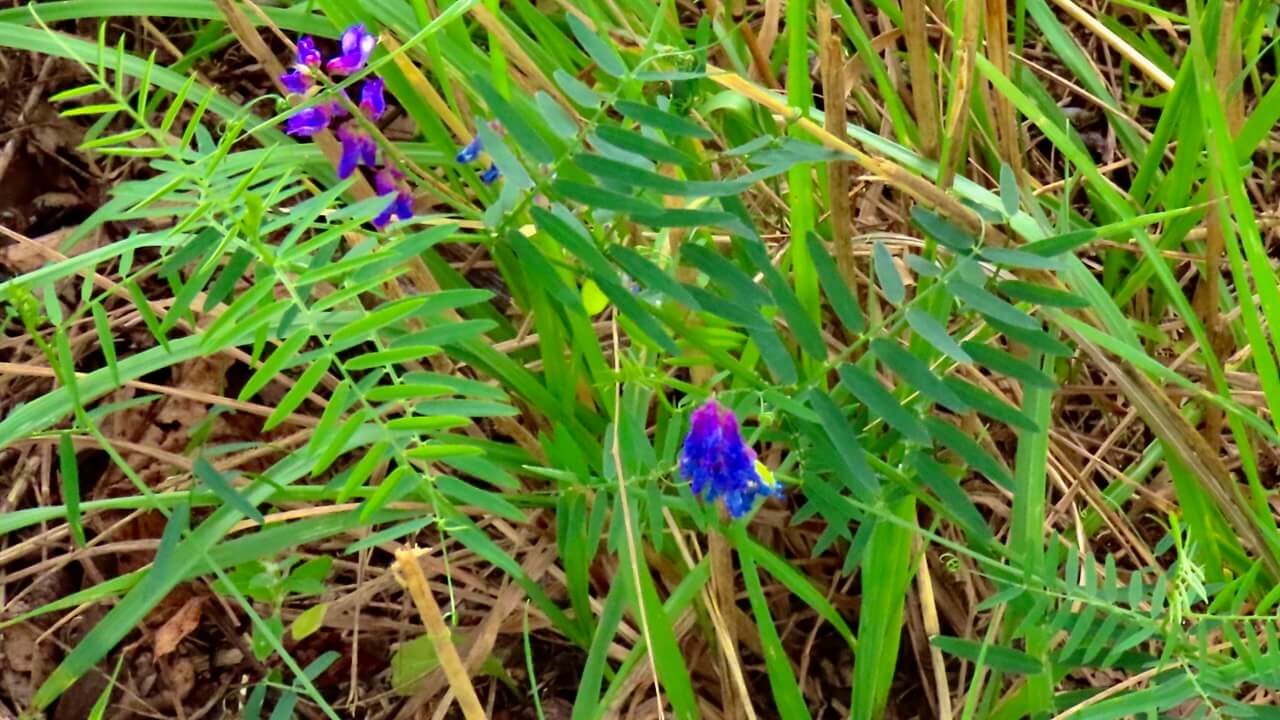
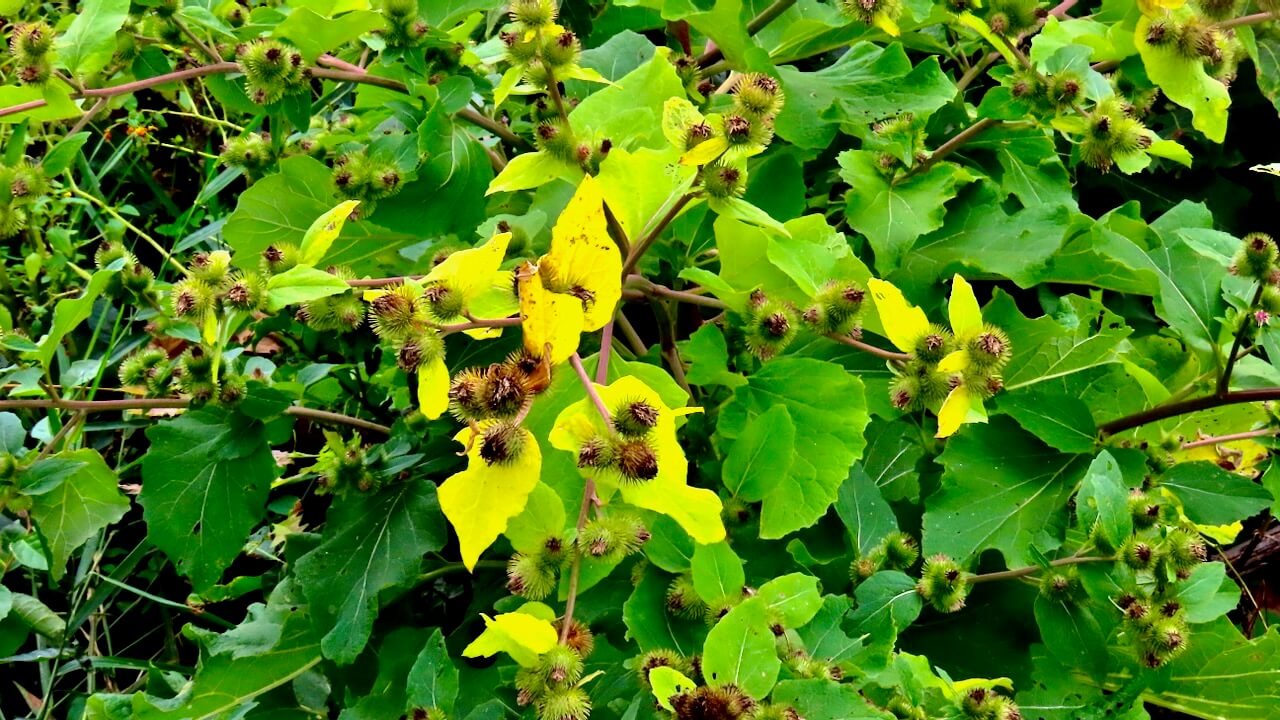
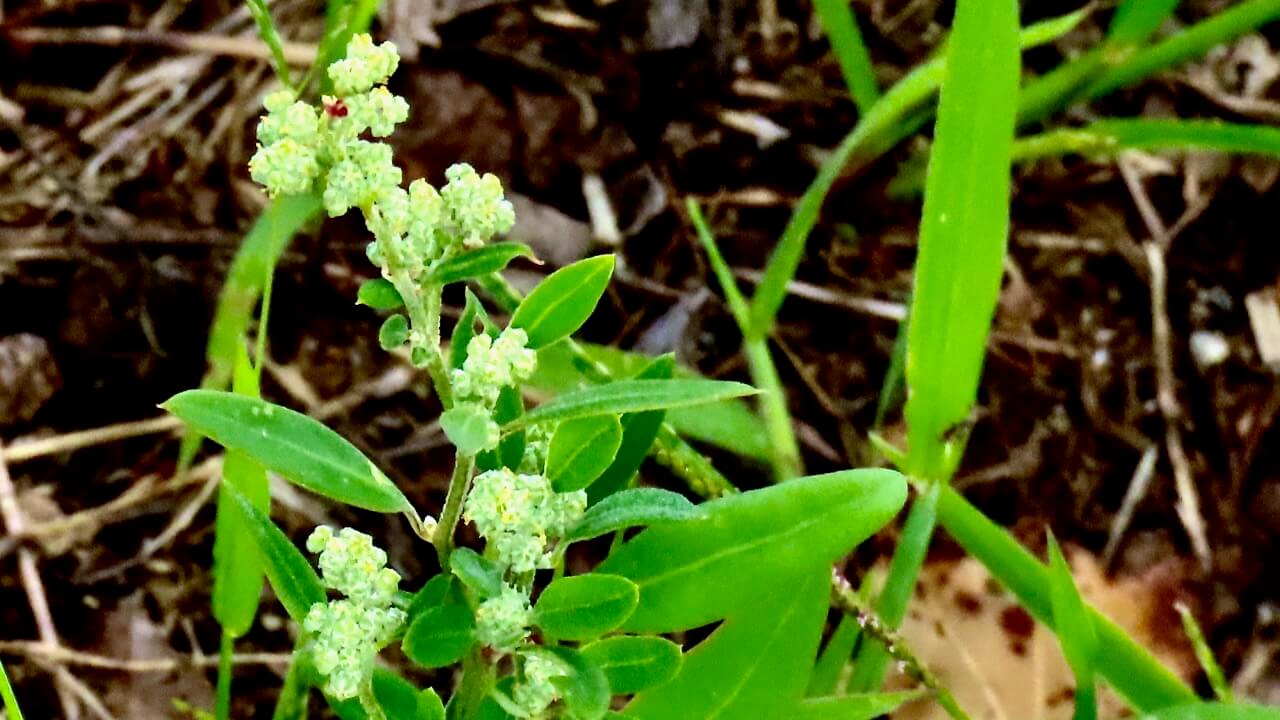
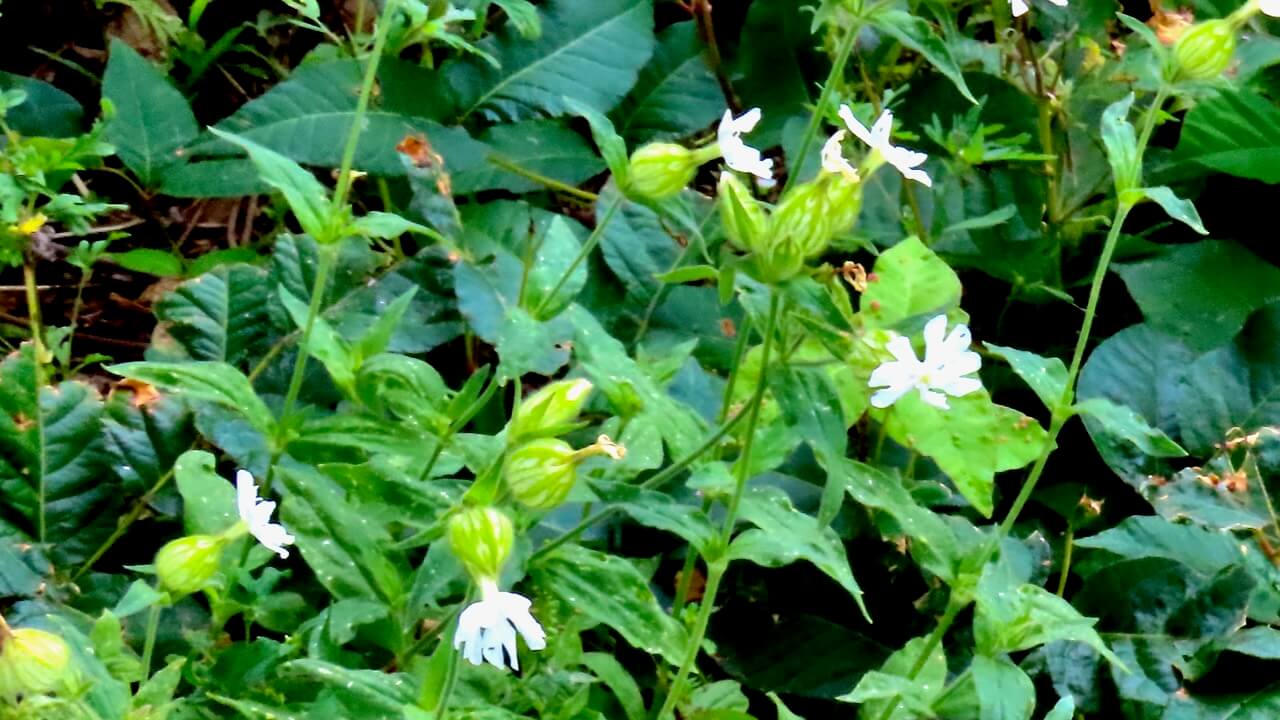
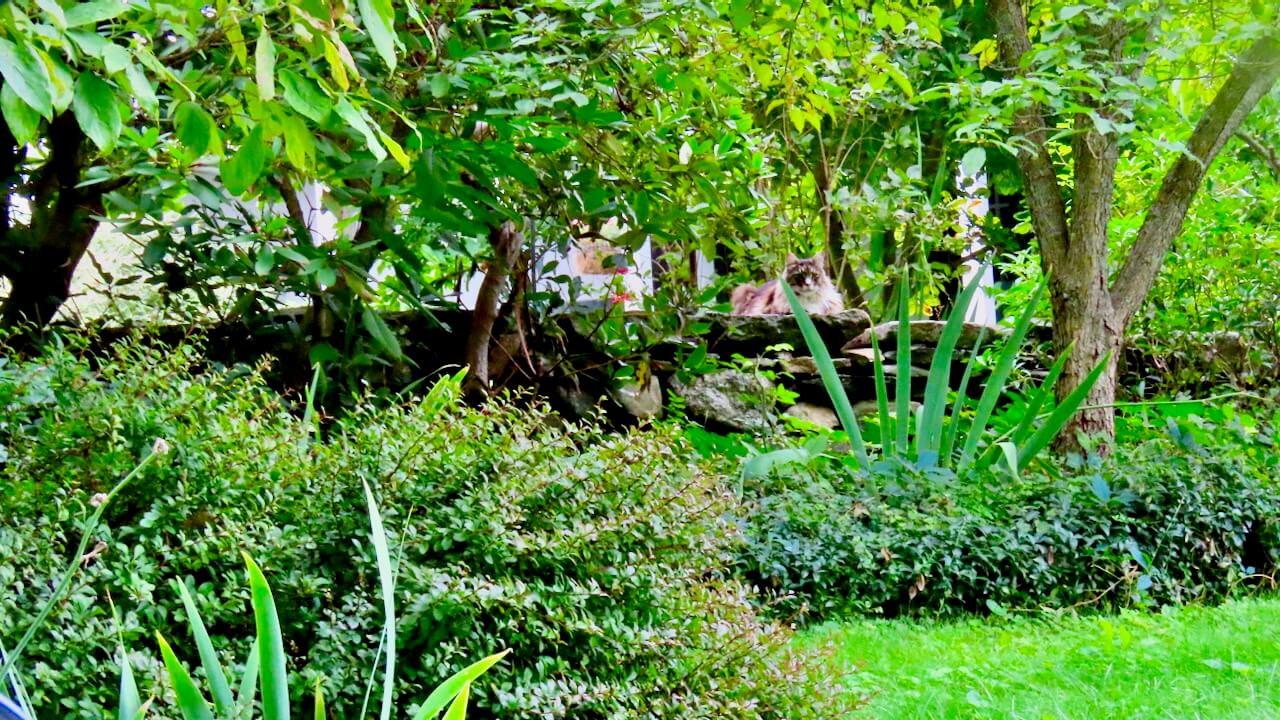
Did you ever have that feeling that you were being watched?
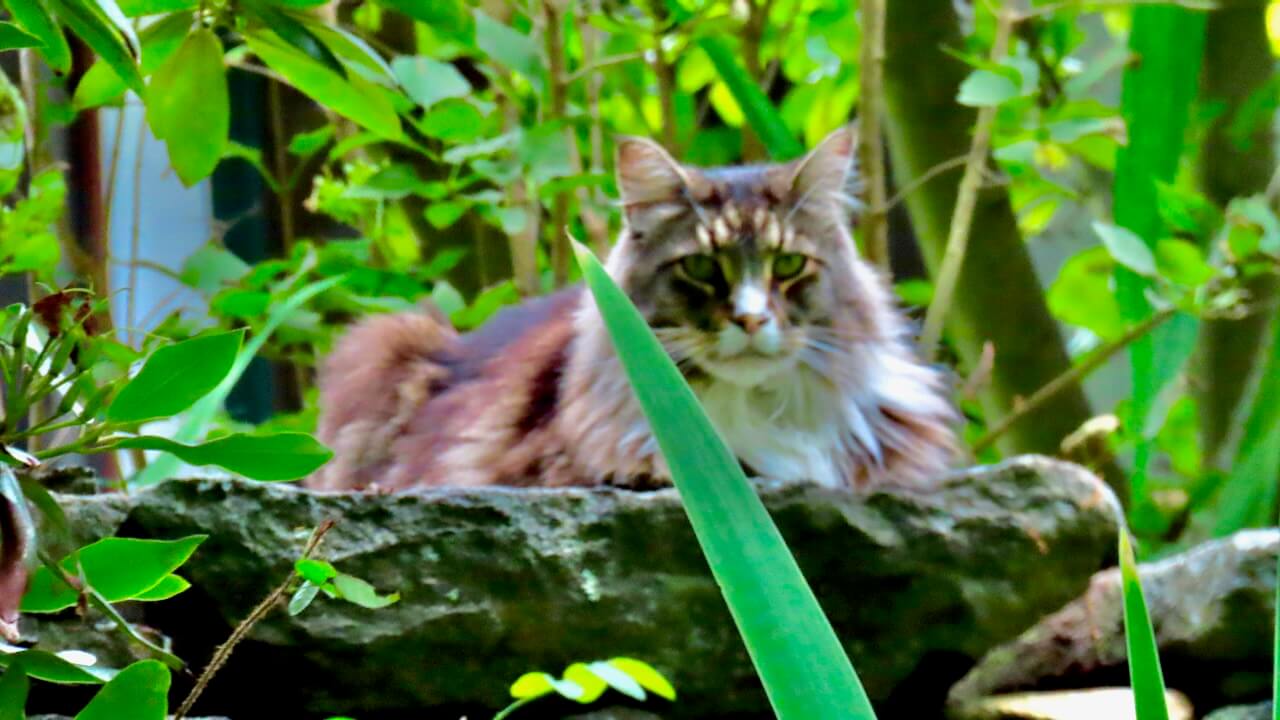
Farm Cat on duty!

Great post, Julie. I especially enjoyed the close up image of the corn silk. 👍🏽
Growing up, I never saw the pinkish red corn silk I photographed, but it is now a common kind of corn. Thanks for visiting and commenting.
Informational.
Thank you!
That’s one big kitty! 😻 Like you, I grew up in western MA amidst dairy farms, I love them. Nice shots, Julie.
I love the open spaces around the farm fields. Cheers to western MA!
A very delightful and informative post, Julie. That’s a mean looking cat. I saw a tortoise on the bottom right of the photo on your walk towards the farmhouse.
Ha ha! I agree about the cat. Beautiful, but I wouldn’t want to cross it. Thanks for pointing out the tortoise, I actually had to go back and check it out. Too bad is was just stone. ;-(
Julie, thanks for confirming that the tortoise was just stone. I have a few in my garden but not that large.
You live in a beautiful area Julie. Love the shots of corn and we are enjoying the sweet corn up here right now. Have a great evening. Allan
Yes, I’m lucky to live in such a rural place just minutes from Worcester, pop. 216,00. The best of both worlds. Hurrah for sweet corn!
I learned a lot about corn by reading this post – thank you!! I like the field margins. Great way to keep the environment balanced. Your pictures and educational posts are always wonderful.
Thank you so much for those kind words! 💖
A brightly informative post
Thank you, Derrick. 😉
Not to put a damper on your interesting and informative explanations and photos of vast and bright swaths of corn, Julie, but I wonder how much biodiversity can exist in the uncultivated strips so near the cornfields which likely get sprayed with all manner of chemicals throughout the growing season. Do you know if anybody keeps track, e.g. about insects.
That’s a good question Tanja! Researching, I found that “the fifth-generation dairy farm was the first in New England to install an anaerobic manure and food-waste digester.” I don’t understand it, but it cuts down on chemical use and saves energy. I also read they use targeted spraying of pesticides, working around the pollinator season, and local beekeeepers keep wqtch for “drift”. I’ll put an article for you below. My bigger question was what about all that corn for cows? It’s a beautiful farm and they are doing what the can to be eco friendly, but all that for cow’s milk? Such a conundrum: I like almond milk, but that’s not environmentally friendly, and who knows about the oat milk I also like. Sigh…Thanks for bringing up that point, though!
https://www.vanguardrenewables.com/projects/jordan-dairy-farms-rutland
Thank you for your response, Julie, and the link.
You pose an important question regarding cows and their milk. Everything we do seems to be so fraught and there are no clear answers. It’s all so perplexing, isn’t it?
I enjoyed your photos and the accompanying interesting info. I had not seen pink cornsilk before. Also an interesting discussion you had with Tanja and a good question regarding all that corn for cows!
I’m glad you enjoyed the post. Tanja’s thoughtful question was good for me to consider. And oh, what about milk? Almond milk takes too much water to grow. Oat milk takes less water, but has more carbs and sugar. Soy milk is good, but carries a risk or deforestation. Whoa! What should a person do!
It can get to feel too overwhelming!