My yard is popping with orange this week.


The ditch lily softens and adds interest to this fieldstone foundation.


Here, the Asiatic lilies contrast with evergreens nearby, lending a more “Eastern” feeling.

Hurrah for orangeade in July!
Photographs taken with a bridge camera journaling nature and everyday life in Central Massachusetts and beyond.
Category: flowers
My yard is popping with orange this week.
The ditch lily softens and adds interest to this fieldstone foundation.
Here, the Asiatic lilies contrast with evergreens nearby, lending a more “Eastern” feeling.

My yard was bursting with color against a green backdrop in May.


A long view of the Zen garden.

Rhododendron


Hidden treasures can be found within this late summer landscape.


Jewelweed


Concord Grapes


Maple Leaves

False Sunflower?

Cardinal Flower

Queen Anne’s Lace


East Princeton, Massachusetts
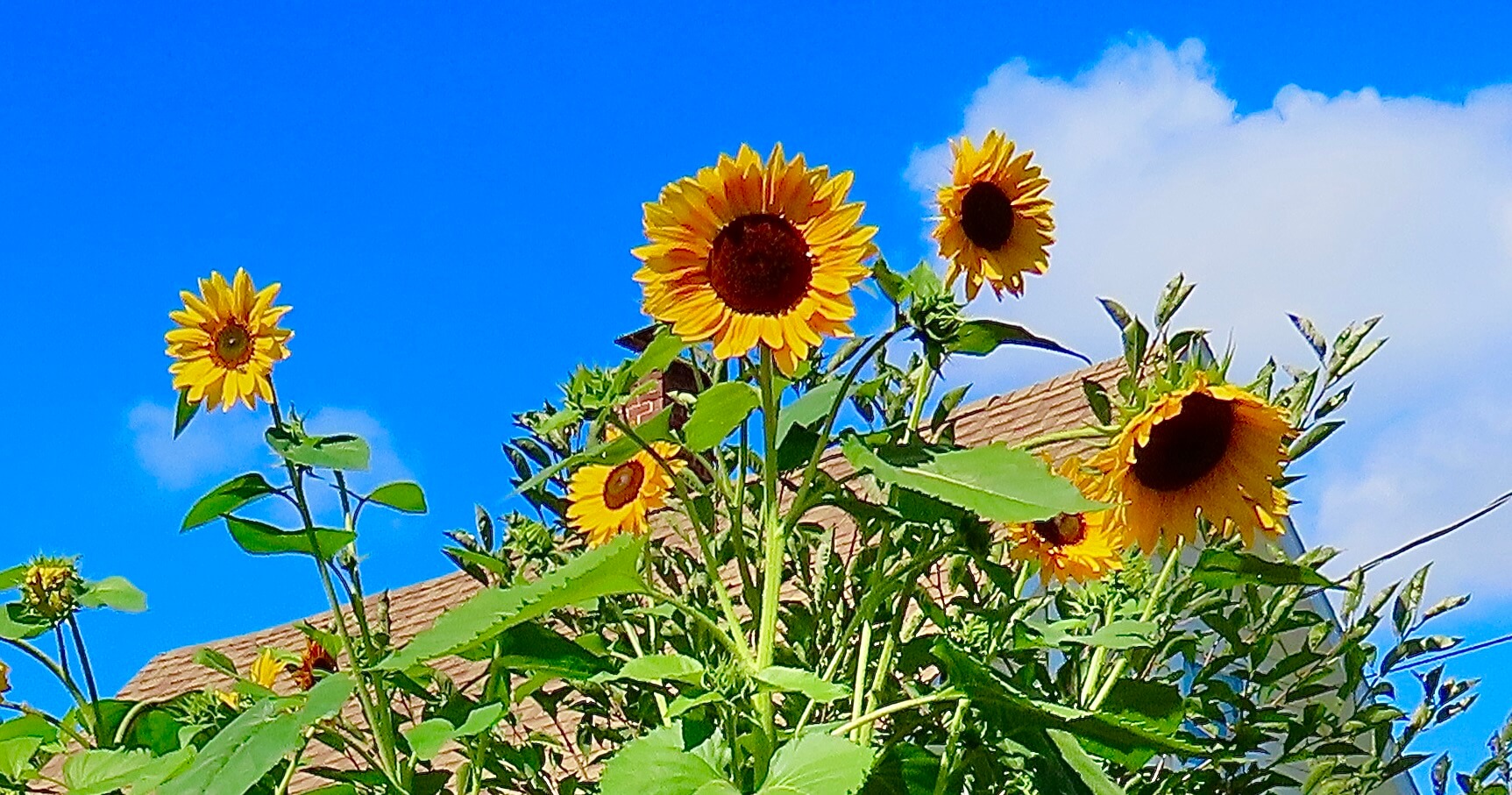


There’s a golden world waiting on the MeadowTrail paths at Wachusett Meadow Wildlife Sanctuary.

Approach to the sheep and cow barns.


Bluebird boxes.
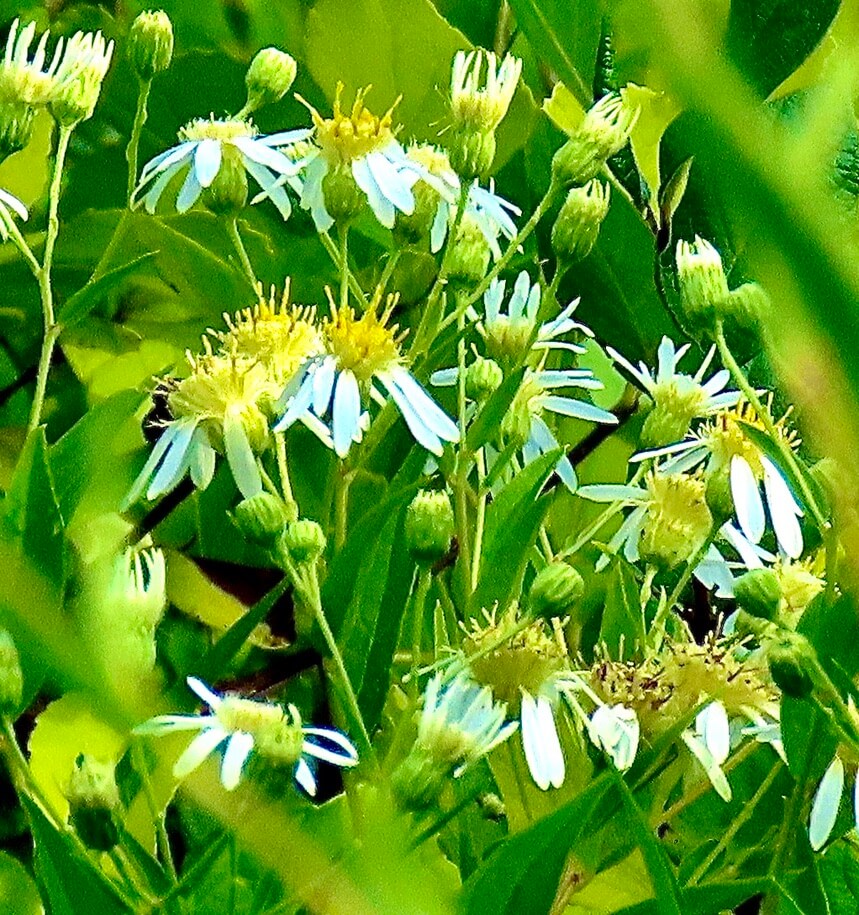


The easy care Tall Phlox in my yard often last until the frost.


Holden, Massachusetts


Monarch Butterflies have recently been classified as endangered. How fortunate to have a number of them visit my yard daily!


During this unusual midsummer heat, a blast of colors animates my yard.


Visiting woodchucks, rabbits, a racoon and even a bear made gardening more difficult than usual this year. Still, on a sunny July day, it seems worth all the extra effort.


Pink is a-poppin’ in my garden this week.


Doing my part to make my yard pollinator friendly.


It’s marigold time in my garden.


I grew up in a rural town in Western Massachusetts, where a large patch of bee balm featured prominently in our garden each summer. One day an elderly couple, complete strangers, stopped their car to ask my father what the fiery red blooms in the garden were.
“It’s bee balm, a perennial. Would you like some?”
He dug up a clump for the pair to take to their summer home at the edge of town.
A few days later, the couple reappeared with a box of children’s books. They were retired teachers, who had noticed my siblings and me playing in the yard.
“We have collected so many books over the years, and since we are retired, we don’t need them. Would your children like some?” they asked my father.
That summer, and for many summers thereafter, the couple brought boxes of books of a variety of genres. Some were almost new; some were gently worn. Each box was a thoughtful gift.
The sight of bee balm might bring thoughts of insects, bright flower petals in a salad, or perhaps herbal tea to most people.
But me? I simply think of books.


A coat of paint on one small structure can sometimes uplift a whole yard.


The various blooms popping up in the vegetable gardens are an appealing sight, especially during wet and gray weather.


An extravaganza of orange in my garden.


My neighbor, a fellow plant enthusiast, appeared in my garden yesterday with this gorgeous peony bouquet. What an exquisite gift for me and my garden!
During the pandemic, neighbors have been walking by my yard more frequently than in years past. This has offered us all opportunities for friendly chats and shared interests, making the year much more pleasurable.


