
Holden, Massachusetts
Photographs taken with a bridge camera journaling nature and everyday life in Central Massachusetts and beyond.
Category: photo blog with a compact camera
Holden, Massachusetts

Rudeneja ( roo-den-ay-ha) is a Lithuanian word that describes the transition from late summer to early autumn. It comes from ruduo, the Lithuanian word for autumn, and is used as a verb to describe the shift in nature towards fall, or as a noun for the reflective feeling of the season.

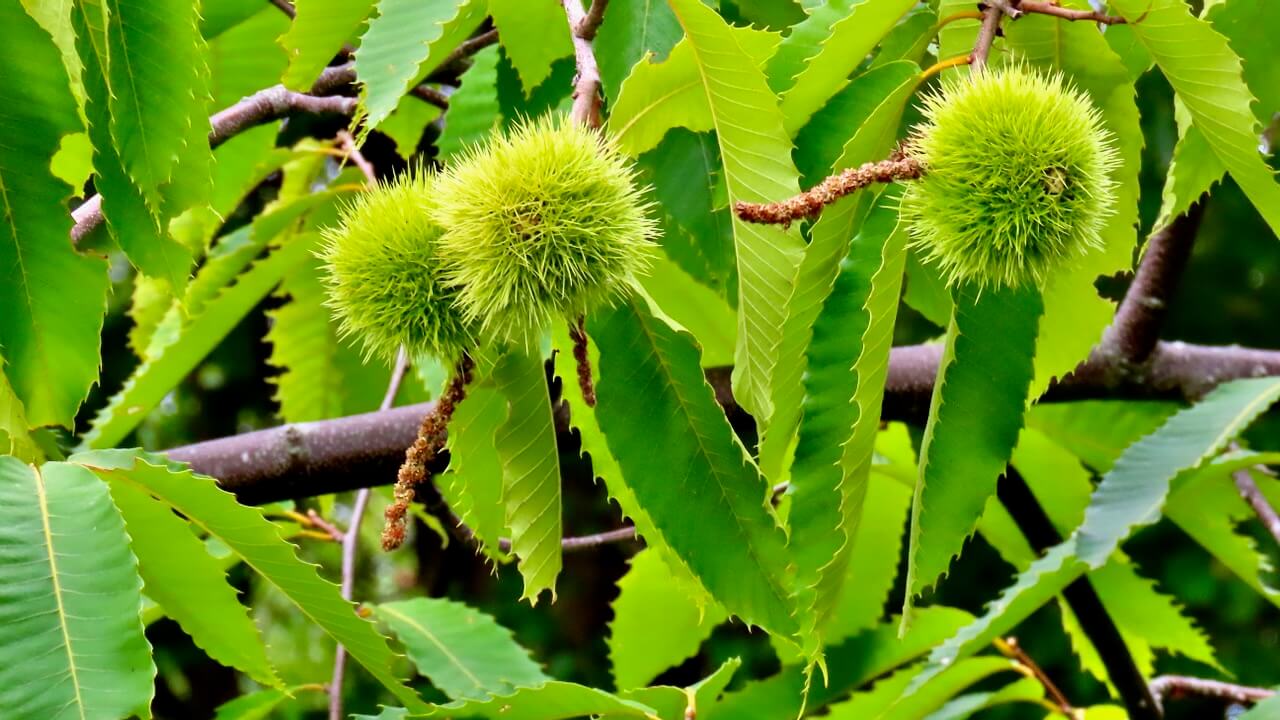
The chestnut tree displays spiky protective shells.
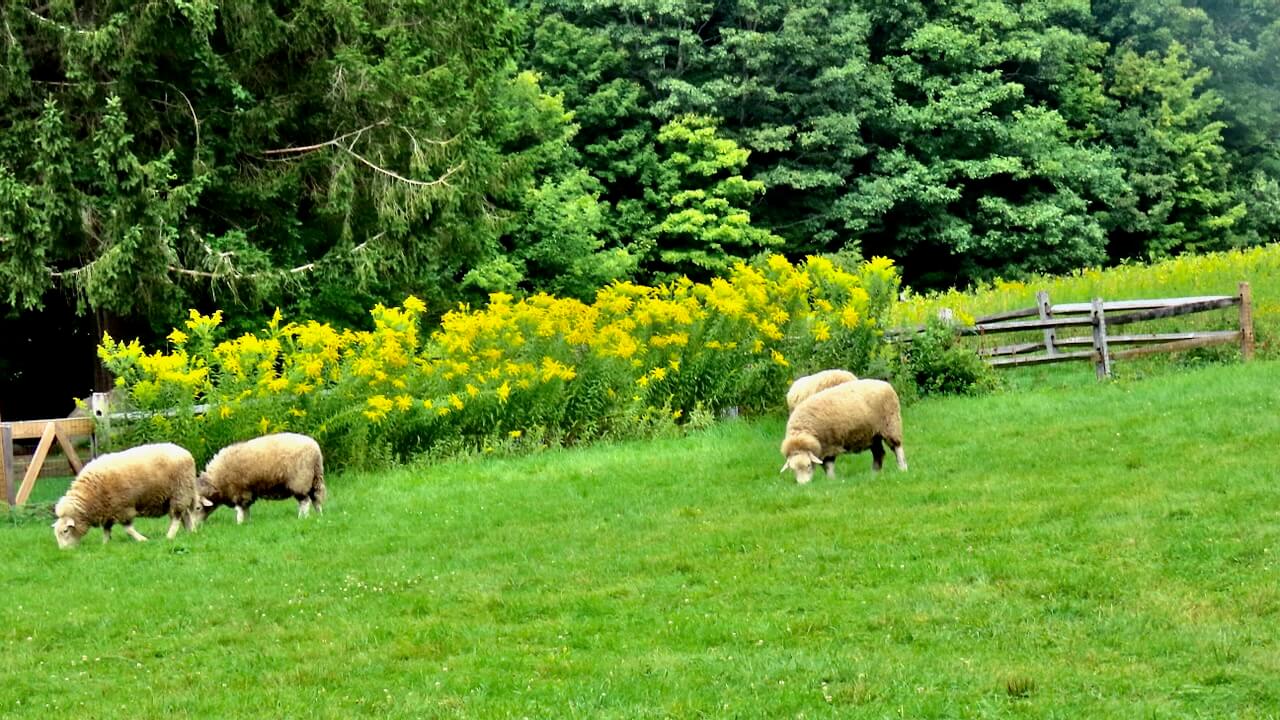
Sheep roam freely in the meadow.
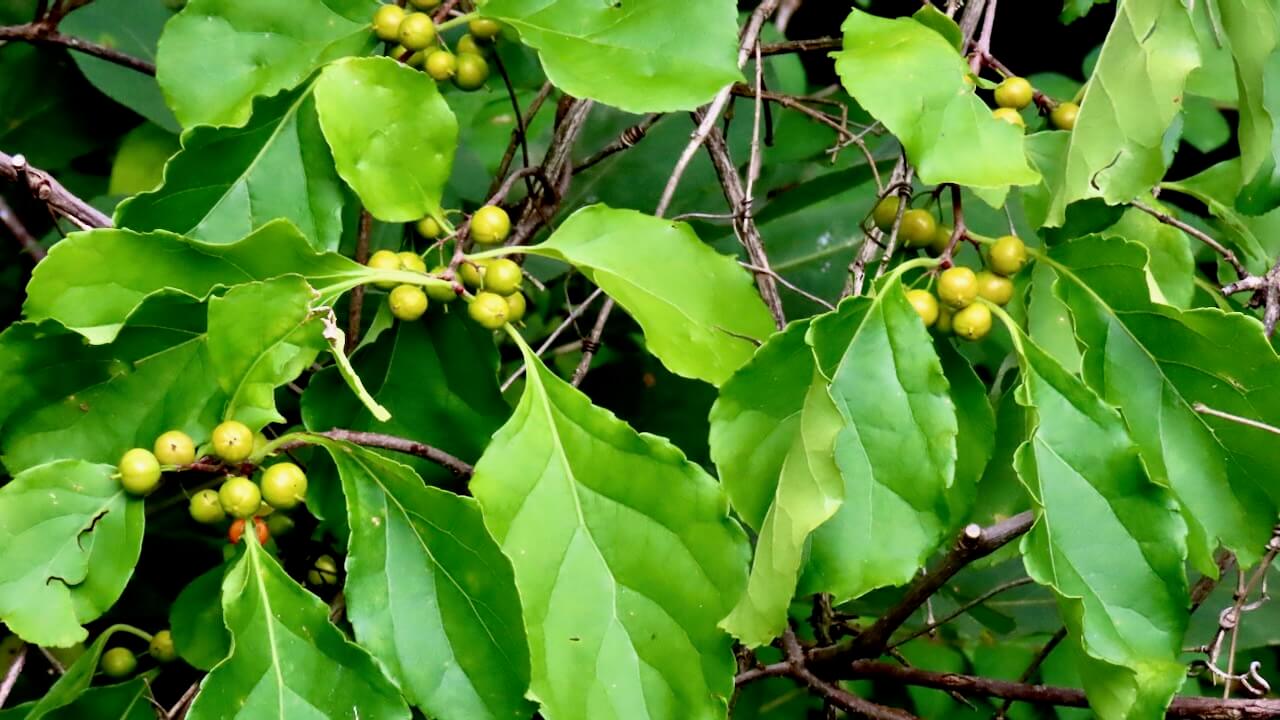
Yellow berries begin to appear on the bittersweet.

Monarch butterflies gather before they begin their migration.

The swamp maples are among the first trees to change color.


Eastern Chipmunk


Eastern Cottontail

After a long snowy winter, old favorite flora and fauna are once again reappearing in my yard.
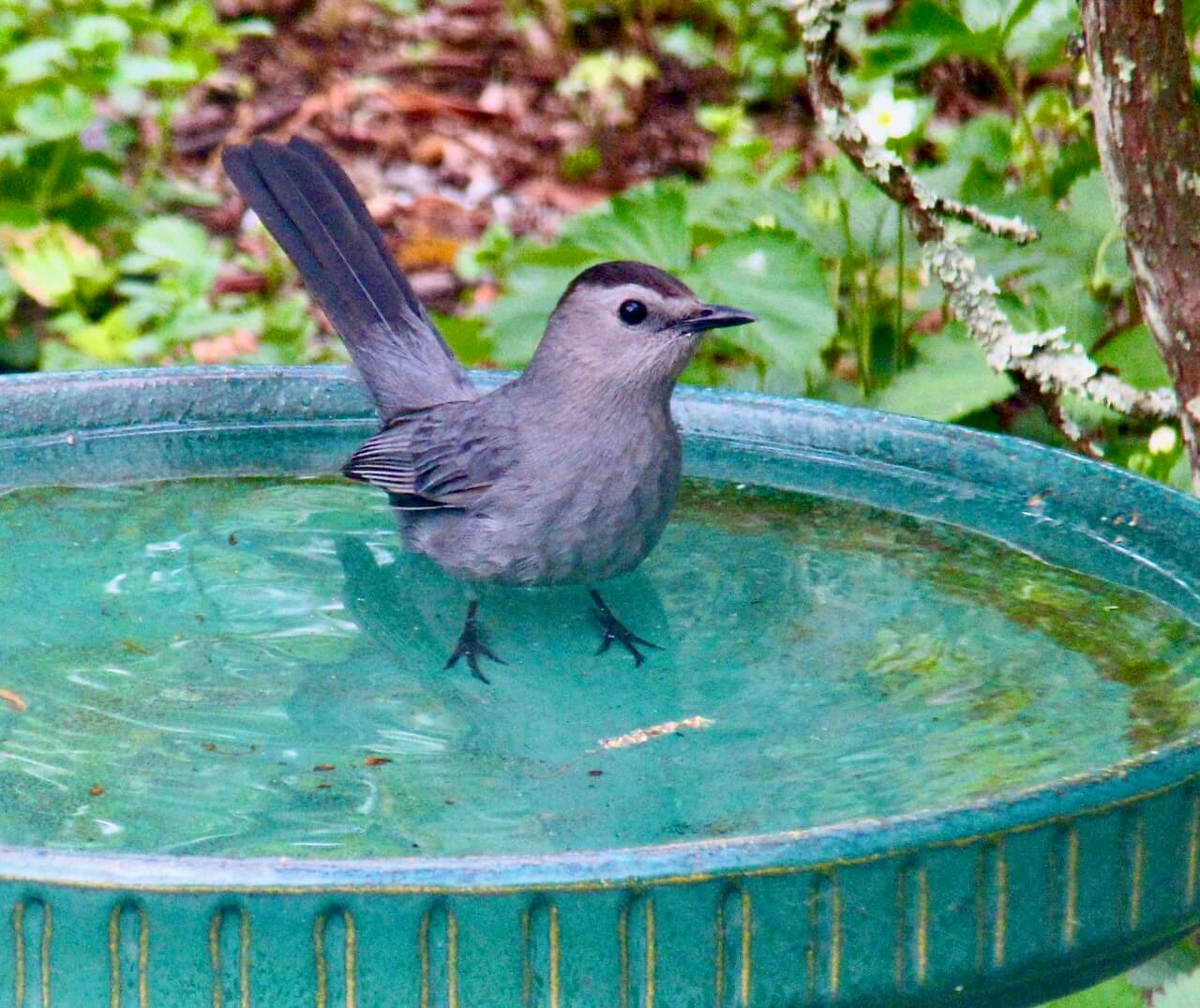
A Juvenile Gray Catbird enjoys a bath.
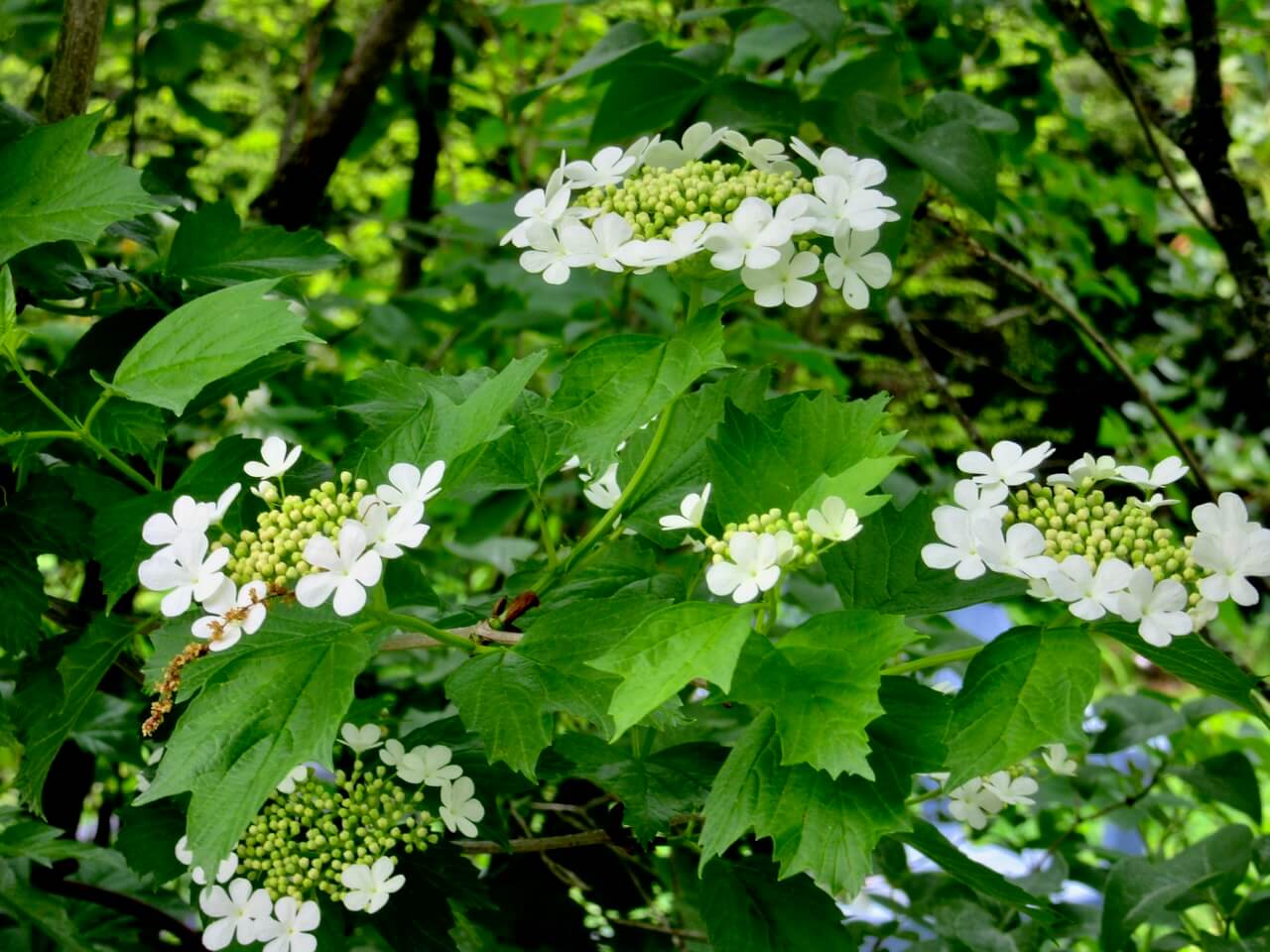
American Cranberrybush Viburnum

Boomerang Lilac
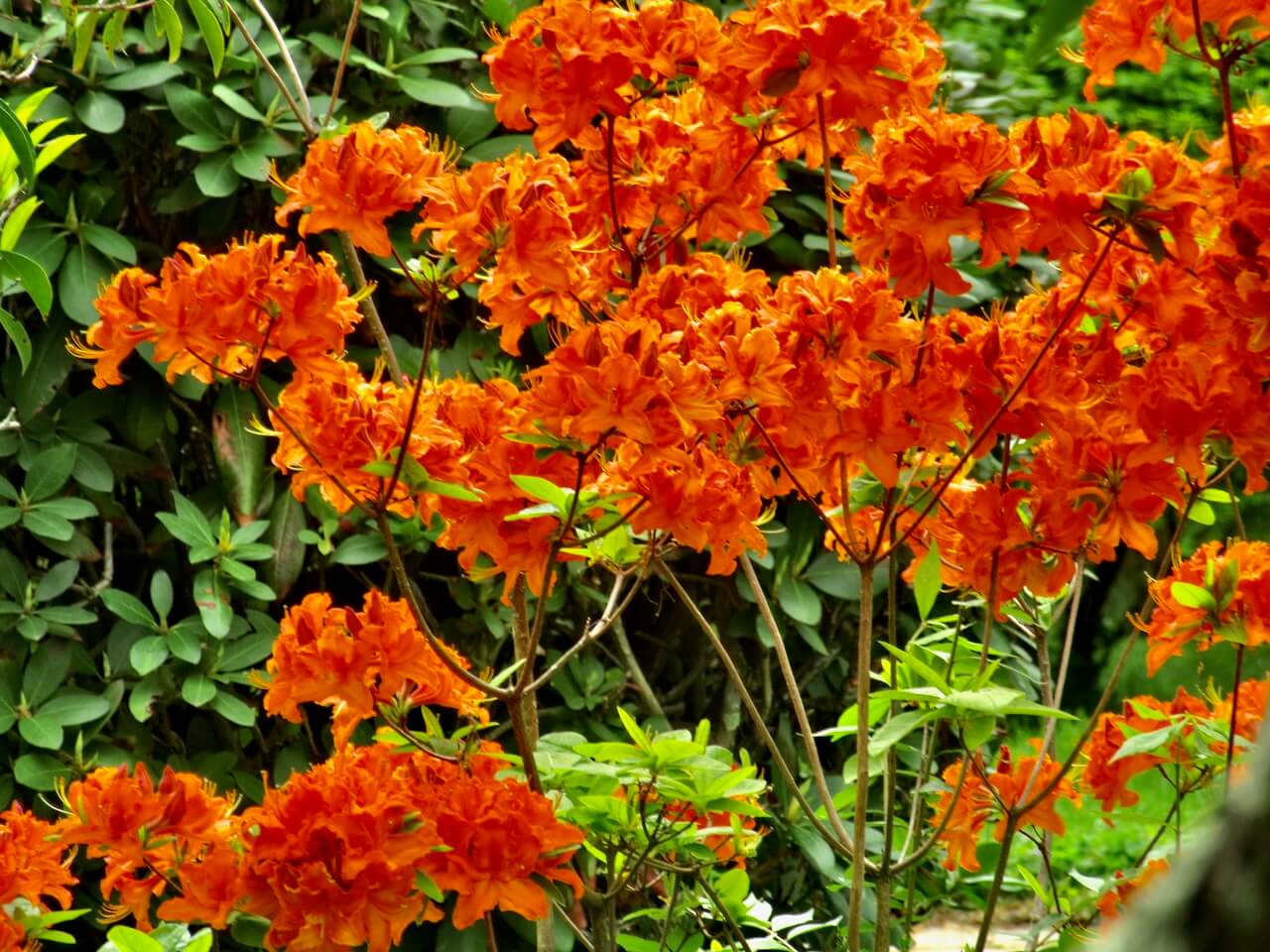
Flame Azalea
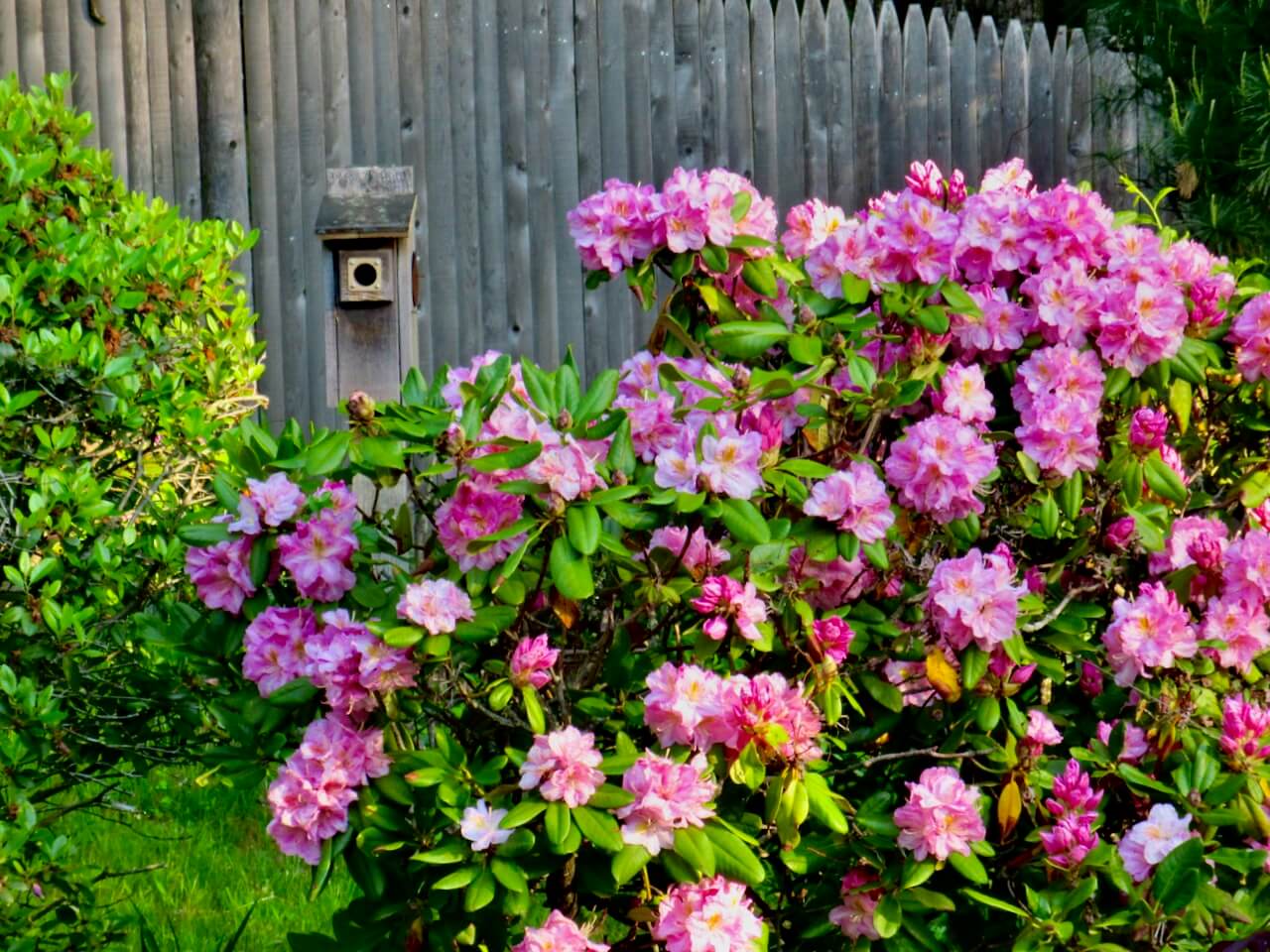
Pink Rhododendron

The Eastern Bluebird builds a home.
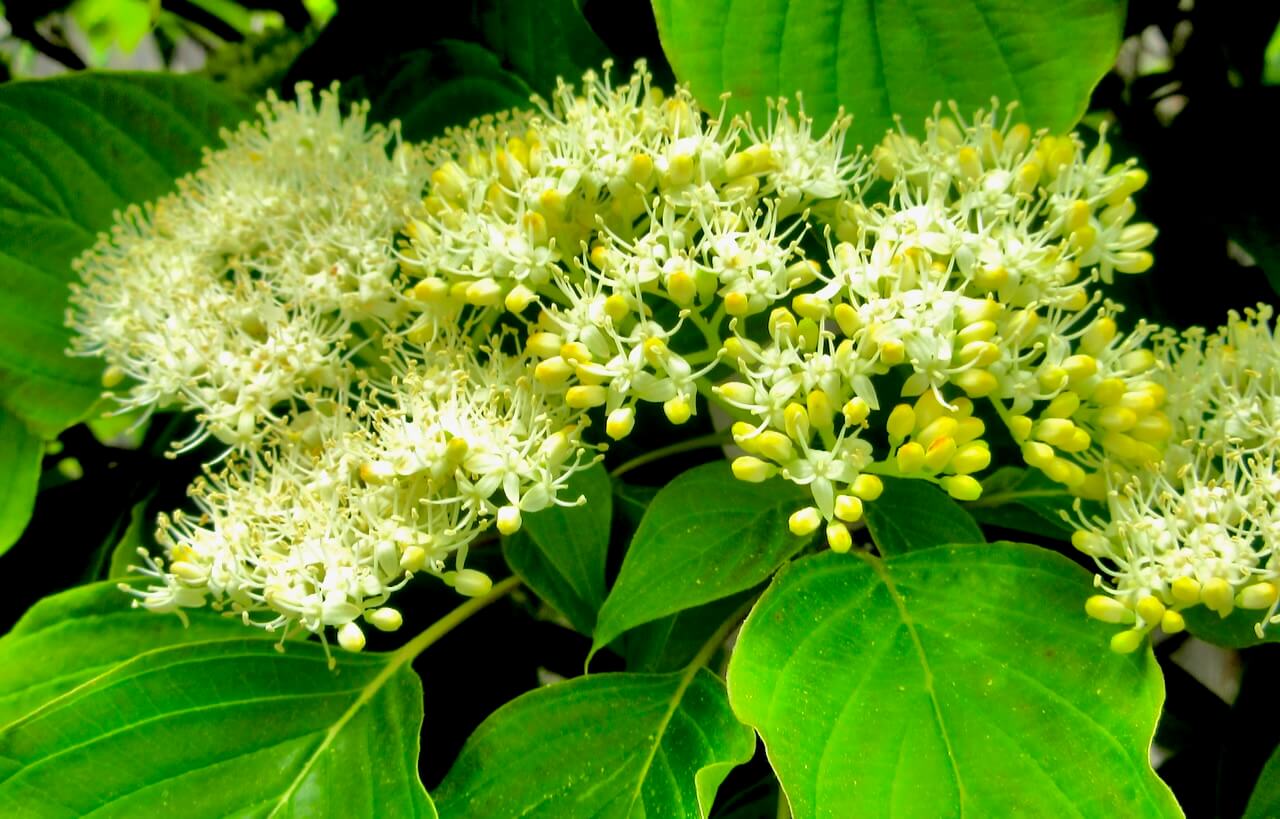
Pagoda Dogwood

A juvenile Eastern Cottontail Rabbit hides among Solomon’s Seal and Robin Runaway.
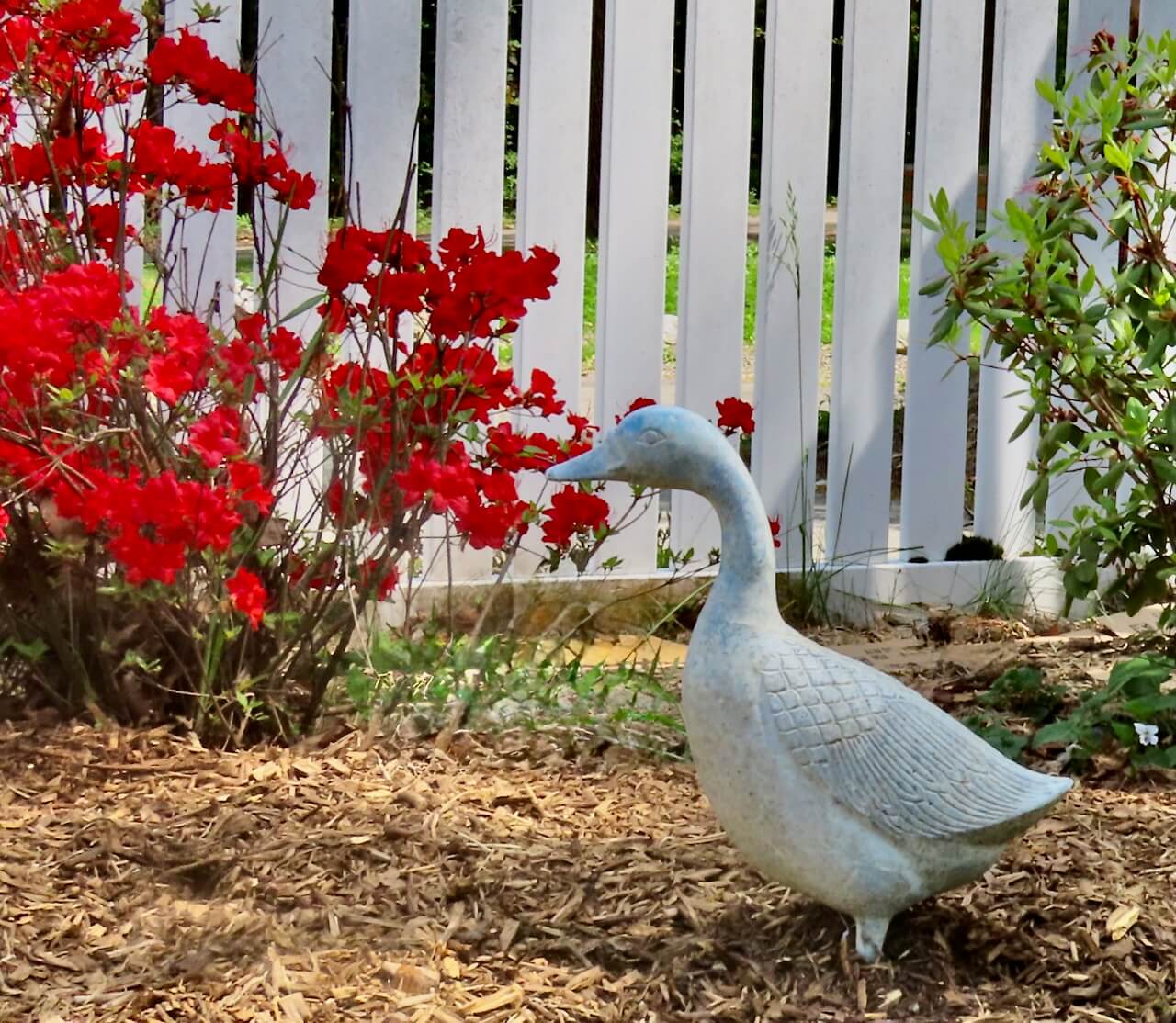
Our perpetual goose visits the Red Azalea.
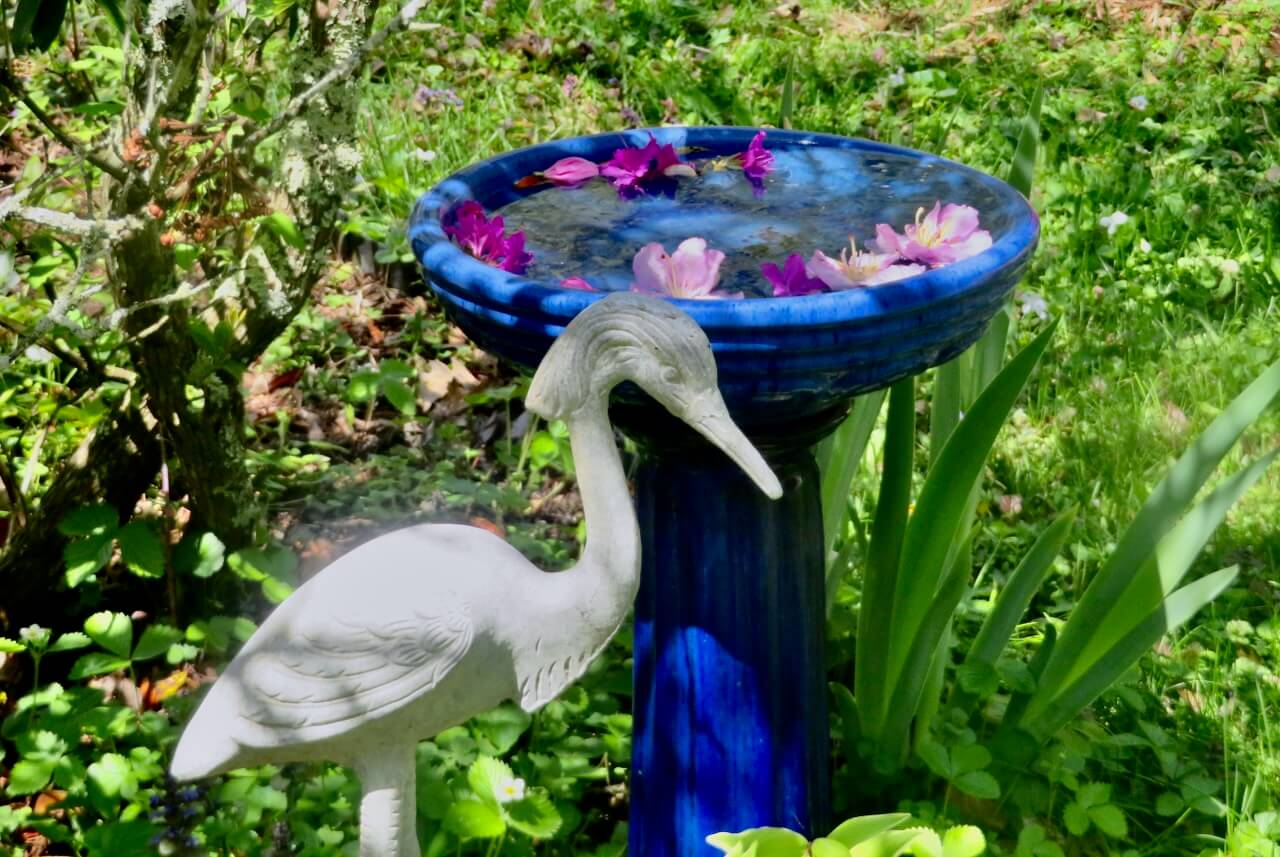
Even this particular heron came back to admire the rhododendron blossoms.
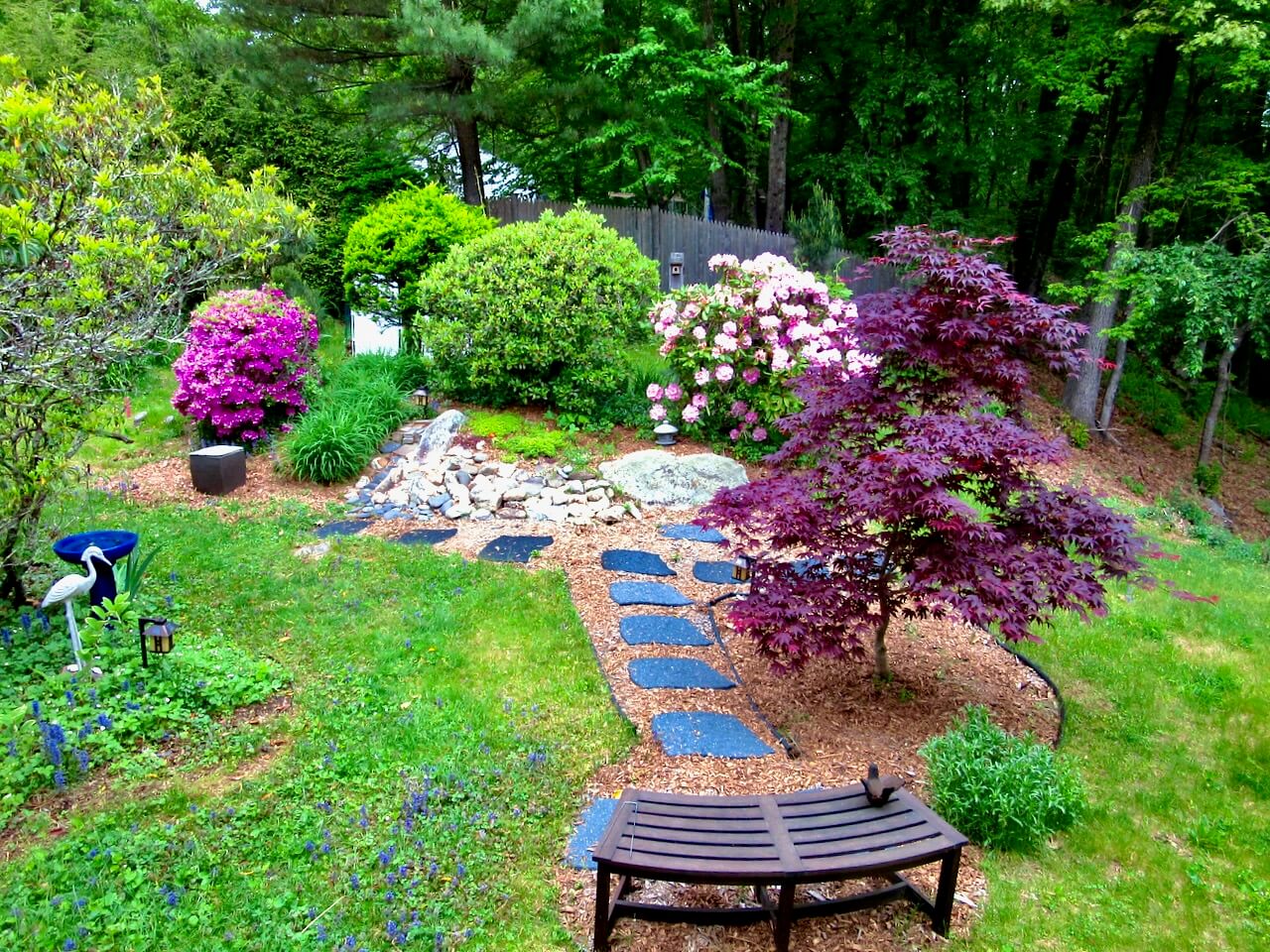
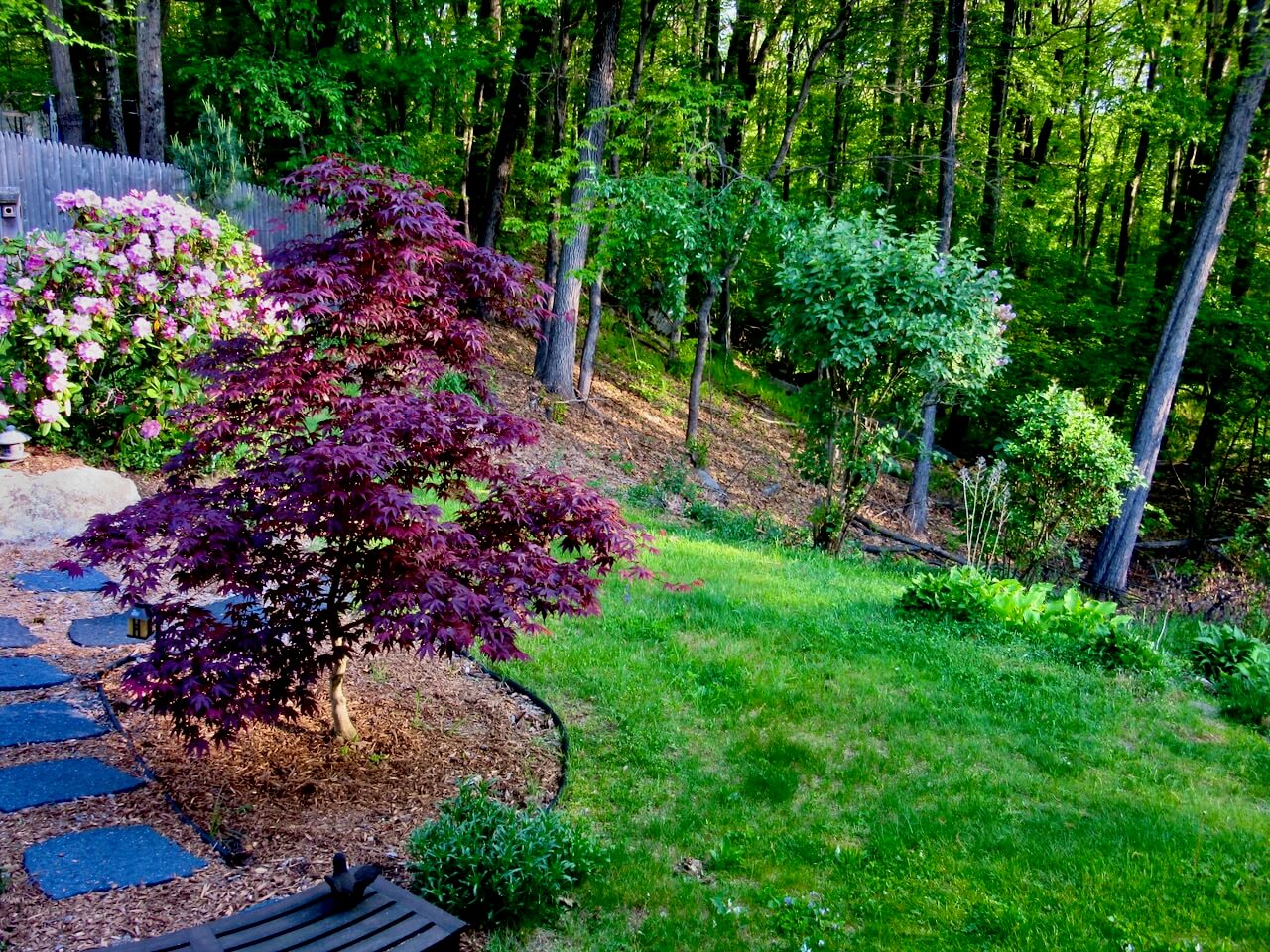
It overlooks the woods, which is filled with many types of wildlife.

The Baldwin apple tree in my yard is teeming with blossoms this week. This classic heirloom apple was discovered around 1740 in Massachusetts. It became the most popular and commercially successful variety in New England right up until 1934, when a deep freeze killed millions of the trees, nearly wiping out the variety.
Baldwin blossoms are part of the rose family, and the petals are edible. They are noted for being highly fragrant and sweeter tasting than modern apple varieties. They can be used as a garnish for salads or desserts, in herbal teas, infused in liqueur or even made into apple bossom jelly.

Holden, MA


The word pansies comes from the French word pensées, which means “thoughts”. For centuries, pansies have been given as symbols of remembrance, contemplation and love.


There are about 400 varieties of pansies. They are popular due to their hardiness and adaptability.

In Victorian times sending pansies as a gift meant “I’m thinking of you”. Coded messages of feelings or intentions toward another person were sent via the color of a particular flower.


Orange often meant energy and enthusiasm.

White most often symbolized purity.

Cheerfulness and happiness was symbolized by yellow; red could stand for thoughts of love.

Wishing you many colorful thoughts this spring!

A “raft” of ducks is a collective noun for a group of ducks who gather together as they float on the water. A “paddling” of ducks describes how a group moves across lakes, ponds or rivers with synchronized , graceful movements. I look forward to the March arrival of hooded mergansers at Wachusett Meadow Wildlife Center soon, whether they are rafting or paddling.

This raft of hooded mergansers are diving ducks that have a serrated bill designed for catching fish. Along with other mergansers, they are the only North American ducks specializing in eating fish. They are excellent divers, and can go as deep as thirty feet.

The male hooded merganser looks like this when relaxing…

or can raise and lower a large fan-like crest or “hood” on his head like this. The crest is raised during courting or when then duck feels threatened.

Two male Mergansers with crests down…


The crest is sometimes described as a “punk rock hairstyle”.

Male mergansers have intense, bright yellow eyes while the females’ are brown or reddish-brown. Their eyes are specially adapted to allow them to see clearly while fishing underwater.

It can be difficult to photograph hooded mergansers, as they are shy and paddle fast. They are sensitive to sound and movement, and move away quickly when approached. I’ll be waiting -quietly -to photograph whatever fleeting moments are possible.


Rock specimens from around the globe on display at the Beneski Museum show how rocks from millions of years ago are used in contemporary art and home design.

Agate, which is a type of quartz, forms over millions of years inside cavities in volcanic or ancient lava rocks. Because of their natural beauty agate slices and patterns are frequently used in wall murals, canvas art prints, jewelry and even kitchen counter tops.

Andalusite Hornfels is a metamorphic rock which includes crystal within it. It is around 400 million years old. These crystals can resemble seeds, pods, or stems, giving the rock a deceptive organic look. Because of its toughness and attractive appearance, it is frequently used in architecture for interior flooring and curbing, and also in modern art installations.

Sutured Ammonites were prehistoric marine animals that went extinct approximately 65 million years ago. This fossil exhibits natural “fractal-like” patterns, which are the wavy lines (sutures) formed where the internal chamber walls (septa) met the outer shell. These intricate, often leaf-like or feathered designs, are highly valued in both fine art and personal crafts.

This fossil plate contains several crinoids, prehistoric marine animals commonly known as “sea lilies” from about 345-350 million years ago. While they strongly resemble plants, crinoids are actually related to starfish and sea urchins. These limestone or shale slabs are popular as interior decor, in specialized jewelry, and as inspiration for acrylic painting.

This item is an Ammonite, which is a fossilized shell of an extinct marine mollusk that lived millions of years ago. The fossils are often used in jewelry, textile or surface designs and home decor.

A pair of Eastern Bluebirds brightened up my snowy yard on a gray morning. The specially designed bluebird house installed for them has an opening of exactly 1.5 inches in diameter to ensure that larger birds cannot nest there. Although bluebirds often visit, and occasionally start to build a nest, they never stay through the whole season. After territorial skirmishes sparrows win out. Fingers crossed for this spring!
Holden, MA


It won’t be long until the great blue herons return to the Wachusett Meadow in March.

Herons are important for the environment as they act as “indicator species”. Scientists monitor heron populations to detect environmental contamination, such as toxins in the water or mercury levels in eggs, which reflects the health of the entire ecosystem.

Although they are named “great blue”, herons can look grey or brown depending on the light conditions.

This great blue heron does look blue. Herons appear bluest in low light, fog, or shadows, which reflect cooler, blue tones.


This heron is taking advantage of the All-Persons Observation Deck.

Herons are known for their exceptional camouflage, often appearing nearly invisible when perched among dead branches, or debris.

This heron can see well from high up in the tree. Its eyesight is estimated to be about three times more detailed than a human’s. From this high perch, a heron can spot small movements below.

Great Blue Herons are expert fishers, but they will eat almost anything they can catch and swallow. In a meadow, herons hunt for small mammals, which can make up a large portion of its diet, especially in winter when waterways freeze .

The Great Blue Heron is widely considered one of the most prehistoric-looking birds alive today. While all birds are living descendants of dinosaurs, herons appear more like dinosaurs because of their large size, sharp angles and guttural sounds.


They can form their necks into an S-shaped curve which acts like a coiled, spring-loaded mechanism. This allows them to catch prey in the water with high speed and precision.


In addition to the world’s largest collection of dinosaur footprints, the Beneski Museum features skeletons and casts of dinosaurs and primitive animals.

A Dryosaurus altus skeleton watches at the window of the Beneski Museum at Amherst College. It is the most complete and best-preserved of that species in existence today. This small, fast running herbivore lived during the Late Jurassic period, approximately 150 to 145 million years ago. When it arrived at the museum the students joked that there is a new vegan in town.

Watch out for that Triceratops!


A fossil cast of the head and thoracic armor of a Dunkleosteus, a large armored fish. It is around 300 million years ago, and likely grew up to 33 feet in length.

A fossil skeleton of a Smilodon, or saber toothed cat.


The Main Hall at the Museum features three major Ice Age Skeletons: the Columbian Mammoth at the right; the American Mastodon at the left; and the Irish Elk at center.

Mammoth Tusks

The museum’s prehistoric mammal collection wall display features nine different fossil mammal mounts collected during Amherst College expeditions to the American West in the early 20th century.

Don’t forget the bird action at ground level.


America Tree Sparrow With Red Squirrel


Juvenile Blue Jay

Dark-eyed Junco

American Goldfinch

Red-winged Blackbird

Grackle

White-throated Sparrows

Diverse and energetic birds welcome visitors to Wachusett Meadow Wildlife Sanctuary. Feeders are placed just steps from the parking lot, allowing everyone to experience nature up close, no matter their mobility level.
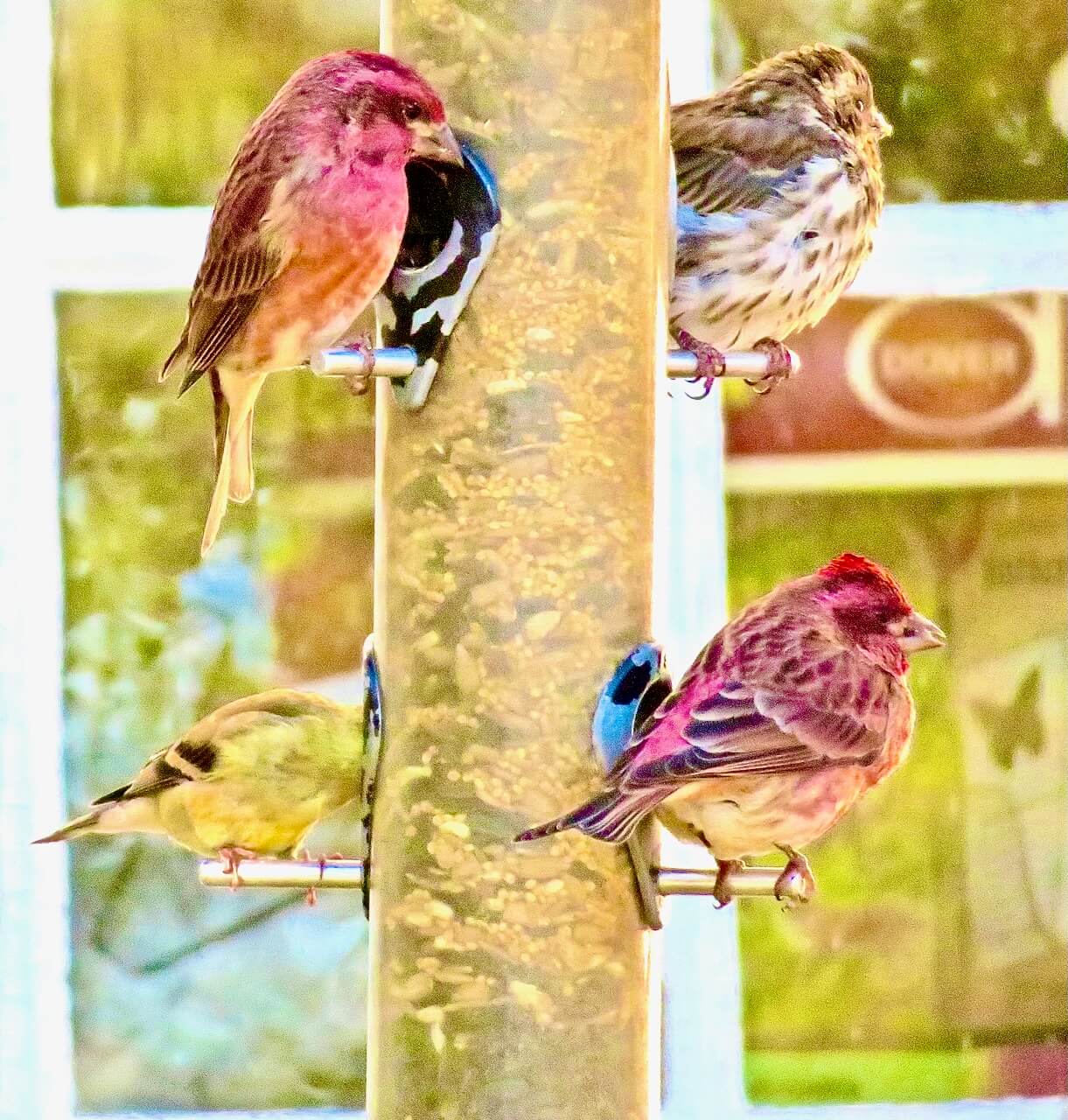
Purple Finches and a Goldfinch
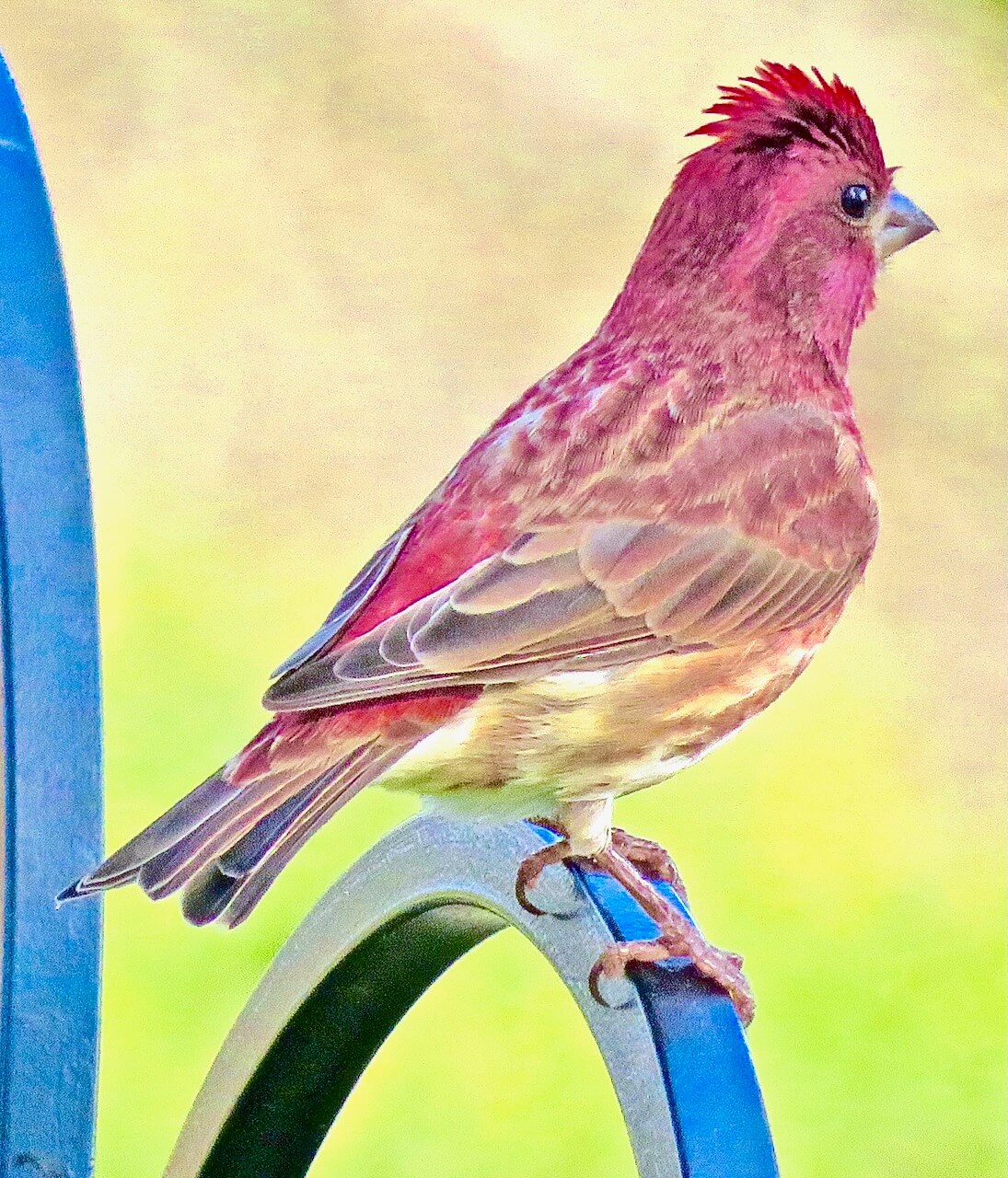
Male Purple Finch
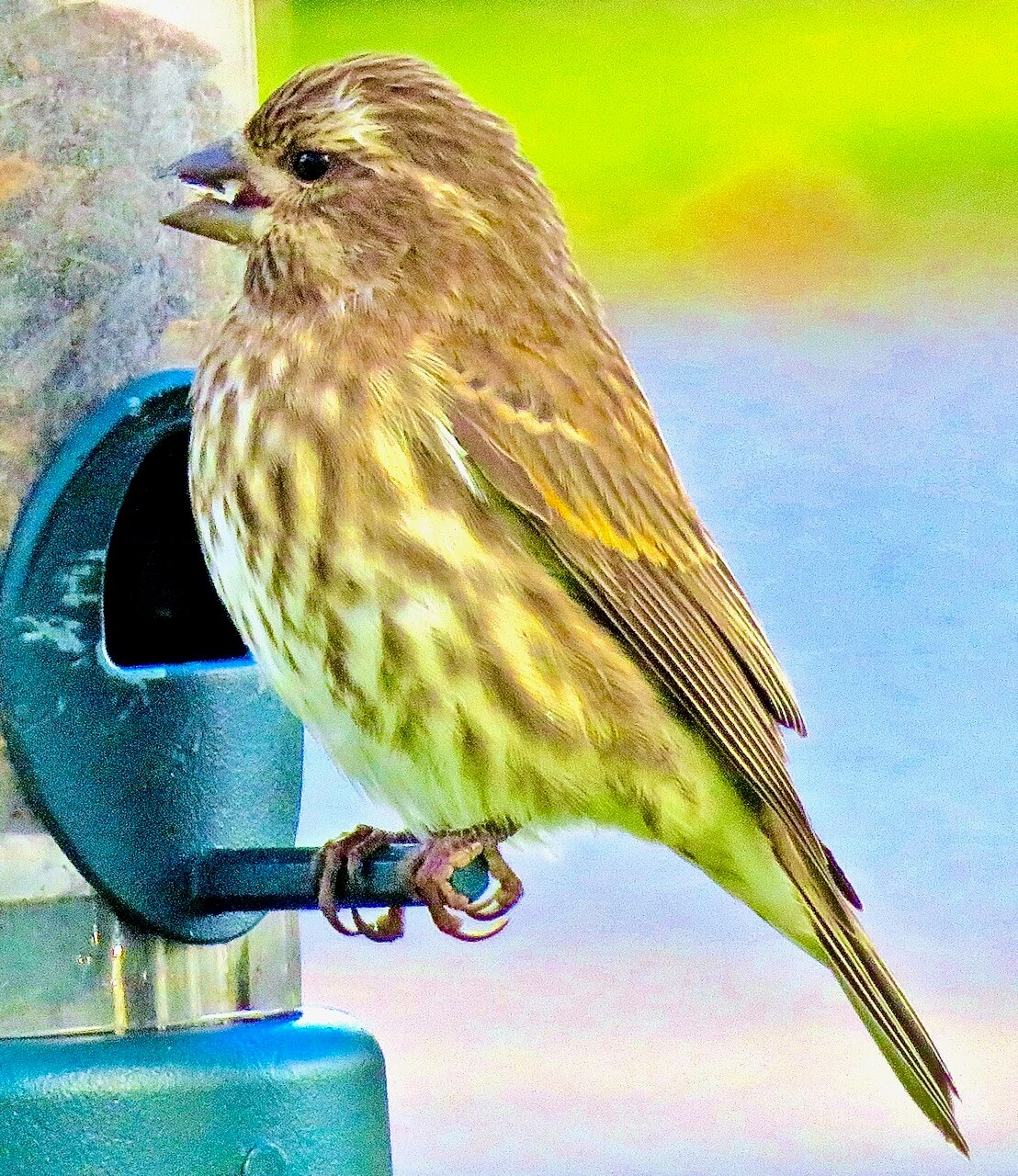
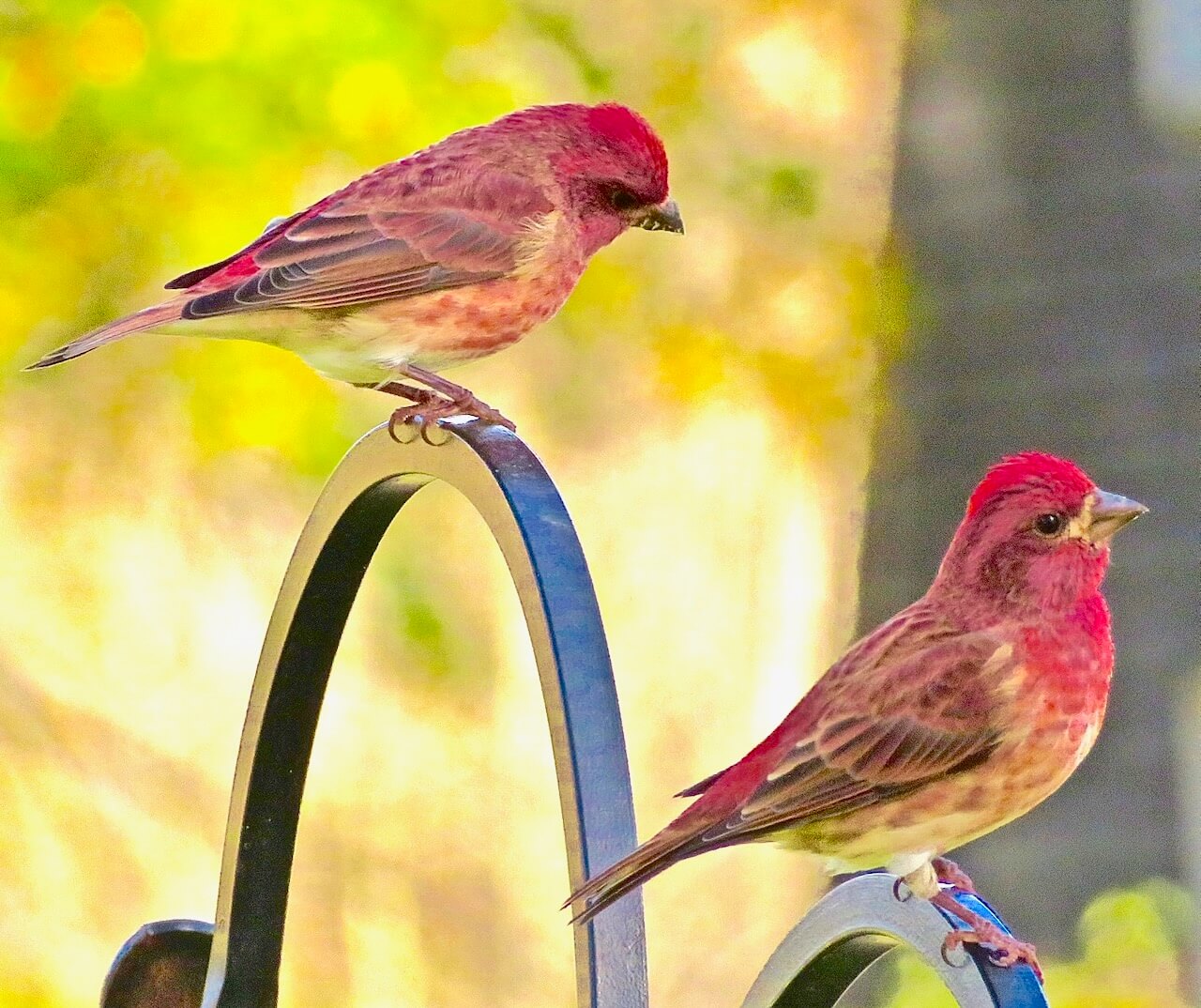
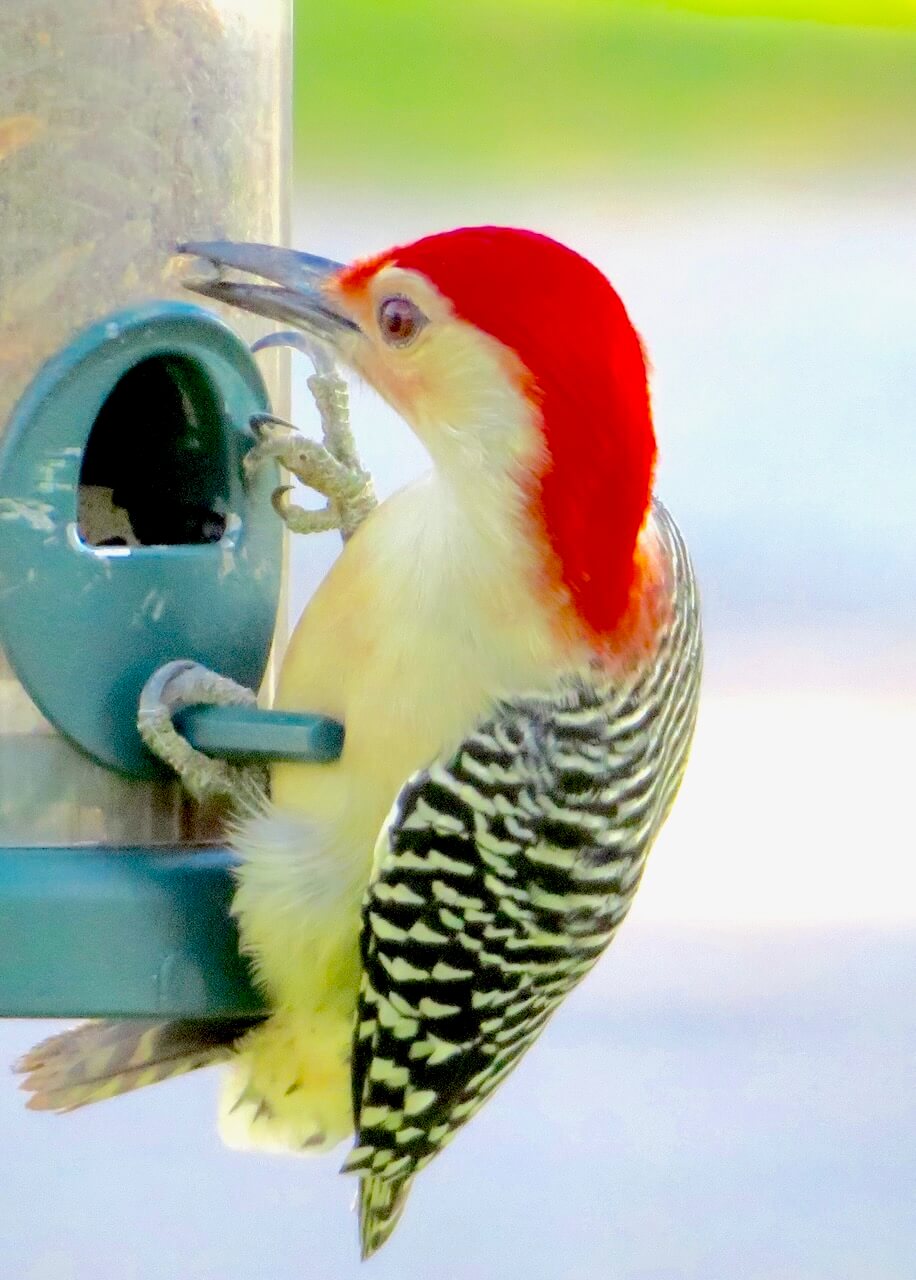
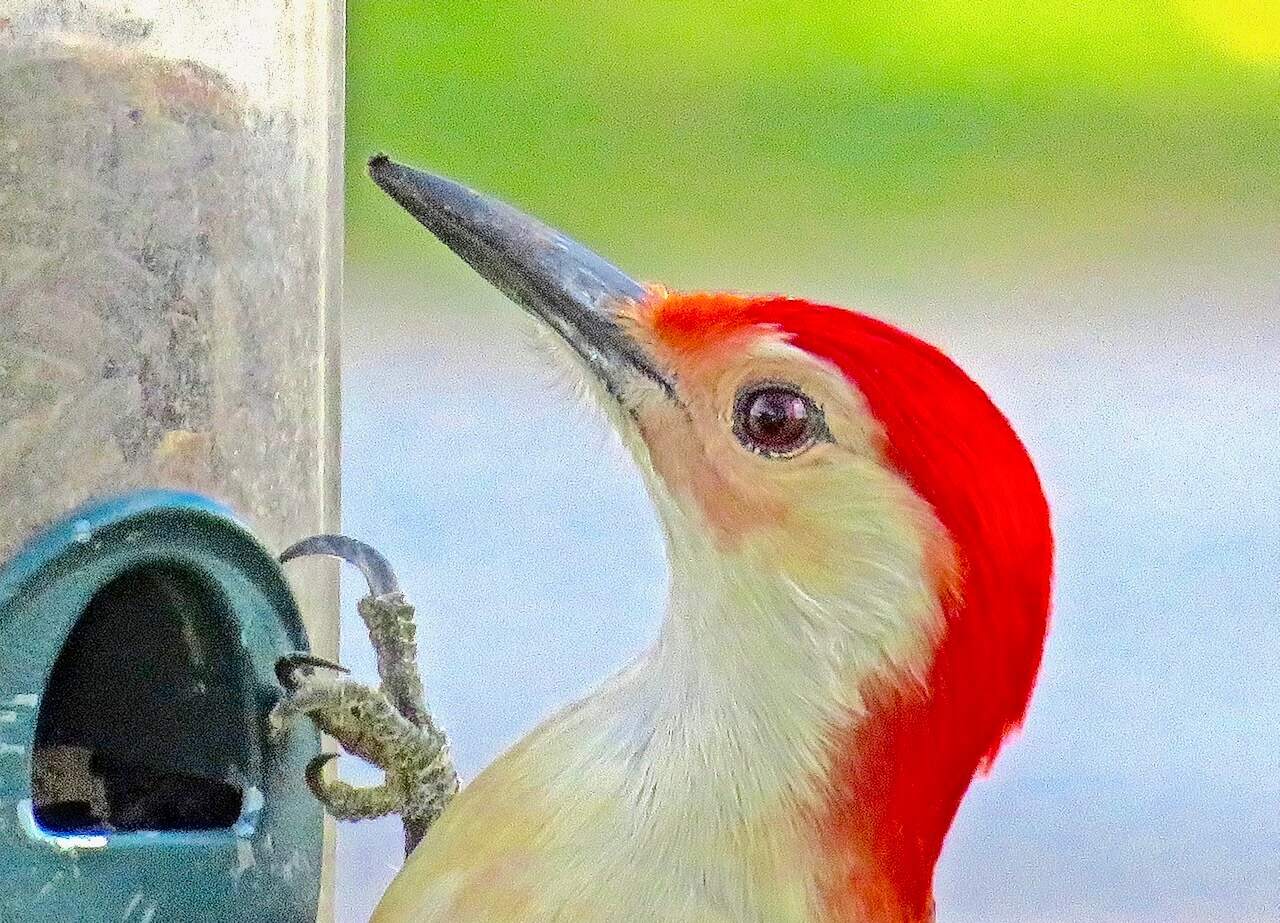
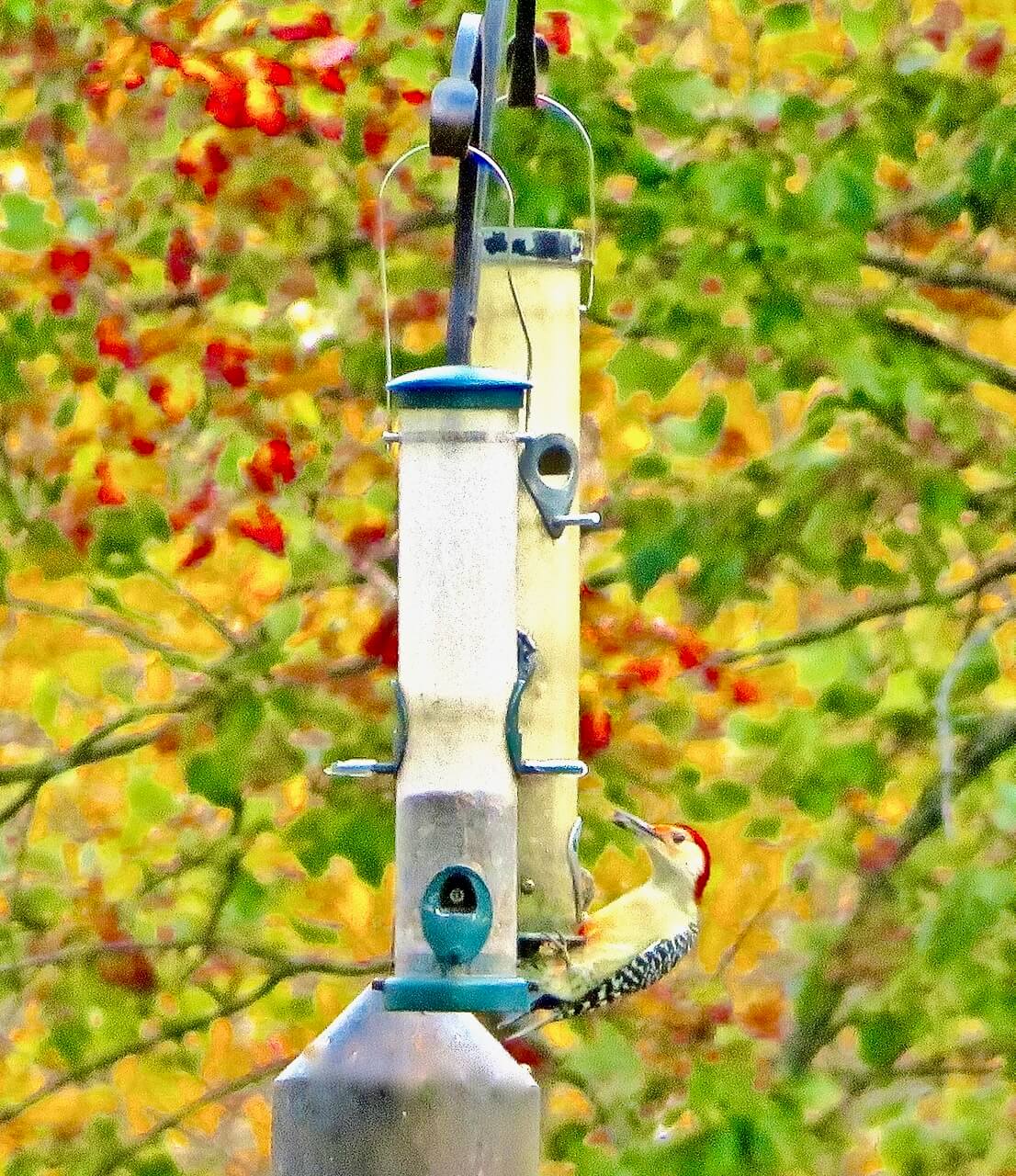
Red-bellied Woodpecker
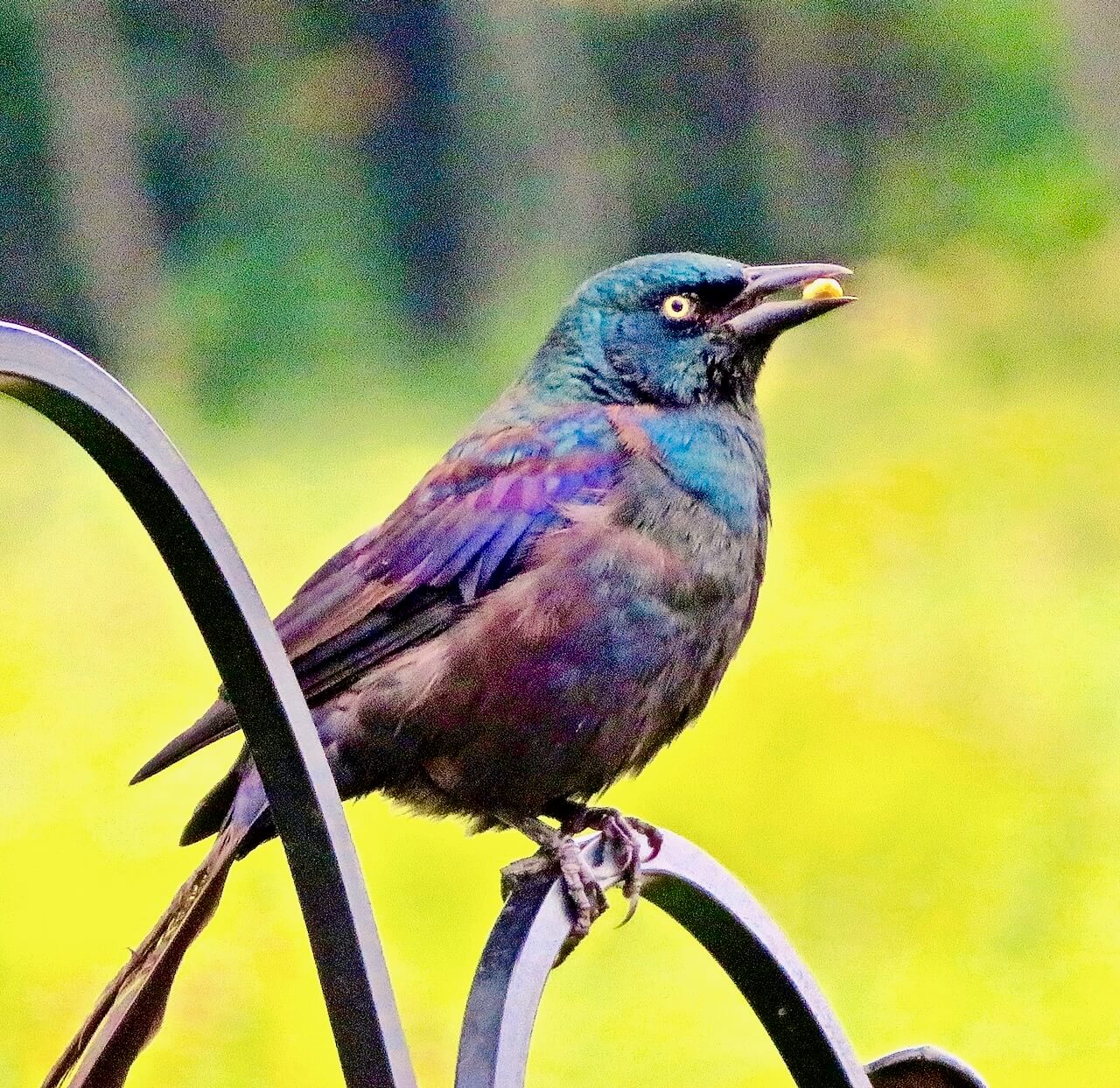
Grackle
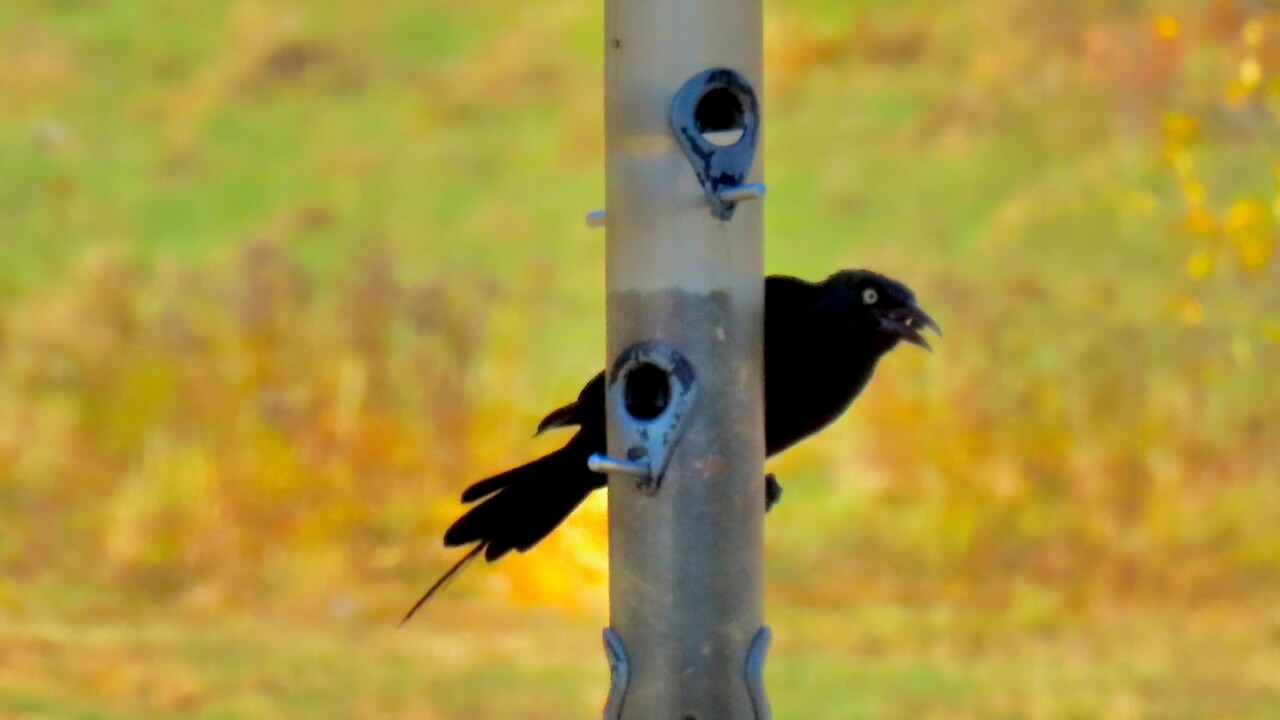


Evening Grosbeak

Northern Cardinal


Birds at Mass Audubon Wachusett Meadow choose good vantage points to survey their surroundings.

Red-tailed Hawk


Northern Cardinal


European Starling


Mourning Dove


White-breasted Nuthatch

Cedar Waxwing

Barred Owl


Yellow-bellied Sapsucker


Delaney Antique Clocks of Townsend, MA has the largest collection of American tall case (grandfather) clocks in the United States. It is considered the leading venue for buying and selling antique clocks in the country.

Although tall case clocks were first developed in England, production of these clocks in America was at its height from around 1750–1820. These clocks could be six to nine feet tall, with an 8-day brass-movement. They were symbols of wealth in American homes.
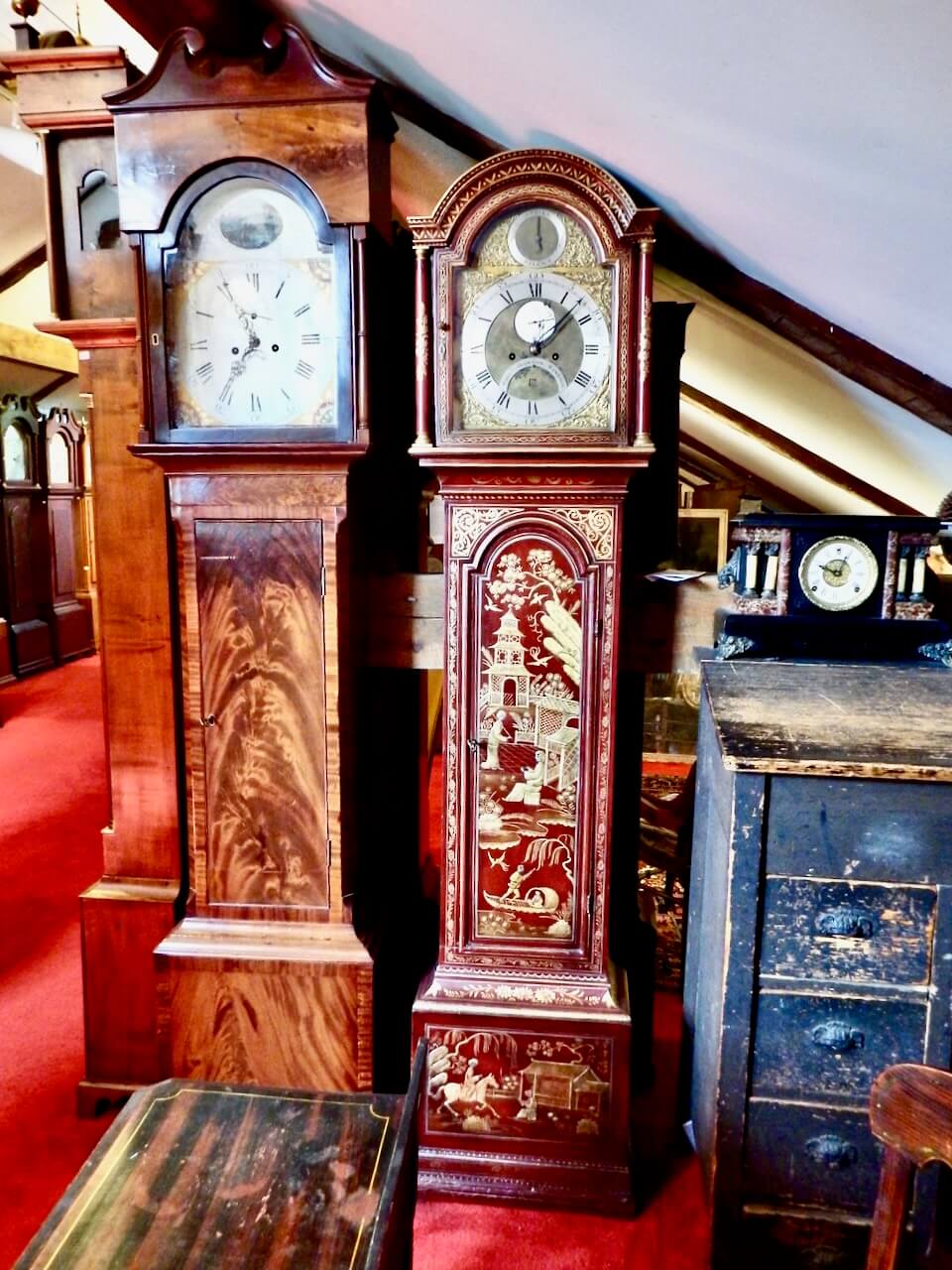
The shop owners, John and Sean Delaney, regularly appear on Antiques Roadshow (PBS) to appraise clocks such as these.
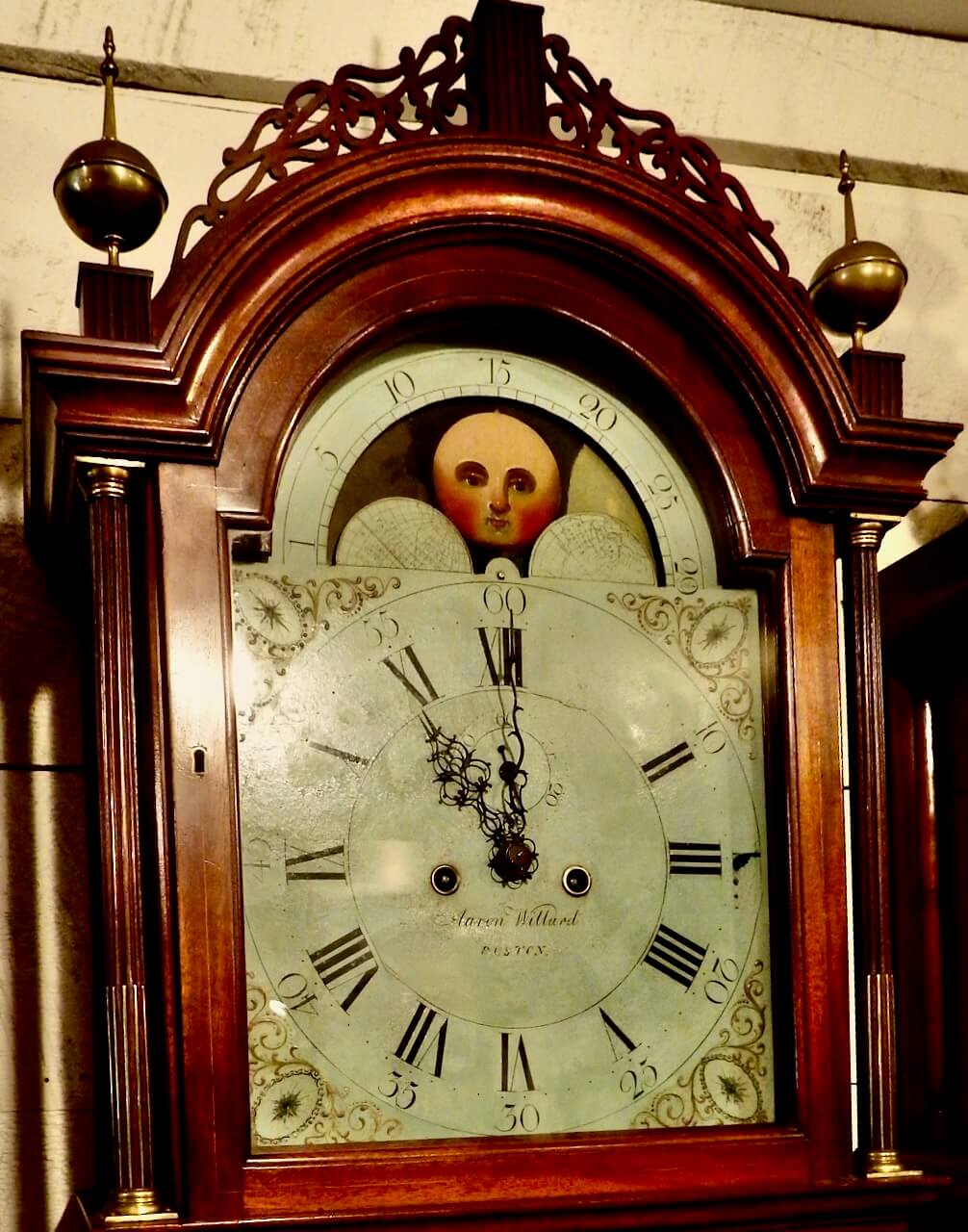
This is an example of a highly sought after Willard Clock. I explored these famous clocks on an earlier blog here.
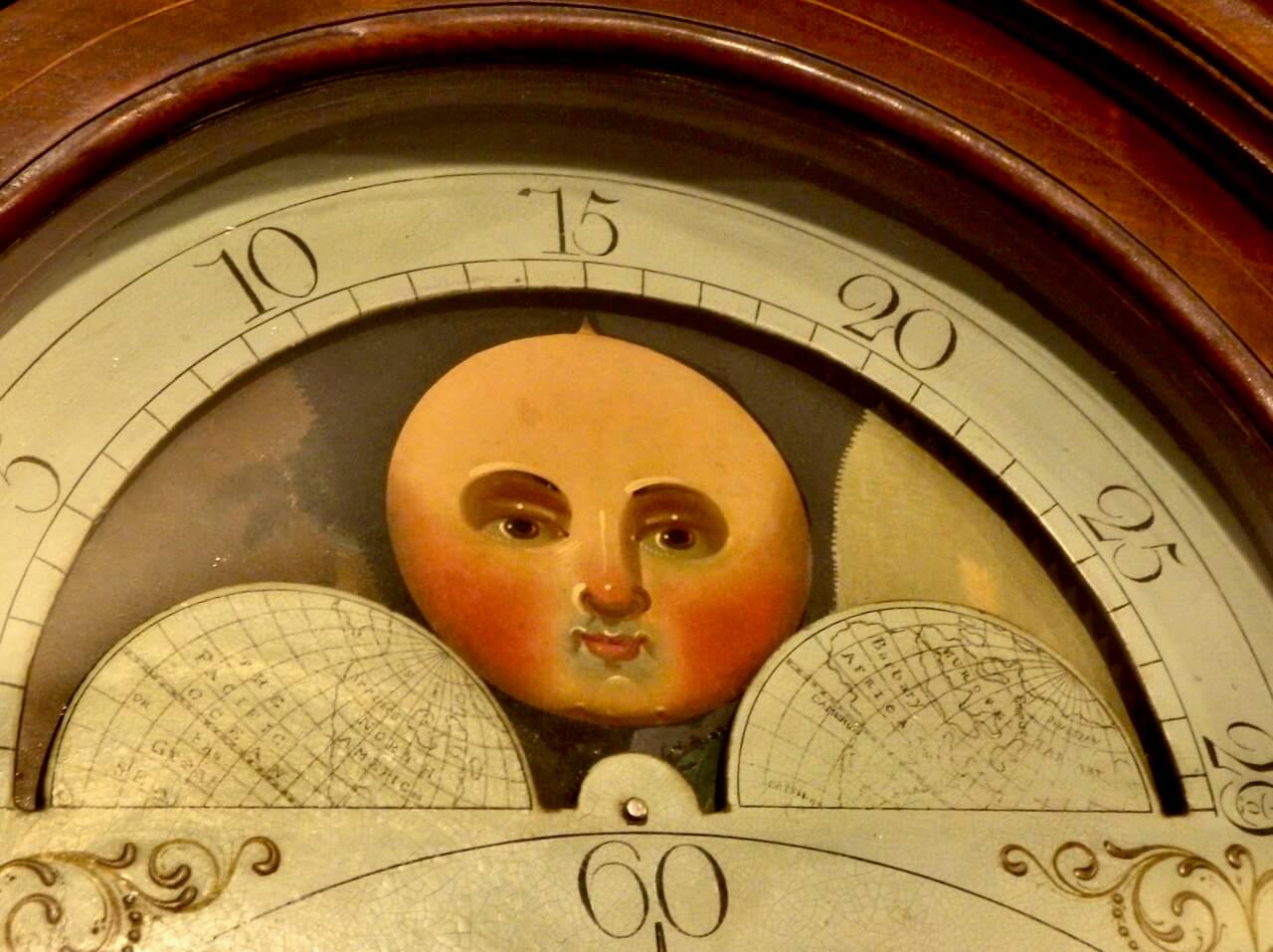
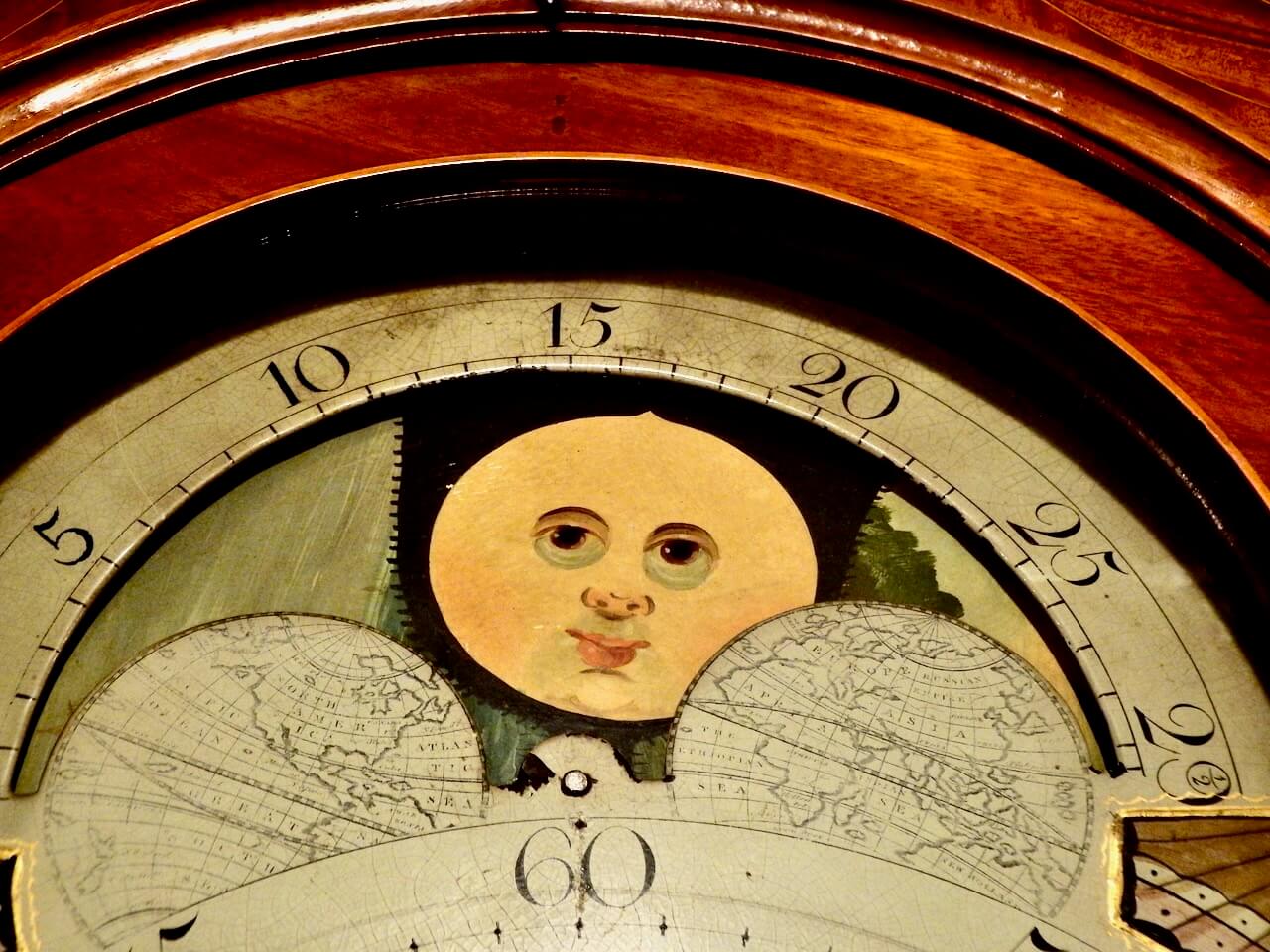

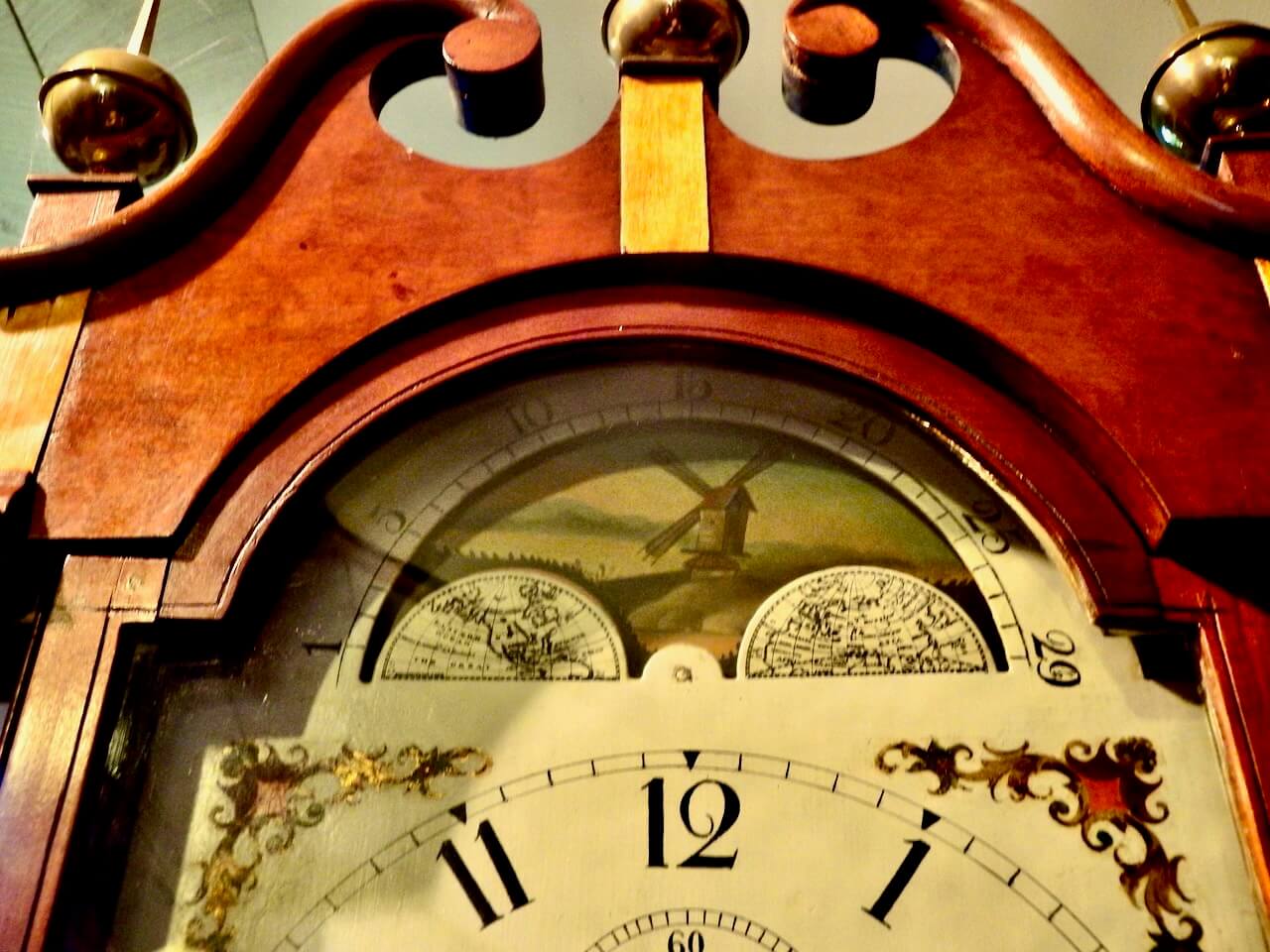
A Windmill symbolized rural prosperity.


The clock shop is located in a small town which is known for its antiques.


and enjoy the possibilities within a garden.


“Shinshin” is a Japanese term for the deep silence of a fresh snowfall, or the “sound of no sound” as soft snow absorbs sound. It evokes a sense of calm and stillness, and is a favored time for photographers and nature enthusiasts.


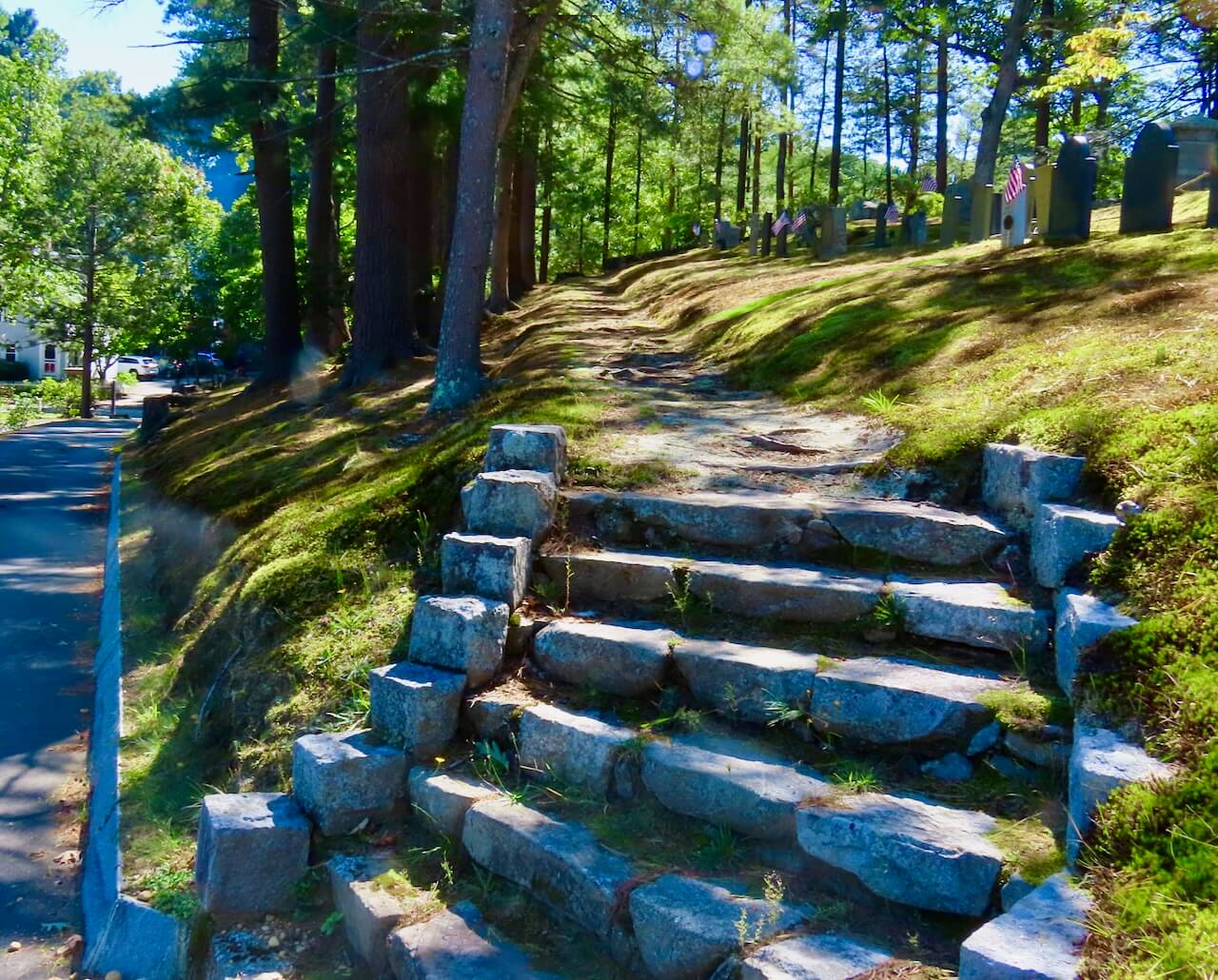
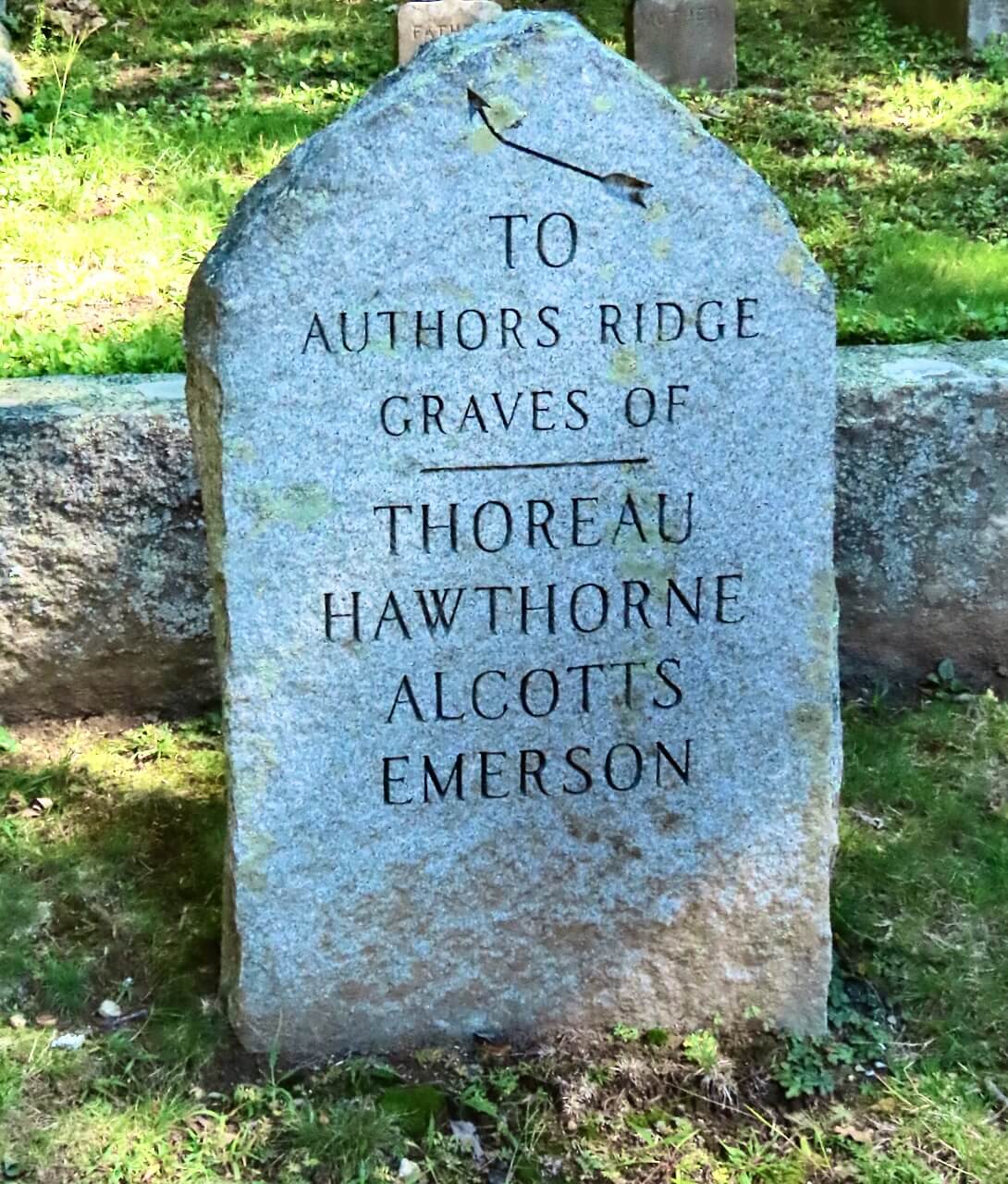
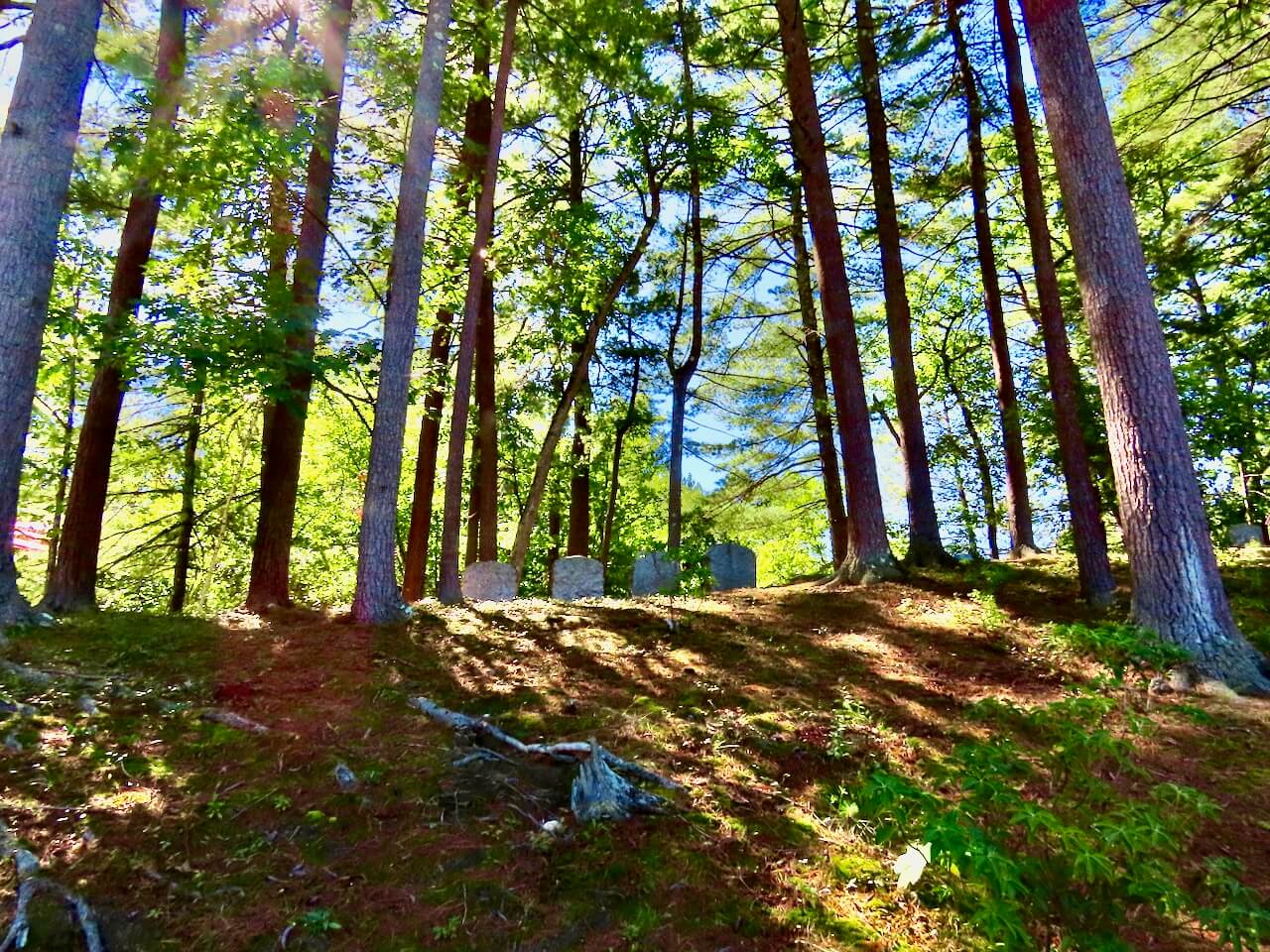
It is a bit of a climb to the top of the Ridge.

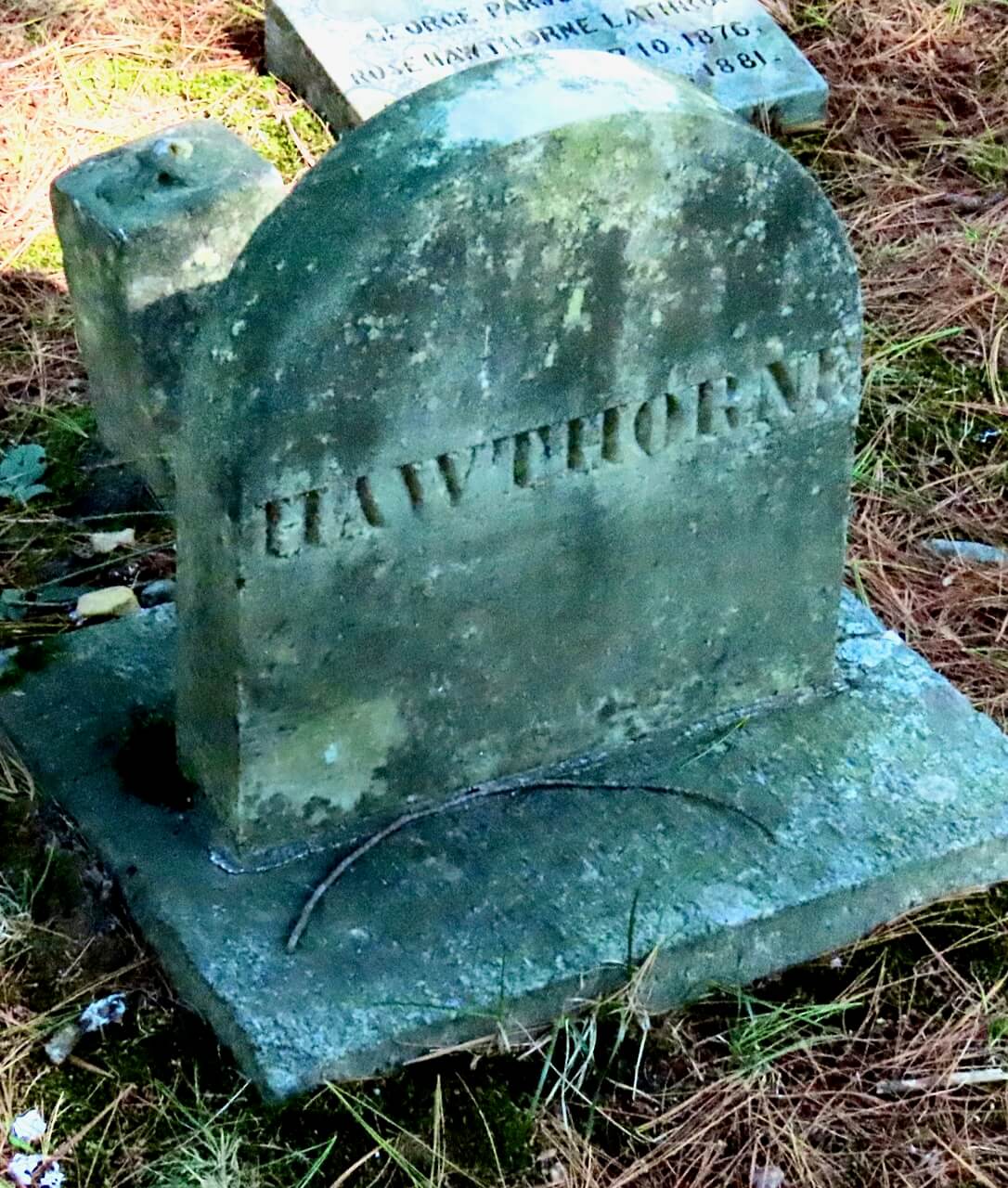
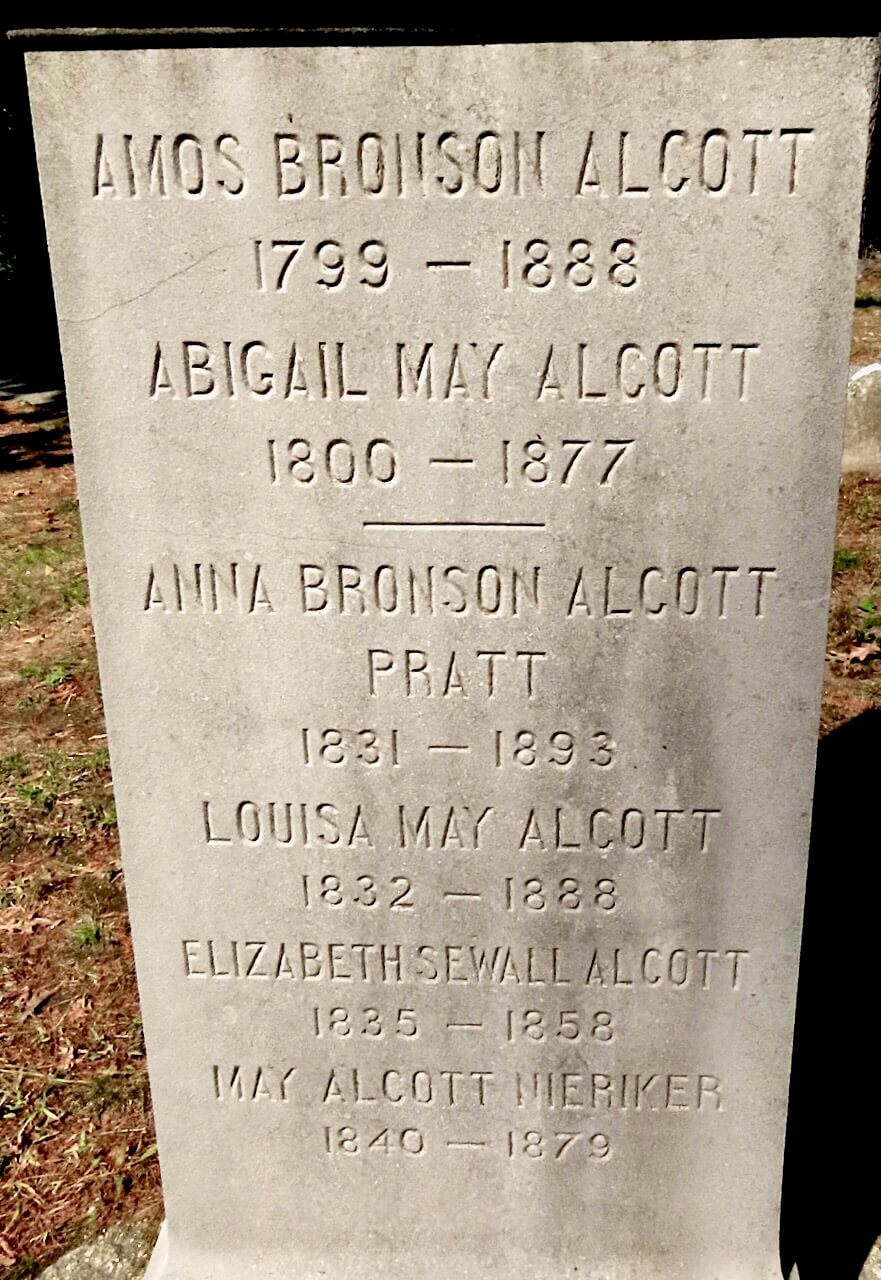
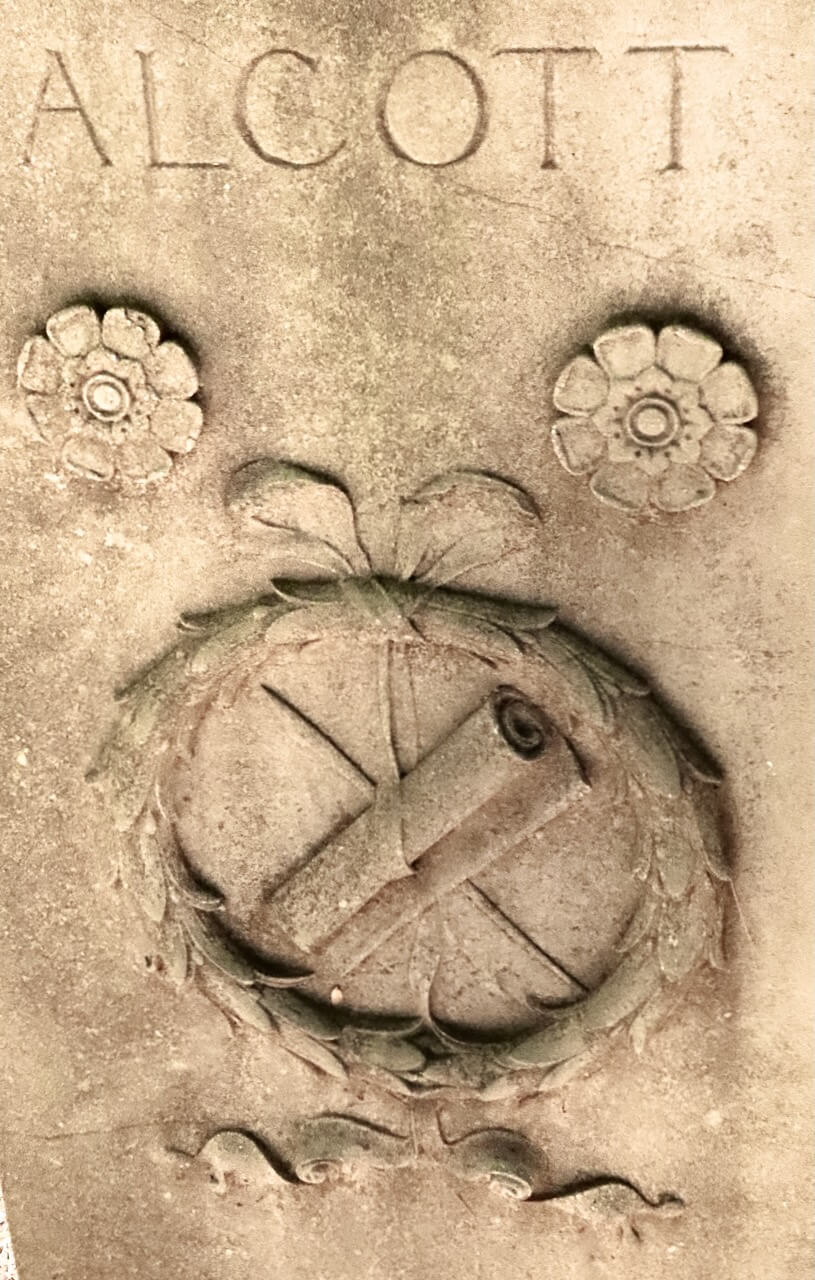
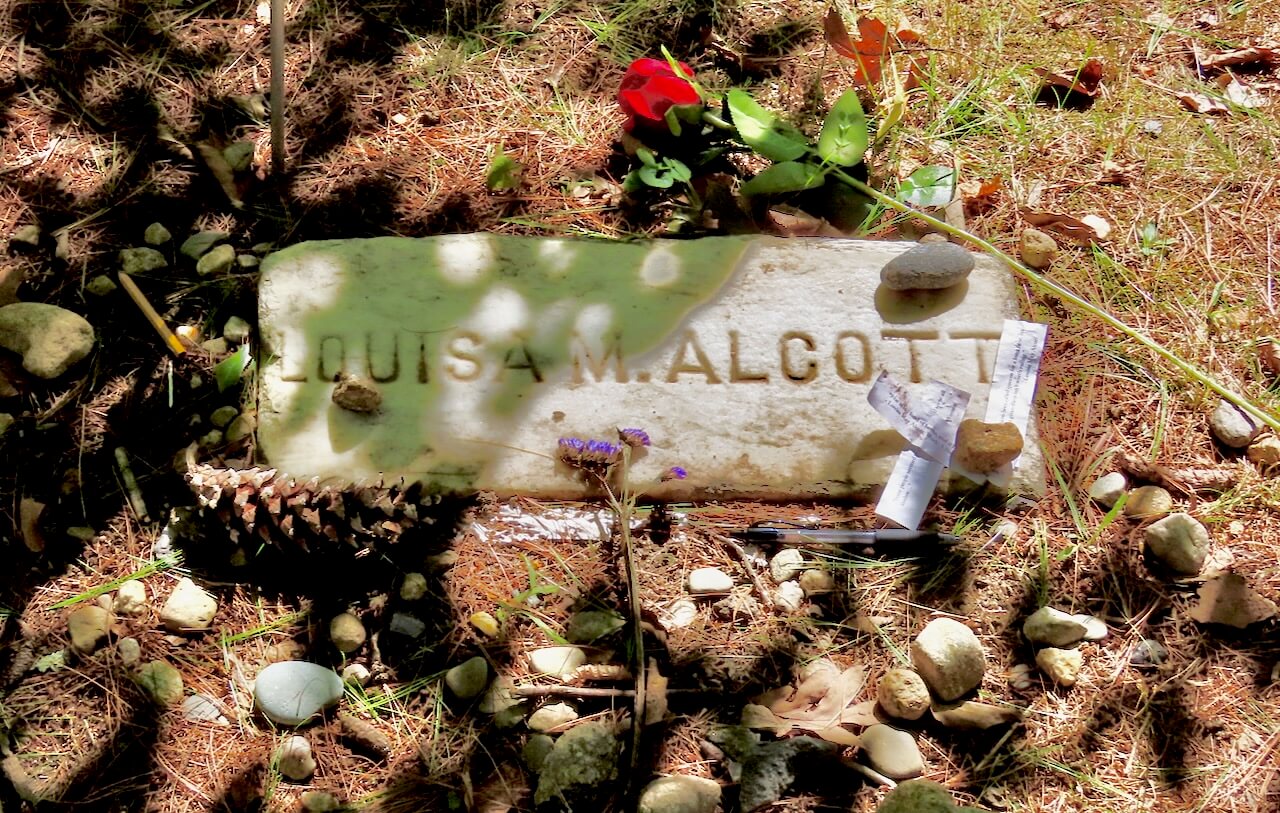

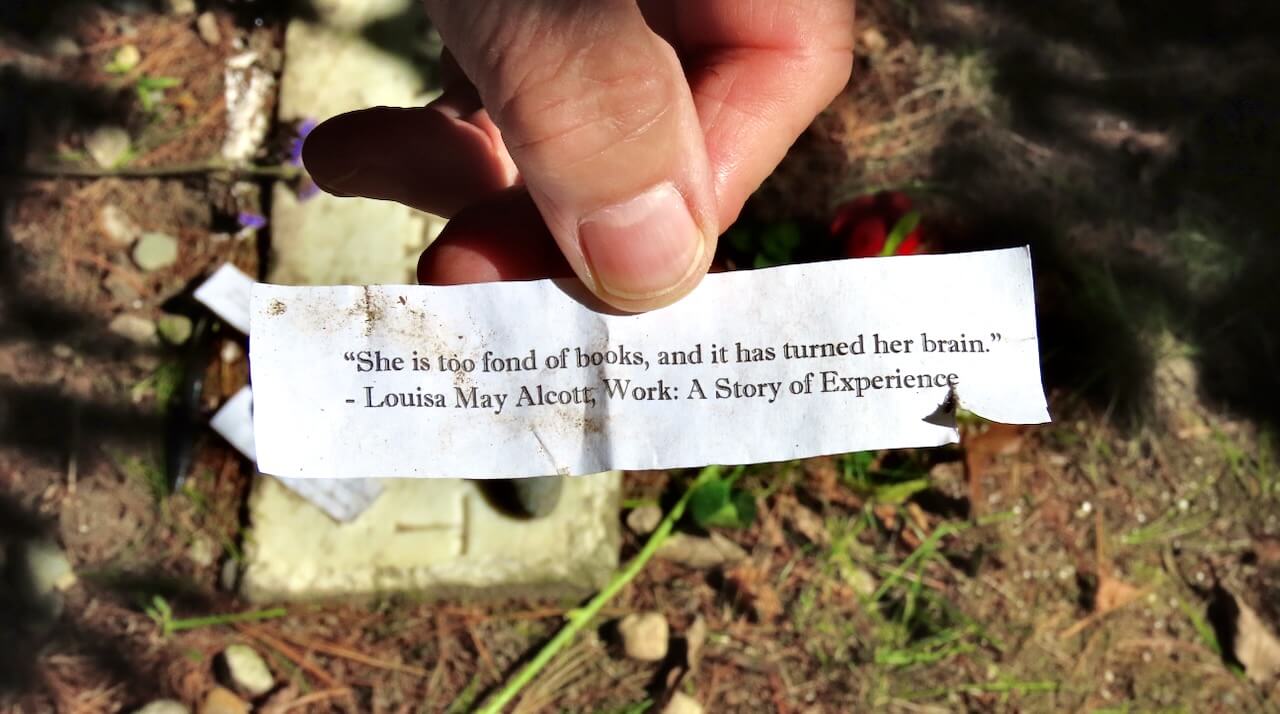

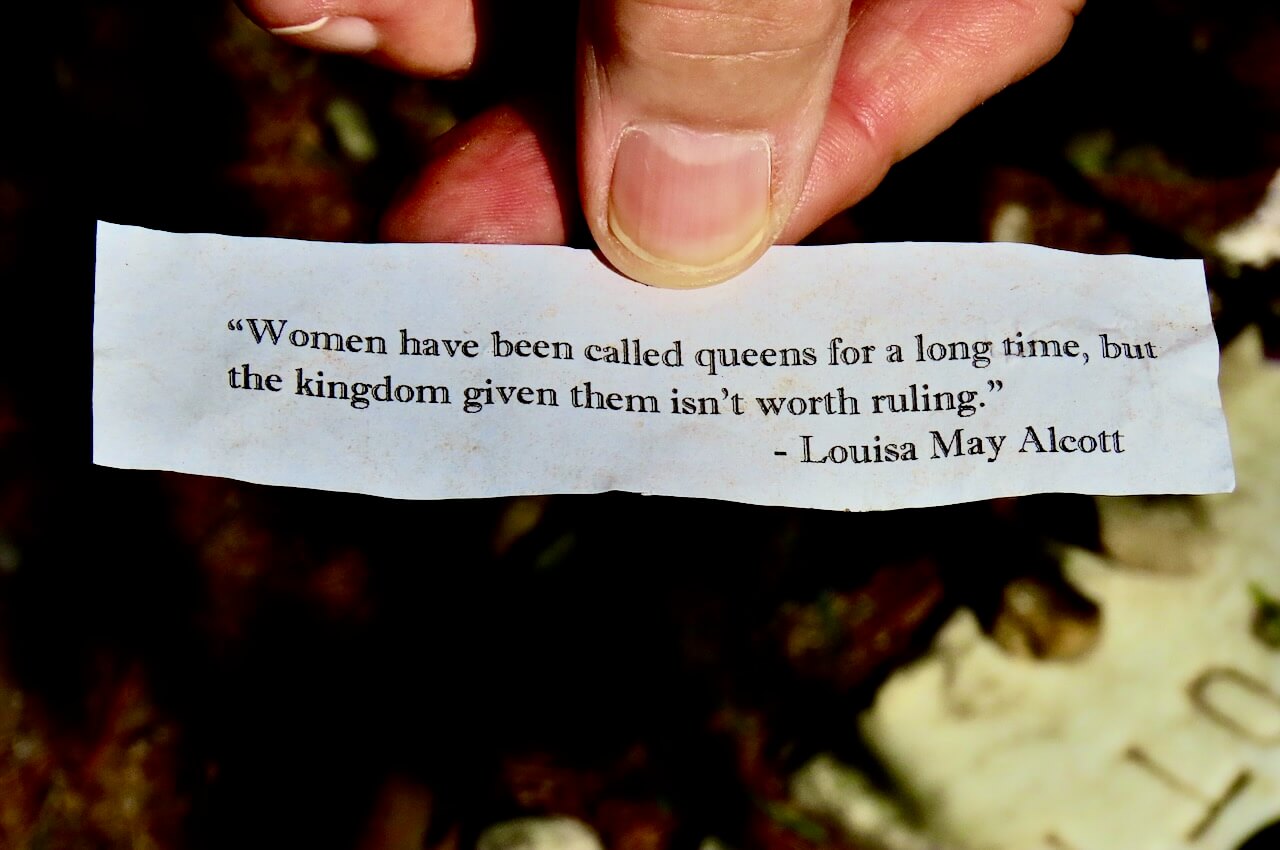
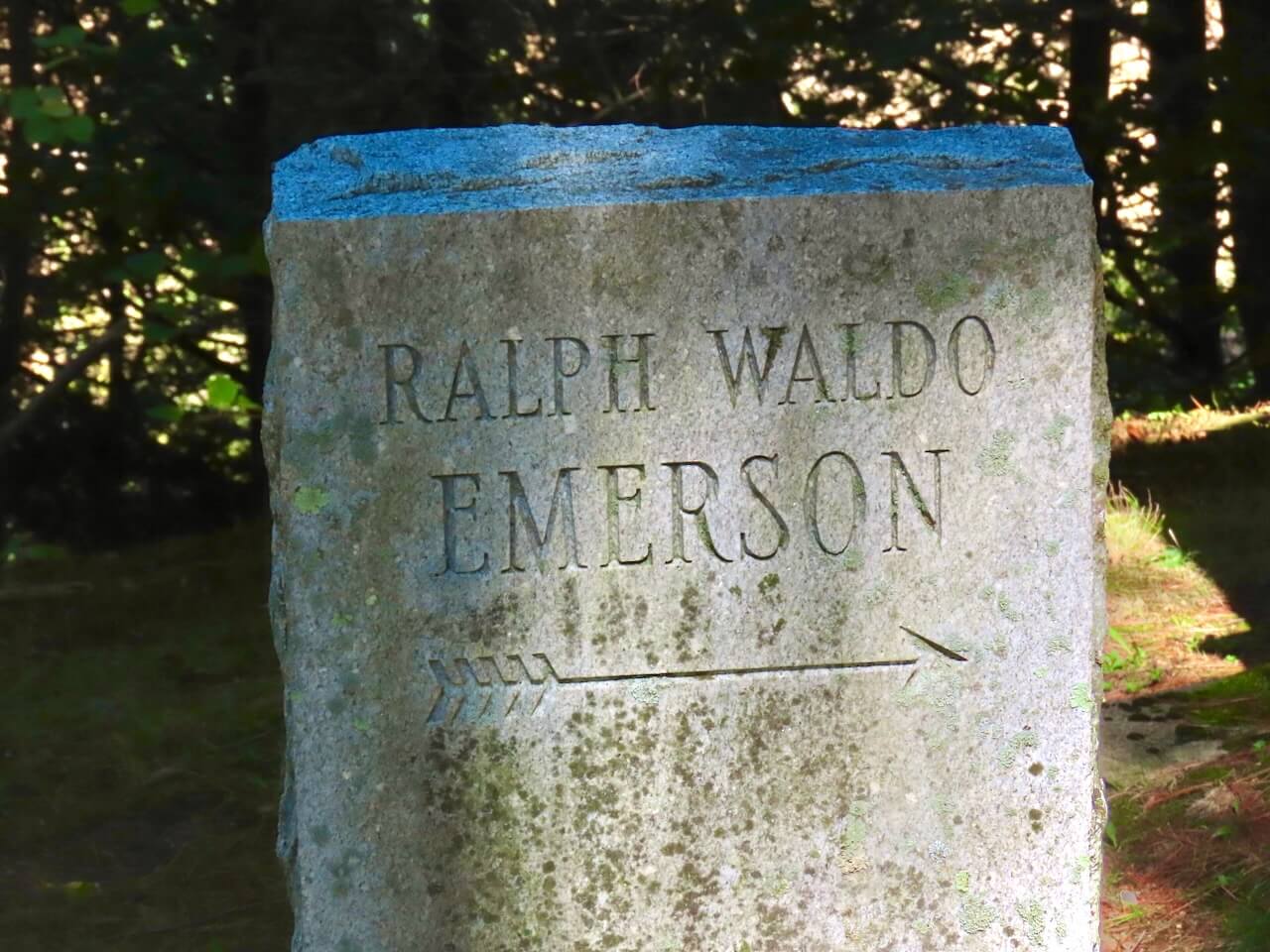
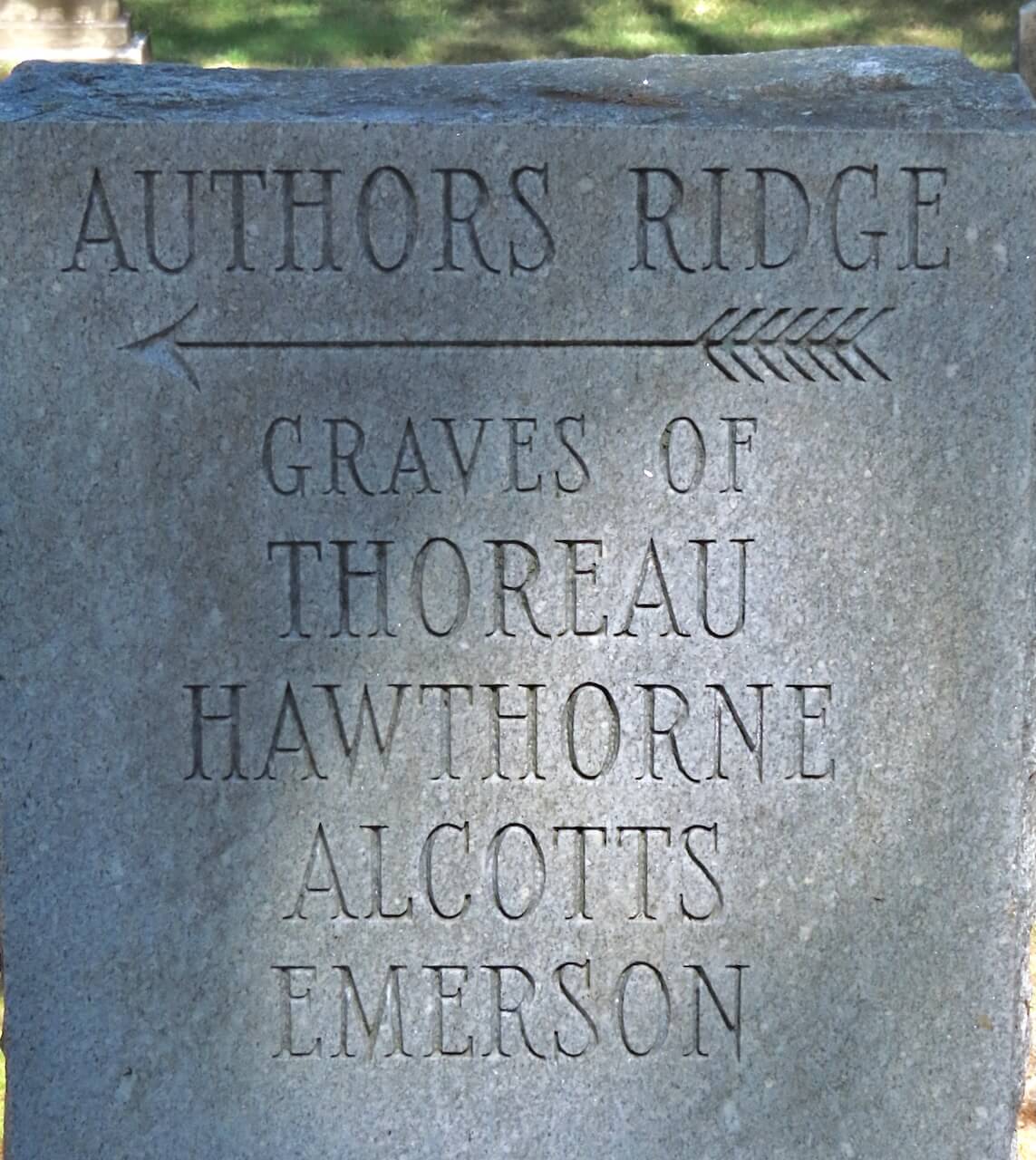
A stone marker leads the way to Emerson’s grave.
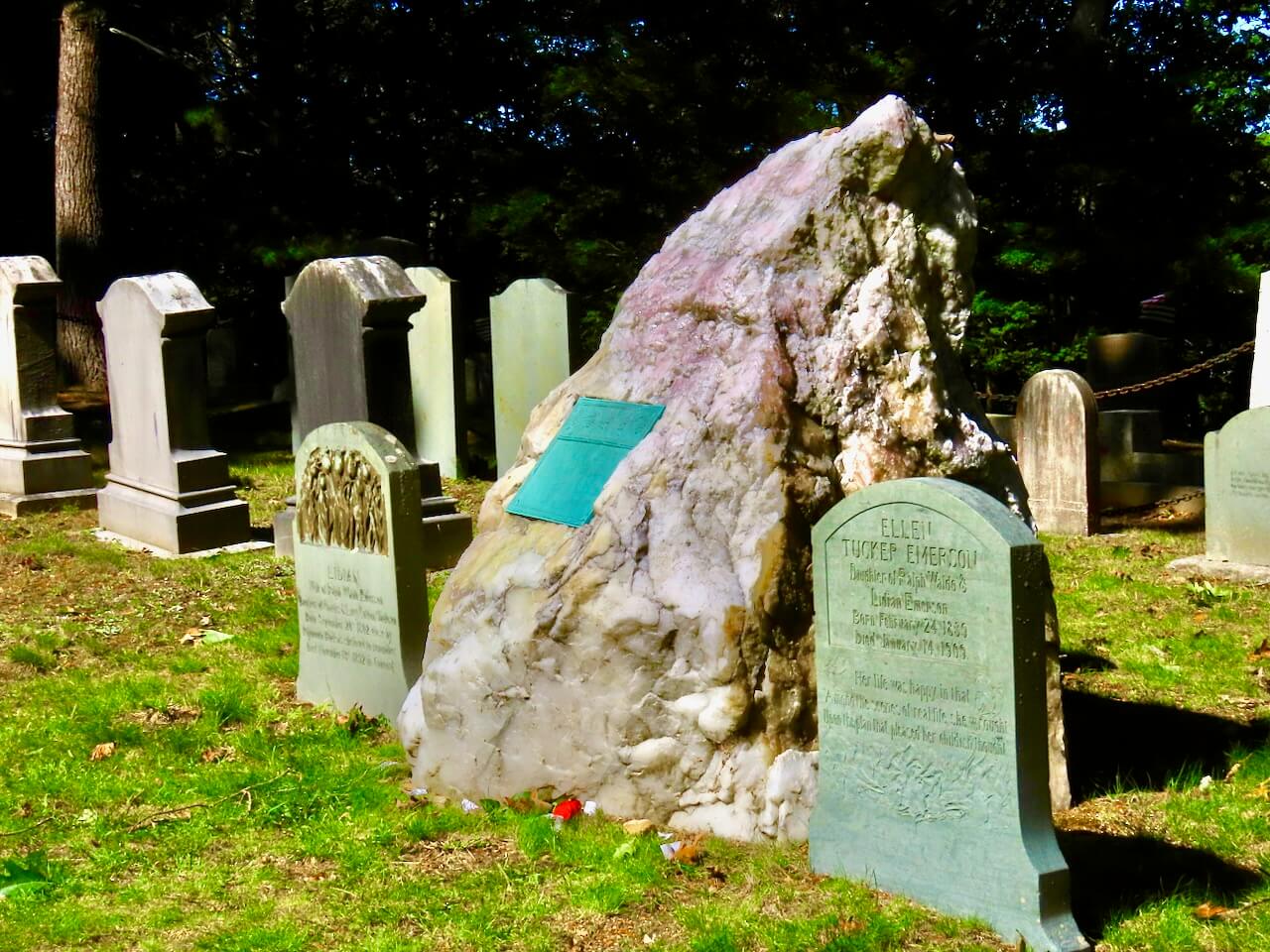
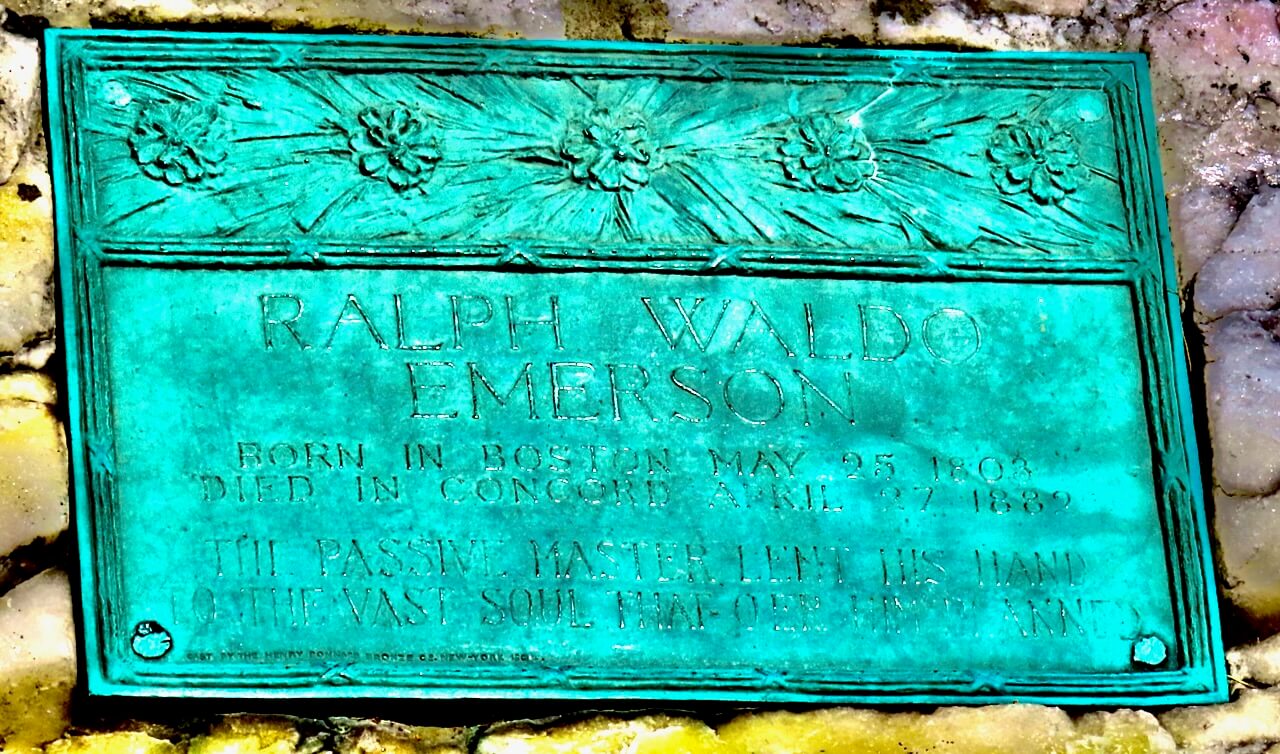
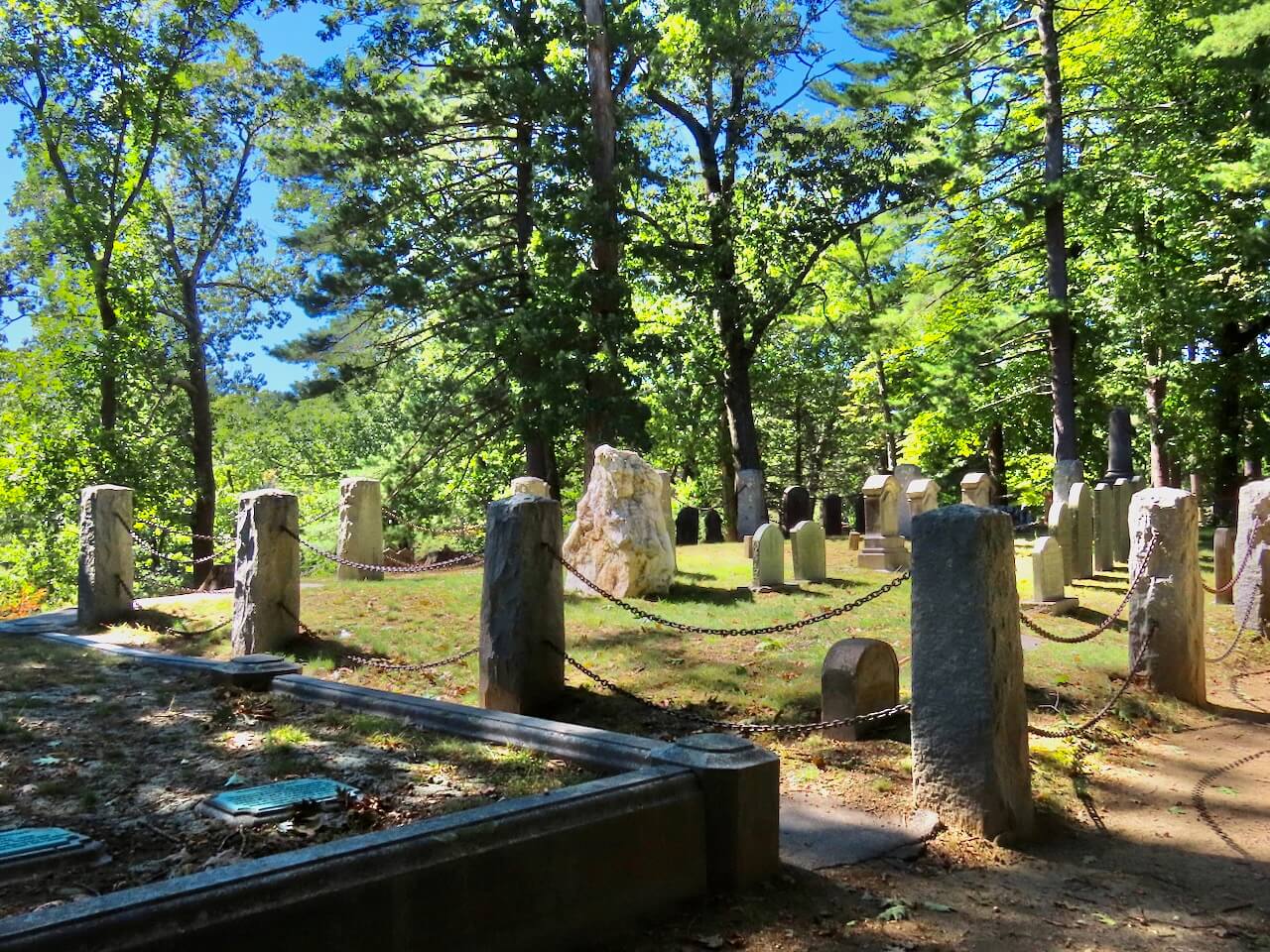
Click on the post title if the related posts and comments are not visible.

The Gale Free Library of Holden, Massachusetts exemplifies adaptive reuse architecture, where old buildings are updated for modern uses while still preserving their historic character.


Click on post title to view comments and related posts if they are not visible below.

Photos from my yard in Holden, Massachusetts


Click on post title to view comments and related posts if they are not visible below.

Lilies and water bubbles form layers of frozen abstract patterns at Mass Audubon Wachusett Meadow Wildlife Sanctuary. These photos were taken during a recent blue hour.


Click on post title to view comments and related posts if they are not visible below.

The nearly 100 year old Mountain Laurel in my yard is still going strong.


Click on post title to view comments and related posts if they are not visible below.


Holden, MA December 2025
Click on post title to view comments and related posts if they are not visible below.

Photographers love the “blue hour”, and I was lucky to capture this phenomenon on Solstice Evening. The blue hour is the period just before or just after the sunset. During this time, the landscape, including frozen ponds like this one, is bathed in deep blue light. In northern climates this phenomena often occurs in the colder months.





Currier & Ives produced popular lithographs depicting idyllic American winter scenes during the 19th century. These prints featured snow-covered New England towns, with skies of icy-blue or gray enhanced with subtle color shifts. Here are my “updated” Currier and Ives style selections from the most recent snowstorm here in Central Massachusetts.

Holden, Massachusetts


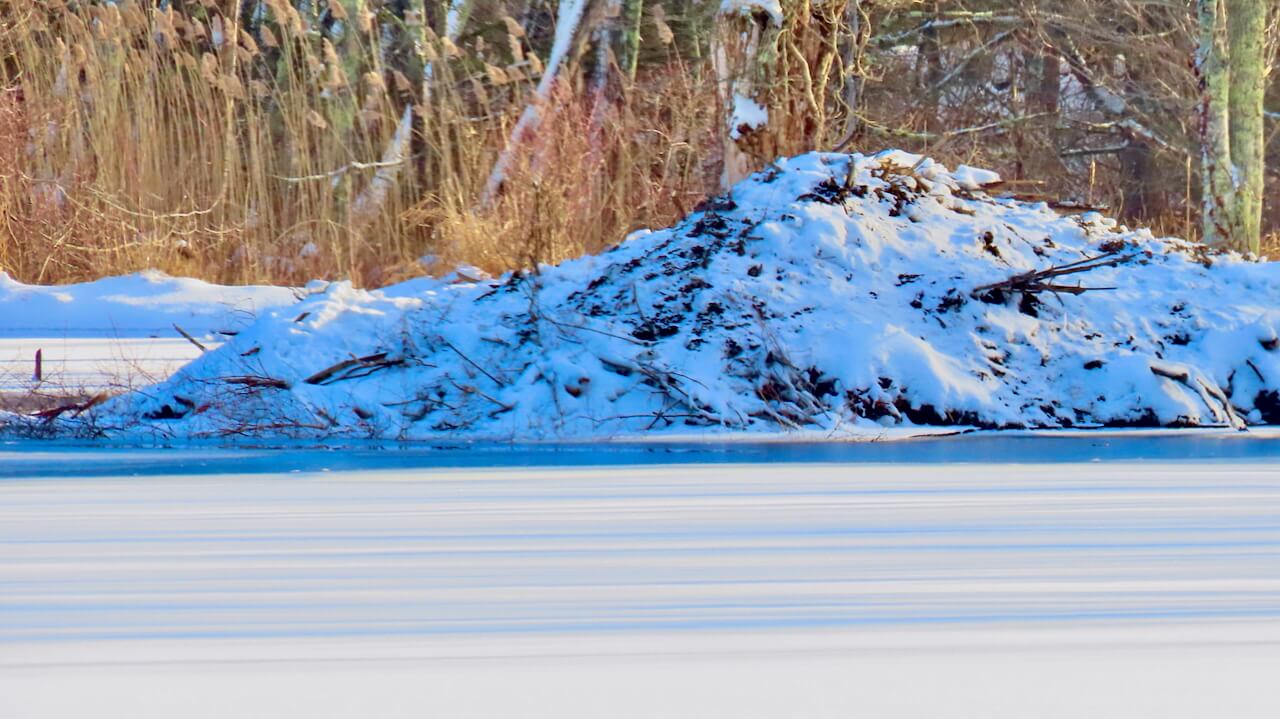
Princeton, Massachusetts

The Arctic Blast last evening delivered extraordinary, if fleeting, sunset colors that swirled around my rooftop. After the vivid colors faded, temperatures sunk to 6° F., the coldest of the season. Wind chills felt as low as -5°F. My blog’s title “From My Window” can be taken quite literally in this case.


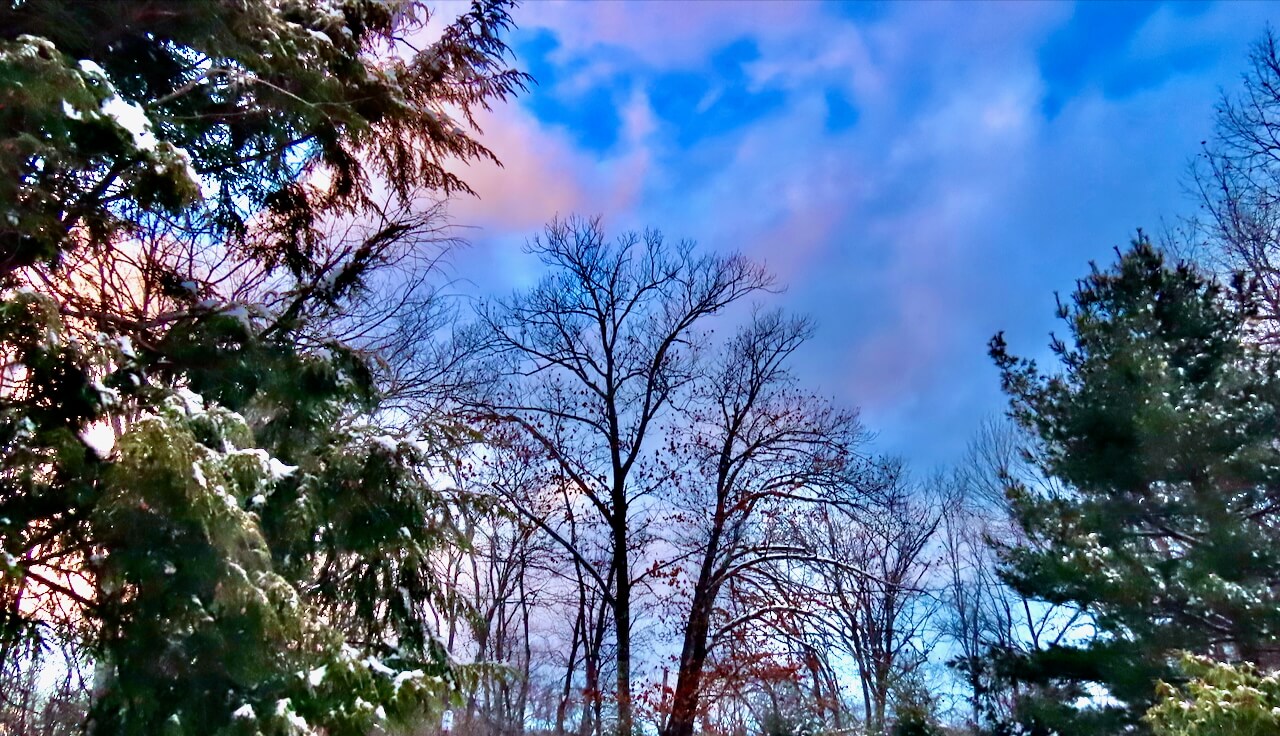


My Garden/ Holden MA


A lightly edited version of a previous post.


Unlike classic Adirondack Chairs, these redesigned Ardirondacks at Wachusett Meadow feature ergonomic higher seats and straighter backs, allowing for greater ease of use for those with mobility issues.


This Porcupine ambled in the last rays of sunshine recently at Wachusett Meadow Wildlife Sanctuary. Video short included.


Images from a rainy day walk at St. Joseph’s Abbey, Spencer, MA, a popular site for contemplative walking.


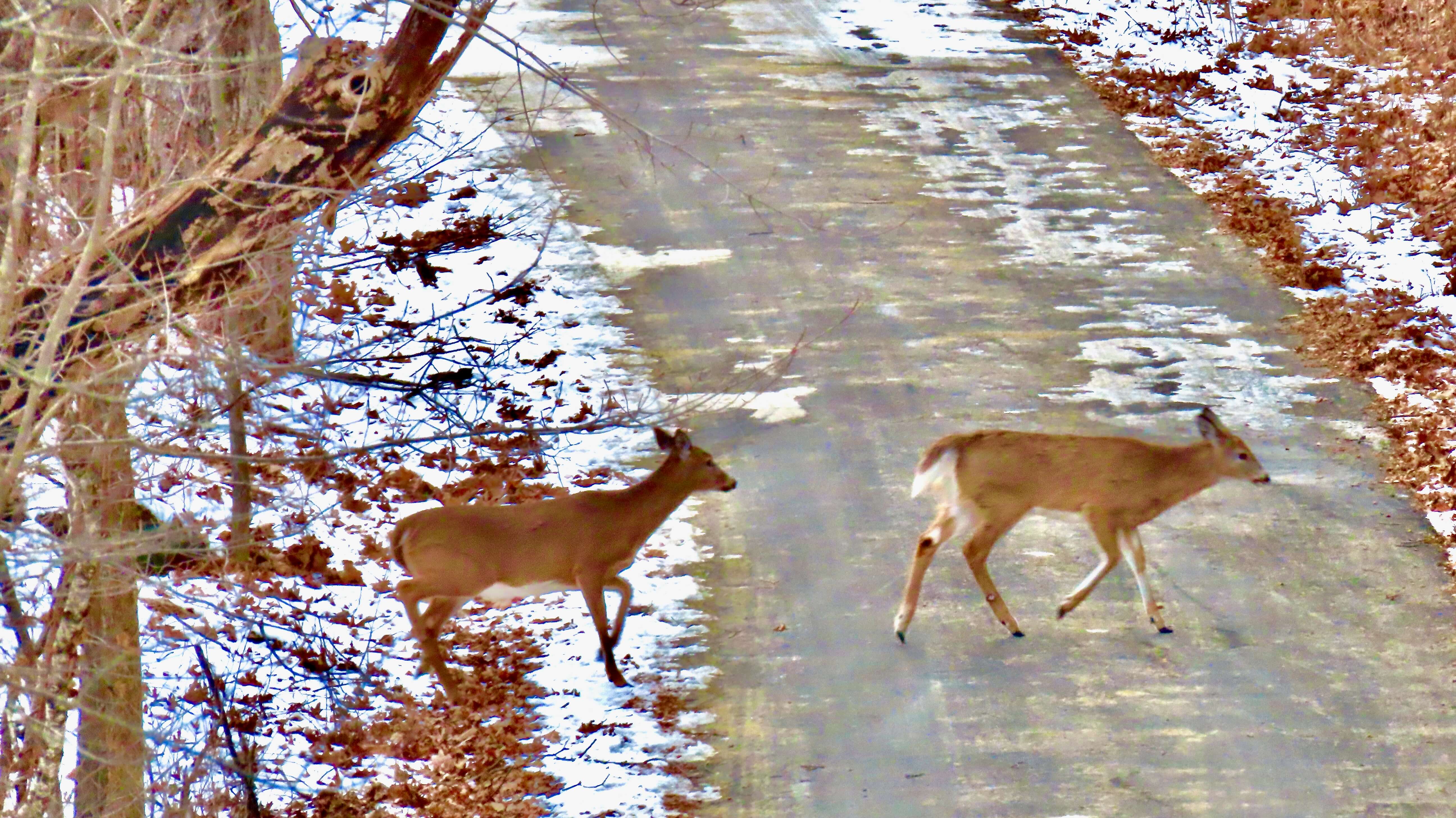
A January afternoon at Wachusett Meadow Wildlife Sanctuary.
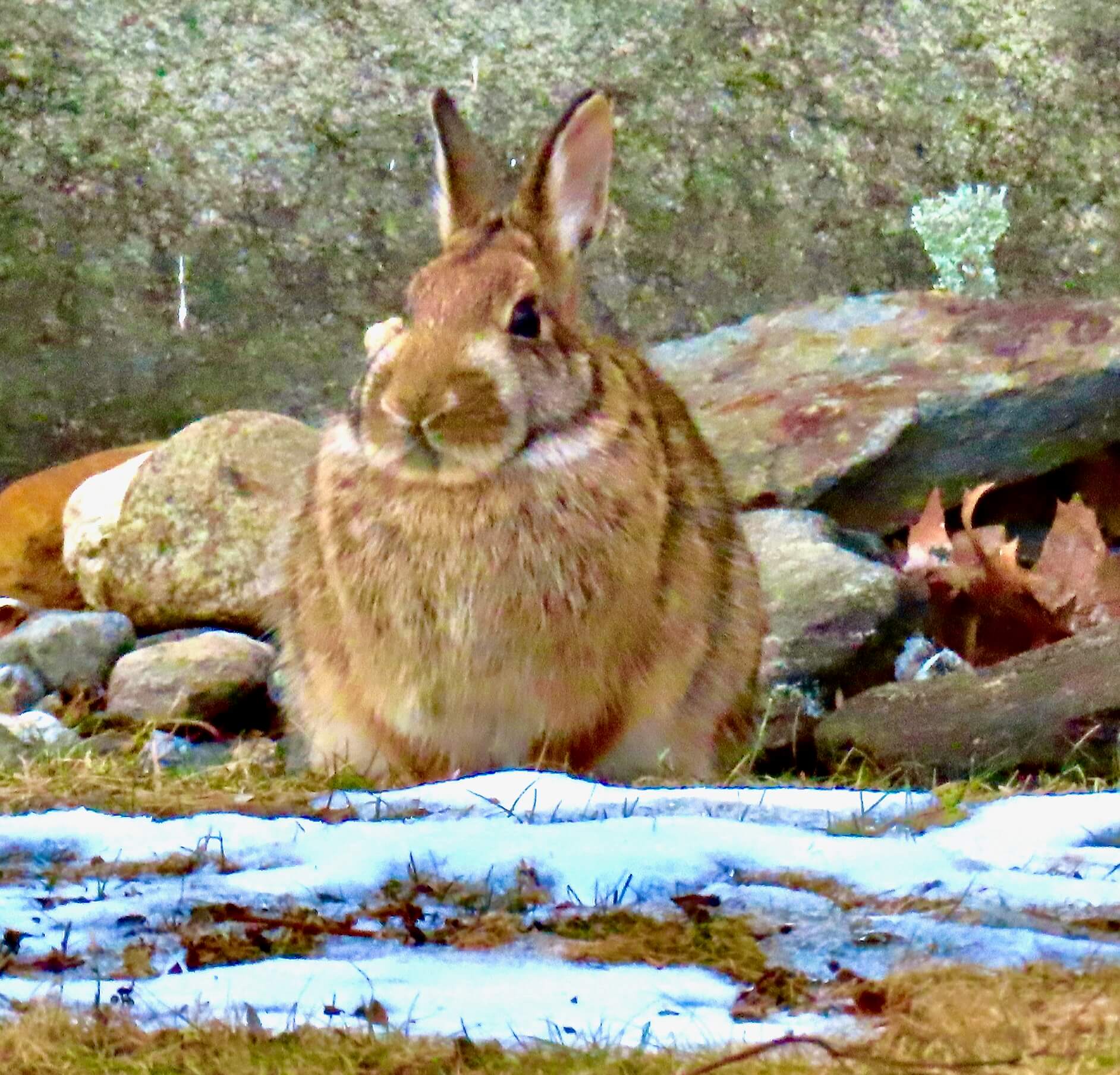
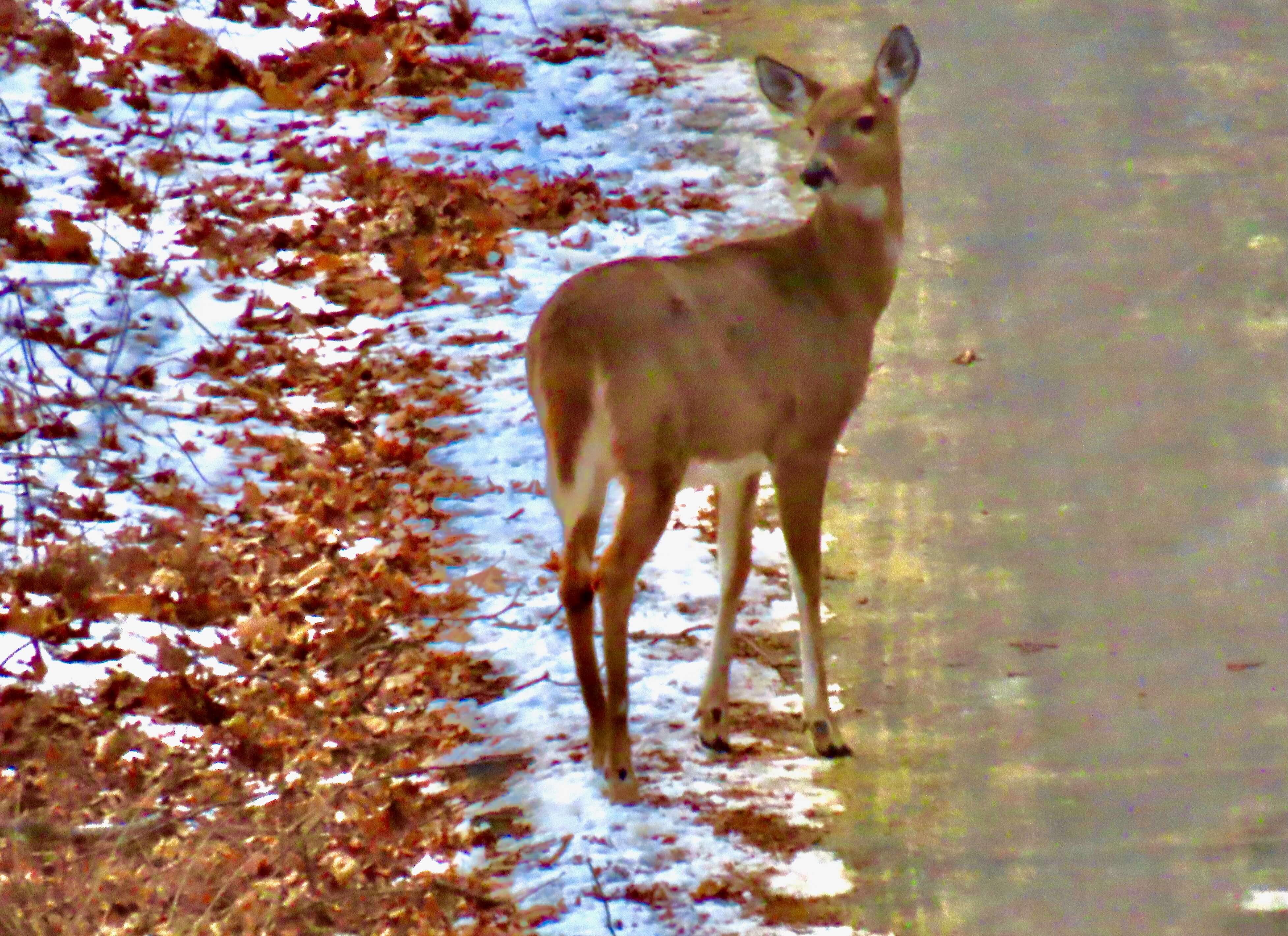
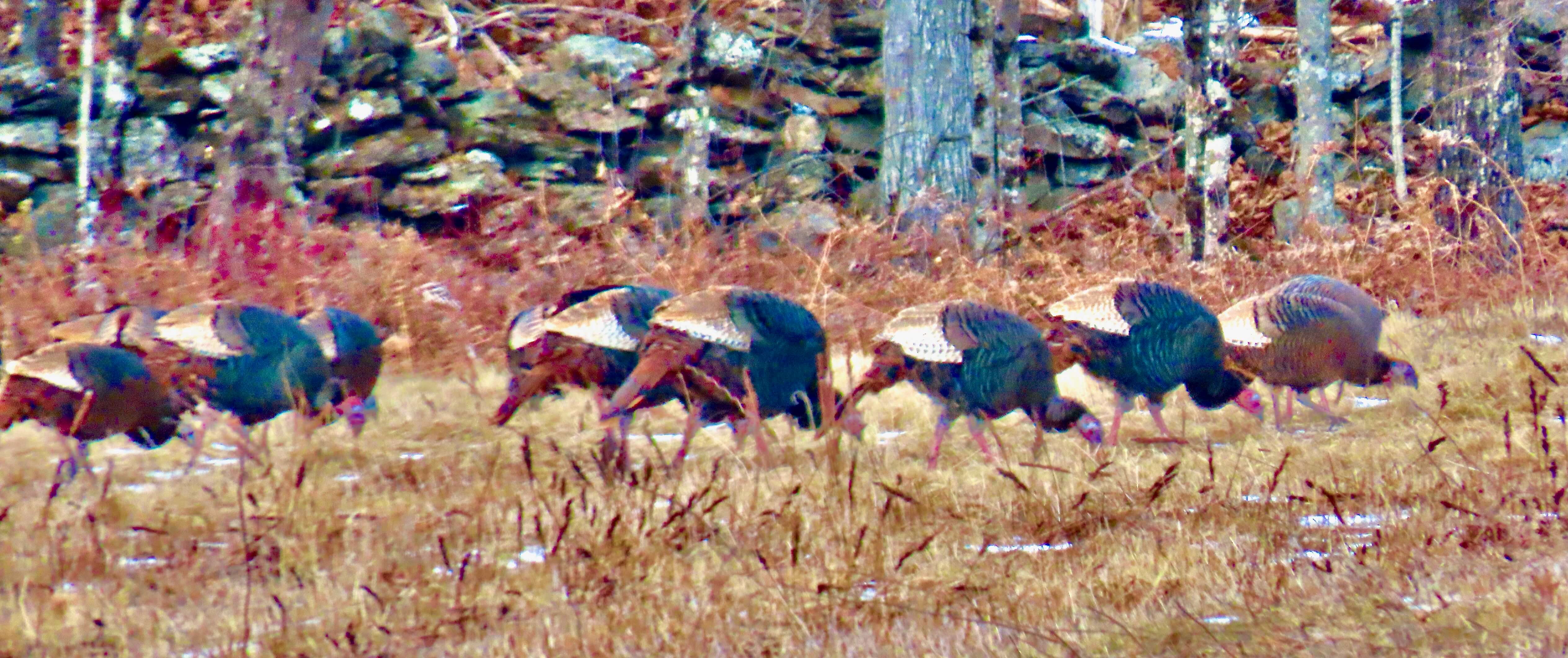
Wild Turkeys


Eastern Towhee

Catching the last of the afternoon sunlight at Wachusett Meadow Wildlife Sanctuary.


This tree sparrow does not breed in Massachusetts, but is a common winter visitor here.






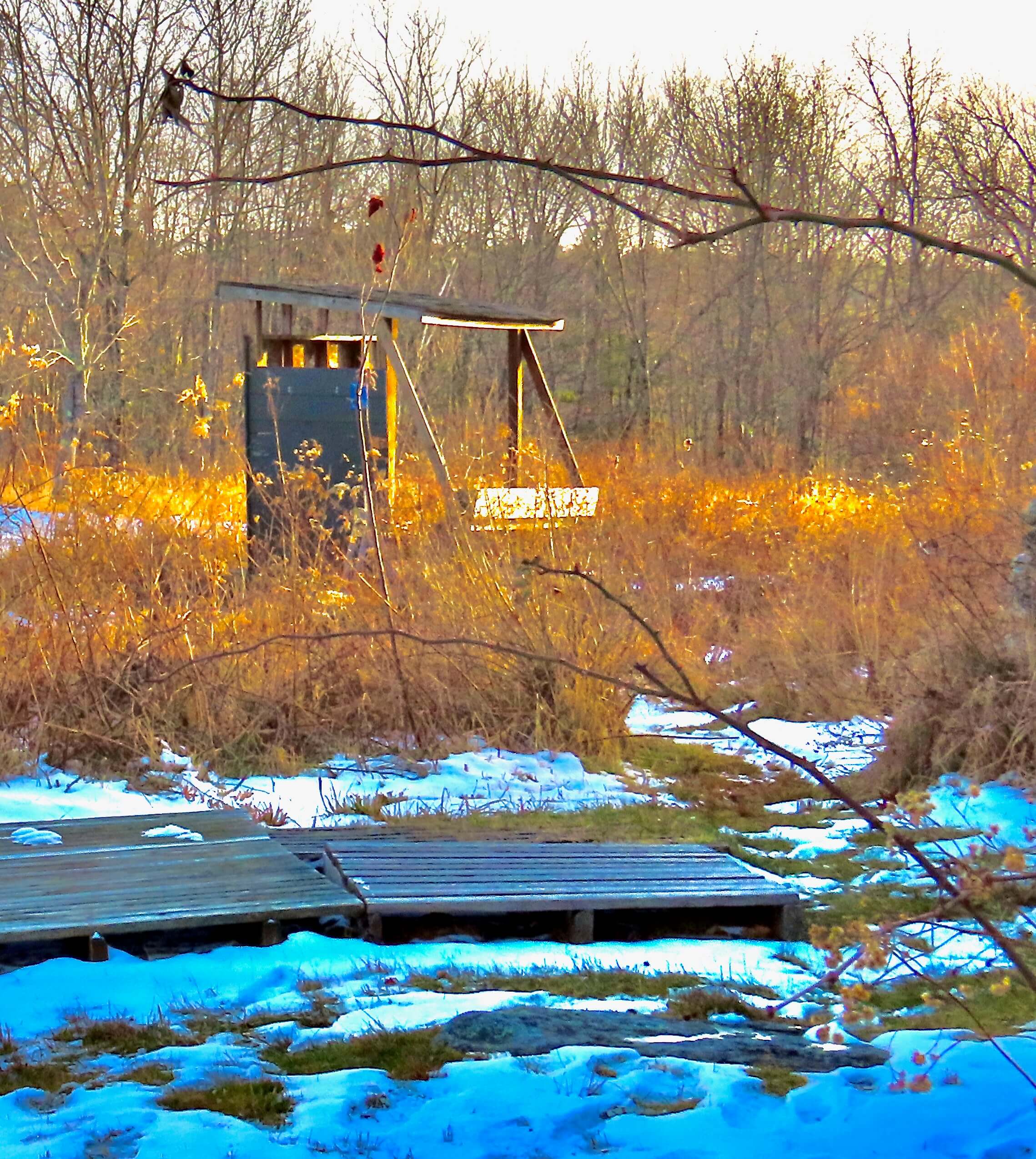

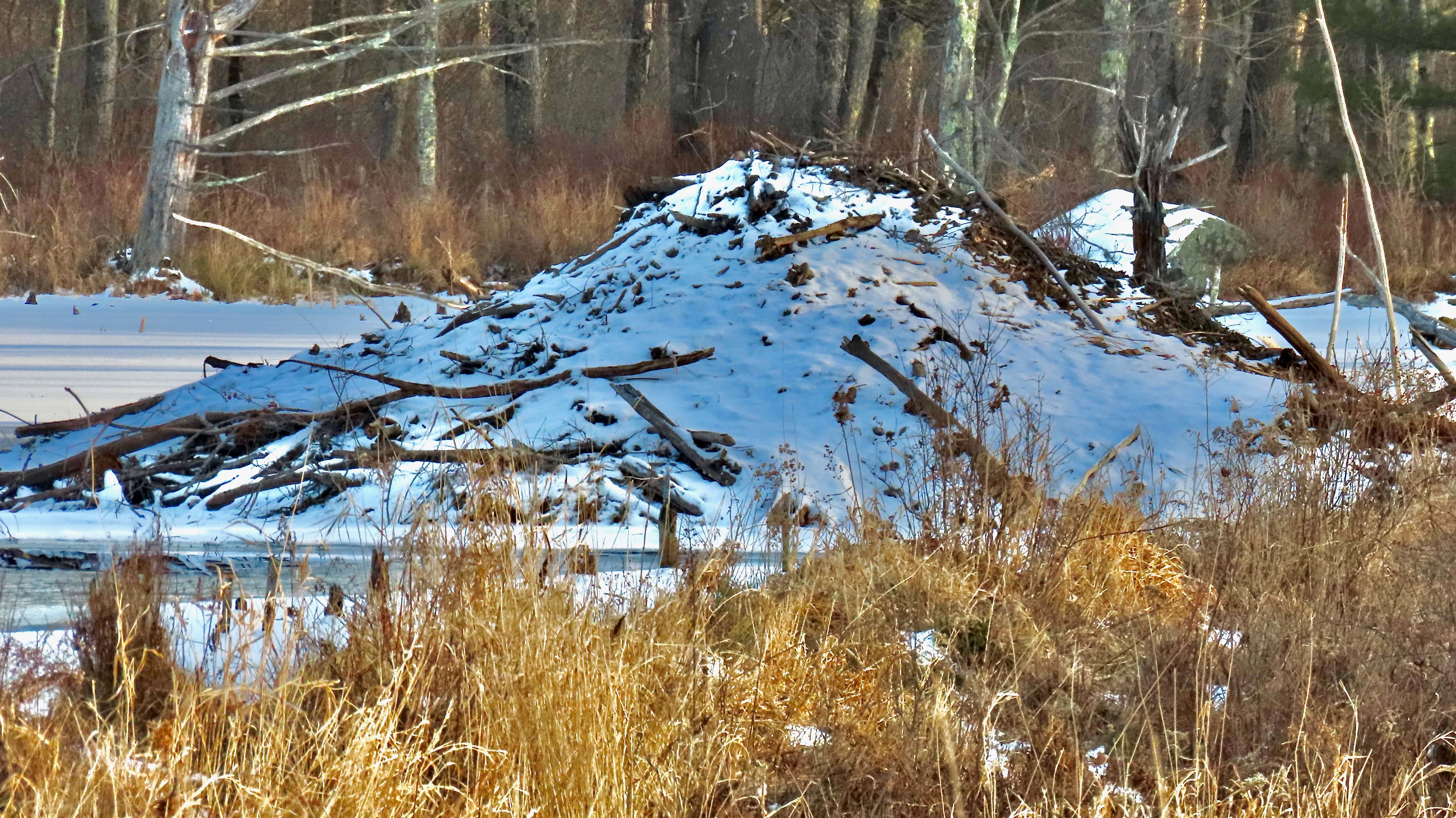


Moore State Park, Paxton, Massachusetts


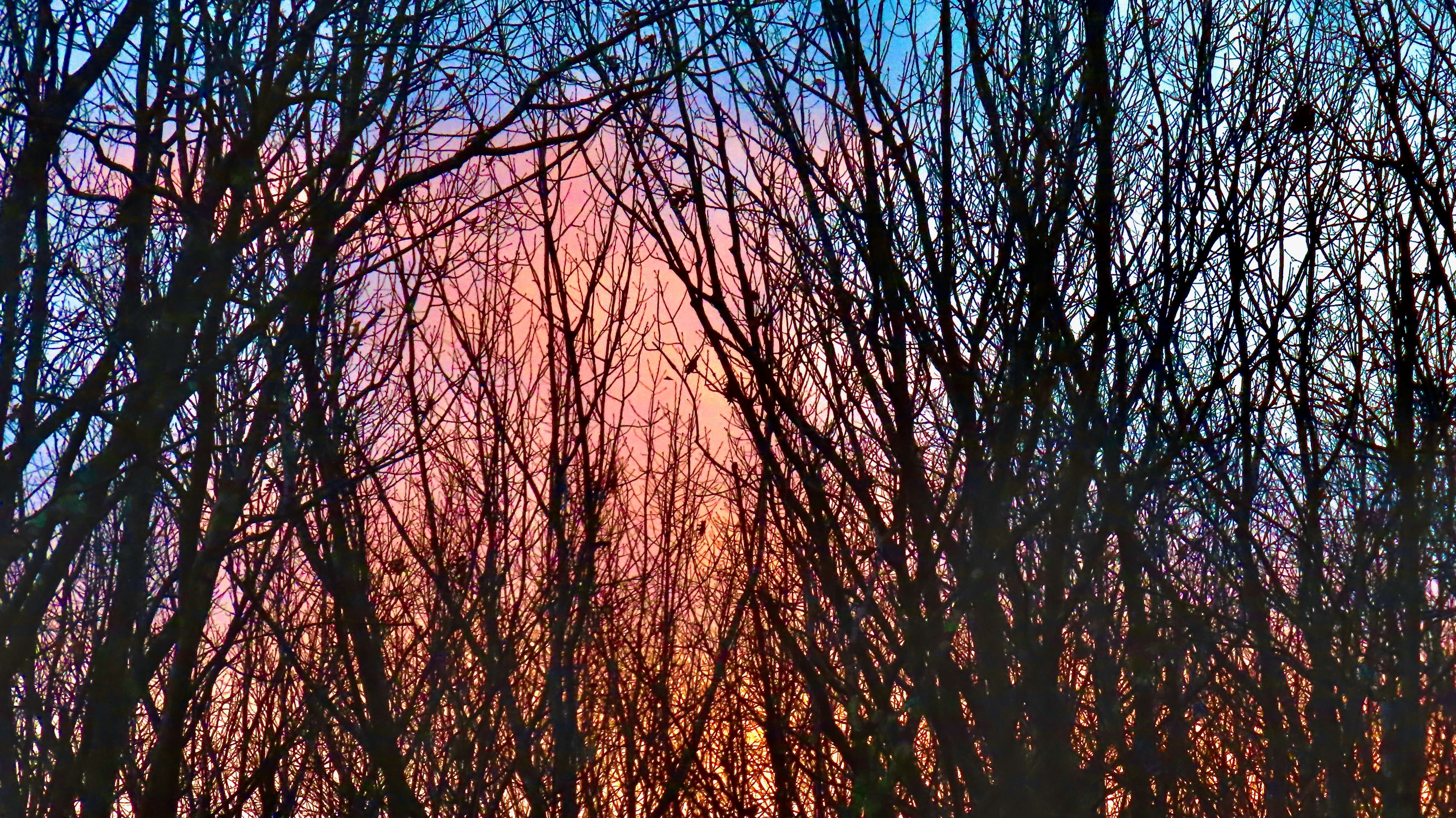
The bare trees of winter are silhouetted against the evolving colors of a late afternoon sky.
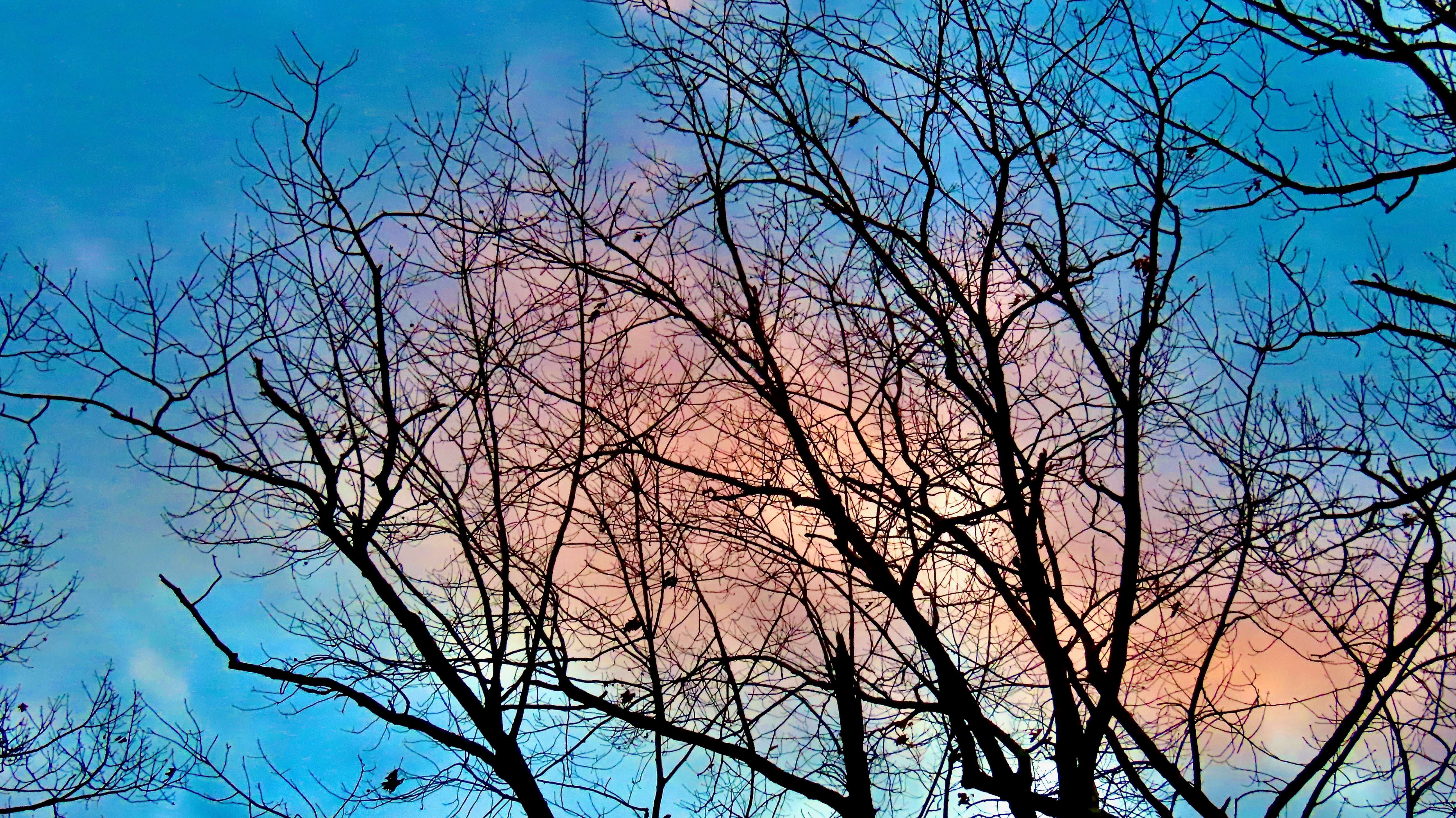
Taken from my front porch in Holden, Massachusetts.
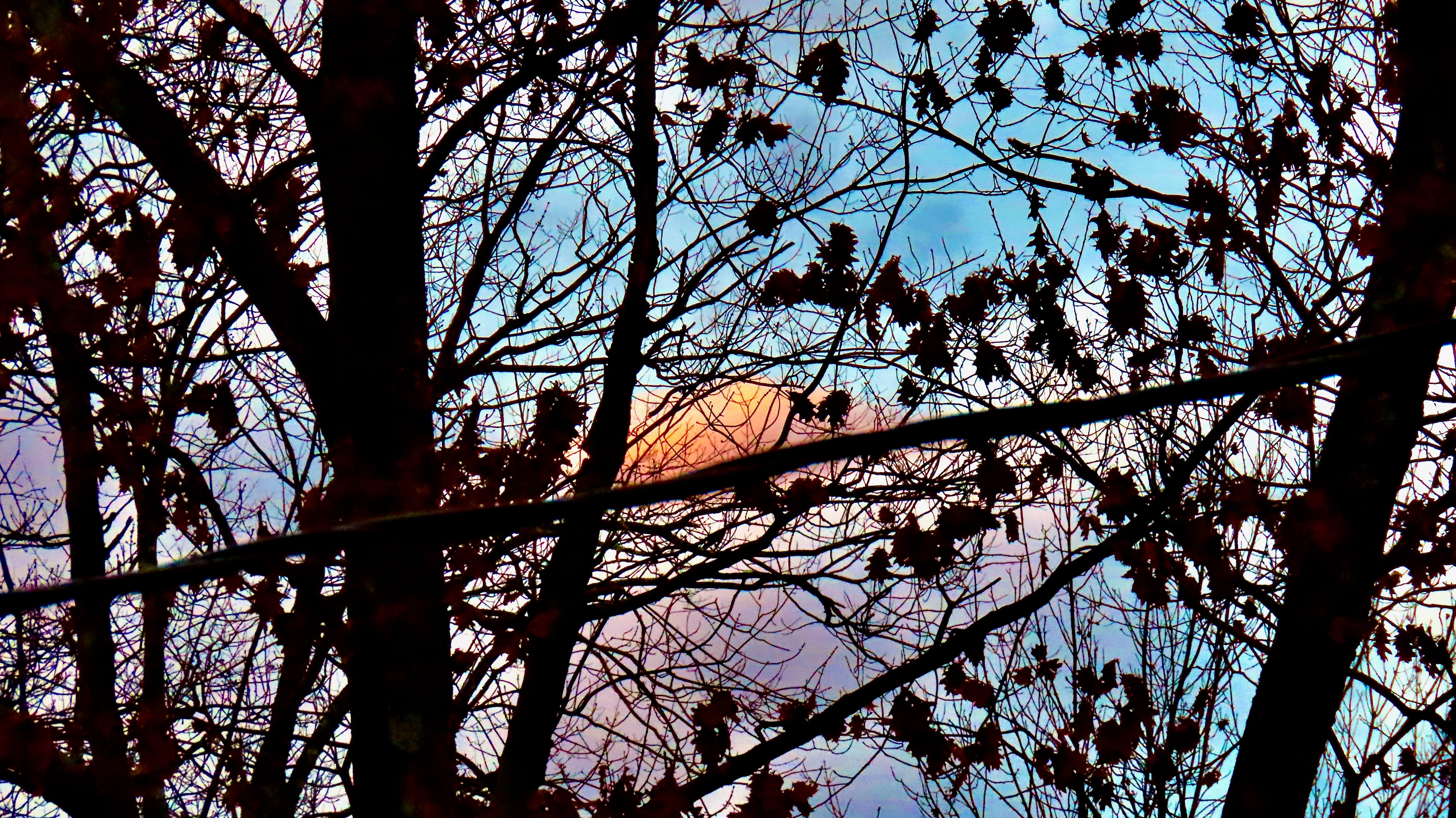
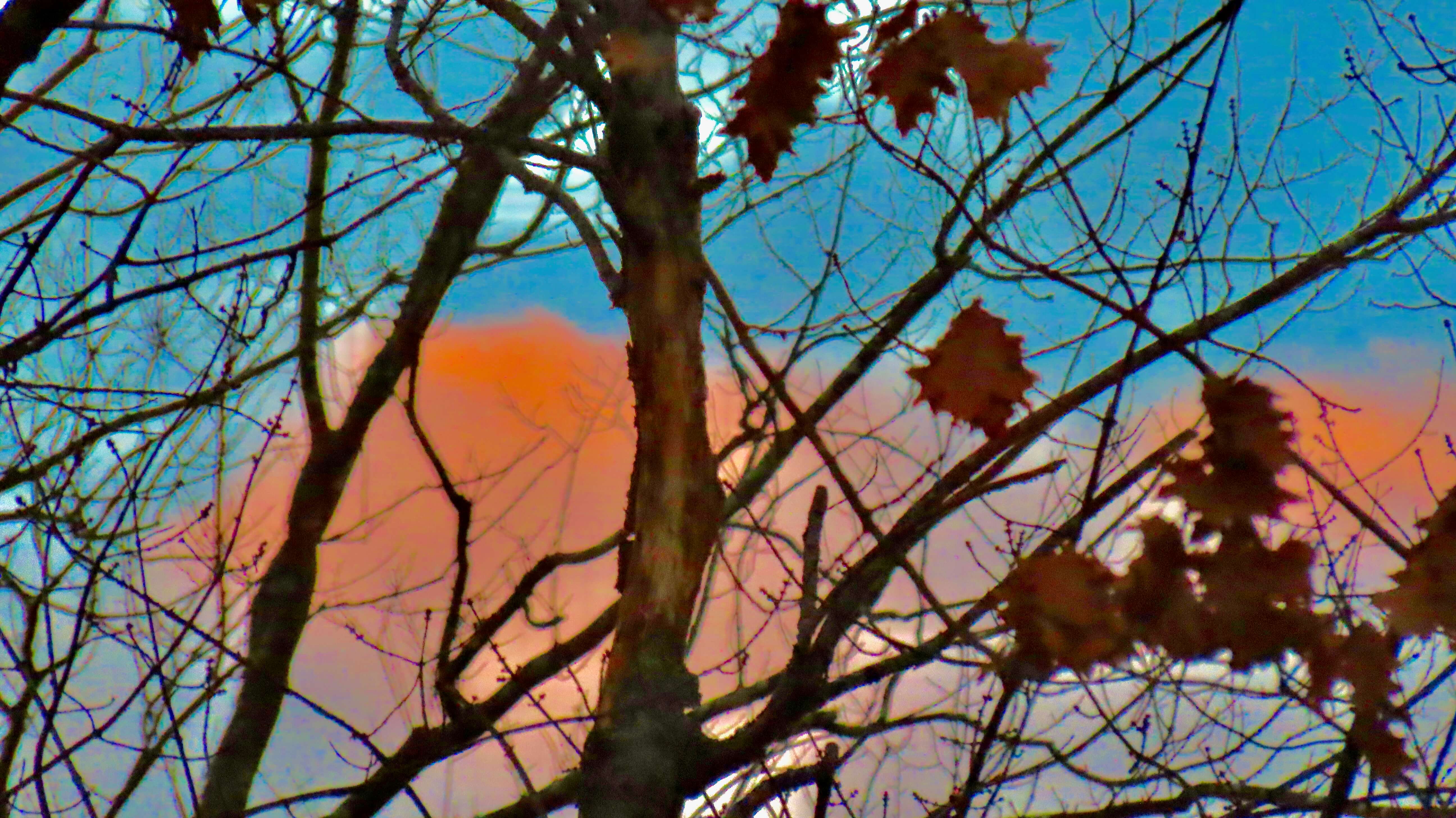
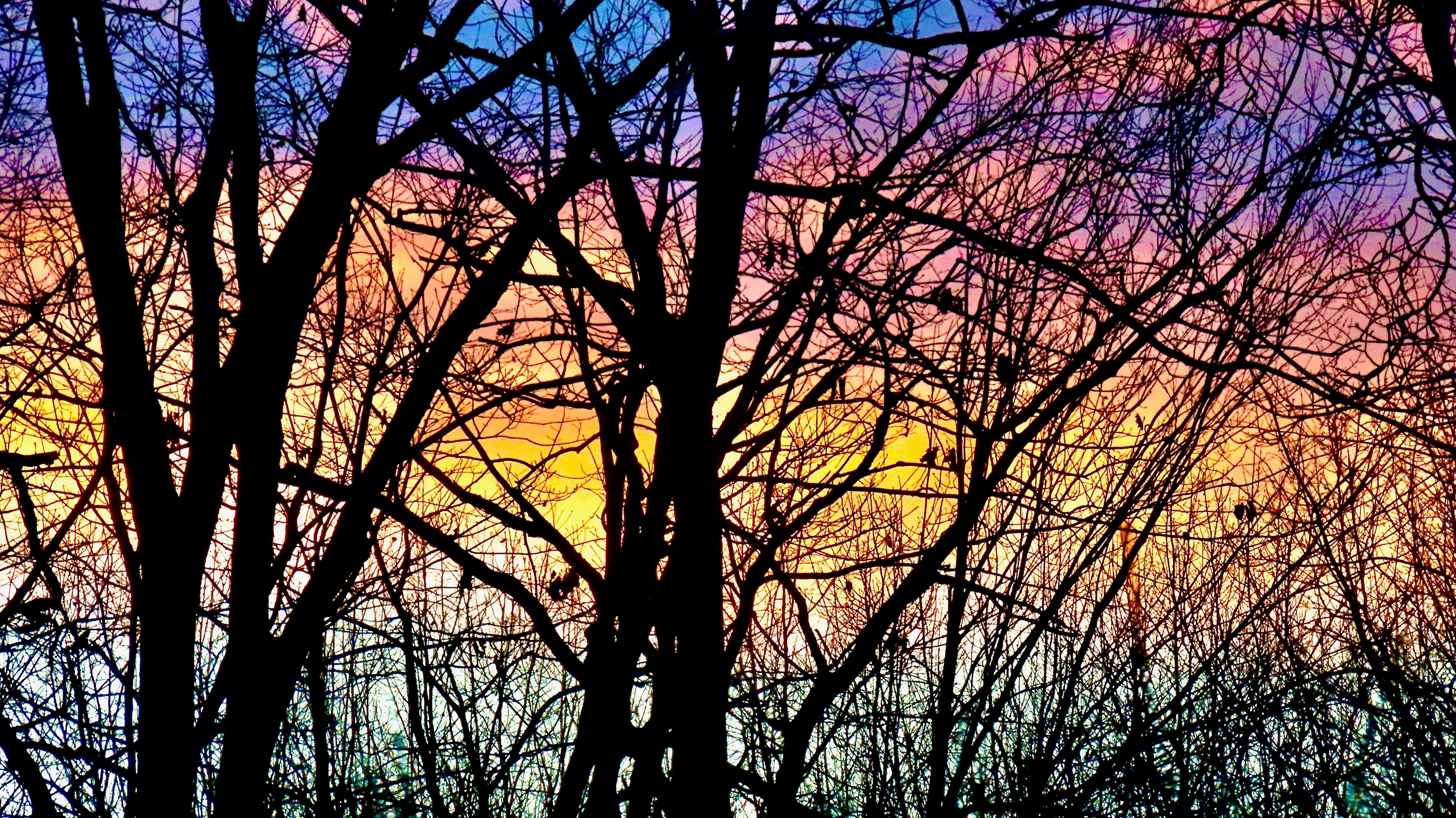


West Boylston, Massachusetts


Self-serve in 2024: Cash, check or Venmo!


Holden, Massachusetts


“Mary had a little lamb,
Its fleece was white as snow,
And everywhere that Mary went
The lamb was sure to go.
It followed her to school one day,
Which was against the rules,
It made the children laugh and play
To see a lamb at school.”
-John Roulstone

This beloved children’s rhyme is actually a true story, which had its origin in the little town of Sterling, Massachusetts. You can read a fascinating history of the rhyme here.

Mary Sawyer, born in 1806, did have a lamb she loved. And the lamb did indeed “follow her to school one day” (with a bit of help from Mary and her brother).

The architecture around the town common, some which dates back to the 1800s , would have been a familiar sight for Mary and the lamb.

Signs remind us of other historical links of importance, as well, such as a visit from General Lafayette…

Or that the world’s first sewing pattern featuring multi-sizing was invented in Sterling by Ebenezer Butterick over 150 years ago.


Third Generation farmers from Nicaragua roast and sell coffee from around the world in this delightful Holden, Massachusetts coffee shop.


A recent trip to Bemis Farms Nursery in Spencer, Massachusetts proves that you can never have too much of a good thing!


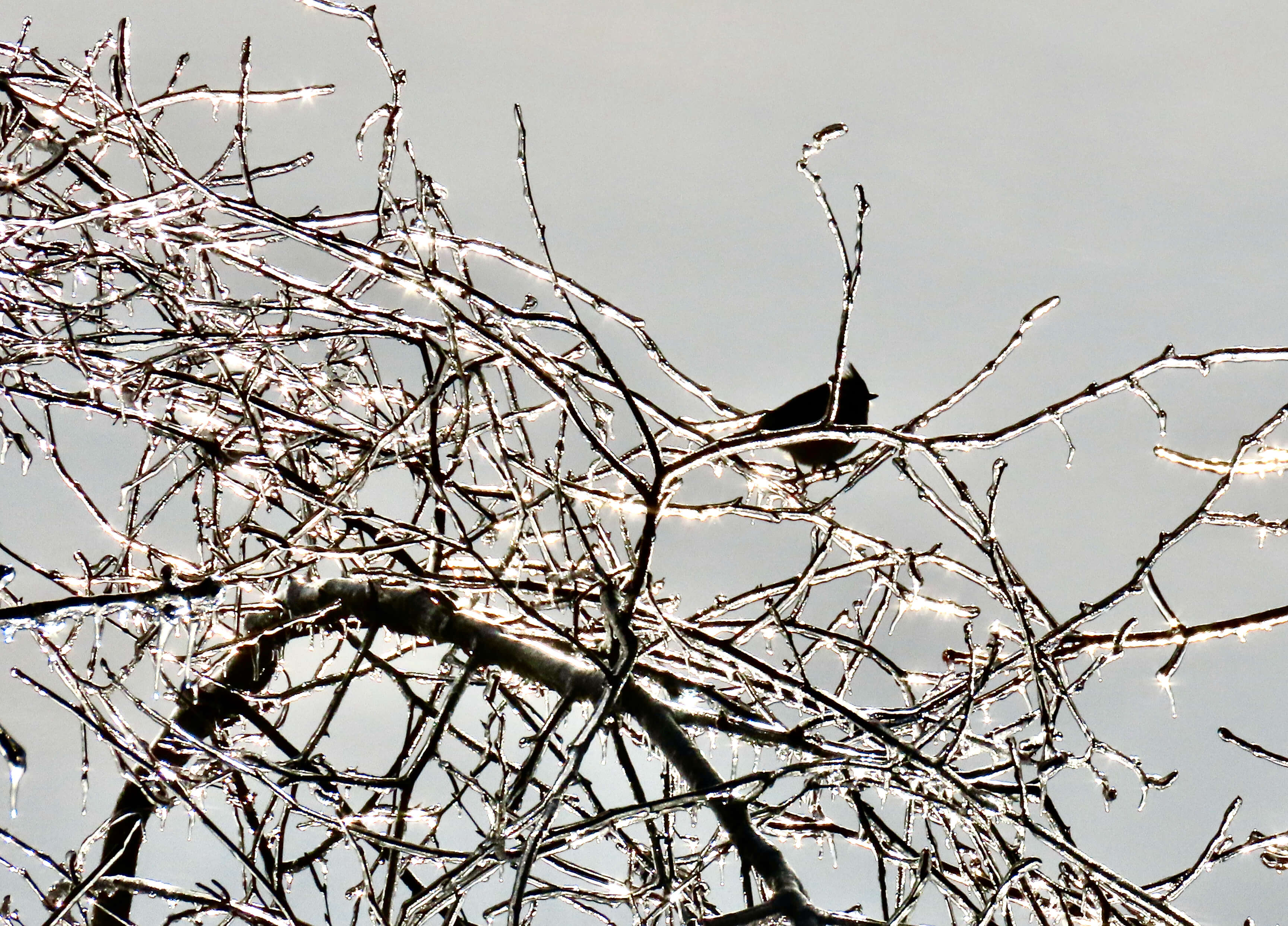
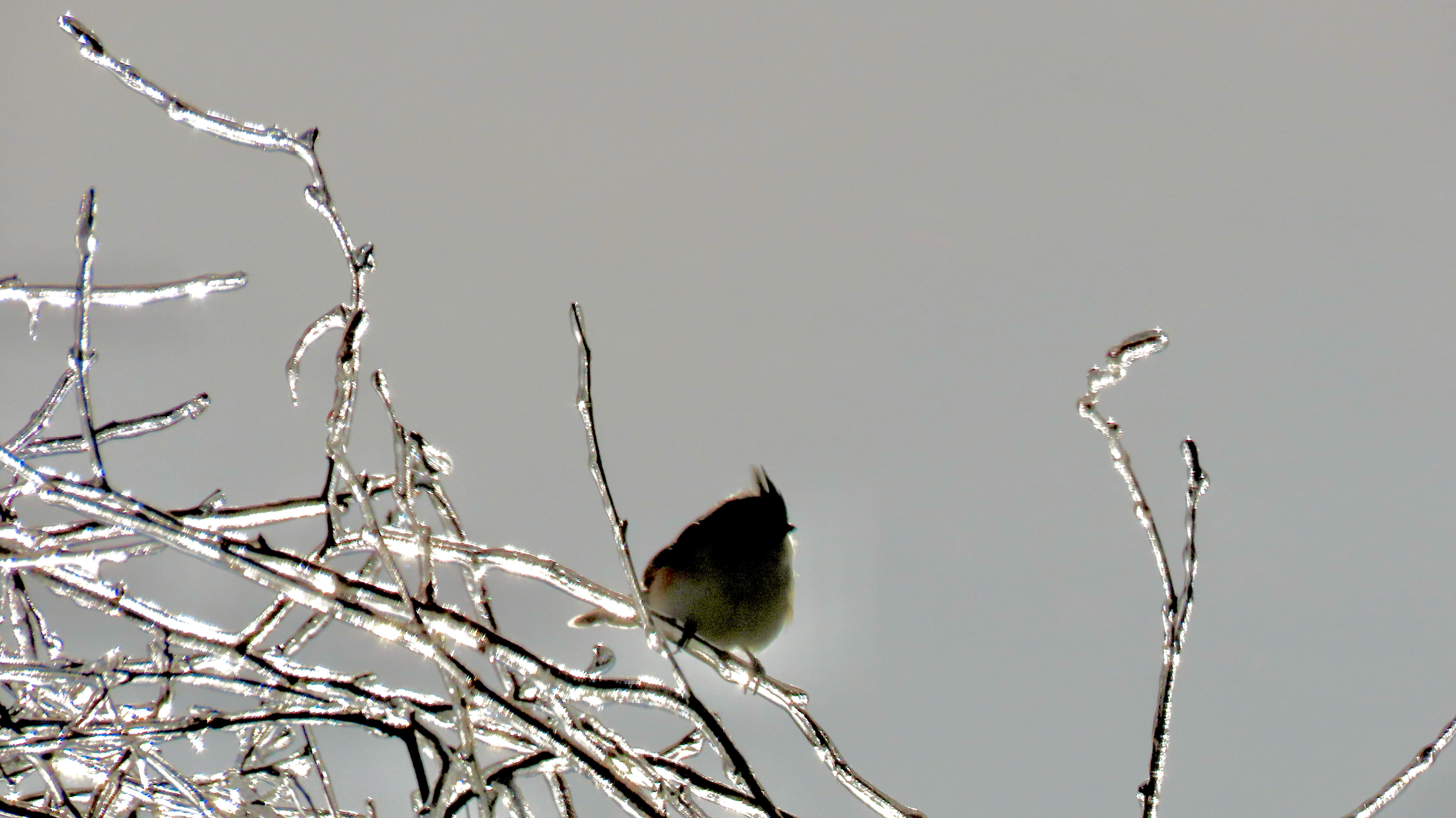
Spring Ice Storm, Holden Massachusetts






Chaffins Millpond, Holden, Massachusetts


Wachusett Meadow, Princeton, Massachusetts

Red-winged Blackbirds have returned to Massachusetts. Can spring be far behind?

American Goldfinch and House Sparrow