Visitors are startled by the vibrant and spectacular leaves in the Orangerie at Tower Hill Botanic Garden in Boylston, MA .


Photographs taken with a bridge camera journaling nature and everyday life in Central Massachusetts and beyond.
Category: Massachusetts
Visitors are startled by the vibrant and spectacular leaves in the Orangerie at Tower Hill Botanic Garden in Boylston, MA .


In New England, mid to late February is the start of the maple syrup making season.
Up until the Civil War, using maple sugar was an act of political protest for many northern abolitionists, who refused to use cane sugar produced by slave colonies in the Caribbean. New England forests had been over logged to build ships for the slave trade of the era. Abolitionists attempted to reseed decimated areas with maple trees, and use maple sugar rather than cane for their needs.
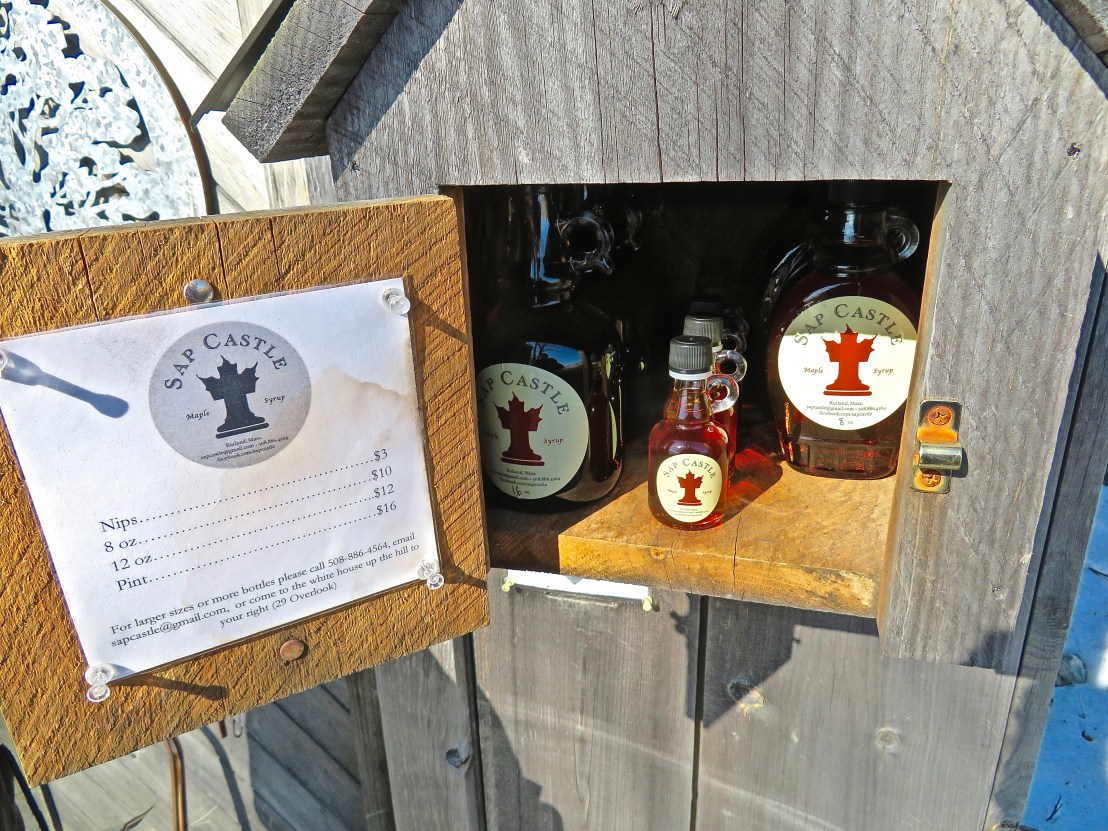
The “Sap Castle” in Rutland, MA welcomes visitors to view the sugaring process and learn about its history during February and March.




Homeowners in Princeton, MA strive to maximize their views from the sides of Mt. Wachusett, Central Massachusetts’ highest elevation.


A fast-moving snowstorm passed through last night, leaving a thick coating of snow that sparkled with a variety of bluish tints in the early morning shadows.


This singular tree overlooking the wetlands at Wachusett Meadow Audubon Sanctuary in Princeton, MA is delightful in any season, but especially distinctive in Winter, when the details of its shape and the complex structure of its branches are on full display. I’m pleased that this photo was chosen as the current cover photo for Wachusett Meadow Facebook page.

https://www.facebook.com/MassAudubonWachusettMeadow/

Old Sturbridge Village, the largest living museum in New England, recreates life in rural New England during the early 1800s. A recent visit during the Christmas season featured wagon rides, demonstrations of period arts and crafts, and a chance to experience what life in a simpler time might be like.


https://www.massaudubon.org/news-events/publications/explore/winter-2020


The Sun was perfect for capturing “eye light” in animals and birds of different sizes. A close inspection of the squirrels’ eyes reveal barns and landscapes of the Audubon. The eyes of the titmouse and the northern cardinal are harder to decode, but they sparkle charmingly, anyway.


After spotting this elegant pair of foxes on a recent walk at the Wachusett Meadow Audubon in Princeton, MA, I was inspired to create an origami display that featured them. In Scandinavian folklore, foxes were believed to cause the northern lights, so “Foxfire” is the Finnish name for this unique atmospheric display. While Massachusetts is too far south for northern lights viewing, my mini-foxfire origami creation brightens up my holiday table.


In the late Fall, meadows in New England are bursting with milkweed pods, which furnish monarch caterpillars with the only food they will eat. A huge effort is underway to plant more milkweed to stop the recent decline in the monarch population.


What could be sweeter for chipmunks than a jumble of perfectly ripe pumpkins at eye level?


Photographs from a late afternoon walk at the Wachusett Meadow Audubon in Princeton, MA. There’s nothing quite like the gold, red and green of a New England Fall.


